


Solar Energy System
Solar Energy System Manufacturer | Grid-Tied/Off-Grid/Hybrid Options
A solar energy system is a collection of components designed to capture, convert, and utilize the sun's abundant energy. In a photovoltaic (PV) setup, solar panels made of silicon based photovoltaic cells directly transform sunlight into direct current (DC) electricity. Inverters then convert this DC power into alternating current (AC) suitable for powering homes and businesses. Mounting structures hold the panels in place, often on rooftops or open land, at an optimal angle for sunlight exposure, while monitoring systems keep track of performance. In a solar thermal system, solar collectors, like flat plate or evacuated tube types, gather solar energy to heat a fluid. This heated fluid is stored in insulated tanks and circulated through a piping system for applications such as heating water or space heating. Overall, solar energy systems are a sustainable and eco-friendly solution to meet energy needs.


Wholesale Solar Energy System Supplier | MECC IEC/UL/CE Certified for Global Projects
Solar Panels: The core component of the system, which uses the photovoltaic effect to convert solar energy into electrical energy. Solar panels are usually made of silicon-based materials and come in different sizes and power ratings to meet different energy requirements.


Batteries: Used to store the electrical energy generated by the solar panels. When there is insufficient sunlight or at night, the batteries release the stored electricity to supply power to the load. Commonly used batteries include lead-acid batteries, lithium-ion batteries, etc.


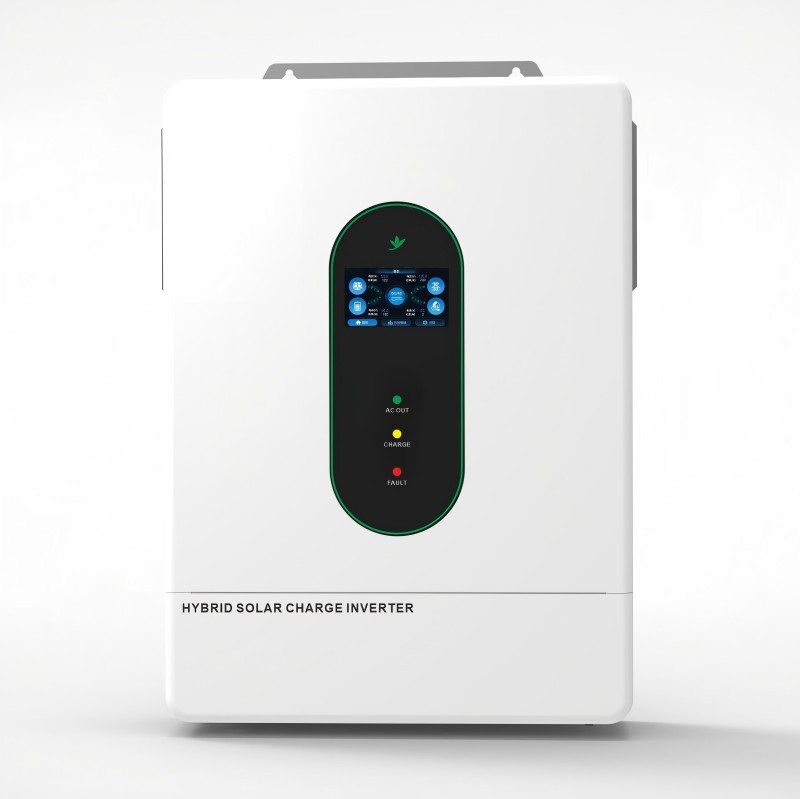
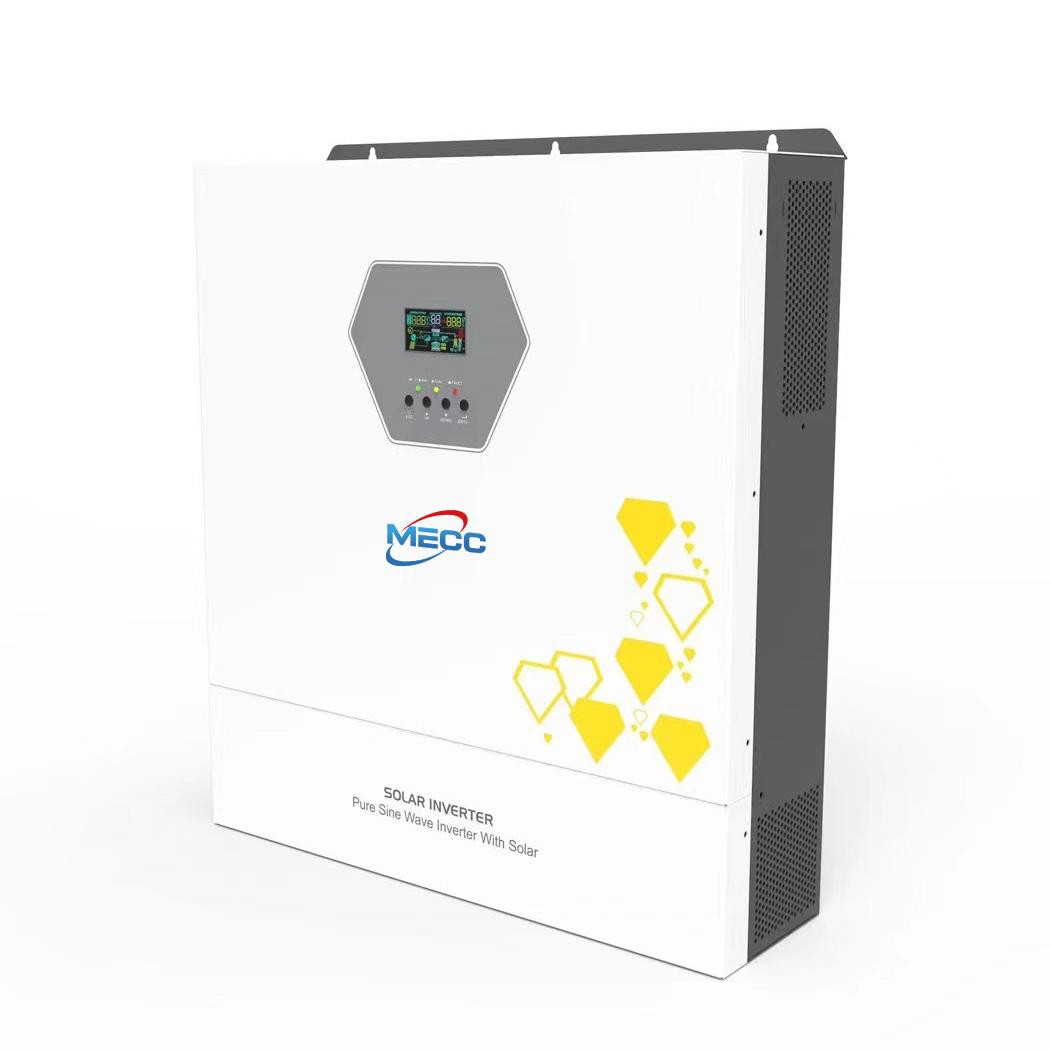
Inverters: Converts the direct current (DC) stored in the batteries into alternating current (AC) that can be used by household appliances and other electrical equipment. Most electrical devices in our daily lives require AC power to operate.
Working Principle
Power Generation: During the day, when sunlight shines on the solar panels, they generate DC electricity. The amount of electricity generated depends on factors such as the intensity of sunlight, the area of the solar panels, and their efficiency.
Power Storage: The generated DC electricity is sent to the batteries for storage through the charge controller. The charge controller ensures that the batteries are charged safely and efficiently.
Power Supply: When there is a need for electricity, such as at night or on cloudy days, the batteries supply the stored DC electricity to the inverter. The inverter converts the DC electricity into AC electricity and supplies it to the connected electrical devices, enabling them to work normally.
Advantages
Independence: It is not dependent on the grid, which is very suitable for areas where the grid is difficult to access, such as remote mountainous areas, islands, etc. It can provide a stable power supply for local residents, communication base stations, and other applications.
Energy Conservation and Environmental Protection: Using solar energy as the energy source, it does not produce pollutants and greenhouse gas emissions during the power generation process, which is beneficial to environmental protection.
High Reliability: The system components are relatively simple and have few failure points. With proper maintenance, it can operate stably for a long time and has high reliability.
FAQ
1. How much does a solar energy system cost?
The cost of a solar energy system varies widely depending on several factors. These include the size of the system (measured in kilowatts, kW), the type of solar panels (e.g., monocrystalline, polycrystalline, or thin film), the quality of components, and installation costs. On average, a residential solar PV system in the United States might cost between $15,000 - $35,000 before incentives. However, with government subsidies, tax credits, and other incentives, the net cost can be significantly reduced.
2. What is the lifespan of a solar energy system?
Solar panels typically have a lifespan of 25 - 30 years. During this time, they are guaranteed to maintain a certain level of efficiency. For example, many modern solar panels come with a 25 - year warranty, ensuring that they will still be producing at least 80% of their initial rated power output after 25 years. Other components like inverters may need to be replaced every 10 - 15 years, depending on the type and quality of the inverter.
3. How efficient are solar energy systems?
The efficiency of solar panels in a solar energy system can vary. Monocrystalline solar panels generally have the highest efficiency, ranging from 18% - 22%, meaning they can convert 18% - 22% of the sunlight they receive into electricity. Polycrystalline solar panels are slightly less efficient, with an efficiency range of 15% - 17%. Thin film solar panels usually have lower efficiency, around 10% - 13%, but they are often more flexible and less expensive to produce.
4. Can a solar energy system work on cloudy days?
Yes, a solar energy system can still generate electricity on cloudy days. Although the intensity of sunlight is reduced, solar panels can still capture diffused sunlight. However, the power output on cloudy days will be lower compared to sunny days. For example, on a moderately cloudy day, a solar PV system might produce 20% - 50% of its normal sunny - day output, depending on the cloud cover density.
5. What maintenance is required for a solar energy system?
Solar energy systems are relatively low maintenance. Solar panels only need to be cleaned periodically, perhaps once or twice a year, to remove dust, dirt, and debris that could reduce their efficiency. Inverters should be inspected regularly to ensure they are operating correctly. Monitoring systems can help detect any issues early. Additionally, checking the mounting structures for stability after severe weather events is advisable to make sure the system remains secure.
We're well-known as one of the leading solar energy system manufacturers and suppliers in China. If you're going to wholesale custom made solar energy system with competitive price, welcome to get more information from our factory.