


Hybrid Solar System
Chinese Hybrid Solar System Manufacturer for All Scenarios

MECC hybrid solar systems integrate monocrystalline/polycrystalline solar panels, high-efficiency hybrid inverters, and LiFePO4 energy storage modules into a unified solution, supporting both grid-tied and off-grid operation modes. This dual-mode design enables the system to prioritize solar power utilization—powering loads directly during the day and storing surplus electricity in batteries; at night or during power outages, it automatically switches to battery power supply, ensuring uninterrupted energy access. For grid-tied scenarios like urban residences and commercial buildings, the system can also feed excess power back to the grid to earn feed-in tariffs. Equipped with an intelligent energy management platform, users can monitor power generation, consumption, and storage status in real-time via mobile or PC terminals.
Cost-effectiveness: Hybrid Solar panel installation is all about a single-time investment. Hence, it is a way by which you can utilize solar energy to power up your house and, on the other hand, store a huge part of that energy in case you need a power backup in emergencies.
Flexibility and scalability: Using a hybrid solar system can bring flexibility and scalability to the entire power generation related to your house. You can generate more electricity at a lower cost with minimal effort.
Environmental sustainability: Using a solar panel is always beneficial for the environment. Hybrid Solar panels give the combination of using solar energy and getting to stay connected to the grid in case of emergencies or when you need a backup. No harmful environmental contaminants are produced during the energy generation process via the hybrid solar system, which improves the efficiency of these systems and makes them completely environmentally friendly.


The key components of a hybrid solar system
Battery Storage: Many hybrid systems include batteries to store excess energy produced during the day. Batteries enable the system to continue providing power when solar production is low or absent.
Inverter: The DC electricity generated by the solar panels is converted into alternating current (AC) by an inverter. This AC electricity can then be used directly by appliances or fed into the electrical grid.
Solar Panels: These convert sunlight into direct current (DC) electricity. They are usually installed on rooftops or other sunny areas to maximize exposure to sunlight.
Backup Energy Source: This could be a generator or a direct grid connection. The backup ensures that electricity is always available, reducing reliance on solar alone.
How Does a Hybrid Solar System Work?
A hybrid solar system works by integrating solar photovoltaic (PV) panels with a secondary energy source and often includes energy storage capabilities. Here's a step-by-step breakdown of how it functions.
Solar Panel Generation: During daylight hours, the solar panels absorb sunlight and convert it into direct current (DC) electricity through the photovoltaic effect.
Inversion to Alternating Current (AC): The DC electricity generated by the solar panels is passed through an inverter, which converts it into alternating current (AC). AC is the standard form of electricity used by most household appliances and the electrical grid.
Energy Storage: Excess electricity produced by the solar panels that isn't immediately used by the connected load is directed to a battery bank for storage. The batteries store this energy in chemical form, allowing it to be accessed later when solar generation is low or non-existent.
Charge Controller: A charge controller manages the flow of electricity between the solar panels and the batteries. It regulates the charging process to ensure that the batteries are charged efficiently and safely without being overcharged, which can damage the battery cells and shorten their lifespan.
Power Usage: When there is a demand for electricity, the system supplies power from one of the following sources in priority order:
First, it uses the electricity stored in the batteries.
If the batteries are depleted, it draws power from the solar panels if they are producing electricity.
If solar production is insufficient, the system switches to the backup energy source—this could be a generator or a direct connection to the utility grid.
Grid Connection: If the system is grid-tied, it can export surplus electricity back to the grid, potentially receiving financial compensation through net metering programs. Conversely, when solar production is low, the system can draw electricity from the grid to supplement the power needs.
Monitoring and Control: Most hybrid solar systems include some form of monitoring and control technology. This allows users to track the system's performance, optimize energy usage, and manage the switch between different power sources.

Automotive: When it comes to automotive, hybrid systems can be used along with internal combustion systems. Hence when there is the availability of sunlight to be used as a source of energy, one can avail the option, and on the other hand, one can also switch to the internal combustion system as required.
Manufacturing process: Different manufacturers and companies can use solar panels as the main power supply for their units. Most industries these days require a heavy amount of power supply, and by using a hybrid system, one can get relaxation from the dependence on the grid.
Smart grids: Smart grids are one of the most used grid systems these days. Usage of the hybrid system in such power grids is very common. Since the smart grids use digital and newer technology to auto-regulate the system, the usage of a hybrid system to keep switching between the sources of energy becomes essential.
Types of Hybrid Solar System
There are several types of hybrid solar systems, each designed to meet specific energy requirements and environmental conditions. The primary distinction among these systems lies in their configuration and the way they integrate solar power with other energy sources. Here are the main types of hybrid solar systems.
Grid-Tied with Battery Backup: This system is connected to the utility grid and uses batteries to store excess solar energy. In the event of a power outage, the system can disconnect from the grid and use stored solar energy to power the home, ensuring uninterrupted service.
Grid-Interactive with Energy Storage: Similar to the grid-tied system, this setup allows for the export of excess solar energy to the grid. However, it also includes advanced controls that enable the system to interact more intelligently with the grid, optimizing energy usage and potentially participating in demand response programs.
Off-Grid Systems: Also known as standalone systems, these are not connected to the utility grid. They rely solely on solar panels, batteries, and a backup generator for power. These systems are ideal for remote locations where grid connection is not feasible or cost-effective.
Hybrid Generator Systems: These systems combine solar power with a generator and may or may not be connected to the grid. They typically use solar power as the primary source and switch to the generator when solar production is insufficient. The generator can also charge the batteries directly.
Diesel Hybrid Systems: Specifically designed for areas where diesel is the primary backup power source, these systems integrate solar PV to reduce diesel consumption. Solar power is used first, with diesel generators only coming online when solar production is insufficient or during high-demand periods.
Microgrid Systems: Microgrids are localized grids that can operate independently or connect to the main grid. They integrate various energy sources, including solar, wind, and conventional generators, and can provide power to a group of interconnected loads.
Biomass Hybrid Systems: In some cases, biomass (such as wood chips, agricultural waste, or dedicated energy crops) is used alongside solar power. Biomass can be burned to generate electricity or heat, which can be used to produce electricity through a combined heat and power (CHP) system.
Inspection and Cleaning of Solar Panels
Check the panels regularly for any signs of damage, such as cracks, discoloration, or bird droppings.
Clean the panels using a soft cloth or specialized solar panel cleaning tools to remove dirt, leaves, or debris that can obstruct sunlight. Avoid using harsh chemicals or abrasive materials.
Ensure that the panels are free from any shading that might affect their efficiency.
Battery Maintenance
Keep the batteries fully charged. Regularly monitor the state of charge and top up if necessary, especially before long periods of no sunlight.
Check the battery terminals for corrosion and tighten connections if needed. Use a battery terminal cleaner if required.
Ensure proper ventilation around the batteries to prevent overheating, especially in sealed lead-acid or lithium-ion batteries.
Inverter and Electrical Components
Check the inverter display regularly for any error codes or alerts. Refer to the manual for troubleshooting steps.
Ensure that all electrical connections are secure and free from corrosion.
Inspect wiring for any visible damage or wear. Replace any worn-out cables or components immediately.
Monitoring System
Use the monitoring system to keep track of your solar system's performance. Look for any deviations from expected output and address issues promptly.
Regularly update the monitoring software to ensure compatibility with new features and fixes.
Backup Generator (if applicable)
Run the generator occasionally, even if you don’t need it, to ensure it's in good working order.
Check the fuel levels and quality. Only use recommended fuels and replace old or contaminated fuel.
Inspect the exhaust system for leaks and ensure that the generator is properly ventilated.
Safety Checks
Ensure that all safety devices, such as disconnect switches and emergency shutdown procedures, are functioning correctly.
Perform a visual inspection of the structure supporting the solar panels to ensure it's stable and undamaged.
Professional Inspection
Consider hiring a professional solar technician to perform a thorough inspection and maintenance at least once a year. They have the expertise and equipment to detect and fix issues that might be overlooked during routine checks.
Documentation
Keep records of all maintenance activities, including dates, tasks performed, and any replacements made. This will help identify recurring problems and schedule preventative maintenance.
Daily Inspection Checklist forHybrid Solar System

Visual Inspection of Solar Panels
Check for any signs of damage, such as cracks, discoloration, or foreign objects on the surface. Ensure that the panels are clean and free from debris, dust, or bird droppings. Verify that there is no shading that has appeared since the last check.
Inverter Status
Confirm that the inverter is running and displaying normal operation status. Look for any error messages or alerts that indicate potential issues. Check that the lights or indicators show the correct operational modes (e.g., grid-tie active, battery charging).
Battery Bank Condition
Monitor the state of charge of the batteries to ensure they are within the optimal range. Check for any signs of leakage, corrosion, or unusual wear on the battery terminals and casing. Ensure that the battery temperature is within acceptable limits.
Connection Points and Wiring
Inspect all visible wiring for damage, wear, or loose connections. Check that all connectors are tight and free from corrosion. Ensure that all disconnect switches and emergency shutdown procedures are accessible and functional.
Monitoring System
Review the monitoring data to confirm that the system is producing the expected amount of electricity. Check for any anomalies or trends that may indicate a problem with the system.
Environmental Factors
Assess the surrounding environment for any changes that could affect the solar panels, such as new trees casting shade or obstructions blocking sunlight. Ensure that the system is not exposed to excessive moisture or water ingress, particularly if installed in areas prone to flooding or high humidity.
Safety Measures
Verify that all safety signage is in place and legible. Confirm that the area around the solar panels and electrical equipment is clear of any hazards.
Backup Generator (if applicable)
If your system includes a backup generator, check its fuel level and ensure it is ready for operation if needed. Start the generator periodically (if safe to do so) to maintain its readiness.
General Housekeeping
Keep the area around the solar panels and other components clear of vegetation, debris, or anything that could impede access or operation.
Hybrid solar systems, which combine solar power generation with another energy source like wind, diesel, or battery storage, are generally considered environmentally friendly compared to traditional fossil fuel-based energy systems. The environmental benefits of hybrid solar systems can be attributed to several factors.
Renewable Energy Contribution: Hybrid systems harness solar energy, which is a renewable resource. By using solar power, these systems reduce reliance on non-renewable energy sources, such as coal, oil, and natural gas, thereby lowering greenhouse gas emissions.
Reduced Carbon Footprint: When solar power is the primary energy source in a hybrid system, it directly contributes to reducing the carbon footprint associated with electricity production. Even when supplemented with other energy sources, the overall carbon footprint is typically lower than that of purely conventional systems.
Energy Independence: Hybrid systems can increase energy independence, especially in remote areas or regions with unreliable grids. By generating power on-site, they reduce the need for transporting fuel and minimize the environmental impact associated with energy distribution.
Flexibility and Efficiency: The integration of different energy sources allows for flexibility in meeting energy demands. For example, a hybrid system can use solar power during the day and switch to another energy source, like diesel or stored battery power, at night or during periods of low solar irradiance. This ensures continuous energy supply with minimal environmental disruption.
Potential for Cleaner Supplemental Energy: When a hybrid system includes a supplemental energy source like wind or biogas, it further enhances the environmental profile of the setup. These alternative energy sources can be clean and renewable, contributing to even lower emissions.
Improved Energy Utilization: Battery storage in hybrid systems can store excess solar energy generated during peak hours for use when demand is high or solar power is unavailable. This helps to maximize the use of renewable energy and reduces waste.
Long-Term Sustainability: As technology advances, the cost of solar panels and battery storage continues to decrease, making hybrid systems increasingly competitive and sustainable in the long term. This trend supports the transition to cleaner energy solutions and away from fossil fuels.
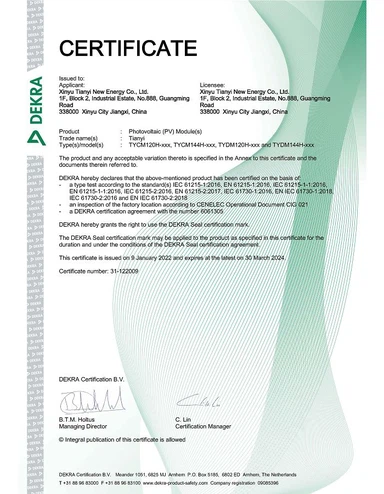
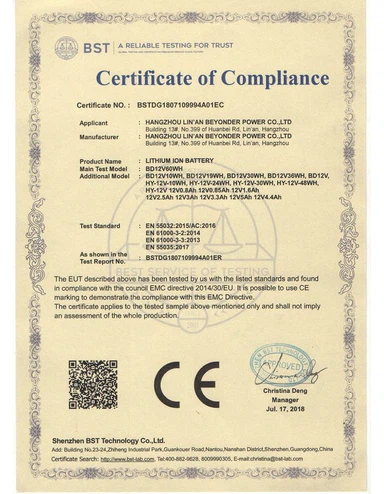
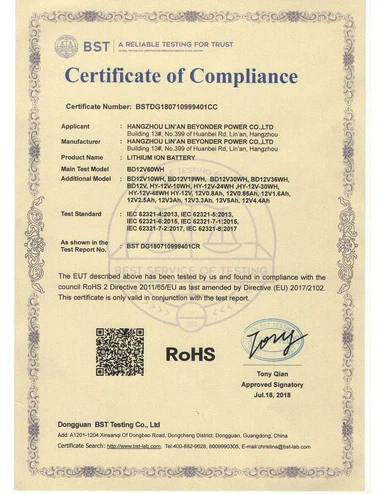
Certifications




Our Factory
MECC has become a world well-known brand,successfully developed and manufactured powerwall ,Li-Ion Battery Pack ,solar energy system Residential Energy Storage System .Since then, MECC's products have supported renewable energy enthusiasts and production facilities around the world, now covering more than 140 countries, establishing itself as an unshakable leader in the solar energy systems industry.


FAQ
We're well-known as one of the leading hybrid solar system manufacturers and suppliers in China. If you're going to wholesale custom made hybrid solar system with competitive price, welcome to get more information from our factory.
batteries for residential solar systems, residential battery energy storage system, battery for pv system