


Half Cell Solar Panel
Durable Half Cell Solar Panel: Factory Direct Supply with 25-Year Warranty
A half-cell solar panel is a type of solar module that uses half-cut solar cells. Half-cut solar cells are conventional photovoltaic cells that are cut in half, which helps in reducing the electrical losses and improving the panel's performance. Half-cut design reduces the current passing through individual cells, improving the overall efficiency of the panel. By increasing the number of busbars (metal strips that conduct the electrical current) on both sides of each solar cell, the total current path is increased, minimizing electrical losses and increasing the module's efficiency.


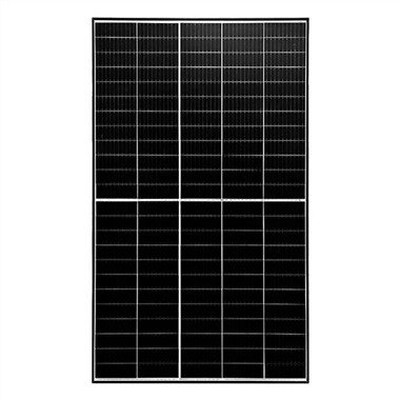


High Efficiency
Half cell solar panels have high efficiency due to their structure and design. They are comprised of two halves, which reduces the electrical resistance and increases the energy output.
Improved Performance at High Temperatures
Half-cell solar panels perform better at high temperatures compared to conventional solar panels, which allow them to produce more energy in warmer areas.
Greater Shade Tolerance
Half-cell solar panels have a better shade tolerance compared to conventional solar panels. The panel's individual cells are connected separately, and if any cell gets shaded, the others can still produce energy.
Higher Durability
Half-cell solar panels are more durable than conventional solar panels due to their design and the use of advanced materials, which includes tempered glass, aluminum frames, and corrosion-resistant materials.
Increased Lifespan
Half-cell solar panels have a longer lifespan than conventional solar panels. They are built to withstand harsh weather conditions, including high wind speeds, heavy snow, and extreme heat, which ensures that they last for a long time.
Efficient Power Generation
Half-cell solar panels generate more power than conventional solar panels. They are ideal for large commercial and residential applications, which require high power output.
What are the Applications of Half Cell Solar Panel
Small Electronic Devices
Half cell solar panels are commonly used to power small electronic devices such as calculators, keyboards, and other low-power devices.

Residential Rooftop Systems
Half cut cell solar panels can be used in residential rooftop solar systems, as they are highly efficient at generating electricity from the sun and can help homeowners save on their energy bills.

Off-Grid Power Supply
Half cell solar panels are used to generate power for off-grid applications such as remote cabins, campsites, and other locations where grid power is not available.

Street Lighting
Street lighting systems powered by half cell solar panels are becoming increasingly popular in many cities around the world as they provide a sustainable and cost-effective solution for lighting.

Agricultural Irrigation
Irrigation systems used in agriculture are powered by solar panels. Half cell panels are ideal for use in these applications, which require a reliable and constant source of power.

Transportation
Half cell solar panels can be used to power electric cars and buses, significantly reducing greenhouse gas emissions and dependence on fossil fuels.
Types of Half Cell Solar Panel
Monocrystalline half cell solar panels
These panels use single-crystal silicon cells that are sliced into thinner wafers to reduce the amount of material needed for each cell. This increases the efficiency of the panel because the smaller cells are less prone to shading and can generate more power from the same amount of sunlight.
Polycrystalline half cell solar panels
These panels use multiple silicon cells that are fused together to form a single panel. While less costly to produce than monocrystalline panels, polycrystalline panels are generally less efficient because the cells are larger and more prone to shading.
Half Cell Solar Panel Material
Half-cut solar cell modules are not a technology developed with new and innovative chemical components added to the cell. Actually, the half-cut solar cell technology is based on the traditional crystalline silicon (c-Si) solar cells.
Cutting cells
The first step in fabricating half-cell solar panels is cutting the solar cells into halves or thirds.
Cleaning and soldering
The individual solar cells are then cleaned thoroughly using industrial solvents and soldered together using interconnect ribbons.
Mounting on the substrate
Next, the half-cells are mounted onto a substrate with clear adhesive to form a full-sized solar panel.
Wiring
After the solar cells are mounted onto the substrate, they are wired to form a complete circuit by connecting the interconnect ribbons to the busbars.
Encapsulation
Once the wiring is complete, the solar panel is encapsulated to protect it from harsh environmental elements. Encapsulation involves adding a layer of ethylene-vinyl acetate (EVA) between the cells and a glass layer, which are sandwiched between two layers of polymer backsheet.
Testing
Finally, the half-cell solar panel undergoes rigorous testing to ensure that it meets the stringent quality standards set by the industry. The testing involves checking the performance parameters such as maximum power output, current, and voltage, and ensuring that there are no defects or damage to the components.
Maintenance Tips for Half Cell Solar Panel
Keep the panel clean
Regular cleaning of half cell solar panels is essential to maintain their efficiency and productivity. Dust, debris, and bird droppings can accumulate on the panels, blocking sunlight and reducing their output. Cleaning the panels with water and a soft brush or cloth every six months will help keep them in top condition.
Check for cracks or damage
Inspect the panels regularly for cracks or damage to the glass or frames. Such damage can lead to moisture penetration and electrical shorts. If any damage is found, it is crucial to have it repaired by a professional as soon as possible.
Monitor the wiring and connections
Check the wiring and connections of the half cell solar panel to ensure there are no loose or corroded connections. Damaged wiring or connections can affect the panel's output and pose a safety hazard.
Protect the panels from extreme weather conditions
Half cell solar panels are designed to withstand harsh weather conditions; however, extreme weather events such as storms or heavy snowfall can damage or break the panel's components. To avoid such incidents, make sure to install the panels in a location with minimal exposure to extreme weather.
Regularly monitor the output
Keep a regular check on the half cell solar panel's output to ensure everything is functioning well. Any significant drop in output could indicate a fault in the system, and it is essential to have it checked by a professional immediately.
How Do Half-Cut Solar Cells Work?
Half-cut solar cell technology boosts the energy production of solar panels by lowering cell size, allowing more cells to fit on the panel. The panel is then divided in half so that the top runs independently of the bottom, generating more energy even if one part is shaded.Traditional monocrystalline solar panels typically feature 60 to 72 solar cells, therefore cutting those cells in half improves the number of cells. Half-cut panels typically feature 120 to 144 cells and are built with PERC technology, which provides improved module efficiency.
A laser is used to carefully chop the cells in half. By halving the current within the cells, resistive losses from transporting energy via current are decreased, resulting in improved performance. Because the solar cells are sliced in half and hence smaller in size, there are more cells on the panel than on regular panels. The panel is then divided in half so that the top and bottom halves act as two independent panels, producing electricity even if one half is shaded.
The key to half-cut cell design is a distinct form of panel "series wiring," or how the solar cells are linked together and send power through a bypass diode within a panel. The bypass diode, shown by the red line in the figures below, transports the power generated by the cells to the junction box.
How to Choose Half Cell Solar Panels
Determine Your Energy Needs
The first step in choosing the right solar panels is to determine how much energy you need to generate. Consider your current electricity usage and how much you would like to offset with solar energy. This will help you decide how many solar panels you need and what type of system is best for you.
Consider the Type of Solar Panels
When comes to the types of solar panels, there are mainly three types available in the market: Polycrystalline, Mono PERC, and Half-Cut. Each type has its own advantages and disadvantages, making it important to choose the right type according to your budget, energy needs, and the amount of sunlight you expect to get.
Look for Quality Solar Panels
The quality of Solar PV Modules can vary depending on the manufacturer. Look for Solar Panels that have a good warranty period, typically 25 years. The warranty should cover defects and performance issues. You can also check the reviews and ratings of the Solar Panel Manufacturer online to ensure that they are reputable.
Check the Solar Panel Efficiency
When choosing Solar Panels, look for ones that are high-efficiency. This means they can convert more of the sun's energy into usable electricity. High-efficiency panels will generate more electricity with fewer panels, so they are a great option if you have limited space.
Consider the Location
The location where you live will have an impact on the type of Solar Panels you should choose. If you live in a hot and sunny area, you'll want to look for panels with a higher temperature rating. If you live in a cooler climate, you may want to look for panels with a lower temperature rating.
Think about the Cost
Solar Panels can be expensive, so it's important to consider the cost before making a purchase. Look for Solar Panels that offer the best value for your money. Compare the cost of the panels with the amount of electricity they will generate to make sure you're getting a good deal.
The PV temperature coefficient indicates how temperature change affects a panel's efficiency. It is expressed as a percentage per degree Celsius and represents the decrease in power output for every degree above a reference temperature (usually 25°C). For example, a temperature coefficient of -0.3% / °C would mean that the panel's output decreases by 0.3% for every degree above 25°C.
As photovoltaics heat up, their efficiency decreases due to increased electrical resistance within the cells. A lower temperature coefficient means the panel's performance is less susceptible to temperature increases, making it a desirable characteristic when comparing different panels.
Solar panels generally last around 25 to 30 years before diminishing in output capacity by about 20%. Any panel you purchase should be resistant to harsh weather — an IP68 waterproof rating indicates durability. Solar panels rarely require maintenance, as there are no moving parts. It is a best practice to keep your panels free of dirt and debris. Inspect and clean them at least every six months with a soft, lint-free cloth and gentle soap. Never clean PV panels with harsh chemicals.
Our Factory
MECC has become a world well-known brand,successfully developed and manufactured powerwall ,Li-Ion Battery Pack ,solar energy system Residential Energy Storage System .Since then, MECC's products have supported renewable energy enthusiasts and production facilities around the world, now covering more than 140 countries, establishing itself as an unshakable leader in the solar energy systems industry.


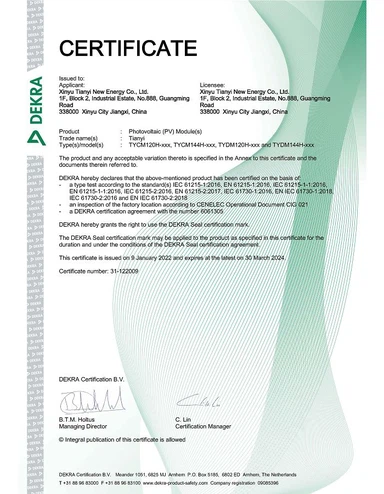
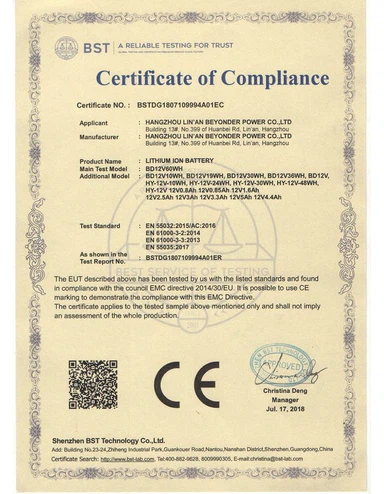
Our Certificate




FAQ
Q: Are half-cell solar panels better?
Q: What is a split cell solar panel?
Q: What is the difference between half-cells and full cells?
Q: How efficient are half-cell solar panels?
Q: What is the benefit of half cut cell solar panels?
Q: What are the 3 types of solar panels?
Q: Why do we use half cut solar panels?
Q: What is the purpose of a half-cell?
Q: Which is better monocrystalline or polycrystalline solar panels?
Q: Are solar panels with more cells better?
Q: How do half cut solar cells improve panel performance?
Q: Why are solar panels only 20 efficient?
Q: What is the difference between mono and half cut solar panel?
Q: What is the voltage of a half cut solar panel?
Q: How many solar panels does it take to power a house?
Q: Why do half-cells need to be neutral?
Q: What is the connection between two half-cells?
Q: Why two half-cells are used in galvanic cell?
Q: What does a half-cell contain?
Q: What type of solar panel lasts the longest?
We're well-known as one of the leading half cell solar panel manufacturers and suppliers in China. If you're going to wholesale custom made half cell solar panel with competitive price, welcome to get more information from our factory.
high efficiency solar panels, solar heating panels, thin film solar panels