


Bifacial Solar Panel

High-efficiency Bifacial Solar Panel Wholesale Supplier
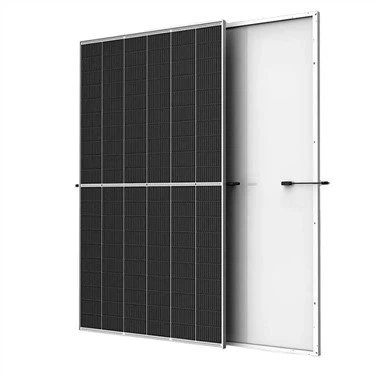
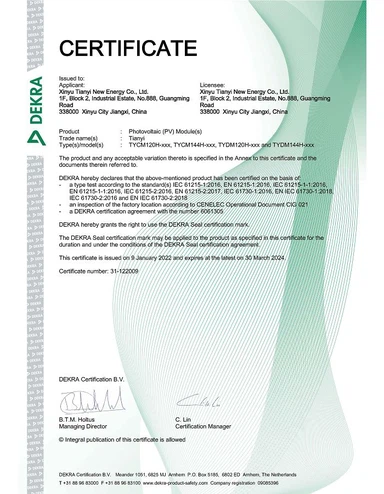
MECC bifacial solar panels are renowned for their high efficiency, durability and stability. The product has passed IEC, TÜV, UL and other international authoritative certifications, ensuring compliance with quality standards in global markets. The advanced cell interconnection technology adopted effectively reduces the power loss of the panel, and the service life can reach more than 25 years, with a power attenuation rate of less than 2% in the first year and less than 0.5% per year after that. As a wholesale supplier, we have an annual production capacity of 2GW, which can ensure timely delivery of bulk orders. We also provide one-stop after-sales support, including installation guidance, technical training and quality assurance services, to create a worry-free procurement experience for global distributors and project contractors.
Bifacial Solar Panel Latest Price, Manufacturers & Suppliers
More efficient: Bifacial panels are more efficient since they generate energy from both sides. The efficiencies are exceptionally high for monocrystalline cells and Passivated Emitter and Rear Cell (PERC) bifacial panels.
They take up less space: Due to their high efficiency, homeowners need fewer PV modules for home energy needs. Therefore, they take up less space than other monocrystalline and polycrystalline cells. Also, bifacial panels are usually installed vertically or at a tilted angle, thus requiring less space.
They can withstand snowy climates: Bifacial panels are ideal even in snowy climates since they absorb light from the back side when the front side is covered with snow. They don't accumulate much snow when installed vertically or at a tilted angle.
More durable: Bifacial panels are more durable thanks to their double-sided tempered glass. The lack of a frame is also one less component to potentially be damaged.
Discourage pests: Because they're installed vertically or at steep angles, there's no space for pests such as birds and rodents, which can destroy the solar system.


Best Uses For Bifacial Solar Panels

Ground-mounted solar farms: Bifacial panels are ideal for large-scale solar farms placed on open land or in solar fields where they can use trackers to increase energy production.
Rooftop installations: Bifacial panels can be used on commercial or industrial rooftops, especially those with reflective surfaces like white or metal roofs. They can take advantage of both direct sunlight and reflected light to generate more electricity.
Carports and solar canopies: Bifacial solar panels can be integrated into carports and solar canopies in parking lots. They panels serve dual purposes by providing shaded parking spaces while also generating electricity from sunlight and reflected light.
Floating solar arrays: Bifacial panels are suitable for floating solar installations on bodies of water such as reservoirs, ponds, and lakes. The water's reflective surface enhances their energy capture.
Agricultural applications: Bifacial panels can be installed on farms, above crops, or on the perimeters of fields.
Urban environments: Bifacial panels can be used in urban settings where vertical surfaces, like noise barriers along highways or building facades, can benefit from the reflected sunlight to maximize energy production in limited space.
Desert regions: In desert areas with high sunlight intensity and reflective surfaces like sand, bifacial solar panels are especially effective, as they can capture both direct sunlight and reflected light from the sand.
Snowy climates: Bifacial panels can perform well in snowy regions, as the snow's reflectivity can enhance their energy generation during winter months.
Portable and temporary installations: Bifacial panels can be used for temporary installations such as events, construction sites, disaster relief, or military deployments, where flexibility and energy efficiency are crucial.
Tips for Installation of Bifacial Solar Panels
Site Selection: Choose a location with a high albedo, such as light-colored gravel or sand, which will reflect more sunlight onto the back of the panels. Avoid dark surfaces that absorb light.
Mounting Height and Tilt: Determine the appropriate mounting height and tilt angle to maximize exposure of the back side of the panels to reflected light. Higher mounts can increase the reflection angle and enhance bifacial gains.
Row Spacing: Maintain adequate row spacing to minimize shading of the rear side of one row by the front side of the adjacent row. This spacing will depend on the specific design and size of the panels.
Ground Cover: Use light-colored, non-absorptive materials under the panels to reflect light upwards. Avoid using grass or other vegetation directly under the panels as they can absorb and block sunlight.
Orientation: Although east-west orientations can be beneficial for bifacial panels due to their ability to capture sunlight throughout the day, south-facing installations in the Northern Hemisphere may still provide the best overall energy yield.
Panel Placement: Position the panels perpendicular to the direction of the most significant reflection source if possible, to maximize the light received on the back side.
Wiring and Connections: Ensure that all electrical components, including wiring and connectors, are properly rated for outdoor use and are installed to prevent moisture ingress and corrosion.
Inverter Compatibility: Make sure that the inverter or microinverter system is compatible with bifacial panels and can handle the additional energy they produce.
System Monitoring: Integrate monitoring systems to track the performance of the bifacial panels. This will help identify any issues early and quantify the additional energy yield from the back side.
Professional Installation: Consider hiring experienced professionals for the installation to ensure that all aspects are handled correctly, from site preparation to final system commissioning.
Regulatory Compliance: Adhere to local building codes, permitting requirements, and electrical safety standards during installation.
Maintenance Access: Plan for easy access to the panels for cleaning and maintenance without causing damage to the system or risking personal injury.
A bifacial solar panel is composed of several key components, each designed to optimize its dual-sided power generation capabilities. Here's a breakdown of its structure.
Solar Cells: These are the fundamental units that convert sunlight into electricity. In a bifacial panel, both the front and back surfaces are coated with photovoltaic (PV) material, typically silicon. The cells on the front face the sun to capture direct sunlight, while those on the back capture diffused and reflected light.
Glass Cover: The top layer is a tempered glass sheet that protects the front side of the solar cells from environmental factors like wind, rain, and debris. This glass is engineered to be highly transparent to visible and near-infrared light, allowing maximum sunlight to reach the cells.
Encapsulants: Between the glass cover and the solar cells, as well as between the cells and the back sheet, there are layers of encapsulant. These are usually made of ethylene vinyl acetate (EVA) or another polymer that seals and protects the cells, providing insulation and preventing moisture ingress.
Back Sheet: The back side of the panel is covered with a back sheet, which, unlike in traditional monofacial panels, is made of a transparent material. This allows light to pass through and reach the rear-mounted solar cells. The back sheet must be durable to protect against environmental elements and must have good electrical insulation properties.
Frame: Most solar panels have an aluminum frame that provides structural rigidity and protection to the edges of the glass. The frame also serves as a mounting point for attaching the panel to support structures.
Junction Box: Located on the back of the panel, the junction box contains diodes that prevent reverse current flow when the panel is in shadow. It is also where the wires connecting the individual solar cells are bundled together before exiting the panel.
Cables and Connectors: Wires run from the junction box to the rest of the electrical system. High-quality cables and connectors are essential to ensure safe and efficient power transfer.
Bonding Wire: Small bonding wires are used to electrically connect the individual solar cells on the front and back sides. These are crucial to create an uninterrupted path for electrons to flow when photons are absorbed.
Reflectors: Some bifacial solar panel installations may include reflectors or light guides beneath the panels to increase the amount of light reaching the back side of the cells. This is particularly effective in flat or low-albedo environments.
What is the future outlook for bifacial solar panels?
Improved Efficiency: Bifacial technology offers a clear pathway to higher efficiencies compared to traditional monofacial panels. As research continues, we can expect further improvements in cell design, materials, and manufacturing processes, leading to even more efficient bifacial panels.
Cost Reductions: As with any maturing technology, economies of scale and technological advancements are expected to reduce the cost of bifacial solar panels over time. This will make them more competitive with monofacial panels and could accelerate their market penetration.
Increased Energy Yield: Bifacial panels can generate more electricity than monofacial panels under the same conditions due to their ability to harvest light from both sides. This additional yield makes them attractive for applications where land or space is limited.
Integration with Energy Storage: The growing integration of energy storage solutions with solar PV systems creates opportunities for bifacial panels to provide a more consistent power supply. Their enhanced efficiency can contribute to reducing the size and cost of energy storage systems required.
Adaptability to Various Environments: Bifacial solar panels are versatile and can adapt to different types of installations, including ground-mounted systems, floating solar farms, and building-integrated photovoltaics (BIPV). Their suitability for a wide range of applications broadens their potential market.
Policy Support and Incentives: Governments around the world are implementing policies to promote renewable energy sources, which could include incentives specifically for more efficient technologies like bifacial solar panels.
Research and Development: Continuous R&D efforts are focusing on improving bifacial panel performance, such as the development of new reflective materials and surface textures to increase the amount of light reaching the rear cells.
Market Dynamics: The shift towards greener energy solutions and the global commitment to reducing carbon emissions are creating a favorable environment for the growth of bifacial solar panels.
Are there any specific maintenance requirements for bifacial solar panels?
Cleaning: Both the front and back surfaces of bifacial panels should be kept clean to maximize their efficiency. Dust, snow, or debris can accumulate on the back side, especially if the panels are installed close to the ground or on uneven terrain. Regular cleaning might be necessary to maintain optimal performance.
Mounting Height: If the panels are mounted at a lower height to facilitate bifaciality, they may be more susceptible to shading and physical damage from animals or human activities. Higher mounting can reduce these risks but may also increase the cost of installation.
Albedo Management: The reflectivity of the surface below bifacial panels can significantly affect their performance. Ensuring that the ground or surface underneath has a high albedo can enhance the yield from the rear cells. This might involve using light-colored materials or regularly maintaining the surface to preserve its reflectivity.
Monitoring: Since bifacial panels can have variable outputs depending on factors such as tilt angle, ground clearance, and albedo, it might be beneficial to invest in monitoring systems that track panel performance. This data can help in optimizing maintenance schedules and identifying any issues early on.
Installation Quality: Proper installation is crucial for the performance and longevity of bifacial panels. Ensuring that the panels are level, securely fastened, and correctly aligned can minimize the need for maintenance and repairs.
Regular Inspections: Visual inspections should be conducted periodically to check for any signs of wear, tear, or damage to the panels, frames, and mounting hardware. This includes looking for cracks, discoloration, or degradation of the encapsulants and back sheets.
Weather Considerations: Depending on the location, bifacial panels might need additional protection from extreme weather conditions, such as high winds, heavy snow loads, or hail. This could involve reinforcing mounting structures or choosing panels with enhanced durability.
Warranty and Service: Understanding the warranty terms for bifacial panels is important. Some manufacturers may offer specific warranties related to bifacial performance, which could impact maintenance requirements and responsibilities.
Certifications






Our Factory
MECC has become a world well-known brand,successfully developed and manufactured powerwall ,Li-Ion Battery Pack ,solar energy system Residential Energy Storage System .Since then, MECC's products have supported renewable energy enthusiasts and production facilities around the world, now covering more than 140 countries, establishing itself as an unshakable leader in the solar energy systems industry.


FAQ
We're well-known as one of the leading bifacial solar panel manufacturers and suppliers in China. If you're going to wholesale custom made bifacial solar panel with competitive price, welcome to get more information from our factory.
portable power station with solar panel, 165 watt solar panel, Mono Bifacial Solar Panel