




















TOPCON N Type Bifacial Solar Panel:
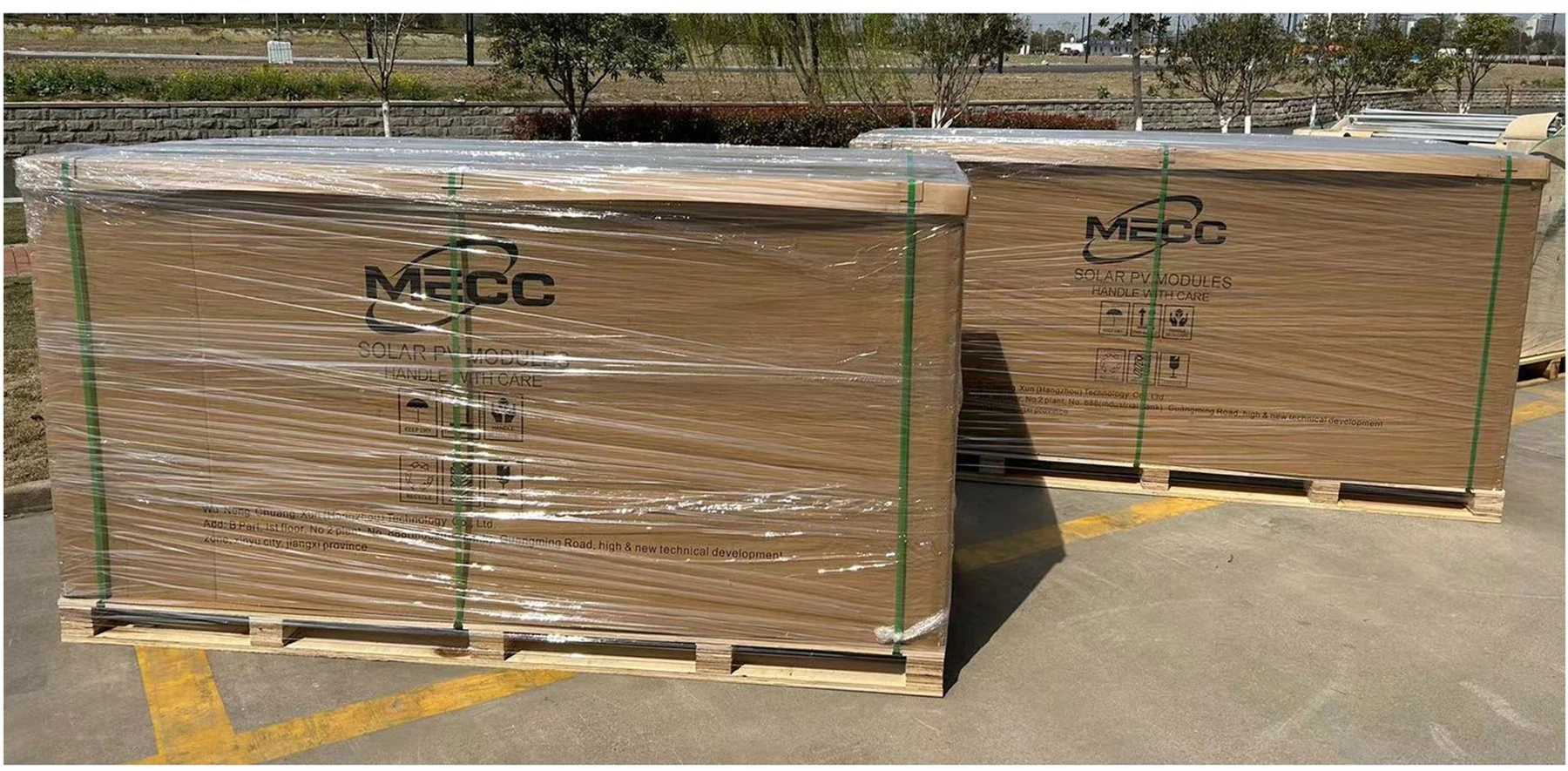
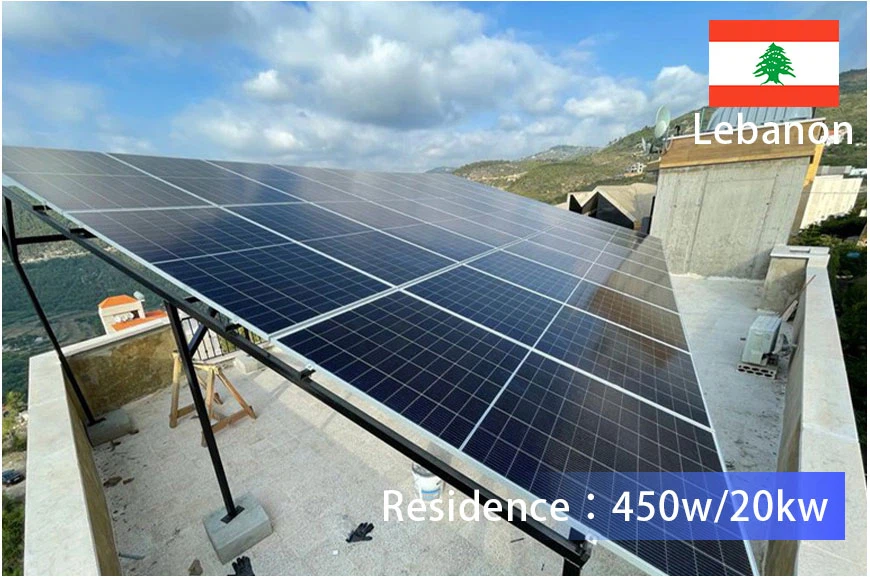
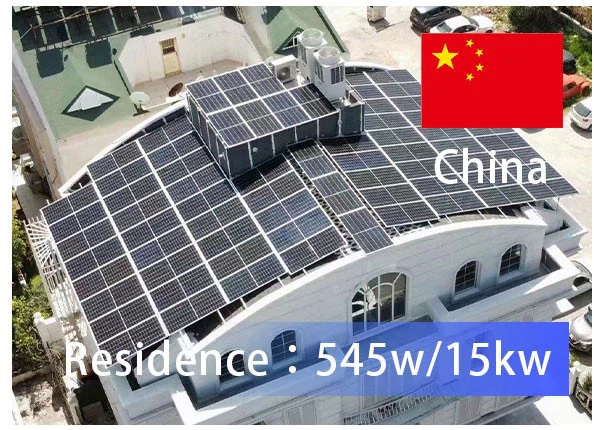
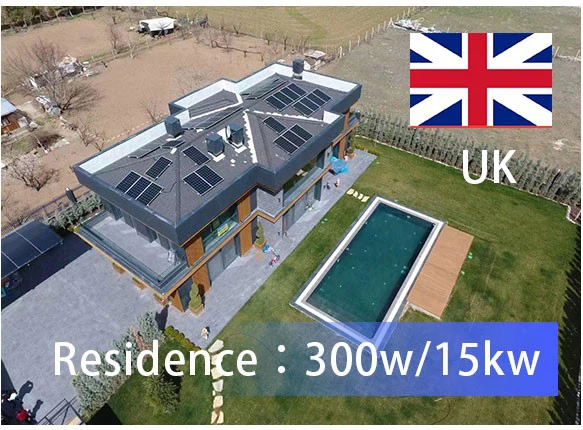
Power : 590 W-710W
Power tolerance : 0 to +5 W
Warranty : 30 years
CE/TUV/ISO/intertek
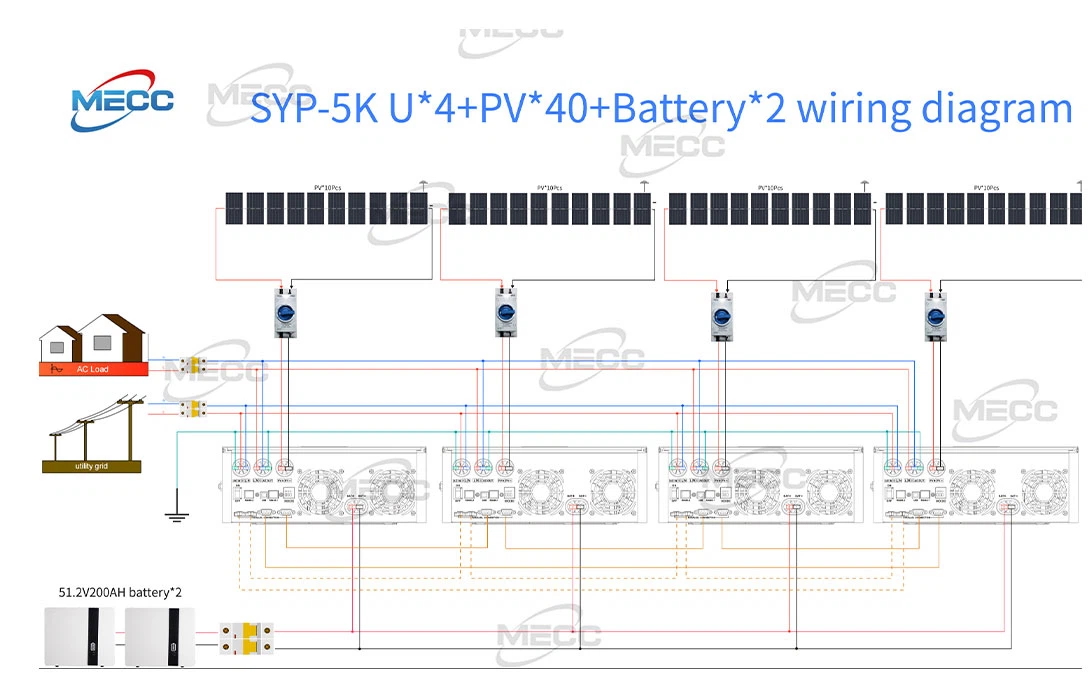
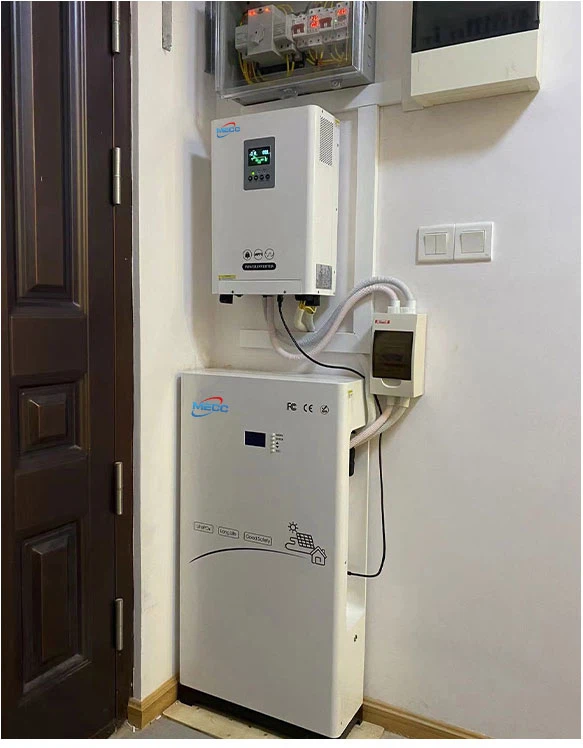
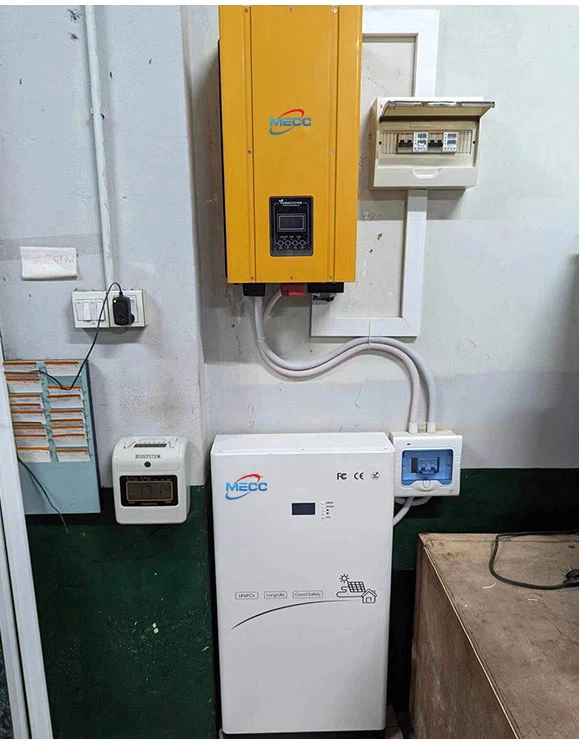
Inverter power : 3-30 kW
Output : Single phase 220/230V Split Phase 120/240V
IP21 Warranty : 2 years
IP65 Warranty : 5 years
CE/TUV/EN-50549
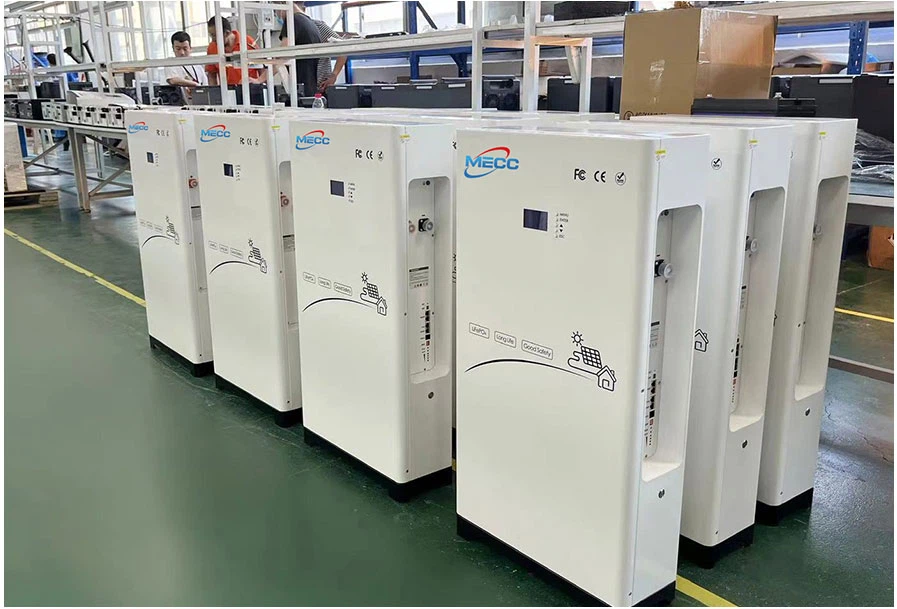
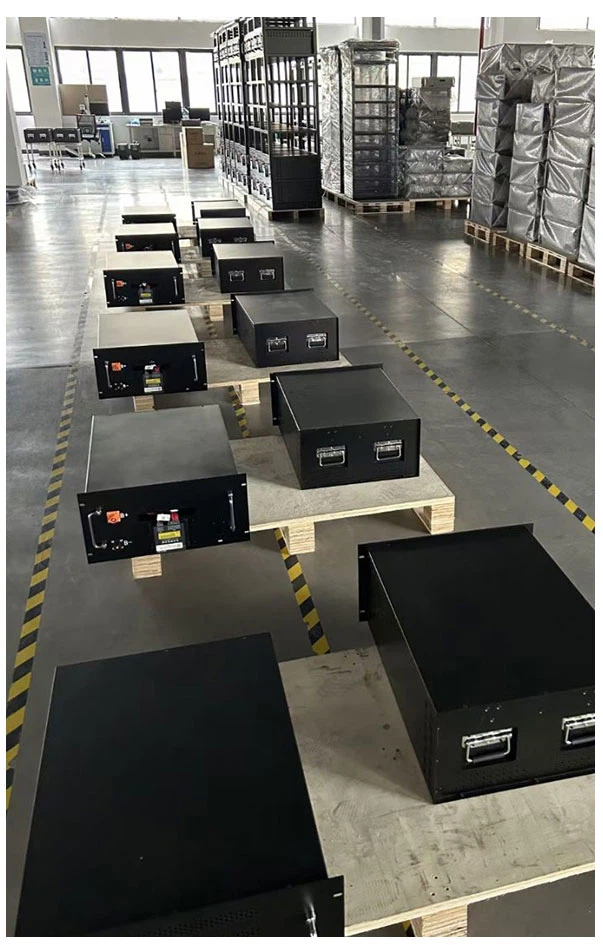
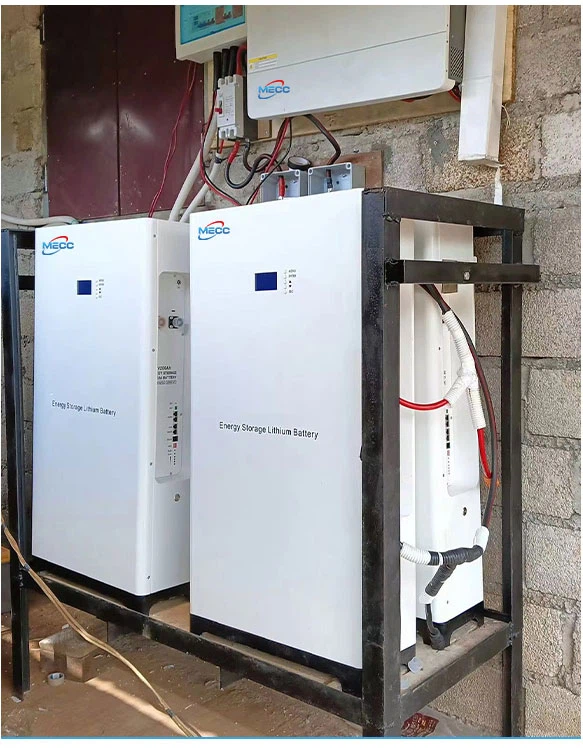
LiFePO4 Battery Power : 5-60 KWH (0.5C)
Battery Voltage : 48/51.2V 100-314AH
Cycle times :6000+
Warranty : 5 years
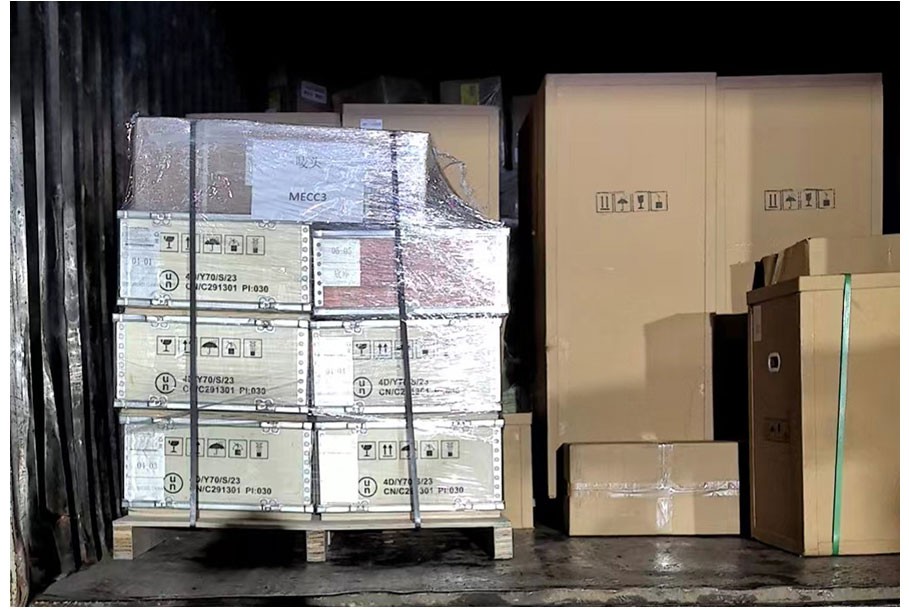
CE/MSDS/UN38.3
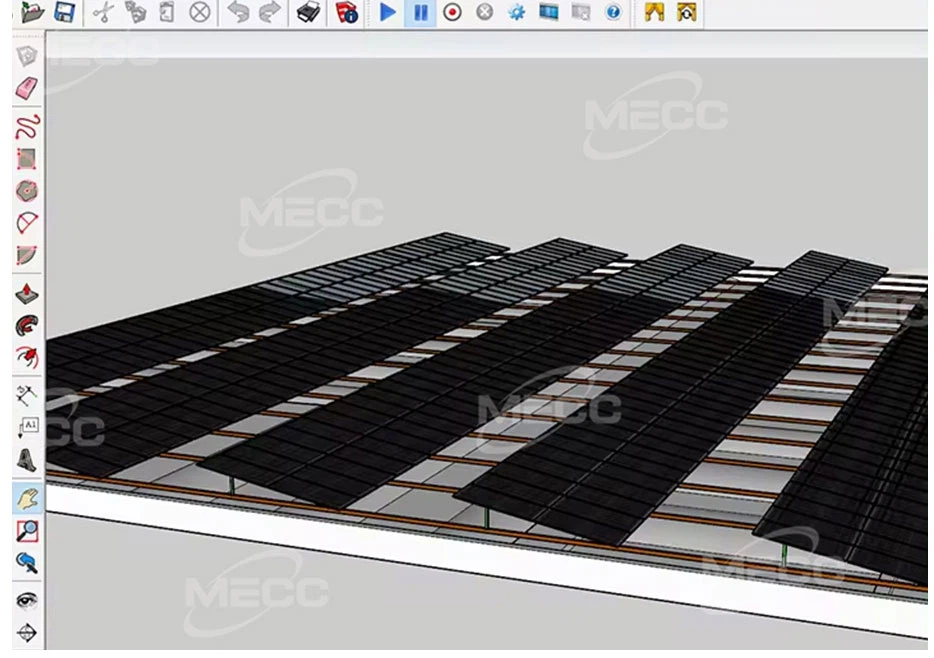
Solar Panels
Purpose: Convert sunlight into direct current (DC) electricity, serving as the primary energy source.
Specifications: Typically includes 25–30 high-efficiency monocrystalline panels (330W–400W each), totaling 10kW of peak output. For example, 25 × 400W panels generate 10,000W under full sunlight.
Advantages: Monocrystalline panels offer 18–22% efficiency, perform well in low light (cloudy days, dawn/dusk), and feature weather-resistant frames (anti-corrosion, hail-resistant glass) for durability in outdoor conditions.
Mounting: Rooftop or ground-mounted racks, tilted to match local latitude (maximizing sun exposure) with optional tracking systems (increasing energy capture by 10–20% in sunny regions).
MPPT Charge Controller
Purpose: Regulate power flow from solar panels to batteries, preventing overcharging and optimizing energy harvest.
Key Feature: MPPT (Maximum Power Point Tracking) technology adjusts voltage/current to extract up to 30% more energy than basic PWM controllers-critical for maximizing storage in variable sunlight (e.g., partial cloud cover).
Sizing: A 100–150A controller (e.g., 120A) handles the 10kW panel output, ensuring efficient charging even during peak production.
Battery Bank
Purpose: Store excess solar energy for use at night, during cloudy weather, or high-demand periods.
Chemistry: Lithium iron phosphate (LiFePO4) batteries are preferred for their long lifespan (3000–6000 deep cycles), high depth of discharge (DoD = 80–100%), and low self-discharge (2–3% monthly). They outlast lead-acid batteries (300–500 cycles, DoD = 50%) by 5–10x.
Capacity: 20–40kWh of storage to cover 2–3 days of energy use (critical for extended cloudy spells). For example:
4 × 51.2V 200AH LiFePO4 batteries (10.24kWh each) = 40.96kWh total.
8 × 51.2V 100AH LiFePO4 batteries (5.12kWh each) = 40.96kWh total.
Voltage: 48V or 51.2V systems reduce wiring losses and current, making them more efficient for 10kW setups than 12V/24V alternatives.
FAQ
What is the impact of solar energy on the insurance industry?
The growth of solar energy has led to changes in the insurance industry. Insurance policies for homes and businesses with solar installations need to cover not only the property itself but also the solar system. This includes coverage for physical damage to the panels, inverters, and other components, as well as liability in case of electrical accidents. Some insurers offer specialized solar insurance policies with additional features, such as coverage for loss of power generation due to equipment failure or natural disasters. As the solar industry evolves, insurers are constantly adjusting their policies to address the unique risks and needs associated with them.
Hot Tags: 10kw solar power system off grid hybrid, China 10kw solar power system off grid hybrid manufacturers, suppliers
Send Inquiry


