















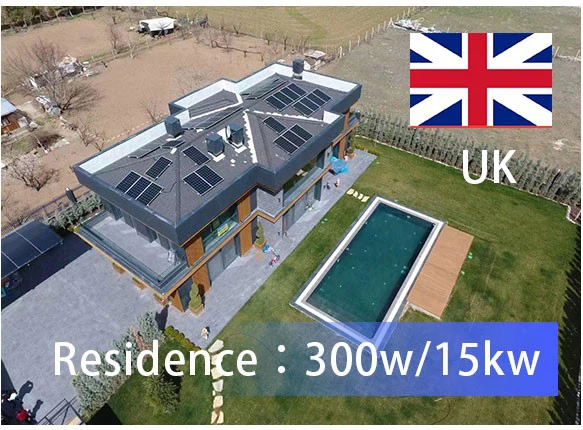



TOPCON N Type Bifacial Solar Panel:
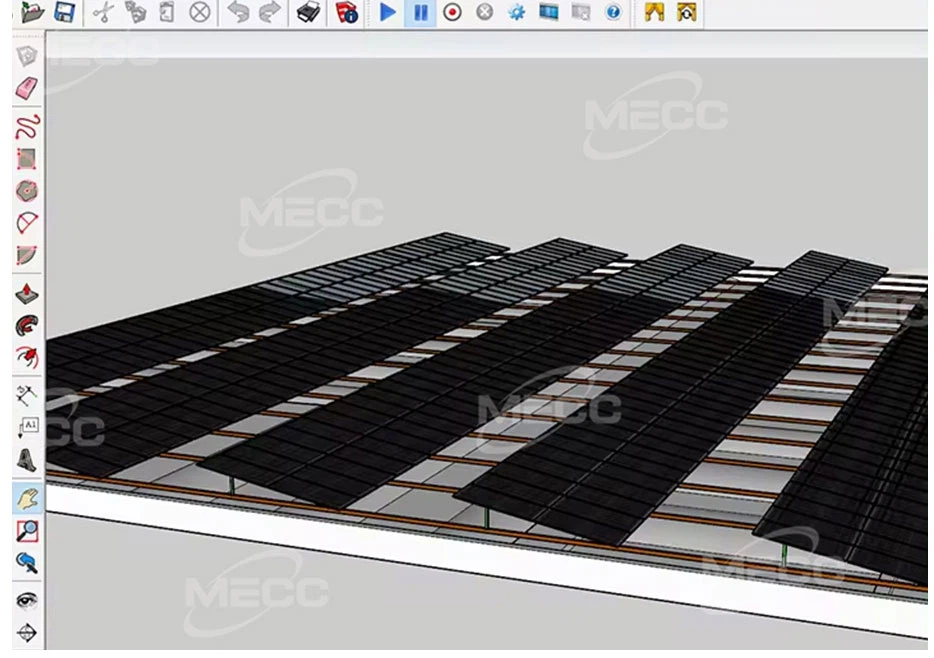
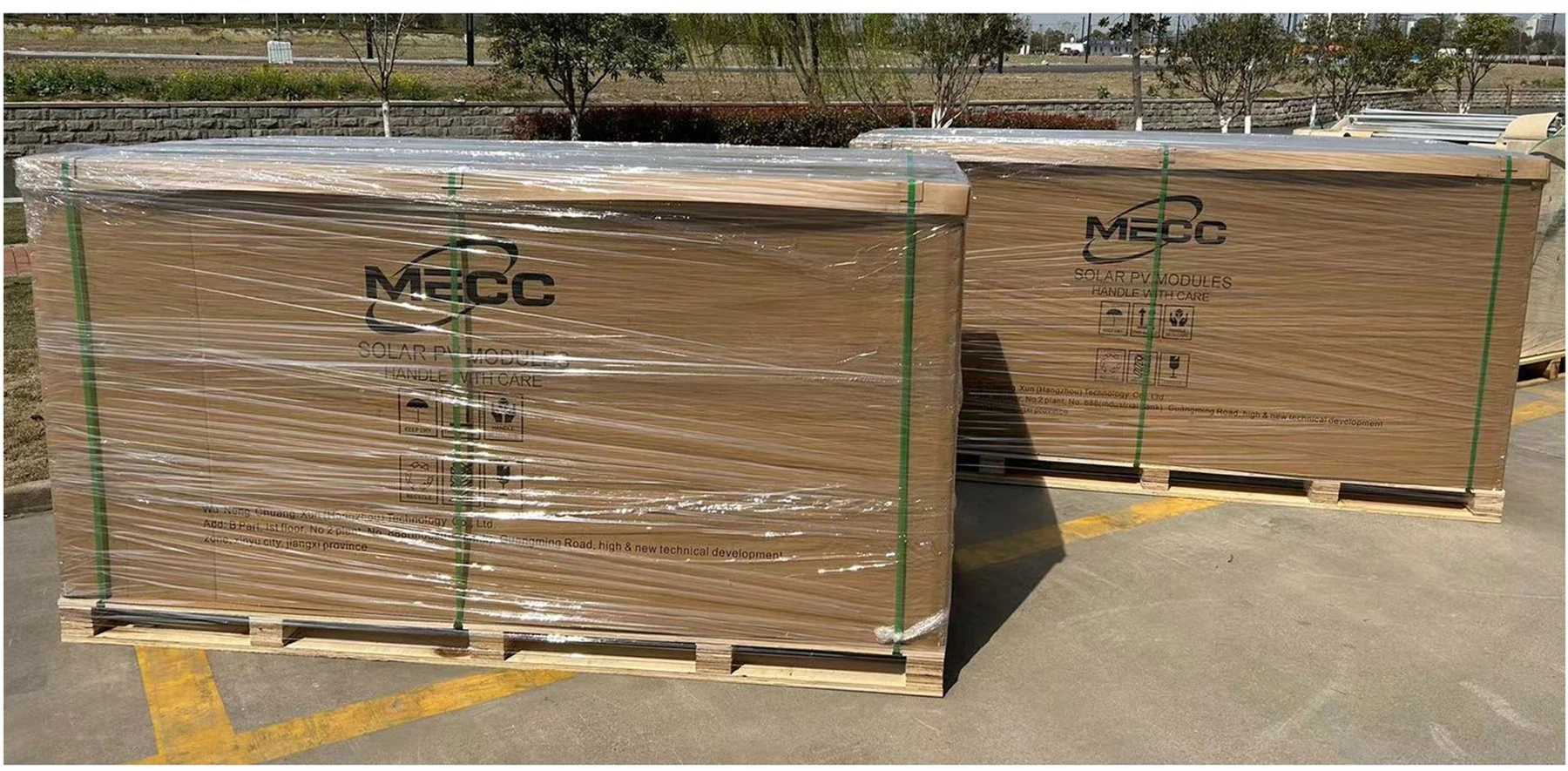
Power : 590 W-710W
Power tolerance : 0 to +5 W
Warranty : 30 years
CE/TUV/ISO/intertek
Inverter power : 3-30 kW
Output : Single phase 220/230V Split Phase 120/240V
IP21 Warranty : 2 years
IP65 Warranty : 5 years
CE/TUV/EN-50549
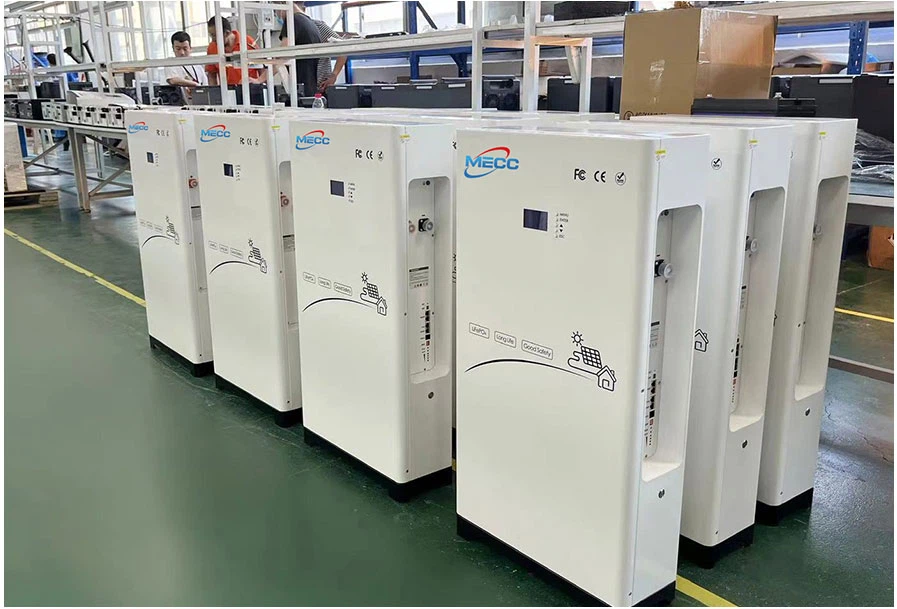
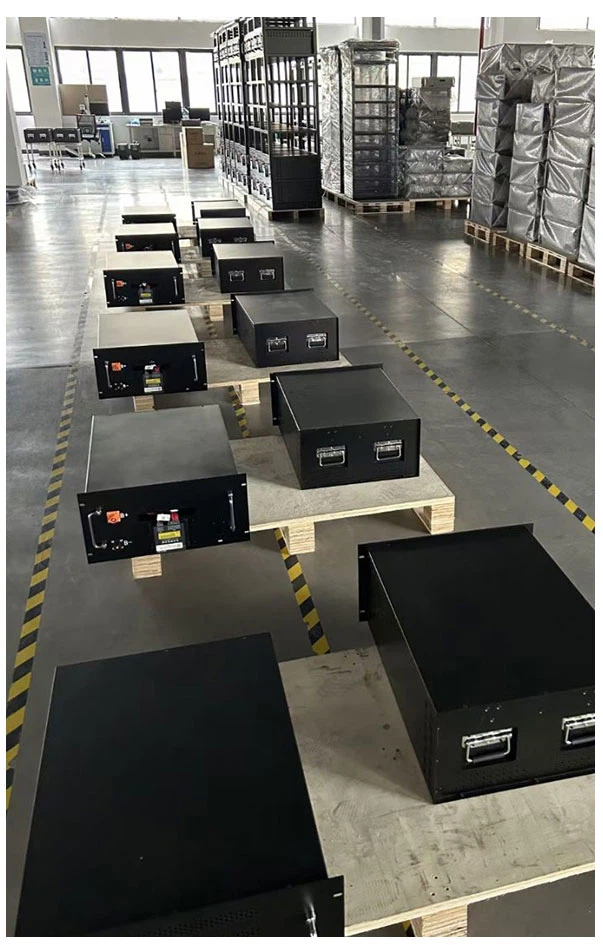
LiFePO4 Battery Power : 5-60 KWH (0.5C)
Battery Voltage : 48/51.2V 100-314AH
Cycle times :6000+
Warranty : 5 years
CE/MSDS/UN38.3
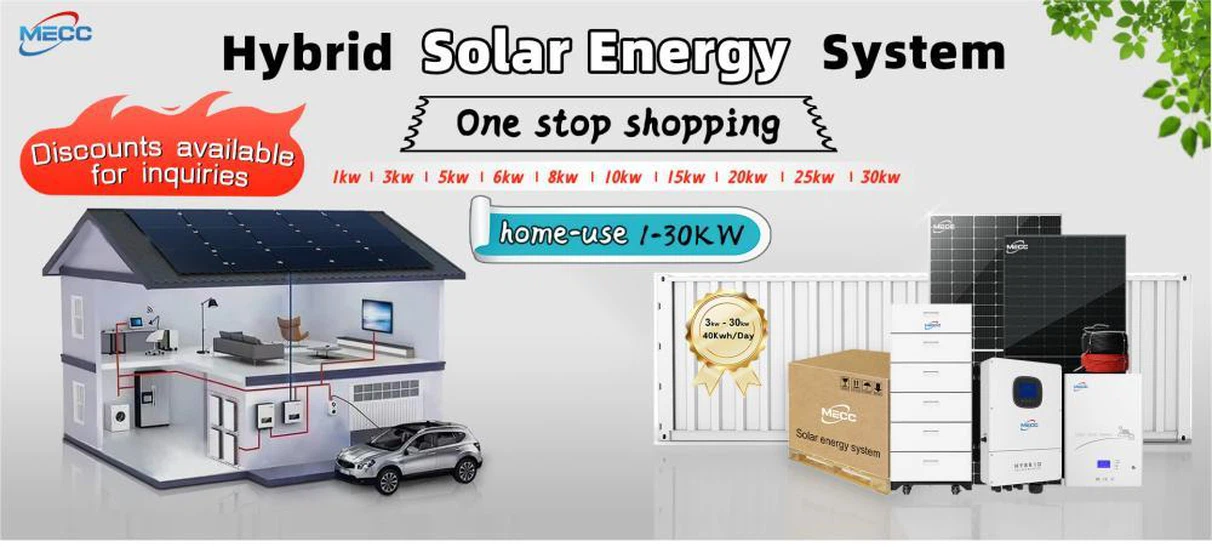
Solar Panels: High-efficiency (22–23%) monocrystalline or bifacial panels (typically 3–15kW) that capture sunlight to generate DC electricity. Panel quantity depends on energy needs-e.g., a 5kW system uses 12–15 x 400W panels.
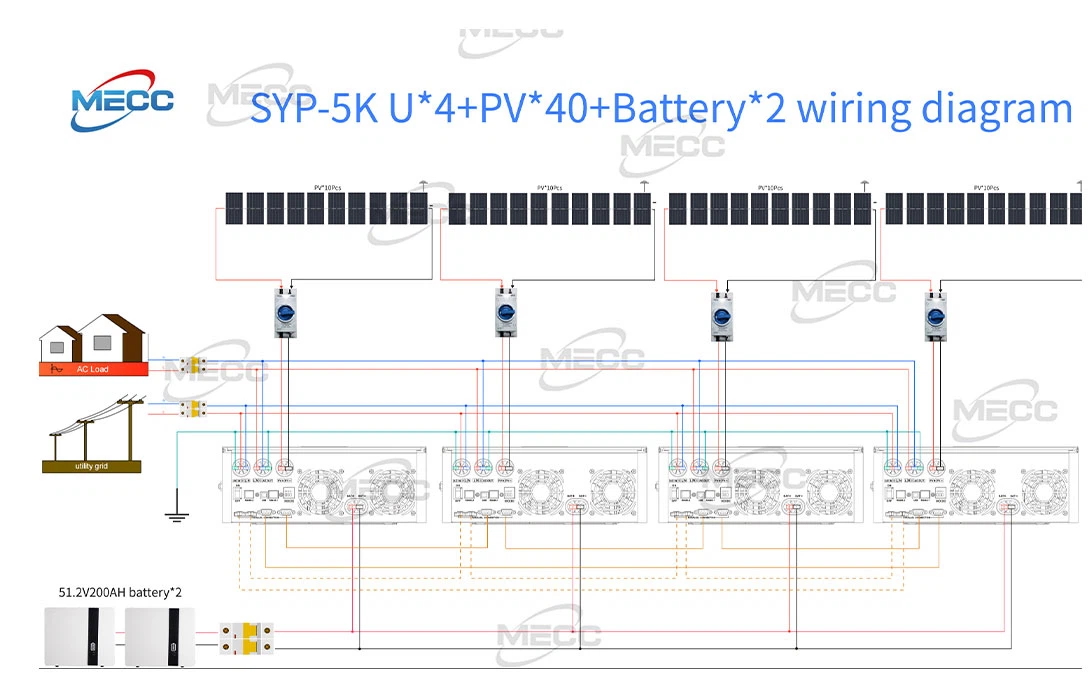
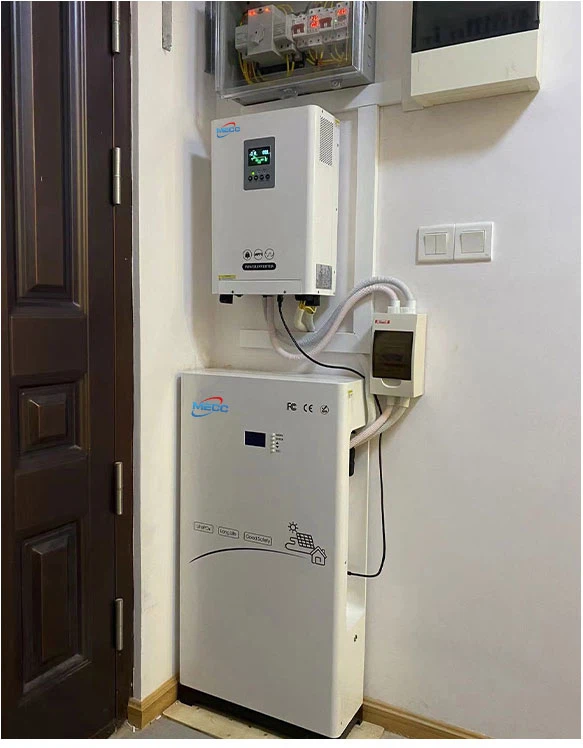
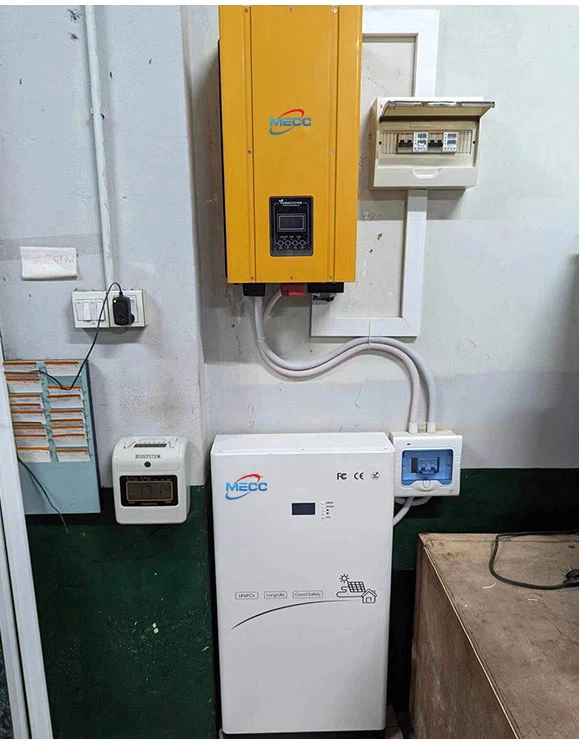
Hybrid Inverter: A multi-functional unit that converts solar DC power to AC for immediate use, manages battery charging/discharging, and synchronizes with the grid. Unlike standard grid-tied inverters, it supports bidirectional energy flow (solar → battery/grid, grid → battery/loads) and switches to backup mode during outages.
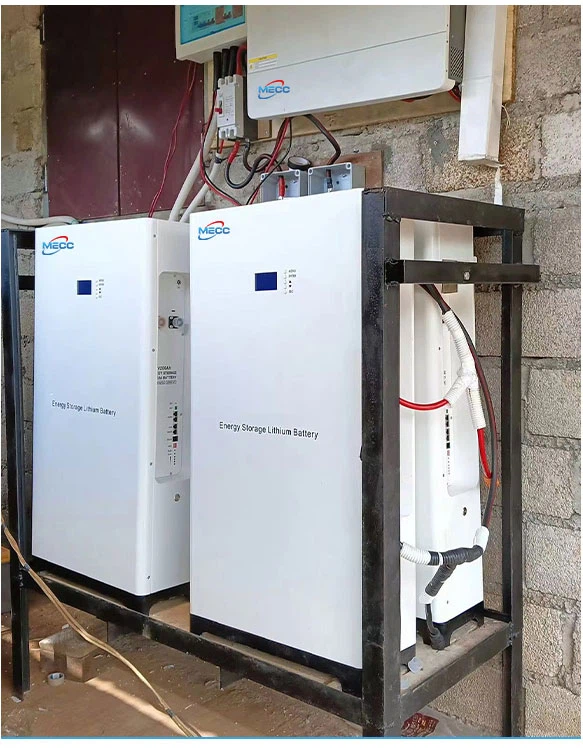
Battery Storage: A lithium-ion (LiFePO4) battery pack (5–30kWh) stores excess solar energy for use after sunset, on cloudy days, or during grid failures. Equipped with a Battery Management System (BMS) to prevent overcharging, over-discharging, or thermal issues.
Energy Management System (EMS): Smart software that prioritizes energy usage:
First, powers real-time loads with solar energy.
Excess solar charges the battery.
When solar and battery are insufficient, draws from the grid (or a generator, if added).
Optional Backup Generator: A fossil fuel (propane, diesel) or renewable (biogas) generator for extended outages, ensuring power when solar and battery storage are depleted.
Dual Operating Modes:
Grid-Tied Mode: Daily operation where solar energy powers loads first, excess charges the battery, and surplus is exported to the grid for net metering credits. Grid power supplements when solar/battery are low.
Off-Grid Backup Mode: Automatically activates during grid outages, using stored battery power (and generator, if connected) to run critical loads (fridge, lights, medical devices) without interruption.
Maximized Solar Utilization:
Captures 80–90% of generated solar energy (vs. 50–60% for grid-tied systems without storage), as excess is stored instead of wasted. This reduces reliance on grid electricity, cutting monthly bills by 50–90%.
Energy Independence & Cost Control:
Avoids peak-time grid rates (e.g., 5–8 PM) by using stored solar energy during high-cost hours.
Reduces vulnerability to rising utility prices, providing long-term cost stability.
Reliability in Unstable Grids:
Ideal for regions with frequent blackouts or voltage fluctuations. The battery acts as a buffer, ensuring stable power for sensitive electronics (computers, home theaters).
Generator integration extends backup runtime-critical for areas with prolonged outages (e.g., rural locations or storm-prone regions).
Smart Monitoring & Control:
Most systems include app-based platforms (e.g., via inverter or EMS) to track real-time solar production, battery state of charge (SoC), grid usage, and savings.
AI-driven algorithms learn usage patterns to optimize charging (e.g., prioritizing battery charging during peak sunlight) and discharging (e.g., using stored energy when grid rates are highest).
FAQ
What are the latest advancements in solar-powered industrial boilers?
One advancement is the use of concentrated solar power (CSP) technology in industrial boilers. CSP systems use mirrors or lenses to concentrate sunlight onto a receiver, which heats a fluid to extremely high temperatures. This superheated fluid can then be used to generate steam for industrial processes, replacing or supplementing traditional fuel sources. Another trend is the integration of thermal energy storage with solar-powered boilers. This allows the boiler to operate even when the sun isn't shining, by storing heat during sunny periods. Additionally, advanced control systems are being developed to optimize the boiler's operation based on solar availability and industrial heat demand, improving overall efficiency.
Hot Tags: solar panels system hybrid, China solar panels system hybrid manufacturers, suppliers
Previous
No InformationSend Inquiry


