


Monocrystalline Solar Panel

High-Efficiency Monocrystalline Solar Panel Manufacturer
MECC specializes in OEM/ODM services for monocrystalline solar panels, tailoring solutions to residential and commercial scenarios. For residential roof projects, we offer lightweight (≤18kg/m²) and thin-film monocrystalline panels that fit various roof types (tile, flat, metal) without excessive load. For commercial scenarios like factory rooftops and shopping mall canopies, we provide high-power panels with extended service life and enhanced structural stability. Our customization scope covers power specifications (300W-720W), size dimensions, backsheet colors, and brand logo printing. We also support performance optimization for specific regions—such as enhancing UV resistance for tropical areas and improving low-temperature performance for high-latitude regions. Our professional team provides one-stop services from design to mass production.


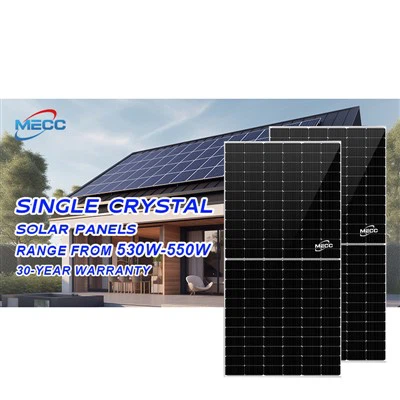



Space-Efficient
Since monocrystalline solar panels are the most efficient in terms of electricity output, they require less space on your rooftop or property to generate the same amount of electricity as other solar panels.
Longevity
Monocrystalline solar panels have a longer lifespan than other types of solar panels. They can last up to 25 years or more, making them a long-term investment.
High Durability
Monocrystalline solar panels are made from a single, high-purity silicon crystal, making them highly durable and resistant to damage from environmental factors such as hail, wind, or snow.
Environmentally Friendly
Monocrystalline solar panels generate clean, renewable energy, reducing your carbon footprint and helping to mitigate climate change.
Residential solar power systems
Monocrystalline solar panels are commonly used in homes for powering appliances, heating water and providing lighting.
Commercial applications
They are utilized in commercial establishments such as office buildings, factories, and malls to provide energy for lighting and air conditioning.
Agricultural applications
Monocrystalline solar panels are used for irrigation, ventilation, and livestock feeding.
Transportation
They support the power supply of vehicles that are electrically powered such as cars, buses, and trains.
Spacecraft
Used by space agencies to provide energy for the spacecraft’s control panels and other electronic equipment.
Remote power systems
Monocrystalline solar panels are perfect for use in remote areas that are not connected to an electric grid.

Types of Monocrystalline Solar Panel
Standard Monocrystalline Solar Panels
These are the traditional monocrystalline solar panels made of single silicon crystals that are cut into wafers. These panels are highly efficient and can convert up to 22% of sunlight into electricity.
Shingled Monocrystalline Solar Panels
These are newer and more advanced monocrystalline panels that use shingled cells to increase efficiency and reduce the amount of space needed. Shingled panels eliminate the gaps between cells, which allows more sunlight to be captured and converted into electricity. They can convert up to 22.8% of solar energy into electricity.
Monocrystalline Solar Panel Material
Monocrystalline solar panels are made of silicone. The silicone used in these panels is highly pure and made from a single crystal of silicon. The process of making monocrystalline silicone involves melting the silicon and then cooling it down in a controlled manner to form a single crystal. This results in panels with a higher efficiency and a longer lifespan compared to other types of solar panels. Monocrystalline solar panels are usually black or dark blue in color, and the silicon material is encased in a protective outer layer of tempered glass.
Process of Monocrystalline Solar Panel



Seed crystal growth
A seed crystal of silicon is generated by melting high-purity silicon in a quartz crucible. The seed is then drawn out slowly, and a single crystalline ingot is formed from it.
Slicing
The ingot is sliced into wafer-thin sections known as wafers using a diamond saw.
Wafer etching
The wafer surfaces are etched with a chemical solution to remove impurities. This creates a texture that helps increase light capture and absorption.
Phosphorus diffusion
The wafers are then treated with phosphorus to create an N-type semiconductor layer on one side. This layer helps generate an abundance of free electrons in response to light.
Boron diffusion
The opposite side of the wafer is treated with boron to create a P-type semiconductor layer. This layer generates an abundance of holes that are needed for the free electrons generated on the N-type layer to move around.
Annealing
The wafers undergo high-temperature annealing to activate the dopants and to repair any damage caused during the diffusion process.
Electrical contacts
After annealing, metal contacts are applied on both sides of the wafer to make electrical connections.
Encapsulation
The wafers are then encapsulated into a protective layer of polymer. This provides further insulation and protection from weather and other environmental hazards.
Module assembly
Finally, the encapsulated panels are wired together and assembled into solar modules or panels, which can be used for solar power generation.
Time-to-time inspection:
Solar rooftop panels are placed in high locations. These are prone to damage or accumulation of waste particles flowing in the air. Keep inspecting your solar panels frequently. Clean up the dirt or pollen accumulated to ensure that there is no loss of power.
Cleaning & taking care of your solar panels:
To maximize the effectiveness of your solar panels, firstly you need to keep them free of dust, dirt, leaves, and snow.
Ensuring ample sunlight is available:
Solar Rooftop System is installed in a location where they receive maximum sun exposure. However, trees & buildings can grow over the years around this location, which then affects the pattern of sun and shade.
Examining the components on a regular basis:
During cleaning, you should take a look around at all your wiring, components, and mounting rack. Check for any signs of water damage, leaks, or drainage issues around the panels.
How to Choose Monocrystalline Solar Panels
Panel Type: Monocrystalline vs Polycrystalline
There are two main types of solar panels: monocrystalline and polycrystalline. Which one you choose will impact the overall look of your system, its cost, how much electricity it will produce, and how much space your system will cover.Monocrystalline panels have an overall darker tint to the cells and are typically the more efficient option. Panels with a higher efficiency mean you can produce more electricity with fewer panels, so your overall system takes up less space. But for all their advantages, monocrystalline panels are often the more expensive option.
Panel Color: The Backsheet and Frame
Another way you can control the look and price of your solar system is through the selection of backsheet and frame color.Each panel is composed of several silicon cells that are placed on a backsheet. This backsheet shows through the gaps between the cells and creates a grid-type design. Some manufacturers offer solar panels with black backsheets instead of the typical white.
Solar Panel Size
Solar panels come in two different sizes: 60-cell and 72-cell. This refers to the number of cells (the small, crystalline silicon wafer) on the solar panel. 72-cell panels are, on average, about a foot longer than 60-cell panels.Their larger size makes 72-cell panels better suited for large, wide-open spaces like commercial roofs and ground mount systems. 60-cells are typically better suited to fit in tighter spaces, like on the dormer of a home's roof. However, this isn't a hard and fast rule and will vary from location to location.
Panel Production: Output Rating and Efficiency
Both the panel's output rating and efficiency will impact how much power it can produce.The output rating is the three-digit number you'll see in the solar panel's name, and it represents how many watts of electricity the panel will generate under ideal conditions.Most panels have a wattage between 250 watts to 400 watts, with a few panels exceeding the 400-watt mark. A higher wattage means more electricity generated per panel, but it will likely mean a higher price tag. Though you'll need fewer panels to reach your generation goals, it likely won't offset the price increase.
Poly costs less; mono costs more
Monocrystalline solar panels are more expensive than polycrystalline solar panels. Suppose you have had a look at the article mentioned above, you'll learn how a monocrystalline solar cell is made. In that case, manufacturing a mono cell is much more complex and time-consuming than manufacturing a poly cell.However, higher efficiency means a higher price as well as a smaller panel size, which follows that you can consider investing in the mono type if you have a smaller roof space. In another way, poly solar panels can save you a bit if you have a vast place to load it up.
Mono trumps poly in efficiency
As we've mentioned before each type of solar cell is characterized with its own performance. According to ScienceDirect, monocrystalline cells feature an efficiency of 15-22%, and polycrystalline cells work at 13-20%.
Black mono; blue poly
Most of the time, mono cells and poly cells can be distinguished with eyes easily, as the mono is black and the poly is deep blue.
Mono performs better at higher temperatures
Temperature is an essential factor that can affect the functional performance of a solar panel. Let us tell you a fun fact: solar panels work better at a cooler temperature than in torrid weather. If you live in a tropical area, a monocrystalline solar panel can work more stable than the other option.
Advantages of Monocrystalline Solar Panels
Energy Efficient
Many energy-conscious homeowners and business owners choose monocrystalline solar panels because of their high efficiency. It's not uncommon for monocrystalline panels to have an efficiency rating of 17 percent to 23 percent, meaning they convert nearly one-quarter of captured sunlight into electricity.
Long-Lasting
Monocrystalline solar panels last a long time. They typically last longer than polycrystalline solar panels. Polycrystalline is another popular solar technology. While monocrystalline solar panels are comprised of a single silicon crystal, polycrystalline solar panels are comprised of multiple silicone crystals, resulting in a shorter lifespan for the latter.
Conserves Space
If you're looking to install solar panels on a small roof or ground area, there's no better choice than monocrystalline. They take up less space than other types of solar panels, including polycrystalline solar panels.
More Electricity
Perhaps the biggest reason to choose monocrystalline solar panels is their superior power output. They generate more electricity relative to their size than all other types of solar panels. With their superior power output, monocrystalline solar panels can reduce or eliminate your dependence on traditional utility power.
Ease of Installation
Monocrystalline solar panels are easy to install. Considering that the cost of installation can be as much as 40 percent of the purchase price of solar panels, this is a huge benefit for homeowners and business owners alike. Solar power companies spend less time and resources to install monocrystalline panels simply because there are fewer panels to fit.
Warranty
You can rest assured knowing that most monocrystalline solar panels are backed by a warranty. The length of the warranty will vary from manufacturer to manufacturer. Nonetheless, most manufacturers offer a long, multi-decade warranty with their monocrystalline solar panels.
Our Factory
MECC has become a world well-known brand,successfully developed and manufactured powerwall ,Li-Ion Battery Pack ,solar energy system Residential Energy Storage System .Since then, MECC's products have supported renewable energy enthusiasts and production facilities around the world, now covering more than 140 countries, establishing itself as an unshakable leader in the solar energy systems industry.


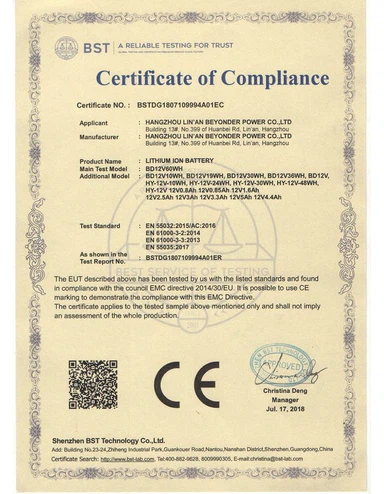
Our Certificate
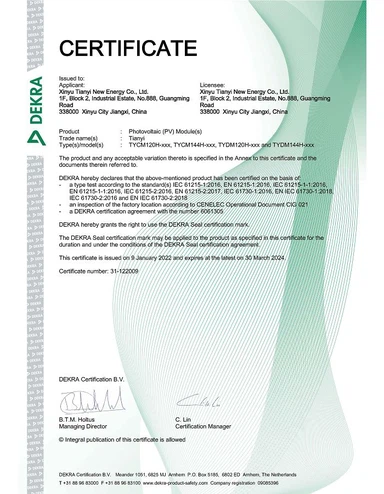




FAQ
We're well-known as one of the leading monocrystalline solar panel manufacturers and suppliers in China. If you're going to wholesale custom made monocrystalline solar panel with competitive price, welcome to get more information from our factory.
400W PERC Mono Solar Panel, 540 Watt PERC Mono Solar Panel, 120 watt solar panel