


Solar Energy Off Grid System
Solar Energy Off Grid System Manufacturer for Remote & Off-Grid Areas
A Solar Energy off-grid solar system, or independent solar power system, operates without relying on the traditional electricity grid. It mainly consists of solar panels that convert solar energy into electricity, batteries for energy storage, charge controllers to regulate charging, and inverters to convert DC to AC. It generates power during the day, stores it in batteries and supplies power as needed. It has advantages like independence, being eco-friendly and reliable, but also has drawbacks such as high initial investment, being weather-dependent and having battery replacement costs. Overall, it's an important solar energy utilization form with potential for wider use in the future.


Wholesale Solar Energy Off Grid System Supplier
Solar Panels: The core component of the system, which uses the photovoltaic effect to convert solar energy into electrical energy. Solar panels are usually made of silicon-based materials and come in different sizes and power ratings to meet different energy requirements.


Batteries: Used to store the electrical energy generated by the solar panels. When there is insufficient sunlight or at night, the batteries release the stored electricity to supply power to the load. Commonly used batteries include lead-acid batteries, lithium-ion batteries, etc.


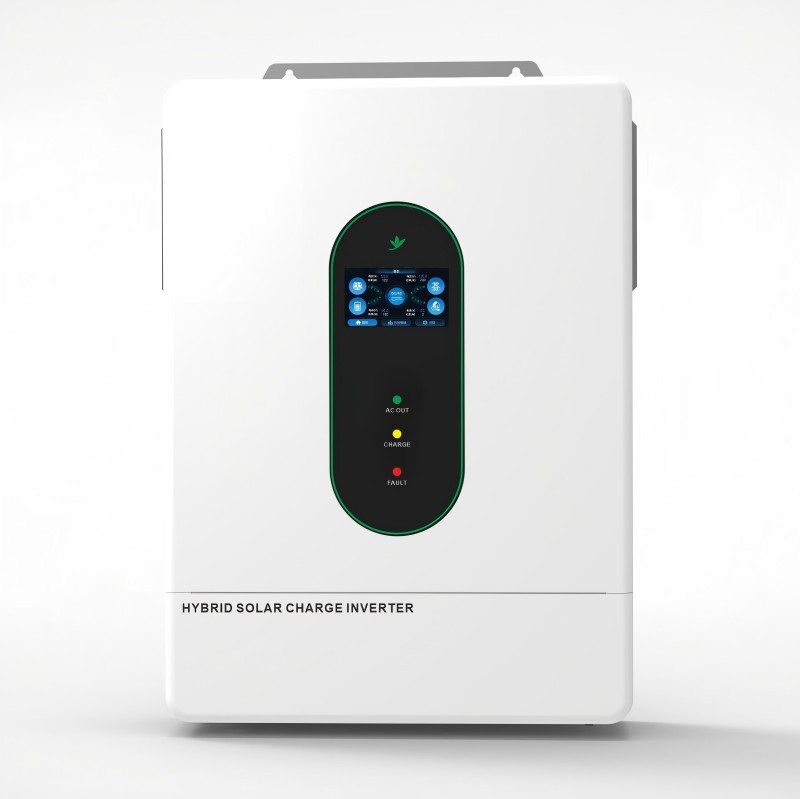
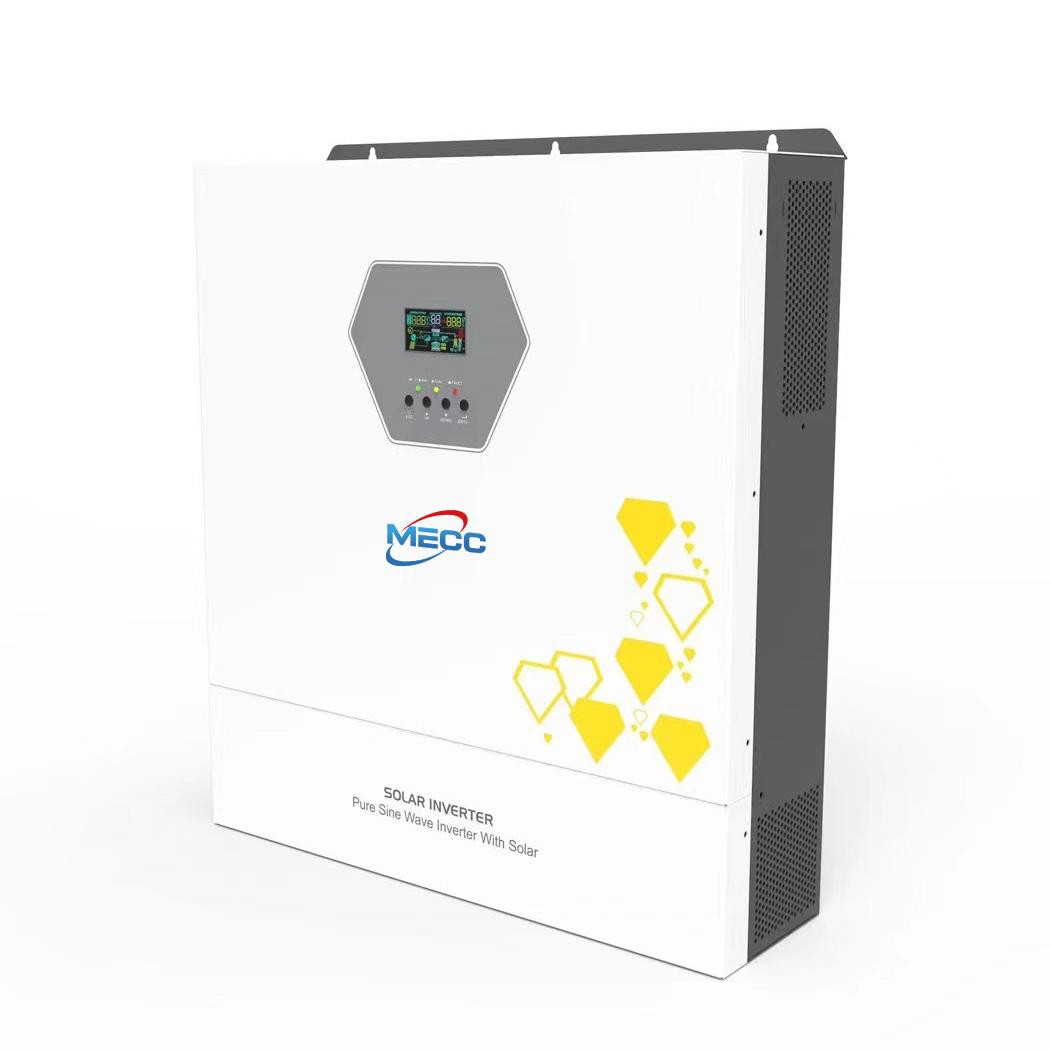
Inverters: Converts the direct current (DC) stored in the batteries into alternating current (AC) that can be used by household appliances and other electrical equipment. Most electrical devices in our daily lives require AC power to operate.
Working Principle
Power Generation: During the day, when sunlight shines on the solar panels, they generate DC electricity. The amount of electricity generated depends on factors such as the intensity of sunlight, the area of the solar panels, and their efficiency.
Power Storage: The generated DC electricity is sent to the batteries for storage through the charge controller. The charge controller ensures that the batteries are charged safely and efficiently.
Power Supply: When there is a need for electricity, such as at night or on cloudy days, the batteries supply the stored DC electricity to the inverter. The inverter converts the DC electricity into AC electricity and supplies it to the connected electrical devices, enabling them to work normally.
Advantages
Independence: It is not dependent on the grid, which is very suitable for areas where the grid is difficult to access, such as remote mountainous areas, islands, etc. It can provide a stable power supply for local residents, communication base stations, and other applications.
Energy Conservation and Environmental Protection: Using solar energy as the energy source, it does not produce pollutants and greenhouse gas emissions during the power generation process, which is beneficial to environmental protection.
High Reliability: The system components are relatively simple and have few failure points. With proper maintenance, it can operate stably for a long time and has high reliability.
FAQ
1.How much does an off - grid solar system cost?
The cost of an off - grid solar system can vary widely. It depends on factors such as the size of the system (determined by the power requirements of your appliances), the quality and brand of components (solar panels, batteries, inverters), and installation costs. On average, a small - scale residential off - grid system might start at a few thousand dollars, while larger, more complex systems for commercial or industrial use can cost tens of thousands of dollars.
2.How long can an off grid solar system power my home during cloudy days?
The length of time an off grid solar system can power a home during cloudy days depends on the capacity of the battery bank. If you have a well sized battery system, for example, a system with a large capacity lithium ion battery bank might be able to power a typical home for 3 - 5 days with minimal sunlight. However, a smaller system with lead acid batteries may only last 1 - 2 days under similar conditions.
3.What maintenance does an off grid solar system require?
Regular maintenance of an off grid solar system includes checking the solar panels for dirt, debris, or damage at least once a month. The battery bank needs to be inspected regularly for proper charging levels, and the electrolyte levels in lead acid batteries should be checked (if applicable). Inverters and charge controllers should be monitored for any error messages or abnormal operation. Also, periodic checks of all electrical connections to ensure they are secure are necessary.
4.Can I expand my off grid solar system in the future?
Yes, in most cases, you can expand your off grid solar system. You can add more solar panels to increase power generation, provided that your charge controller and inverter can handle the additional load. Similarly, you can add more batteries to increase energy storage capacity. However, it's important to ensure that all new components are compatible with the existing system.
5.How reliable is an off grid solar system compared to the grid?
An off grid solar system can be highly reliable when properly designed and maintained. While the grid may experience outages due to storms, equipment failures, or grid wide issues, a well functioning off grid system can continue to supply power. However, off grid systems are also subject to component failures, and their reliability can be affected by extreme weather conditions that reduce solar power generation. But with regular maintenance and backup strategies, they can provide a consistent power source for many applications.
We're well-known as one of the leading solar energy off grid system manufacturers and suppliers in China. If you're going to wholesale custom made solar energy off grid system with competitive price, welcome to get more information from our factory.