
High-Capacity Battery Banks for All-Day Power
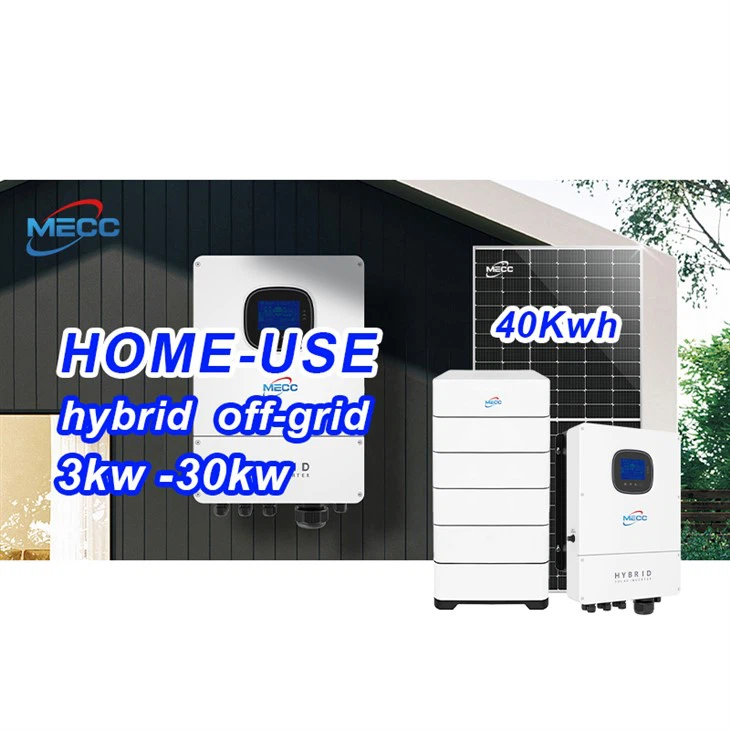
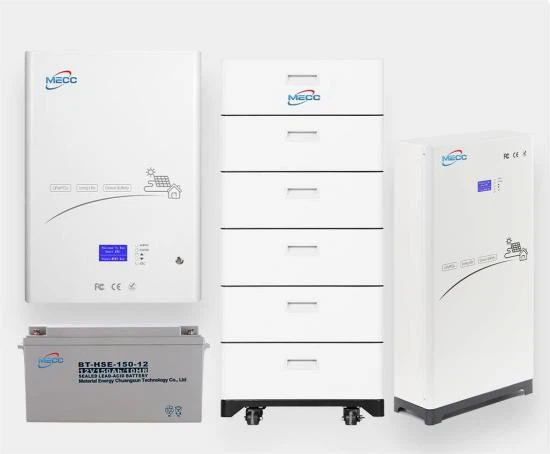
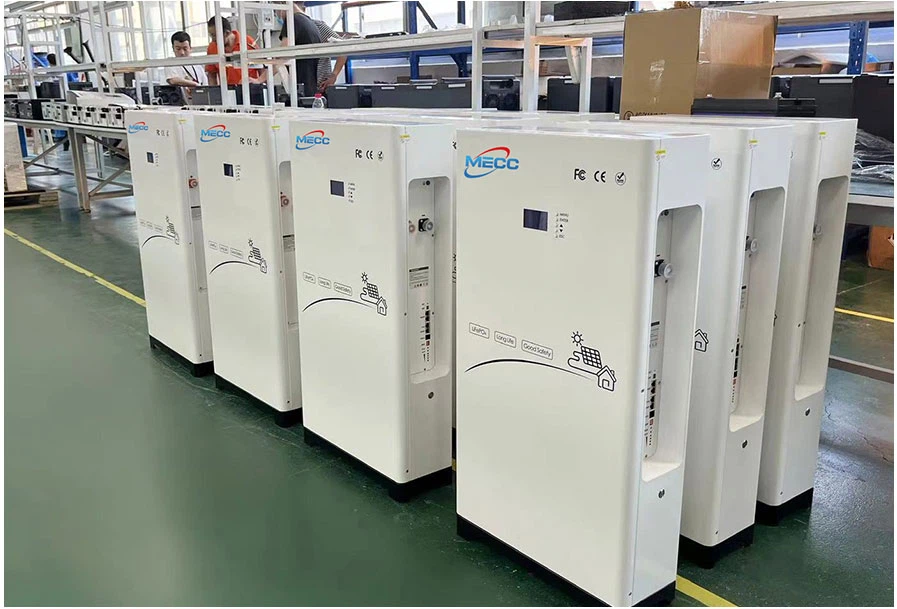
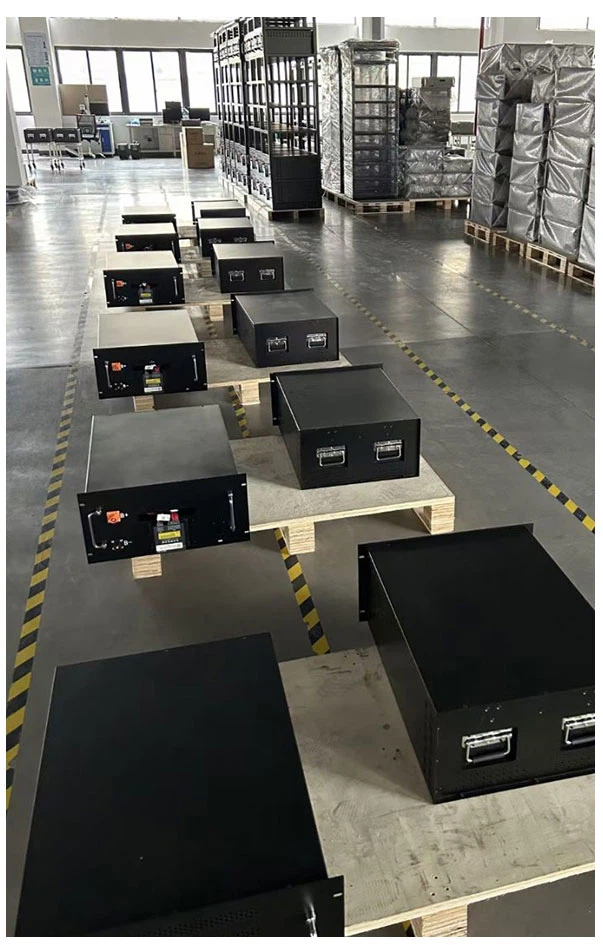
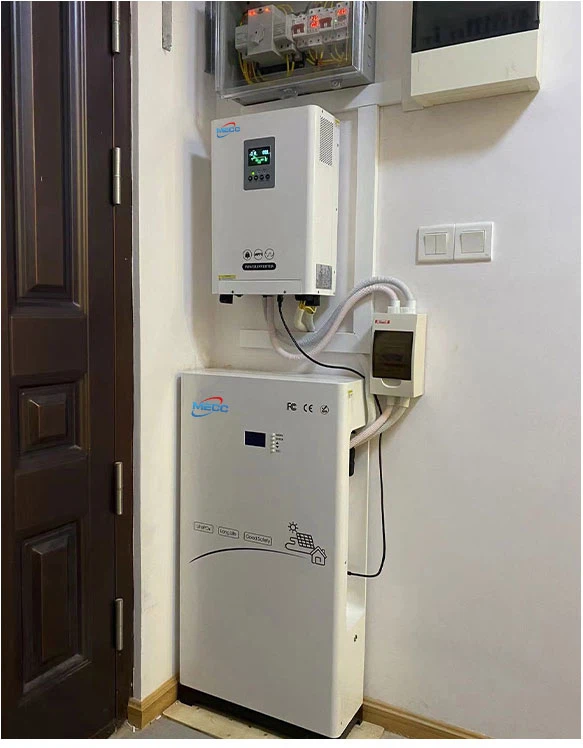
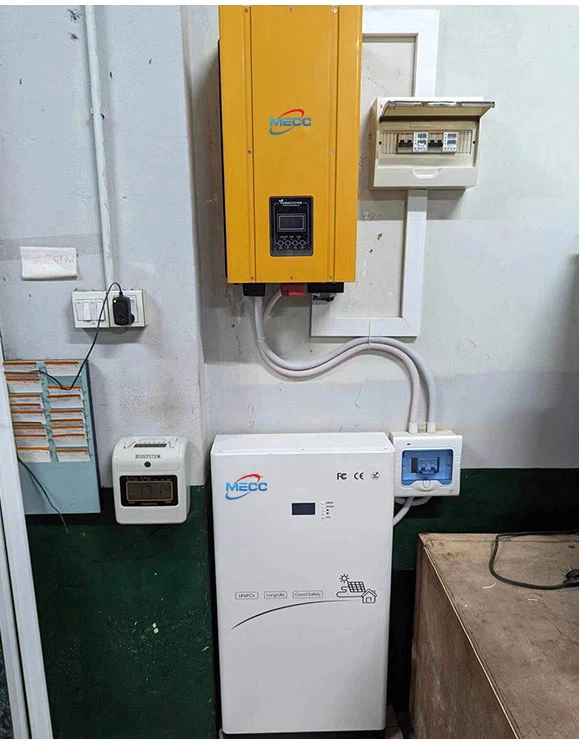
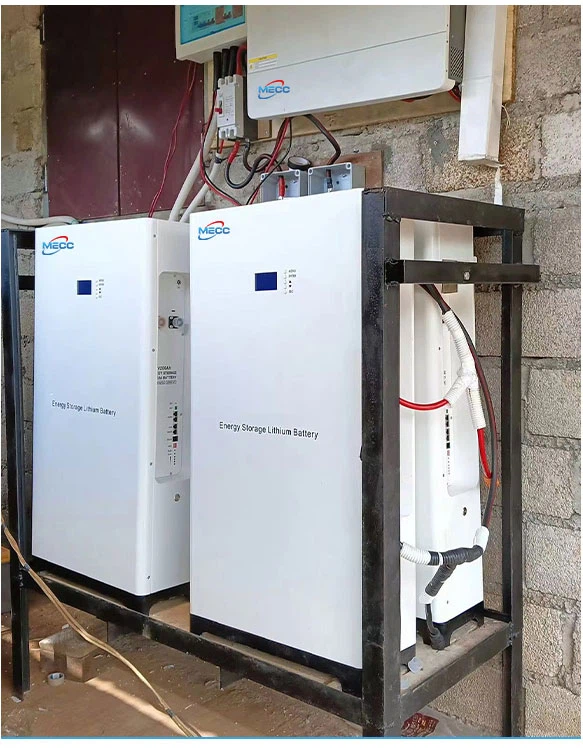
Equipped with large-capacity batteries tailored for off-grid use-typically 10–40kWh LiFePO4 (lithium iron phosphate) or deep-cycle lead-acid options-capable of storing enough solar energy to power daily loads (e.g., lighting, refrigeration, small appliances) for 1–3 days without sunlight. LiFePO4 variants offer superior performance: 3000–6000 deep cycles (vs. 500–1000 for lead-acid), 80% depth of discharge (DoD) without damage (vs. 50% for lead-acid), and 10–15 year lifespan-reducing replacement frequency and long-term costs. The system's modular battery design allows users to expand capacity (e.g., adding 5kWh batteries) as energy needs grow.
Seamless Solar Integration & Efficient Charging
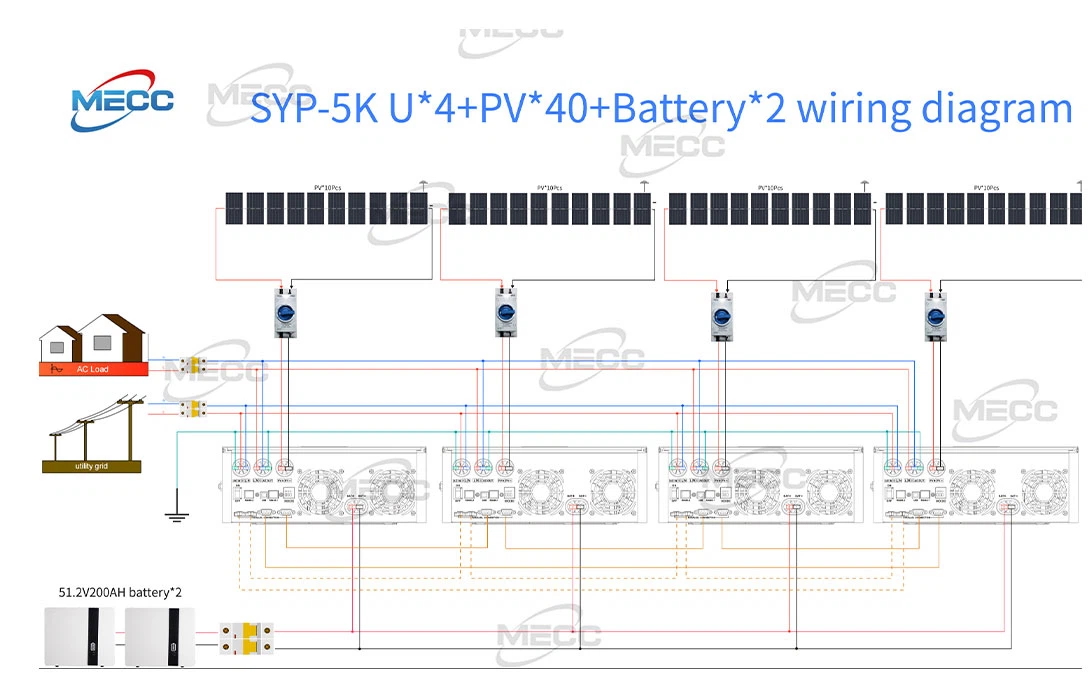
Paired with a high-performance MPPT (Maximum Power Point Tracking) solar charge controller (60–120A), the system maximizes solar energy capture from panels (compatible with 1–10kW solar arrays). The MPPT controller converts solar DC power to battery-compatible voltage with 95–98% efficiency-extracting up to 30% more energy than basic PWM controllers, especially in variable sunlight (e.g., partial shade, dawn/dusk). It also includes smart charging modes (bulk, absorption, float) to protect batteries from overcharging or undercharging, extending their lifespan and ensuring consistent performance.
Reliable Inversion for AC/DC Power Needs
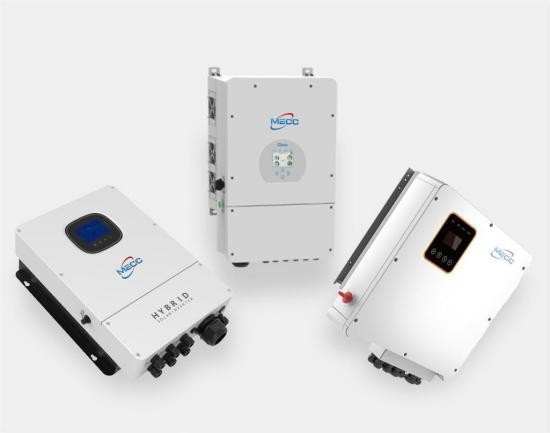
Features a built-in pure sine wave inverter (3–10kW continuous output) that converts stored battery DC power to clean 110V/220V AC electricity-compatible with sensitive devices (laptops, TVs, medical equipment) and motor-driven appliances (refrigerators, pumps, power tools). The inverter handles surge loads up to 2–3x its continuous rating (e.g., 10kW surge for a 5kW inverter) to start high-demand devices, eliminating the need for separate generators. For DC loads (e.g., LED lights, RV appliances), the system includes direct DC outputs (12V/24V/48V) to avoid inversion losses.
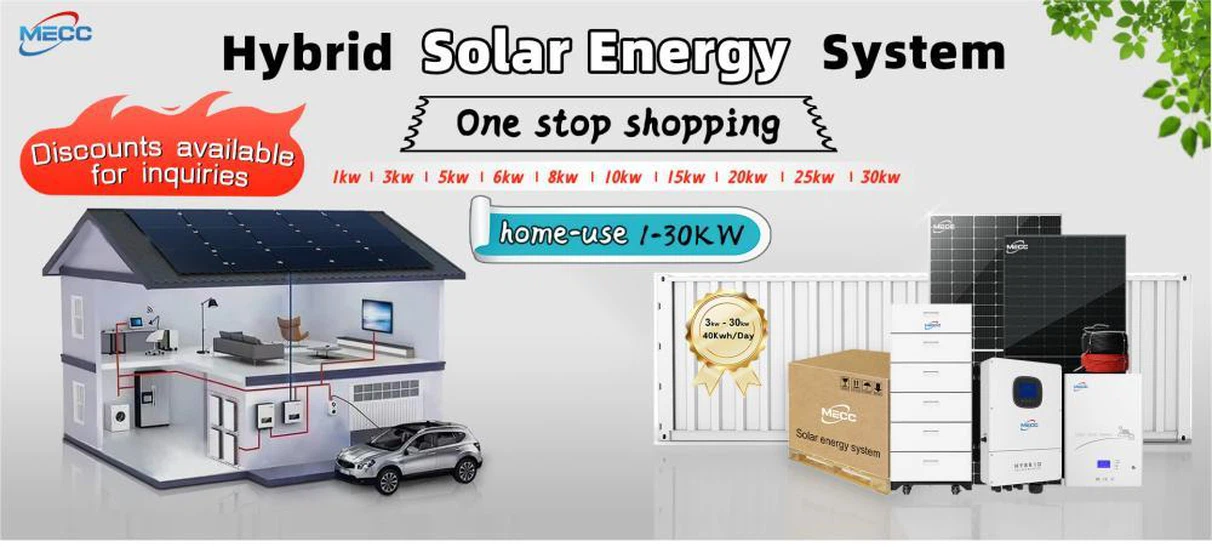
| Item | 3kw | 5kw | 8kw | 10kw | 15kw | 20kw | 30kw |
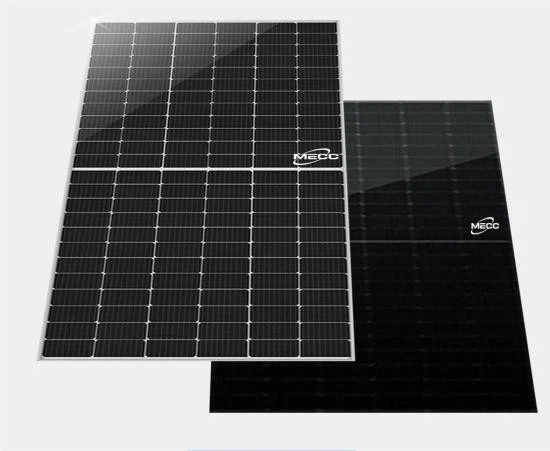
| Mono Solar Panel 550W (pcs) | 6 | 10 | 16 | 20 | 30 | 40 | 60 |
| Hybrid / Off-grid Inverter | 110V/220V 220V 380V 50 - 60HZ 3KW 5KW 8KW 10kw 12kw 15kw 20kw 30kw |
||||||
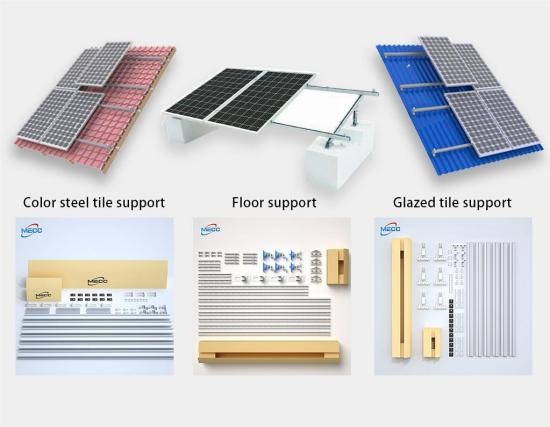
| Bracket | Ground/Roof mount | ||||||
| PV Combiner box | N in 1 out | ||||||
| Battery | Lithium Battery BMS ; GEL Battery | ||||||















FAQ
How do I know if my roof is suitable for solar panel installation?
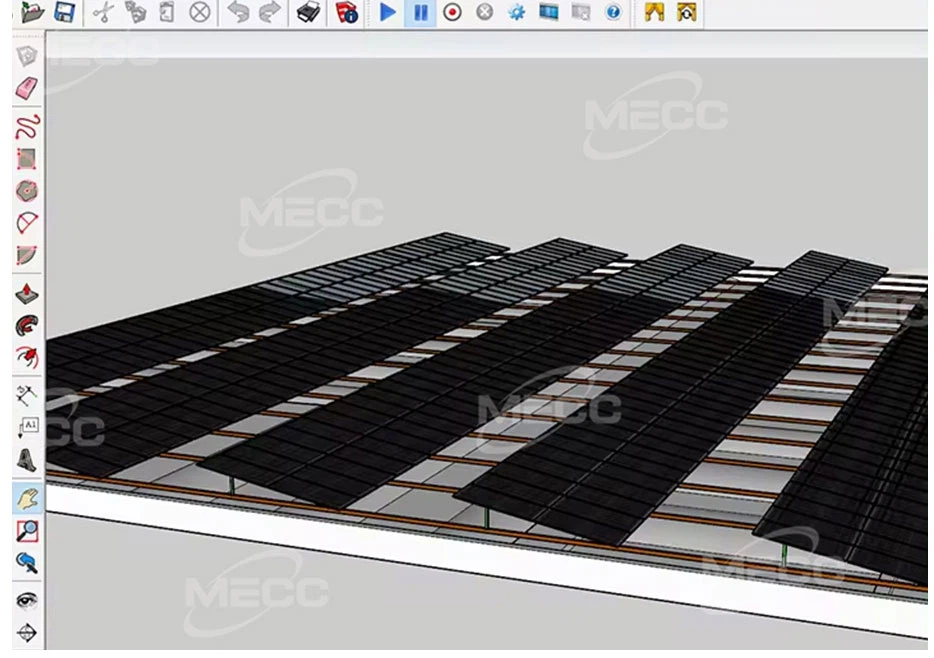
There are several key factors to consider. Firstly, roof orientation matters. In the northern hemisphere, a south-facing roof provides the optimal exposure to sunlight throughout the day, maximizing energy generation. However, east or west-facing roofs can also be used, albeit with slightly reduced output. The tilt angle of the roof is another crucial aspect. Ideally, the tilt should be equal to the local latitude plus or minus 15 degrees for the best year-round performance. You also need to assess the structural integrity of your roof. Solar panels add weight, so it must be able to support the additional load. A professional roofing inspection can determine if any reinforcements are needed. Additionally, shading from nearby trees, buildings, or other obstructions can significantly impact the performance of solar panels. Even partial shading can cause hotspots and reduce overall efficiency. Conduct a shade analysis at different times of the day and year to understand potential issues.
Hot Tags: off grid solar battery storage system, China off grid solar battery storage system manufacturers, suppliers