


On Grid Inverters
High-Efficiency On Grid Inverters Manufacturer
On-grid inverters, also known as grid-tied inverters, are electrical devices that convert direct current (DC) generated by renewable energy sources, such as solar panels or wind turbines, into alternating current (AC) that is compatible with the utility grid.
Maximum Power Point Tracking (MPPT): They optimize the energy extraction from solar panels by continuously tracking the maximum power point under varying conditions.
AC Conversion: They convert the DC power produced by solar panels into AC power at the voltage and frequency required for the local grid.
Grid Integration: They synchronize the generated AC power with the utility grid, matching voltage levels, frequency, and phase.
Safety Features: They include anti-islanding protection, which disconnects the system from the grid in case of a power outage, preventing the inverter from sending power back to the lines when utility workers might be present.
Monitoring and Communication: Modern on-grid inverters often include monitoring capabilities, allowing homeowners and system operators to track the performance of their solar systems remotely.
Net Metering Compatibility: On-grid inverters support net metering, which allows excess energy production to be credited back to the customer's utility account, effectively reducing their electricity bills.
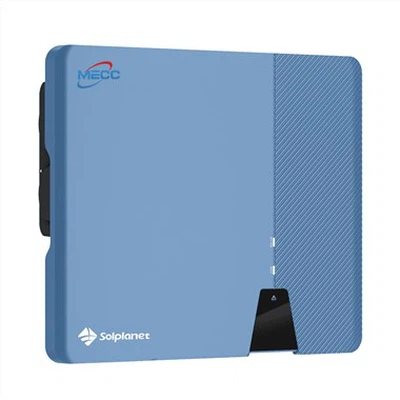
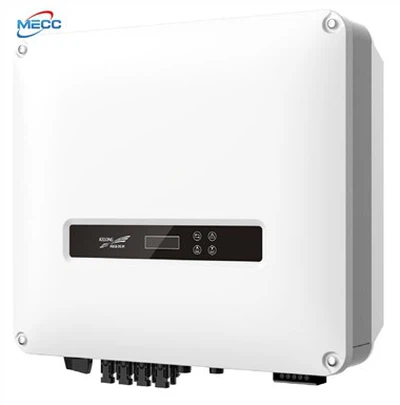
How does an on-grid inverter work?
DC Input: The inverter receives DC power from the solar panels, which is typically at a relatively low voltage level.
Maximum Power Point Tracking (MPPT): To ensure the solar panels operate at their maximum efficiency, the inverter uses MPPT algorithms to adjust the load on the panels, finding the optimal operating point where they produce the most electricity given the current weather conditions.
DC-to-AC Conversion: Inside the inverter, a power electronic converter, usually consisting of transistors or switches operated at high frequencies, changes the DC electricity into AC electricity. This is achieved through a process called inversion, which involves rapidly switching the DC voltage to create an alternating current waveform.
Grid Synchronization: The inverter synchronizes the AC electricity it generates with the utility grid, matching the voltage level, frequency, and phase. This ensures that the generated power can be safely and effectively integrated with the grid.
Safety and Grid Compliance: The inverter includes safety mechanisms, such as anti-islanding protection, to disconnect the system from the grid if it detects a power outage or if the grid fails. This prevents the inverter from continuing to feed electricity into the lines when utility workers are repairing them.
Power Delivery: Once the AC electricity is synchronized with the grid, it is either used directly by appliances within the premises or fed back into the grid. If the premises require more power than the solar system is producing, the inverter will draw additional electricity from the grid to meet the demand. If there is surplus energy, it will be exported to the grid.
Monitoring and Control: Most modern on-grid inverters come with monitoring systems that allow users to track the amount of electricity being generated and consumed. These systems can often be accessed remotely via the internet, providing real-time data and insights into the performance of the solar PV system.
Net Metering: With the help of a bi-directional or net meter, the inverter records the amount of electricity sent to and received from the grid. Under net metering arrangements, any excess energy generated by the solar system can be credited against the electricity consumed from the grid, potentially resulting in lower energy bills.
Are there different types of on-grid inverters?

Yes, there are several types of on-grid inverters, each designed to suit specific applications and system configurations. The main types include.
Central Inverters: These are the traditional type of inverters used in larger solar installations. They are large, single units that convert the output of multiple solar panels into AC electricity. Central inverters are cost-effective for large-scale systems but may not be ideal for smaller residential setups due to their size and complexity.
String Inverters: String inverters are commonly used for residential and small commercial solar installations. They are designed to handle the combined output of one or more strings of solar panels. Each string can consist of several panels connected in series. String inverters offer better flexibility compared to central inverters, as they can manage different orientations and angles of solar panels more effectively.
Microinverters: Microinverters are small inverters installed at the individual solar panel level. Each panel has its own microinverter, which converts DC to AC electricity right at the panel site. This approach maximizes the efficiency of each panel, regardless of shading or orientation differences. Microinverters are particularly suitable for systems where solar panels are installed in challenging locations or where maximizing the output of each panel is crucial.
Power Optimizers with Central Inverters: This combination uses power optimizers at the panel level to condition the DC power before it is sent to a central inverter. Power optimizers increase the efficiency by mitigating issues related to shading and orientation, similar to microinverters, but still rely on a single inverter to convert the optimized DC to AC electricity.
How Does An On-grid Inverter Ensure Safety?
Anti-Islanding Protection: One of the primary safety features, anti-islanding protection, ensures that the inverter automatically disconnects the solar PV system from the electrical grid in the event of a power outage. This prevents the inverter from continuing to feed electricity into the grid, which could endanger utility workers who might be working on the lines under the assumption that they are de-energized.
Rapid Shutdown Function: This feature allows for the safe shutdown of the solar PV system from a distance. It can be activated manually or automatically in response to certain conditions, such as a fire or an emergency situation. Rapid shutdown reduces the risk of electric shock by quickly bringing the voltage of the solar panels down to a safe level.
Overcurrent Protection: Inverters are equipped with circuit breakers or fuses that trip or blow in the event of excessive current flow, which could damage equipment or start a fire.
Overvoltage Protection: To prevent damage to the inverter and other connected devices, overvoltage protection safeguards against high voltage spikes that can occur due to lightning strikes or grid disturbances.
Overheating Protection: Inverters have temperature sensors that monitor internal components. If temperatures exceed safe levels, the system will shut down or reduce power output to prevent overheating and potential fires.
Ground Fault Circuit Interrupter (GFCI): Some inverters include GFCI protection, which monitors the balance between the input and output currents. If it detects an imbalance, indicating a ground fault, it will immediately cut off power to prevent electric shock.
Earth Leakage Protection: Similar to GFCI, earth leakage protection (ELP) detects any current leaking to the ground and disconnects the inverter to prevent injury or damage.
Communication Failure Protection: If the inverter loses communication with the rest of the system or cannot properly communicate with the grid, it will shut down to ensure safe operation.
Software and Firmware Updates: Manufacturers regularly update the software and firmware in inverters to improve performance and address new safety concerns.
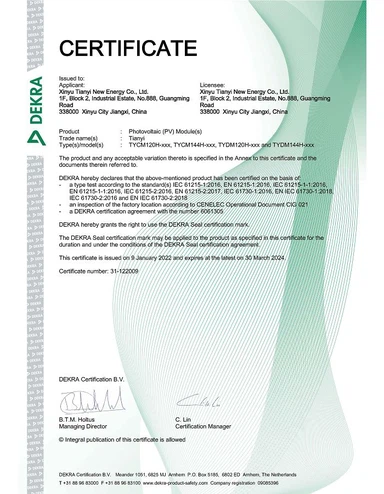
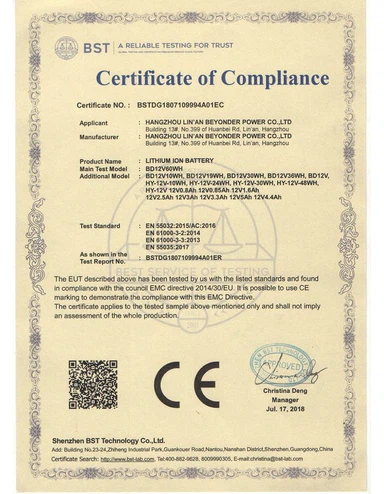
Certifications: On-grid inverters must adhere to strict safety standards set by organizations like UL (Underwriters Laboratories), CE, or others, ensuring that they have been tested and certified for safe operation.
Maximum Power Point Tracking (MPPT) Range: This specifies the range of voltages over which the inverter can track the maximum power point of the solar array. A wider MPPT range means greater flexibility in matching different solar panel configurations.
Continuous Power Output: Expressed in kilowatts (kW), this indicates the maximum amount of AC power the inverter can deliver to the grid under standard test conditions.
Crest Factor: This ratio indicates the peak power capability of the inverter relative to its continuous power rating. A higher crest factor allows short-term bursts of power above the continuous rating without damage.
Efficiency: Efficiency is usually stated as a percentage and refers to how well the inverter converts DC energy from solar panels into AC energy for the grid. Higher efficiency can mean more energy harvested over time.
Input Voltage Range: This is the range of DC voltages that the inverter can handle from the solar panels. A wider input voltage range allows for more flexibility in panel placement and orientation.
Output Voltage: The inverter's AC output voltage must match the voltage of the local grid, typically 120V/208V/240V in single-phase systems and 380V/400V/480V in three-phase systems.
Maximum Input Current: Specifies the maximum current the inverter can handle from the solar array. Exceeding this limit can cause damage to the inverter.
Protection Features: Includes specifications on the inverter's ability to handle overcurrent, overvoltage, undervoltage, ground faults, and short circuits, often listed as individual limits (e.g., Isc, Uoc).
Safety Certifications: The inverter should have certifications from recognized bodies such as UL, CE, or others, ensuring compliance with international safety standards.
Communication Protocols: Inverters may support various communication protocols for remote monitoring and control, such as Modbus, Ethernet, Wi-Fi, or Bluetooth.
Enclosure Type: Describes the physical build of the inverter, which can be indoor, outdoor, or a hybrid design. Outdoor enclosures are usually built to withstand harsh weather conditions.
Cooling Method: Inverters may use passive cooling (natural convection), active cooling (fan-assisted), or liquid cooling to dissipate heat generated during operation.
Warranty Period: The length of the manufacturer's warranty can vary, often covering defects in materials and workmanship for a specified number of years.
Dimensions and Weight: Important for installation planning and space considerations.
Tips for Using On Grid Inverters

Proper Installation: Inverters should be installed indoors or in a shaded, well-ventilated area outdoors, away from direct sunlight and moisture. They should be mounted on a stable surface and secured according to the manufacturer's instructions.
Grid Compliance: Make sure the inverter is compatible with your local grid's specifications, including voltage, frequency, and phase. Obtain all necessary permits and approvals before installation.
System Sizing: Match the size of the inverter to the capacity of your solar panels to maximize energy production without exceeding the inverter's rated power.
Wiring Integrity: Use appropriate-sized wires and connectors to minimize voltage drop and ensure that all connections are tight and free from corrosion.
Regular Maintenance: Check the inverter regularly for signs of wear, dust accumulation, or insect infestation. Clean the unit if necessary, and inspect all cables and connections for integrity.
Monitor Performance: Utilize the inverter's monitoring features to track energy production, identify any issues promptly, and adjust your system if needed.
Software Updates: Keep the inverter's software up to date to benefit from improvements in performance and safety.
Safety Devices: Ensure that all safety devices, such as rapid shutdown switches, are accessible and functional.
Avoid Overloading: Do not overload the inverter with additional appliances or equipment beyond its rated capacity.
Handle with Care: When servicing or moving the inverter, follow the manufacturer's guidelines to avoid damage and ensure personal safety.
Professional Inspection: Have a professional inspect the system annually to ensure all components are functioning correctly and safely.
Respect Disconnect Procedures: Always follow the correct disconnect procedures before performing maintenance or in case of an emergency.
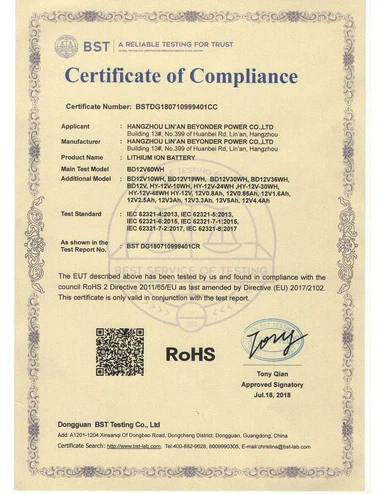
Certifications




Our Factory
MECC has become a world well-known brand,successfully developed and manufactured powerwall ,Li-Ion Battery Pack ,solar energy system Residential Energy Storage System .Since then, MECC's products have supported renewable energy enthusiasts and production facilities around the world, now covering more than 140 countries, establishing itself as an unshakable leader in the solar energy systems industry.


FAQ
We're well-known as one of the leading on grid inverters manufacturers and suppliers in China. If you're going to wholesale custom made on grid inverters with competitive price, welcome to get more information from our factory.
sol ark inverter, 3 phase solar inverter, 1000 watt power inverter