


Solar Panel
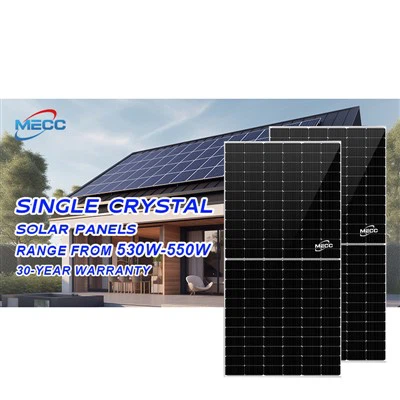
High-Efficiency Solar Panel: Factory Direct Supply with 30 Year Warranty
MECC Solar Panel covers a full range of product types to meet diverse application needs: high-efficiency monocrystalline (21%-24% conversion rate) and dual-sided power generation bifacial panels (backside gain 15%-30%). Crafted with high-purity silicon wafers and anti-reflective coated tempered glass, all panels feature excellent weather resistance—withstanding strong wind (120km/h), heavy snow (5400Pa), and high humidity, suitable for residential roofs, commercial buildings, ground power stations, and agricultural PV integration projects. The panels adopt advanced encapsulation technology to prevent water vapor penetration and edge aging, ensuring a service life of over 25 years with a power attenuation rate of less than 20% in 25 years. As a professional manufacturer, we strictly implement ISO 9001 and IEC quality standards, with a product pass rate exceeding 99.7%.





Renewable Energy Source
Fossil fuel remains a resource in declining supply that, when burned to create energy, releases harmful byproducts into our atmosphere. Solar power has the potential to help us minimize our use of fossil fuels and the impact we have on the environment.
Reduces Electric Bill
Solar energy can help most consumers power their homes as an alternative or supplement to purchasing electricity from a grid. With power prices on the rise, consumers stand to save a considerable amount on monthly power bills by switching to solar.
Energy Independence
A home reliant entirely on solar power features the capacity to function entirely off-grid, especially when supplemented with a solar battery system to maintain power during non-daylight hours. These battery systems can also turn solar systems into emergency backups during power outages.
Solar Panels Increase Home Values
According to the National Renewable Energy Laboratory, every dollar a solar panel saves you on your electrical bills increases the value of your home by $20. Also, homes with solar panels sell for four percent higher than those without them. If a home has solar panels, its owners will be saving money in the long run, increasing its appeal and value.
Long-Term Savings
The start-up costs for a solar system represent a significant expense, but the costs are usually mitigated by savings on the electric bill. Consumers can often break even on the investment—usually within six to 10 years—and then start reaping the benefits well before the system needs replacement or considerable maintenance.
Low-Maintenance Costs
Once installed, a solar system requires little maintenance as long as it remains unaffected by environmental factors. If panels are kept clean and free of debris, they should continue to function without any additional action by the consumer for many years.
What are the Applications of Solar Panel
Residential Homes
Solar panels can be installed on rooftops of homes to provide electricity to the entire household.
Commercial Buildings
Businesses can use solar panels to power their operations and reduce energy costs.
Traffic Signals
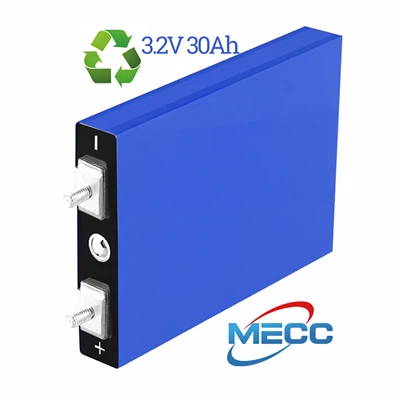
Solar panels can be installed to power traffic signals on roads and highways.
Agriculture
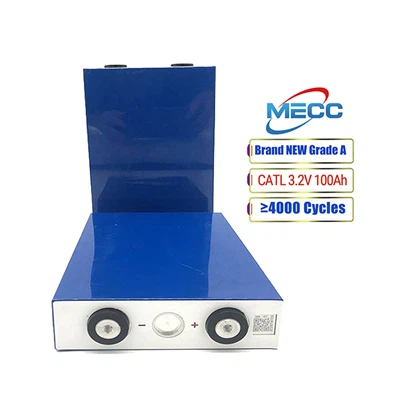
Solar panels can be used in agriculture to power irrigation systems, farm equipment, and processing plants.
Types of Solar Panel
Monocrystalline solar panels
Monocrystalline panels are usually the most expensive solar panel type. Manufacturers must absorb the costs of making solar cells from a single crystal. This process, known as the Czochralski process, is energy-intensive and results in wasted silicon. But don't worry–this silicon can later be used to manufacture polycrystalline solar cells.
Polycrystalline solar panels
Polycrystalline solar panels are typically cheaper than monocrystalline panels. The cells come from silicon fragments rather than a single, pure silicon crystal. This allows for a much simpler cell manufacturing process, costing less for manufacturers and homeowners who install the panels.
Thin-film solar panels
The overall cost of a thin-film solar panel installation is usually lower than a monocrystalline or polycrystalline solar installation. Thin-film solar panel installations are less labor-intensive because the panels are lighter and more maneuverable.
Solar Panel Material
Silicon is one of the most important materials used in solar panels, making up the semiconductors that create electricity from solar energy. However, the materials used to manufacture the cells for solar panels are only one part of the solar panel itself. The manufacturing process combines six components to create a functioning solar panel. These parts include silicon solar cells, a metal frame, a glass sheet, standard 12V wire, and bus wire.
Process of Solar Panel

Sand
It all starts with the raw material, which in our case is sand. Most solar panels are made of silicon, which is the main component in natural beach sand.
Ingots
The silicon is collected, usually in the form of solid rocks. Hundreds of these rocks are being melted together at very high temperatures in order to form ingots in the shape of a cylinder. To reach the desired shape, a steel, cylindrical furnace is used.
Wafers
Wafers represent the next step in the manufacturing process.
The silicon ingot is sliced into thin disks, also called wafers. A wire saw is used for precision cutting. The thinness of the wafer is similar to that of a piece of paper.
Solar cells
The following processes will convert a wafer into a solar cell capable of converting solar power into electricity.
From Solar Cell to Solar Panel
The solar cells are soldered together, using metal connectors to link the cells. Solar panels are made of solar cells integrated together in a matrix-like structure.
Testing the Modules
Once the module is ready, testing is carried out to ensure the cells perform as expected. STC (Standard Test Conditions) are used as a reference point. The panel is put in a flash tester at the manufacturing facility.
Maintenance Tips for Solar Panel
Get a Solar Cleaning Kit
Olar panel cleaning kits are very handy and can be easily purchased online. Usually, these kits contain an extendable brush or a long-handle brush, some brush, duster, or cloth attachments, and occasionally a wiper and/or a biodegradable soap.
Avoid Abrasive Materials and Chemicals
The panel’s surfaces are crucial to the system’s operation. They are typically made of silicon, which is a material that has high photoconductivity that helps absorb light energy. These surfaces must be kept in pristine condition.
Use Safety Ropes and Harness When Cleaning
Most solar panels for homes are installed on rooftops, which means that one will have to climb onto the roof or stand on a ladder when cleaning them. Always ensure that the person cleaning the solar panels is secured with safety ropes and a harness to prevent accidents.
Engage a Professional Team
Cleaning the solar panels, although simple, requires extreme carefulness. If you do not wish to go through the trouble of maintaining the panels yourself, you can engage a professional team to handle the cleaning for you. Some solar companies do provide annual maintenance for solar PV systems they’ve installed.
Solar Panel Cost
This is probably the first factor people consider when comparing solar panels. The solar panel cost is determined by different variables: the size (in Watts), the physical size, the brand, the quality of the materials, the durability (or warranty period) and any certifications the solar panel might have.A key guide on how to choose a solar panel is to consider the cost. However, it shouldn't be the one and only factor to be considered, since the least expensive panel might not be the most efficient and probably not the best option if you consider the long term. How to choose solar panels can be risky but, they have a long lifespan (more than 30 years), so it is more important to ensure a good quality system than choosing the cheapest option.
Solar Panel Quality
This takes into account how the panel is manufactured and the quality of the materials used to build the solar panel. There are different types of manufacturers producing panels that differ in quality, price, and efficiency. There are vertically integrated solar panel manufacturers which control each stage of the production process. They put a strong eye on quality and invest a lot into research and development (R&D). There are other manufacturers that only assemble panels, but usually don't manufacture their own cells and don't invest in R&D. They use more human production than robotic, but produce the most affordable panels.
Energy Efficiency
Solar panel efficiency is how much of the light the panel receives is converted into electrical energy and hence, how much power your system will generate. The more efficient, the better (and more expensive). It is not always the best choice to get the biggest and most efficient solar panel, since you might end up spending more money than you should to cover your energy needs.You should assess your requirements and find the panel that best suits your needs: this means not underestimate, but also not to overestimate your needs. Likewise, you don't need a Ferrari to take your children to school (you can have it of course, but you can do the same spending a lot less).
Temperature Coefficient
This refers to the impact that heat has on a solar panel's operational efficiency after installation. Since solar panel overheating accelerates their ageing, the lower the percentage per degree Celsius, the better.
Durability
This could be an indicator of the manufacturer's confidence in its products. Usually, solar panels have a 25 year warranty (as long as the company operates). If the manufacturer does not offer a long warranty period, you could suspect that their product is not very good and hence they don't want to take any responsibility. In this case, be careful not to be mislead by a tempting price since you might regret it in the long term.Of course, it is important to properly maintain your solar panels to increase the lifespan of them. Fortunately, they are easy to take care of and don't require much maintenance.
Size
This takes into account the physical size and the size in Watts. You should make sure to install a solar panel system that is big enough to power all your appliances, and also that you have the space required to install it. The physical size of the panel will vary depending on how powerful the system is (the more Watts, the bigger) and the type of solar cells used to build the panel.
How Solar Panels Work
Solar panels are made of photovoltaic cells, which convert sunlight into electricity. The sun emits solar radiation, which is absorbed by the photovoltaic cells. Electrons within the solar cell are energized, escape their bonds and form an electric current. That current, which starts as direct current, is switched to alternating by the solar system's inverter. From there it's used up in the electronics in your home or sent back to the grid.
"It's not a magical technology, but it seems like it because you just stick something in sunlight and it makes electricity for you," said Joshua Pearce, a professor at Western University in Ontario and co-author of To Catch the Sun, a free e-book on DIY solar systems. "Even being a scientist who works on this stuff all the time, it's amazing that these things actually work."
The Benefits of Solar Panels
Savings on energy
The most direct benefit is that you can gain the opportunity to power your own home outside of the electrical grid. That saves you money, and if you generate extra power, you might even be able to get credit on your bill from the electric utility via net metering. The average payback period for solar panels is six to 12 years, according to some sources.
Solar is an abundant power source
According to the US Department of Energy, just one hour of noontime summer sun meets the annual US electricity demand. Depending on your situation, turning it into electricity can save on your electricity bill.
Help with your home value
If you plan to sell your home down the line, having home solar panels can be a major perk to buyers and can help increase your home's value.
Going green: Since solar is a renewable resource, you can shrink your carbon footprint.
Independence from electrical grid failures
Some areas have electrical grids that are less than reliable. If you experience frequent power outages in your area, your own solar power can keep the lights on.
Power your campsite
Some small solar panel arrays fit right onto RVs, or you can take them camping so you have electricity, no matter how remote the location.
Our Factory
MECC has become a world well-known brand,successfully developed and manufactured powerwall ,Li-Ion Battery Pack ,solar energy system Residential Energy Storage System .Since then, MECC's products have supported renewable energy enthusiasts and production facilities around the world, now covering more than 140 countries, establishing itself as an unshakable leader in the solar energy systems industry.


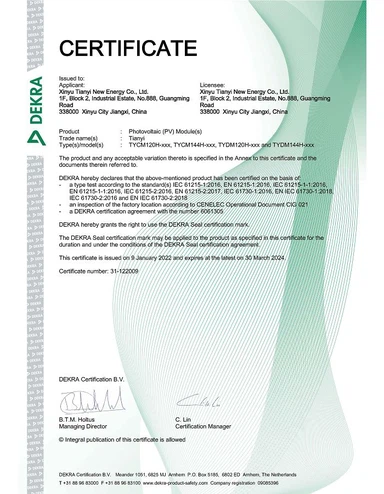
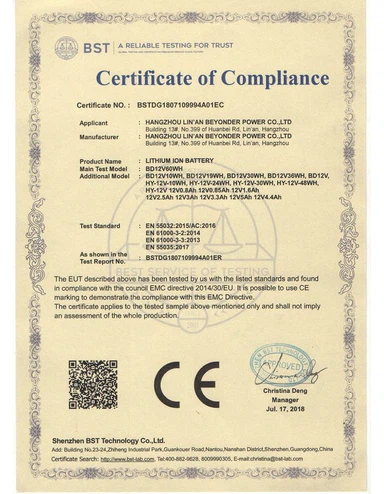
Our Certificate




FAQ
We're well-known as one of the leading solar panel manufacturers and suppliers in China. If you're going to wholesale custom made solar panel with competitive price, welcome to get more information from our factory.