


Inverters

Wholesale Solar Inverter Supplier | MECC with Global Certification
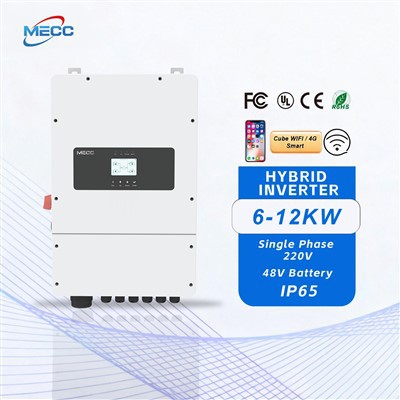
As a professional wholesale supplier of solar inverters, MECC has established a mature production and supply chain system to meet bulk procurement needs worldwide. Our inverters have obtained a full range of international certifications, including IEC 61646, TÜV Rheinland, UL 1741, and CE, enabling smooth access to markets in Europe, North America, Australia, and Southeast Asia. For distributors and project integrators, we offer tiered wholesale pricing based on order volume, with a minimum order quantity (MOQ) that accommodates both large-scale projects and regional distribution. Our annual production capacity of 1.5GW, paired with an intelligent warehouse management system, ensures on-time delivery even during peak demand seasons. We also provide free technical training for our partners to support installation and after-sales maintenance.




Energy Monitoring
Hybrid inverters simplify energy monitoring by allowing you to check vital data such as performance and energy production through the inverter's panel or a connected smart device. This eliminates the need to monitor multiple inverters separately.
Improved Performance
Hybrid inverters perform exceptionally well compared to other types of solar inverters. They aid in the elimination of issues like intermittent sunlight and unreliable utility grids, ensuring a more reliable and efficient energy production. Additionally, hybrid inverters allow you to store energy for future consumption, including backup power during power outages or peak hours.
Cost Savings
Hybrid inverters can result in significant energy cost savings. By using both power from the grid and your battery, they reduce your reliance on grid electricity, which can lead to a reduction in energy costs by up to 50% .
Environmental Benefits
Hybrid inverters help reduce carbon emissions by utilizing both AC and DC power sources. By switching between these power sources, they contribute to a more sustainable and environmentally friendly energy consumption.
Versatility
Hybrid inverters offer the advantage of being able to convert electricity in both directions. They can convert DC electricity from solar panels to AC for your home's use, and they can also convert AC electricity from the grid to DC power for charging solar batteries or electric vehicles. This versatility makes hybrid inverters a good option for homeowners considering energy storage options or planning to add an electric vehicle.
Remote Monitoring
Many modern inverters come with built-in monitoring systems that allow you to remotely track your energy production and usage. This can help you identify any issues or inefficiencies and make adjustments to optimize your system's performance.
What are the Applications of Inverters


Solar power systems
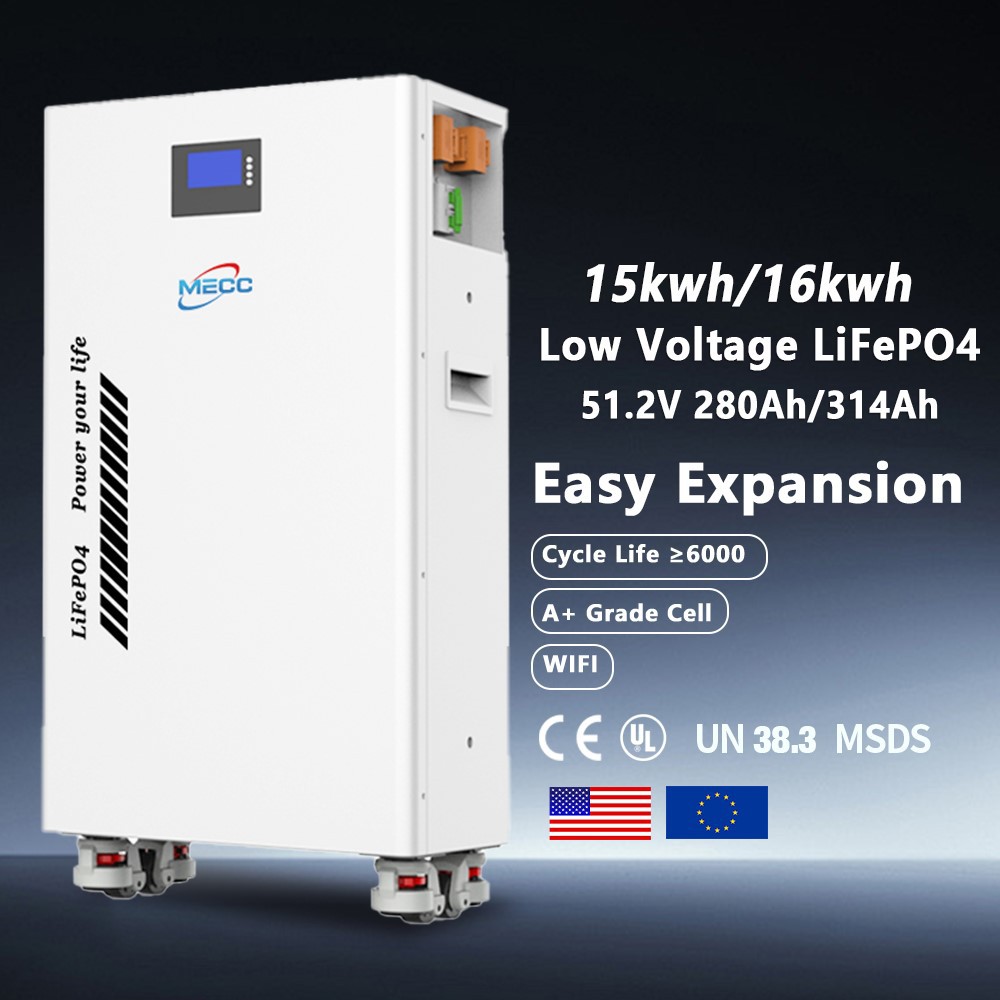
As the demand for renewable energy continues to increase, solar wall wart power supply is a popular energy option. Inverters play a key role in solar power systems by converting DC power collected through solar panels into AC power for use in homes, industries and commercial equipment. Inverters ensure power quality and provide reliable power supply.
Household appliances
Suitable for small households, especially rural areas, plateaus, mountains, islands, pastoral areas, border posts and other areas far away from the power grid or underdeveloped power grid for military and civilian life. With these applications of inverter, there is no need to be integrated into the power grid, which effectively solving the basic life of military and civilians in areas without electricity.
Solar street lights
The battery converts DC power into AC power through the inverter and transports it to the distribution cabinet, which is powered by the switching function of the distribution cabinet. The installation of solar street lights is simple and convenient, and the maintenance cost is low. Solar street lights use solar photovoltaic cells to provide electrical energy.
Outdoor lighting
In outdoor activities, power supply is mainly used for digital electrical products such as lighting, fans, televisions, and mobile phones. The solar power generation system adopts a portable design and has the characteristics of small size, light weight, high performance, strong practicality, and durability.
Types of Inverters
Stand-Alone Inverters
These are the most basic type of inverter and are used to convert DC power from a battery into AC power. They are commonly used in off-grid solar power systems, where there is no access to the grid.
Grid-Tied Inverters
These inverters are used in solar power systems that are connected to the grid. They convert DC power from solar panels into AC power that can be fed back into the grid.
Micro Inverters
These are small inverters that are attached to individual solar panels. They convert the DC power generated by the panel into AC power, which can be used directly or fed back into the grid.
Modified Sine Wave Inverters
These inverters create a modified sine wave AC voltage that is suitable for use with most electrical devices. They are less expensive than pure sine wave inverters but may not work well with certain devices.
Pure Sine Wave Inverters
These inverters create a pure sine wave AC voltage that is suitable for use with all electrical devices. They are more expensive than modified sine wave inverters but provide better performance and efficiency.
Single Phase Inverter
A single-phase inverter is a device that converts a single-phase input to a single-phase output. A single-phase inverter's output voltage/current is only one phase with a nominal frequency of 50Hz or a nominal voltage of 60Hz.
Components of Inverters
An inverter consists of three elements: a converter circuit that converts AC current into DC current, a capacitor, and a power inverter circuit. First, the converter circuit converts the AC to DC and then repeatedly charges and discharges the capacitor to create a stable DC.
Process of Inverters

Rectification
Inverters start with a rectifier that converts AC to DC. This is done by using diodes, which act as one-way valves that allow current to flow in only one direction.
Filtering
The DC output from the rectifier is not a pure DC current, as it contains ripples and other noise. Filtering is needed to remove these imperfections. This is achieved by using capacitors and inductors.
Inversion
The filtered DC is then fed to an inverter circuit, which converts it back to AC. The inverter circuit consists of semiconductor devices, such as MOSFETs, IGBTs, or thyristors. The switches in the inverter circuit are turned on and off in a specific pattern, according to the waveform that needs to be generated.
Output filtering
The AC output from the inverter circuit also contains ripples and other noise. Filtering is used again to smooth out the waveform and provide a clean output. The output filter typically consists of capacitors and inductors.
Control
Inverters require precise control to generate accurate waveforms. The control circuit monitors the input and output voltages as well as the current flowing through the inverter. It adjusts the operation of the switches in the inverter circuit to maintain the desired waveform and output voltage.
Protection
Inverters have built-in protection circuits to prevent damage from overvoltage, overcurrent, or short circuits. These protection circuits detect faults in the inverter and shut it down in case of a fault.
Maintenance Tips for Inverters
Check Battery Health When It is Fully Charged
If you don’t know how to check inverter battery health, you can skip this step. But if you are conducting an inverter battery maintenance check, it is vital that you do it when the battery is fully charged. Make sure that the battery was connected for at least 10-15 hours to get charged and before examining the health, remove the inverter from the front panel as well as the wall socket.
Clean The Battery Terminals Regularly
Inverter battery produces lead sulphate during normal operation. Lead sulphate gets deposited on the battery terminals and can reduce the electrical conductivity of your inverter. It deters current flow from the inverter and the machine becomes less efficient over time if it isn’t cleaned properly with warm water and a nylon brush.
Check The Acid Level Regularly
In a lead-acid battery, one of the two most important things besides lead is the acid. The float indicators in the inverter depict the acid level inside it, and for the proper functioning of the inverter, it is necessary that the acid level remains equal in all the cells. If the level is less in any float indicator, top it up with distilled water.
Store The Inverter in an Airy Space
An inverter can generate a lot of heat while operating and this heat can be the cause of its downfall. While installing an inverter at home, make sure that it is placed in an airy space with lots of room for the heat to dissipate, so that it doesn’t harm the functioning of the inverter.
Keep The Battery Surface Clean
Accumulation of dirt or dust on the battery surface can also hinder electricity conduction from the inverter to the converter. It can deposit on the terminals and disrupt the power flow, so try to keep the battery surface clean as much as you can.
Use The Inverter Regularly
The inverter should be used regularly to maintain the charge. It is recommended to discharge the inverter battery once a month at least. Even if there is no power cut for a whole month, try to use the appliances on the inverter battery and discharge it completely.
How to Choose Inverter
Step 1: Identify Your Power Requirements
Do not get baffled by the word Identify. There is no rocket science to it. Just list down the appliances you wish to operate on inverter power. Suppose you plan to connect 2 tube lights (60 Watts), 1 fan (70 Watts) and 2 CFLs (40 Watts). In this scenario, your total power requirement will be: 60 + 70 + 40 = 170 Watts
Step 2: Check the VA Rating of the Inverter
Now, the next step is to buy an inverter with proper Volt Ampere (VA) rating. VA implies the voltage and current supplied by the inverter to the appliances. So, how do we decide how much VA would suffice our electricity requirement? It could be better explained through below equation viz., the ratio of total power requirement by the appliances to the power factor of the inverter.
Step 3: Get an Appropriate Battery for the Inverter
A proper battery is the backbone of an inverter. It wields the performance and life of the inverter. Now, we arrive at the pivotal question-“How long will the inverter provide back-up for the appliances?”This question is answered by the battery capacity which determines the back-up time expressed in Ampere Hours (Ah). So, how to decide the battery capacity? Let's say you need a back-up for 6 hours.
The small inverters (150 watts) come with a cigarette lighter adapter, and may be plugged into your car's lighter socket. Units from 300W and above, are supplied with DC connection cables that must be firmly connected directly to a battery.
Larger inverters (300 watts and over) must be hard-wired directly to a battery. The cable size depends on the distance between battery and inverter, and will be specified in the Owner's Manual.When connecting the inverter to the battery use the thickest wire available, in the shortest length practical.
NOTE: Cable size recommendations may vary among inverter brands and models; check the Owner's Manual for the model you purchased before you buy the wire for it.
The small inverters (150 watts) come with a cigarette lighter adapter, and may be plugged into your car's lighter socket. Units from 300W and above, are supplied with DC connection cables that must be firmly connected directly to a battery.
Larger inverters (300 watts and over) must be hard-wired directly to a battery. The cable size depends on the distance between battery and inverter, and will be specified in the Owner's Manual.When connecting the inverter to the battery use the thickest wire available, in the shortest length practical.
NOTE: Cable size recommendations may vary among inverter brands and models; check the Owner's Manual for the model you purchased before you buy the wire for it.
How to Improve Inverters Quality & Efficiency?
Raw material
Manufacturers in order to achieve quality control of the solar inverter and improve the quality of it. The first thing is to control the production materials. Power inverter housing mainly made of copper and iron. If the housing material good enough, we can guarantee the integrity of the device shell. So, manufacturers can choose high-quality copper and iron material to produce an inverter.
Production process
Manufacturers can also control the solar inverter quality by production process. Production process is mainly to control all production processes of the solar inverter. Control the production process in every aspect of the production staff should strictly abide by the relevant manufacturing operations processes to improve product quality, thereby enhancing production efficiency and product qualification rate.
Reduce self-loss
It is precisely because the inverter itself in practical applications will be part of a power loss, so that its output power is decreased, so people can improve their working efficiency by reducing the inverter's own copper and iron losses.
Reducing IGBT losses
People in order to improve the efficiency of the inverter can also reduce the IGBT loss from areas to start, mainly to reduce IGBT switching frequency. It should be noted here is to reduce the switching frequency cannot be unlimited, otherwise it will lead to a wave inverters worse, increasing noise of the machine and reduce power quality.
Our Factory
MECC has become a world well-known brand,successfully developed and manufactured powerwall ,Li-Ion Battery Pack ,solar energy system Residential Energy Storage System .Since then, MECC's products have supported renewable energy enthusiasts and production facilities around the world, now covering more than 140 countries, establishing itself as an unshakable leader in the solar energy systems industry.


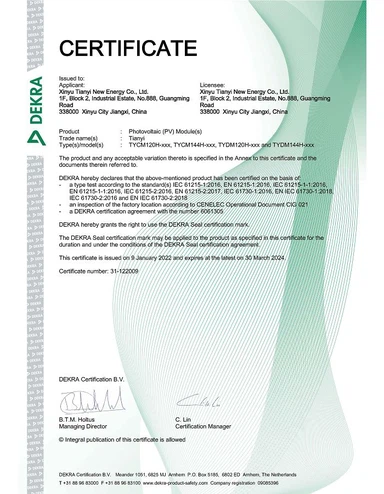
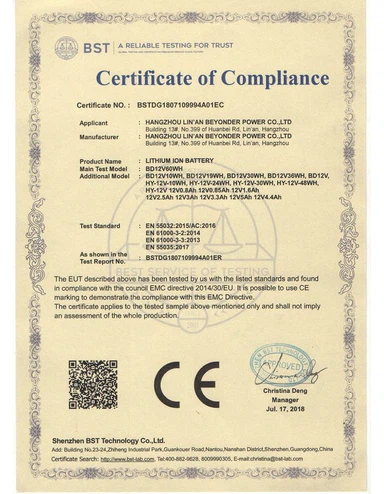
Our Certificate




FAQ
We're well-known as one of the leading inverters manufacturers and suppliers in China. If you're going to wholesale custom made inverters with competitive price, welcome to get more information from our factory.