


Li-ion Battery Cell

OEM/ODM Li-ion Battery Cell Manufacturer
As a trusted wholesale supplier of li-ion battery cells, MECC focuses on delivering products that balance performance and cost-effectiveness for bulk buyers. Our battery cells are specifically optimized for energy storage systems (household, commercial), electric two-wheelers, and portable power stations—featuring stable discharge performance and low self-discharge rate (less than 2% per month). We utilize fully automated production lines with 12 quality inspection nodes, ensuring a product pass rate of over 99.5% and consistent quality for large orders. Competitive wholesale pricing is available based on order volume, and we offer flexible delivery schedules to align with your project timelines. Whether you're a distributor or system integrator, we can meet your bulk procurement demands efficiently.
Anode: Typically made of graphite or another form of carbon, the anode serves as the negative electrode where lithium ions are stored during the charging process.
Cathode: Usually composed of a material containing lithium metal oxide, such as lithium cobalt oxide (LiCoO2), lithium manganese oxide (LiMn2O4), or lithium iron phosphate (LiFePO4), the cathode acts as the positive electrode where lithium ions are released during discharge.
Electrolyte: A liquid, gel, or solid that allows lithium ions to move between the anode and cathode. It is typically a lithium salt dissolved in an organic solvent.
Separator: A porous membrane that physically separates the anode and cathode while allowing lithium ions to pass through. It must prevent electrical contact between the two electrodes to avoid short circuits.


What are the Working Theory of Li-Ion Battery Cell
The working theory of a Li-ion battery cell is based on the reversible insertion and extraction of lithium ions between the anode and cathode materials through the electrolyte. Here's a detailed explanation of the processes involved during charge and discharge cycles:
Oxidation at the Anode: When the Li-ion battery is providing power (discharging), lithium ions are oxidized at the anode. This means they lose electrons to become lithium ions (Li+). These ions then move through the electrolyte toward the cathode.
Electron Flow Through External Circuit: Simultaneously, electrons travel through the external circuit from the anode to the cathode. This flow of electrons provides the electrical energy needed to power connected devices.
Reduction at the Cathode: Upon reaching the cathode, the lithium ions gain electrons (are reduced) and combine with the cathode material, which typically has a metal oxide structure. This reaction forms lithium compounds within the cathode.
Energy Release: The chemical reactions at both the anode and cathode release energy, which is harnessed as electrical power for the device being powered by the battery.

Charge Cycle (Recharging)

Reversing the Discharge Process: Charging the battery reverses the discharge process. An external charger applies a higher voltage than the battery's resting voltage, forcing lithium ions to move from the cathode back to the anode.
Electron Flow From the External Circuit: Electrons are forced from the cathode to the anode through the external circuit. This movement is against the natural direction of electron flow during discharge.
Deposition of Lithium at the Anode: As lithium ions reach the anode, they are inserted into the graphite structure, and electrons are supplied to them from the external circuit. This restores the anode's lithium content.
Restoration of Chemical Potential: The chemical reactions at the anode and cathode are driven in reverse, restoring the potential difference between the two electrodes. This replenishes the energy that can be later released during discharge.
High Energy Density: Li-ion batteries have a high energy density per unit weight and volume, meaning they can store a significant amount of energy in a compact and lightweight form. This characteristic is particularly beneficial for portable devices and electric vehicles, where weight and space are at a premium.
Low Self-Discharge Rate: Compared to other rechargeable battery types, Li-ion batteries have a lower self-discharge rate, which means they retain their charge for longer periods when not in use.
No Memory Effect: Unlike some other rechargeable batteries, Li-ion cells do not exhibit memory effects. This means they do not need to be fully discharged before recharging to maintain their maximum capacity, making them more convenient to use.
Long Cycle Life: With proper management and care, Li-ion batteries can last for thousands of charge and discharge cycles. This longevity contributes to their overall cost-effectiveness over their life span.
Variety of Chemistries: There are multiple cathode materials available for Li-ion batteries, such as lithium cobalt oxide (LiCoO2), lithium manganese oxide (LiMn2O4), lithium iron phosphate (LiFePO4), and lithium nickel manganese(LiNiMnCoO2)or NMC. These different chemistries allow engineers to tailor battery characteristics, such as energy density, cost, and safety, to meet specific application needs.
Partial State of Charge Operation: Li-ion batteries can operate efficiently even when not fully charged, which is advantageous for applications where continuous operation is required, and complete recharges are not always possible.
Environmentally Friendly: Although the production and disposal of Li-ion batteries involve environmental concerns, their recyclability and the reduction in greenhouse gas emissions when used in place of fossil fuels make them a greener option compared to some alternatives.
Types of Li-Ion Battery Cell

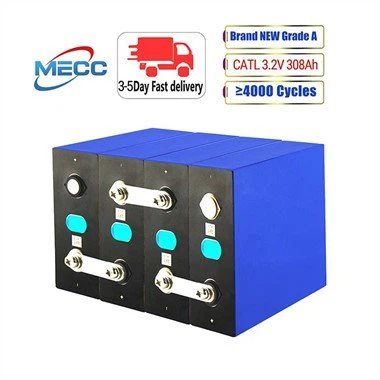


There are several types of Li-ion battery cells, each with distinct characteristics that make them suitable for different applications. The main categories include.
Lithium Cobalt Oxide (LiCoO2): This is one of the oldest and most common Li-ion battery types, known for its high energy density, making it popular for small electronic devices like smartphones, laptops, and cameras. However, it has a lower thermal stability and is more prone to overheating compared to other Li-ion chemistries.
Lithium Manganese Oxide (LiMn2O4): Also known as spinel, this type offers good cycling performance and better thermal stability than LiCoO2. It's often used in power tools and some hybrid electric vehicles.
Lithium Iron Phosphate (LiFePO4): Known for its long cycle life and excellent thermal stability, LiFePO4 is commonly used in electric vehicles, backup power systems, and medical devices. It has a lower energy density compared to other Li-ion chemistries but is safer due to its inherent stability.
Lithium Nickel Manganese Cobalt Oxide (NMC): This is a combination of the previous chemistries, offering a good balance of energy density, safety, and lifespan. NMC batteries are widely used in electric vehicles and energy storage systems. Variations of NMC exist with different ratios of nickel, manganese, and cobalt, which can affect the battery's properties.
Lithium Nickel Cobalt Aluminum Oxide (NCA): NCA batteries have a high energy density, making them ideal for electric vehicles that require long ranges. They contain a higher proportion of nickel compared to NMC, which contributes to their high capacity but also makes them more expensive and potentially less stable than other chemistries.
Lithium Titanate (Li4Ti5O12 or LTO): Lithium titanate batteries offer extremely fast charging capabilities and high thermal stability. They are used in applications where rapid charging is essential, such as in electric buses and some energy storage systems.
Things to Note When Using Li-Ion Battery Cell
When using Li-ion battery cells, it's important to consider the following factors to ensure safety, efficiency, and longevity.
Charge and Discharge Rates: Li-ion batteries should be charged and discharged within their recommended C-rate, which is a measure of how fast the battery can safely be charged or discharged relative to its capacity. Exceeding the C-rate can lead to excessive heat generation, reduced lifespan, or even damage to the battery.
Voltage and Current Monitoring: Use appropriate circuitry to monitor and control the voltage and current during charging and discharging to prevent overcharging, undercharging, and overcurrent conditions.
Thermal Management: Li-ion batteries generate heat during operation, so adequate cooling is necessary to maintain safe operating temperatures. Overheating can cause thermal runaway, which may result in fires or explosions.
Balancing: In multi-cell Li-ion battery packs, individual cells can become unbalanced in terms of charge level over time. Balancing circuits are essential to equalize the charge among all cells, preventing undercharging of some cells and overcharging of others.
Storage: When storing Li-ion batteries, maintain them at a partial charge (typically around 40% to 60% of their full capacity) and in a cool, dry environment to minimize self-discharge and degradation.
Handling Precautions: Avoid exposing Li-ion batteries to mechanical shock, vibration, or penetration, as physical damage can compromise their integrity and lead to leaks or internal short circuits.
Recycling and Disposal: Properly recycle or dispose of Li-ion batteries to prevent environmental harm and ensure safe handling of hazardous materials. Do not dispose of them in regular trash.
Compatibility: Ensure that the battery management system (BMS) and charger are compatible with the specific Li-ion battery chemistry being used to avoid incompatible charging profiles that could damage the battery.
Safety Features: Incorporate safety features such as pressure relief valves, temperature sensors, and protection circuits to mitigate risks associated with abnormal operating conditions.
Regular Maintenance: Regularly inspect Li-ion batteries for signs of damage, wear, or swelling. Promptly address any issues to prevent potential failures or safety incidents.
When purchasing Li-ion battery cells, several key factors must be taken into account to ensure that the chosen cells meet the requirements of the intended application.
Capacity: Measured in milliampere-hours (mAh), capacity indicates how much charge the battery can store. Choose a cell with sufficient capacity to meet the energy requirements of your application.
Voltage: The nominal voltage of the cell should align with the requirements of the device or system it will power. Li-ion cells typically have a nominal voltage around 3.6V to 3.7V per cell.
Size and Shape: Batteries come in various sizes and shapes. Select a form factor that fits the design constraints of the application, considering space availability and mechanical integration.
Chemistry: Different Li-ion chemistries offer varying balances of energy density, cost, cycle life, temperature performance, and safety. Choose a chemistry that best suits the application's needs.
C-Rate: The C-rate determines the maximum safe charge and discharge rates. A higher C-rate means faster charging and discharging, but it may also affect the battery's lifespan and safety.
Cycle Life: The number of charge and discharge cycles the battery can undergo before it reaches a defined percentage of its original capacity. Longer cycle life is generally desirable, especially for applications requiring frequent charging.
Operating Temperature Range: The temperature range in which the battery can safely operate. Ensure that the battery's temperature tolerance matches the environmental conditions of the application.
Self-Discharge Rate: All batteries lose charge over time when not in use. A lower self-discharge rate is preferable for applications where the battery might sit unused for extended periods.
Safety Features: Look for batteries with built-in safety features such as overcharge, overdischarge, short-circuit, and overheat protection to prevent accidents and extend the battery’s life.
Brand Reputation and Warranty: Purchase from reputable manufacturers with a history of quality and reliability. A longer warranty period can provide additional assurance and support.
Cost: Consider the total cost of ownership, including the purchase price, expected lifespan, and replacement costs. Balance initial investment with long-term value.
Battery Management System (BMS): For larger battery packs, a BMS is critical for monitoring and managing the battery's health, safety, and performance. Ensure the BMS is compatible with the selected Li-ion cells.
Certifications
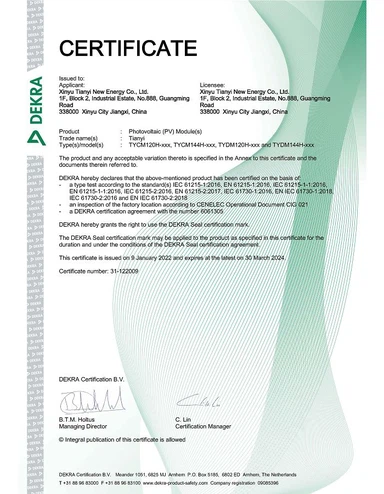


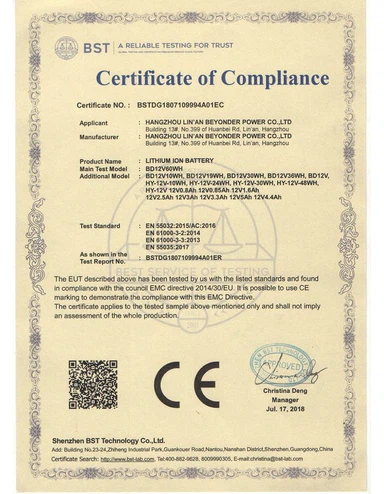
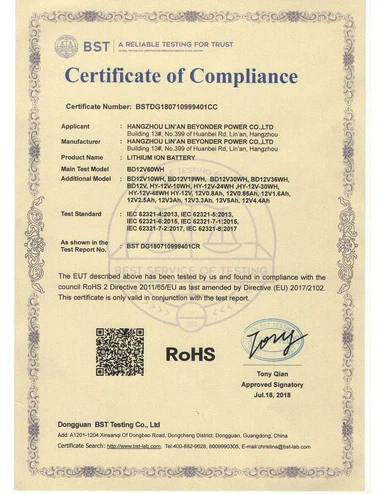


Our Factory
MECC has become a world well-known brand,successfully developed and manufactured powerwall ,Li-Ion Battery Pack ,solar energy system Residential Energy Storage System .Since then, MECC's products have supported renewable energy enthusiasts and production facilities around the world, now covering more than 140 countries, establishing itself as an unshakable leader in the solar energy systems industry.


FAQ
We're well-known as one of the leading li-ion battery cell manufacturers and suppliers in China. If you're going to wholesale custom made li-ion battery cell with competitive price, welcome to get more information from our factory.
lithium ion phosphate battery, aa lithium batteries, 72v 50ah lithium battery