


Polycrystalline Solar Panel
Wholesale Polycrystalline Solar Panel Supplier with High Cost-Efficiency
MECC polycrystalline solar panels are manufactured with high-purity polycrystalline silicon wafers and advanced screen printing technology, focusing on balancing performance and cost-effectiveness—an ideal choice for large-scale ground power stations and distributed roof projects. As a professional wholesale supplier, we offer preferential pricing for bulk orders, and our annual production capacity of 3GW ensures timely delivery.


Eatures And Characteristics Of Polycrystalline Solar Panel
Material Composition: The primary material used in polycrystalline solar panels is polycrystalline silicon. Unlike monocrystalline solar panels, which are made from a single crystal structure, polycrystalline panels are composed of multiple crystal structures.
Appearance: Polycrystalline solar cells typically have a blueish appearance due to the multiple crystals in each cell. The manufacturing process results in a less uniform and more speckled surface compared to the smooth and black appearance of monocrystalline cells.
Efficiency: Polycrystalline solar panels generally have a lower efficiency compared to monocrystalline panels. The efficiency of polycrystalline panels typically ranges from 15% to 18%, with variations based on the specific manufacturing process and technological advancements.
Cost: Polycrystalline solar panels are often more cost-effective to produce than monocrystalline panels. The manufacturing process allows for a higher yield of usable silicon, contributing to a lower cost per watt of installed capacity.
Performance: While polycrystalline panels have a lower efficiency, they can still perform well under various light conditions. They are suitable for residential and commercial solar installations where space may not be a limiting factor.
Suitability: Polycrystalline solar panels are a good choice for applications where cost is a significant consideration, and there is ample space for installation. They are commonly used in residential rooftops, commercial installations, and utility-scale solar farms.
Application of Polycrystalline Solar Panel


Residential Rooftop Installations: Homeowners often install polycrystalline solar panels on their rooftops to generate electricity for their domestic needs. These systems can significantly reduce electricity bills and, in some cases, allow homeowners to sell excess power back to the grid.
Commercial Solar Farms: Businesses with large areas of land may develop commercial solar farms using polycrystalline panels. These farms can supply a considerable amount of power to the local grid and help companies meet renewable energy targets.
Agricultural Applications: Farmers can use polycrystalline solar panels to power equipment, water pumps, and even to generate additional income by selling excess electricity. Solar panels can also be integrated into greenhouses to provide shade while generating energy.
Off-Grid Systems: In remote locations without access to the main electricity grid, polycrystalline solar panels can be used to power homes, schools, and community centers. They are often paired with battery storage systems to ensure a consistent power supply.
Public Sector Projects: Governments and public institutions use polycrystalline solar panels in various applications, including street lighting, traffic signs, and the power supply for public buildings, to reduce energy costs and demonstrate commitment to sustainability.
Industrial Processes: Some industries, such as textile manufacturing or food processing, require large amounts of energy. By installing solar panels, these facilities can decrease their dependence on fossil fuels and lower their operational costs.
Water Heating: Polycrystalline solar panels can be used in solar thermal systems to heat water for domestic or industrial use. This application is especially effective in regions with high sun exposure.
Telecommunications: Solar-powered telecommunication towers and repeaters are common in rural and undeveloped areas. Polycrystalline solar panels provide a reliable source of energy to keep communication networks running.
Transportation: Electric vehicles (EV) charging stations can be powered by polycrystalline solar panels, offering a sustainable way to charge EVs. Additionally, solar-powered bus shelters and street lamps contribute to urban sustainability.
Aid and Development: Humanitarian organizations and aid agencies use polycrystalline solar panels in disaster relief and development projects to provide energy for critical services such as lighting, refrigeration, and communication.
What Are the Advantages Of Using Polycrystalline Solar Panels?
Polycrystalline solar panels offer several advantages that make them a suitable choice for various applications, particularly in terms of cost-effectiveness, environmental impact, and ease of installation.
Cost-Efficiency: Polycrystalline solar panels tend to be less expensive than monocrystalline panels because they are easier and cheaper to produce. This cost advantage makes solar energy more accessible to a broader range of consumers and businesses.
Manufacturing Process: The production process for polycrystalline panels involves melting silicon fragments, rather than growing single crystals, which reduces waste and simplifies manufacturing. This results in a more streamlined and cost-effective production process.
Environmental Impact: The reduced energy consumption and materials wastage during the manufacturing of polycrystalline panels mean that the environmental footprint associated with their production is generally lower compared to monocrystalline panels.
Performance in Warmer Conditions: Polycrystalline solar panels typically perform better in warmer climates than monocrystalline panels. This is because the temperature coefficient of polycrystalline panels is generally lower, meaning that their efficiency decreases less with rising temperatures.
Ease of Installation: Polycrystalline solar panels are often rectangular in shape, which can simplify the installation process, especially when aligning multiple panels in a grid or array. This can lead to faster and more cost-effective installation times.
Durability: Polycrystalline solar panels are known for their durability and long lifespan. They can withstand harsh weather conditions, including extreme temperatures, high winds, and snow loads, making them suitable for a wide range of environments.
Recyclability: Both monocrystalline and polycrystalline solar panels can be recycled. However, since polycrystalline panels contain fewer pure silicon materials, they might be easier to recycle, although specialized facilities are required for both types of panels.
Modularity: Polycrystalline solar panels come in standard sizes and wattages, which allows for easy scalability and modularity. This means that systems can be customized to meet specific energy needs, whether for small residential setups or larger commercial installations.
Polycrystalline solar panels are composed of individual solar cells that are manufactured from silicon. The composition and structure of these panels can be broken down into several key components.
Silicon Cells: The core of a polycrystalline solar cell is made from silicon. Unlike monocrystalline cells, which are cut from a single crystal of silicon, polycrystalline cells are made from silicon that has been melted and poured into molds to form ingots. These ingots are then sliced into thin wafers. The silicon in polycrystalline cells contains a mixture of crystals, giving it a multifaceted appearance.
Anti-Reflective Coating: To increase the absorption of light, a thin layer of anti-reflective coating is applied to the surface of the silicon wafers. This coating helps minimize the amount of light that is reflected away from the cell.
Conductive Adhesives: Metallic contacts are added to the front and back of the silicon wafers to create electrical connections. Silver paste is commonly used as a conductive adhesive to connect the cells in series and parallel to form a circuit.
Front Contact Grid: To facilitate the collection of electrical current, a fine grid pattern of metal is printed on the front surface of the silicon wafer. This grid reduces resistance and maximizes the flow of electrons.
Back Sheet: The back of the solar cell is sealed with a protective back sheet, which is typically made from Tedlar (PVF), polyethylene, or another durable material. This back sheet protects the internal components from environmental factors.
Encapsulant Layers: Solar cells are encapsulated between layers of EVA (ethylene vinyl acetate) or other encapsulants. These materials provide protection against moisture and physical damage and help to bond the solar cells together.
Glass Cover: The front of the solar panel is covered with a tempered glass layer, which provides protection against weather elements, impacts, and UV radiation.
Frame: Most polycrystalline solar panels have an aluminum frame that adds structural stability and provides a means for mounting the panel.
Junction Box: At the rear of the panel, a junction box houses diodes and connectors that manage the flow of electricity. The junction box is designed to prevent reverse current flow when the panel is not producing electricity (e.g., at night).
Wiring: Cables and connectors are used to route the electrical output from the junction box to the rest of the electrical system.
Maintenance Tips for Polycrystalline Solar Panel
To ensure optimal performance and longevity of polycrystalline solar panels, follow these maintenance tips.
Regular Cleaning: Keep the panels clean by removing dust, leaves, bird droppings, and any other debris. You can use a soft brush or a squeegee with plain water. Avoid using harsh chemicals or abrasive materials that could scratch the surface.
Check for Shade: Ensure that trees, bushes, or other structures do not start casting shade on your panels, as this can reduce their efficiency. Trim vegetation as needed.
Inspect for Damage: Periodically check for any signs of physical damage, such as cracks, discoloration, or broken glass. Promptly repair or replace damaged parts to prevent further degradation.
Monitor Performance: Keep an eye on the energy output of your solar panels. A sudden drop in performance may indicate a problem that requires attention. Many solar systems come with monitoring software that can help you track production.
Verify Connections: Check all electrical connections, including those in the junction box and the wiring leading to and from the inverter. Loose or corroded connections can lead to power loss and safety hazards.
Protect Against Wildlife: Animals like birds and squirrels may nest under solar panels or chew on wires. Take measures to deter wildlife, such as installing wire mesh around the panels.
Snow Removal: If you live in an area with heavy snowfall, gently remove accumulated snow to prevent shading and maintain efficiency. Be careful not to damage the panels with sharp tools or excessive force.
Avoid Obstructions: Make sure that there are no objects leaning against the panels that could block sunlight or put pressure on them.
Service the Inverter: The inverter is a critical component that converts DC power from the solar panels into AC power for use in your home. It should be checked and serviced according to the manufacturer's recommendations.
Hire a Professional: While some maintenance tasks can be done yourself, it’s wise to hire a professional solar technician for more complex inspections and repairs. They have the expertise and equipment to ensure everything is functioning correctly and safely.
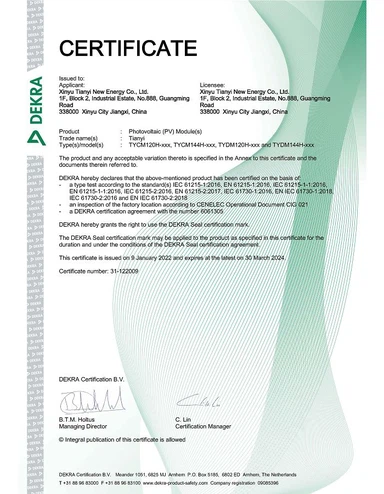
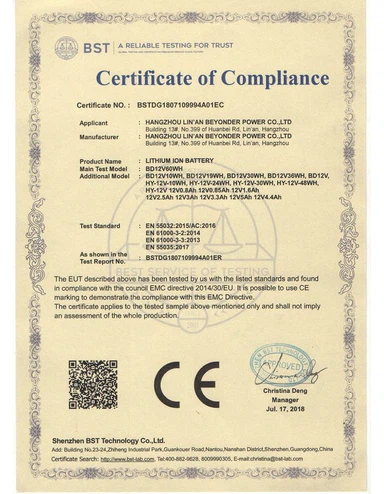
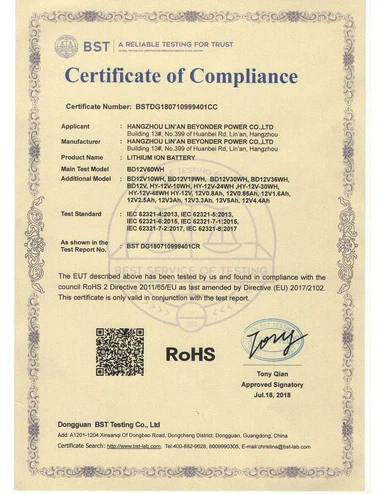
Certifications




Our Factory
MECC has become a world well-known brand,successfully developed and manufactured powerwall ,Li-Ion Battery Pack ,solar energy system Residential Energy Storage System .Since then, MECC's products have supported renewable energy enthusiasts and production facilities around the world, now covering more than 140 countries, establishing itself as an unshakable leader in the solar energy systems industry.


FAQ
We're well-known as one of the leading polycrystalline solar panel manufacturers and suppliers in China. If you're going to wholesale custom made polycrystalline solar panel with competitive price, welcome to get more information from our factory.
100W 12V Poly Solar Panel, 100 Watt Black Poly Solar Panel, best solar panels for home