


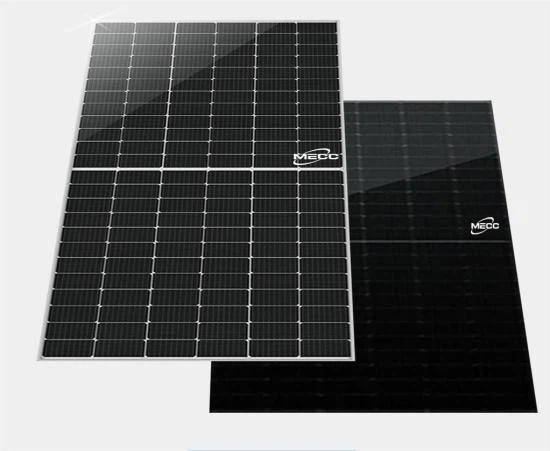















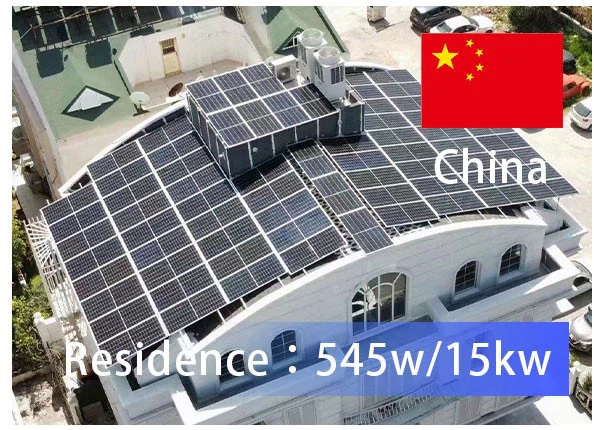
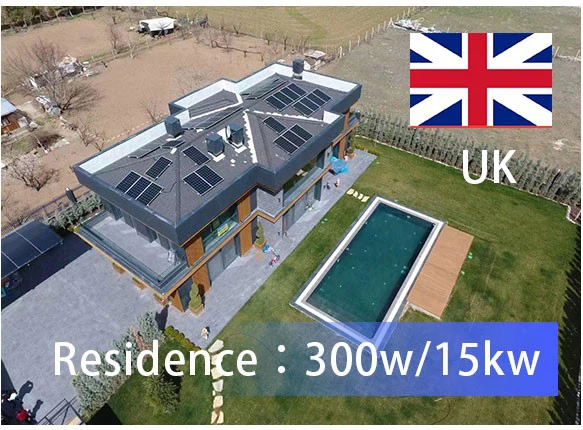



TOPCON N Type Bifacial Solar Panel:
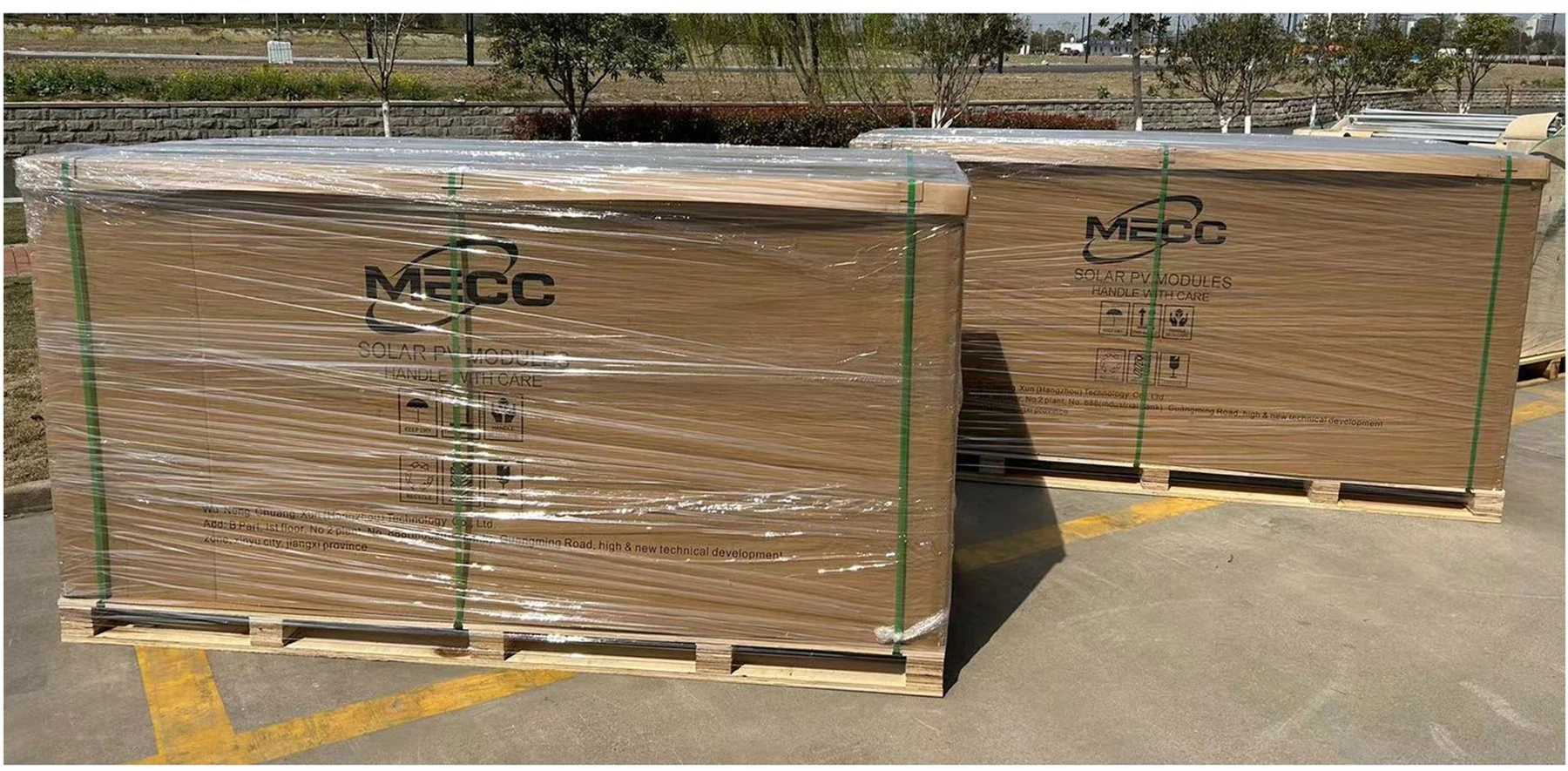
Power : 590 W-710W
Power tolerance : 0 to +5 W
Warranty : 30 years
CE/TUV/ISO/intertek
Inverter power : 3-30 kW
Output : Single phase 220/230V Split Phase 120/240V
IP21 Warranty : 2 years
IP65 Warranty : 5 years
CE/TUV/EN-50549
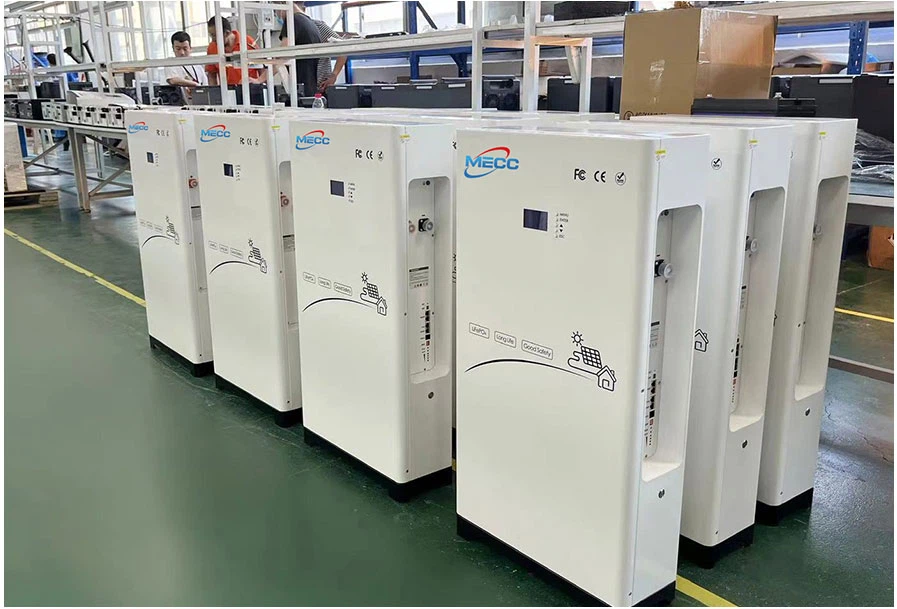
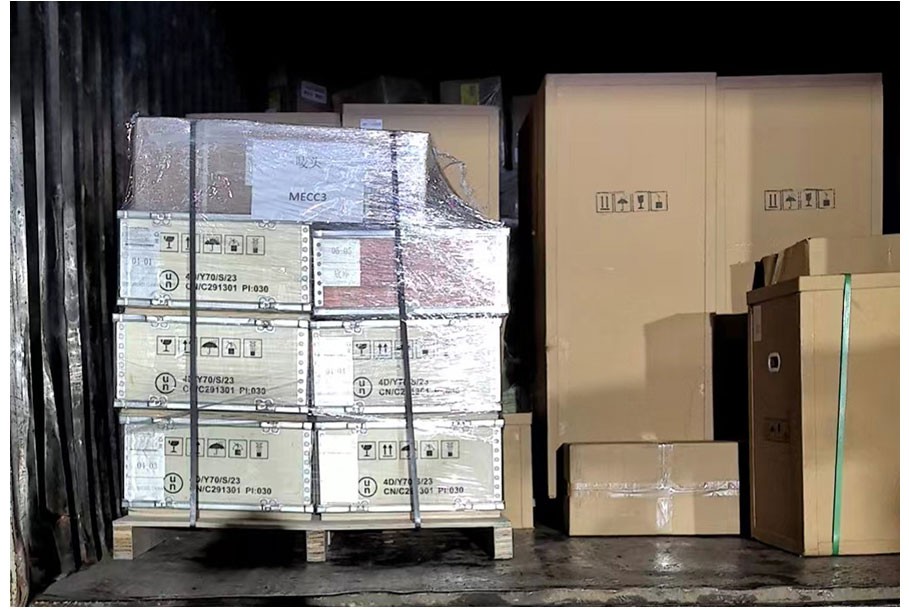
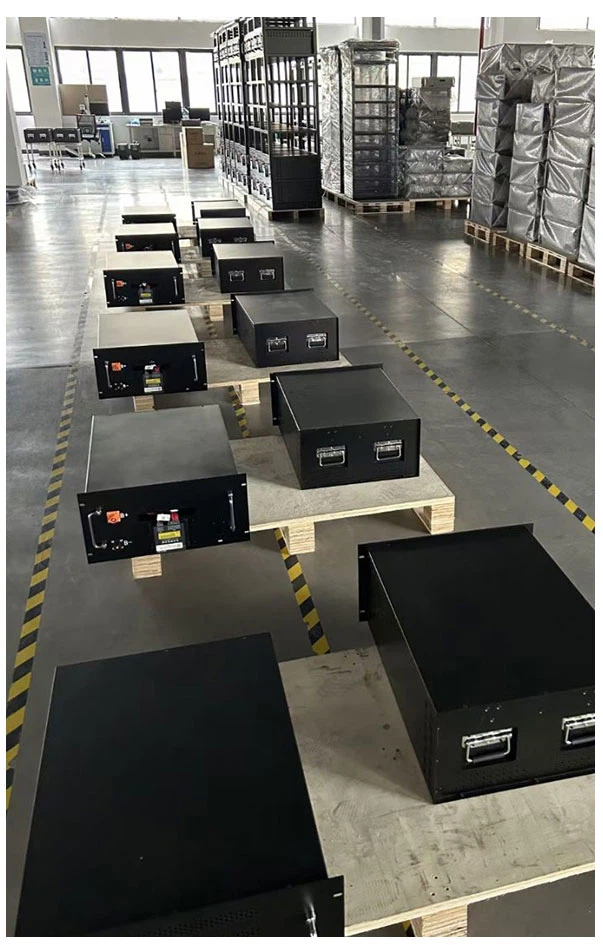
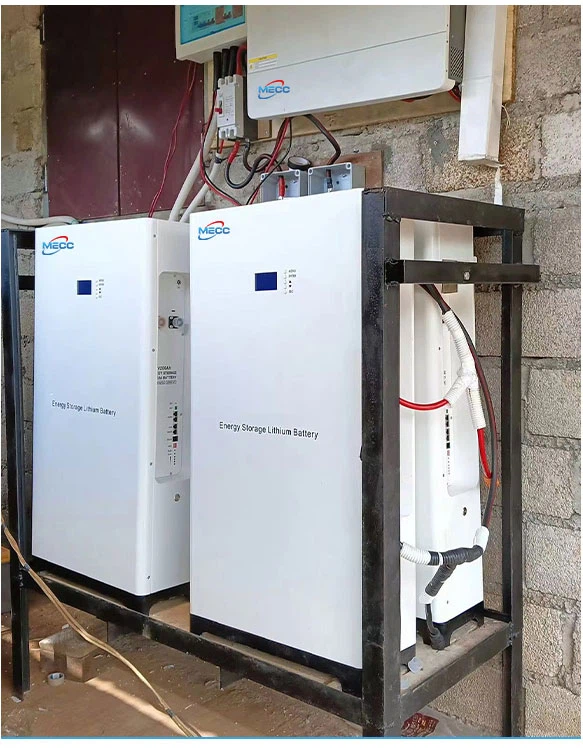
LiFePO4 Battery Power : 5-60 KWH (0.5C)
Battery Voltage : 48/51.2V 100-314AH
Cycle times :6000+
Warranty : 5 years
CE/MSDS/UN38.3
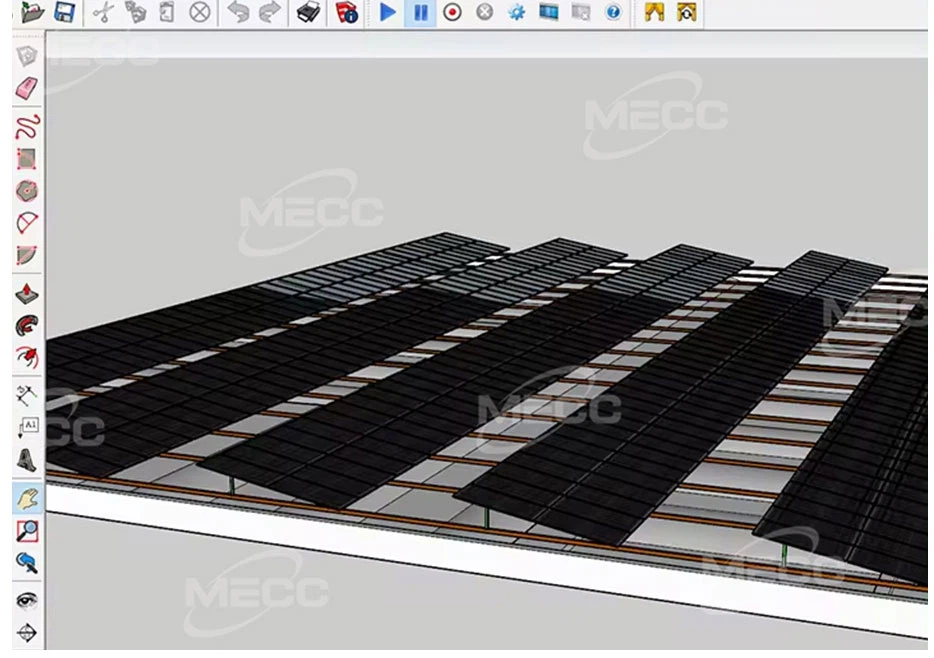
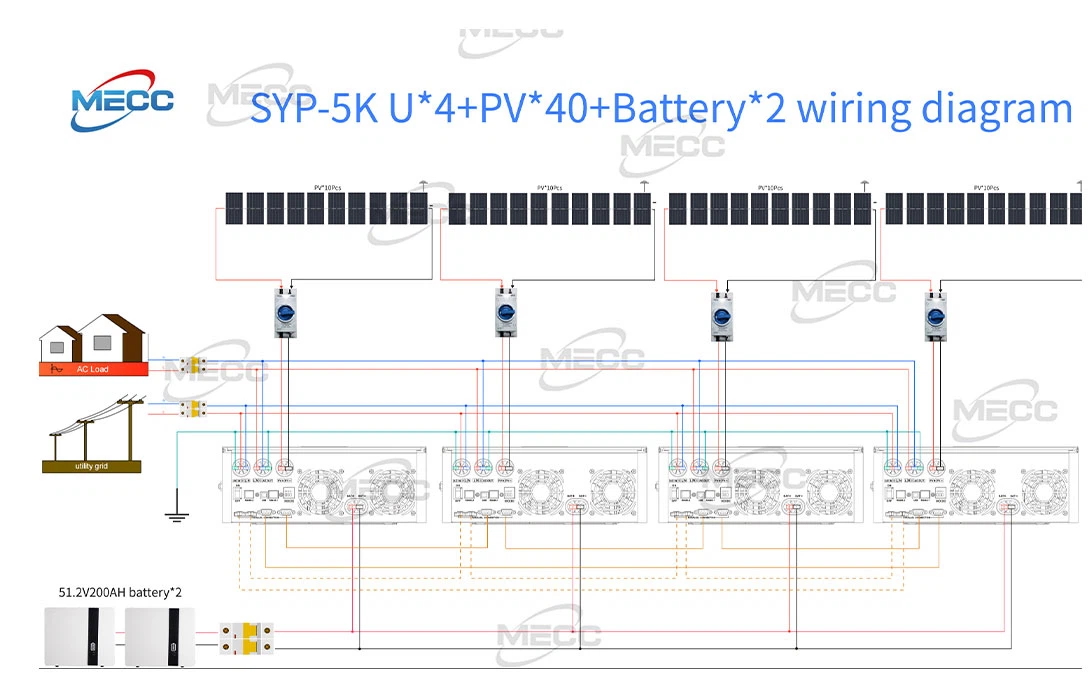
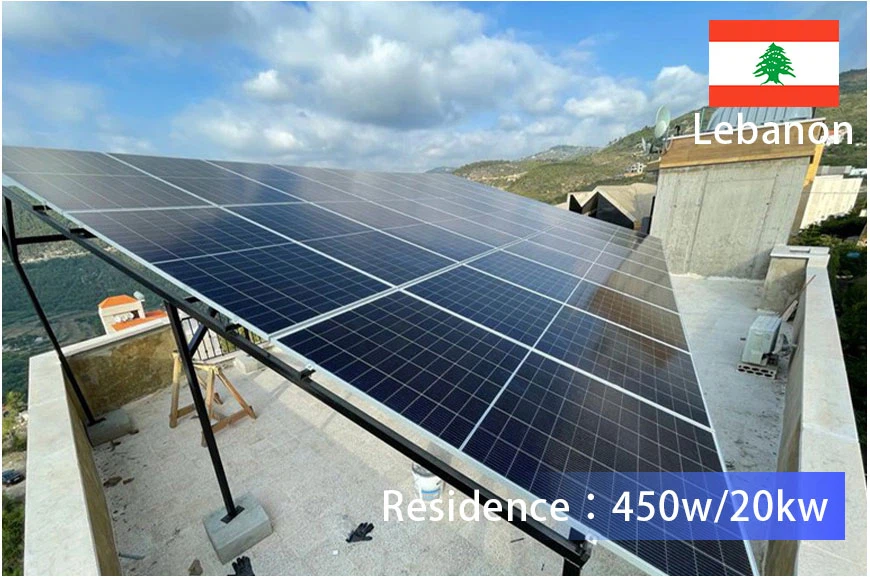
Solar Panels: High-efficiency monocrystalline or polycrystalline panels (typically 3–10kW) capture sunlight to generate DC electricity, forming the primary renewable energy source.
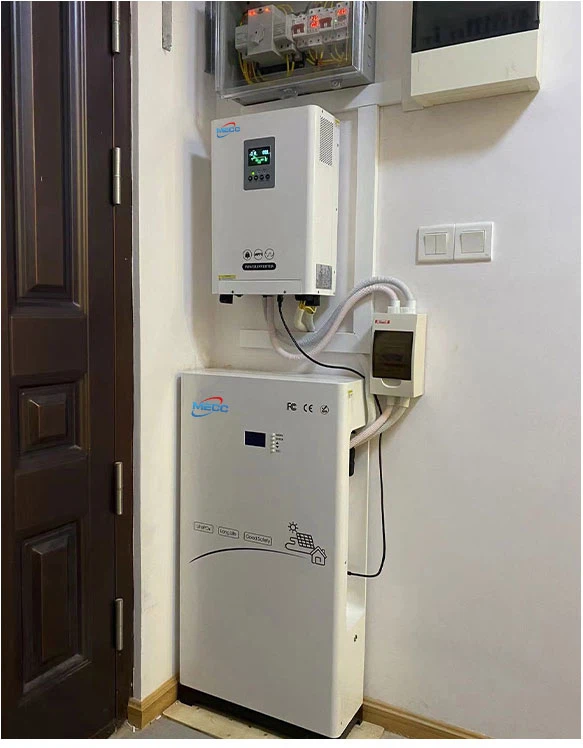
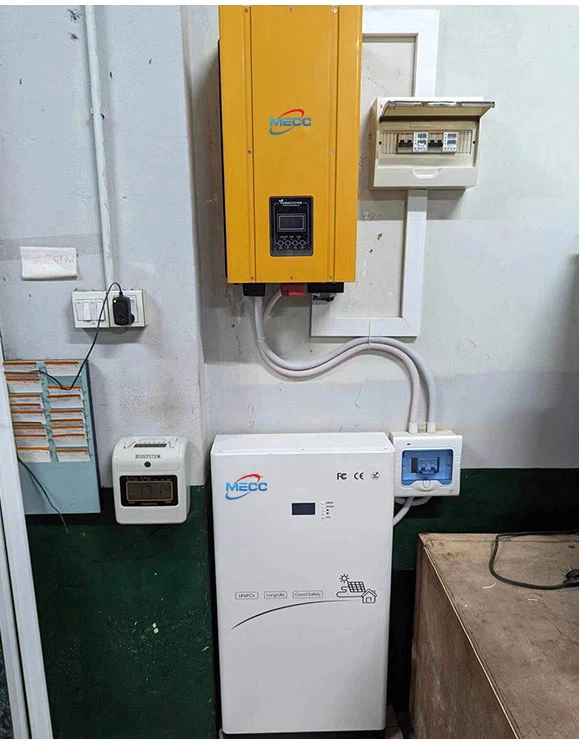
Hybrid Inverter: A critical component that converts solar DC power to AC for immediate use, manages battery charging/discharging, and synchronizes with the grid. Unlike standard inverters, it supports bidirectional energy flow (solar → battery/grid, grid → battery/loads).
Lithium Battery Storage: A high-capacity battery pack (5–20kWh, often LiFePO4) stores excess solar energy for use during low sunlight (evenings, cloudy days) or grid outages. Equipped with a Battery Management System (BMS) to protect against overcharging/discharging.
Energy Management Controller: Smart software that prioritizes energy usage:
First, uses solar power to meet real-time loads.
Excess solar charges the battery.
When solar and battery are insufficient, draws from the grid (or generator, if included).
Optional Generator Integration: For extended outages or high-demand periods, a backup generator (e.g., propane, diesel) can recharge the battery or power loads, ensuring off-grid capability.
Dual Operation Modes:
Grid-Tied with Storage: Uses solar first, then battery, and grid as a backup-minimizing grid reliance and reducing electricity bills. Excess solar can be exported to the grid for credits (via net metering).
Off-Grid Capability: During outages, switches to "backup mode," using stored battery power (and generator, if connected) to keep critical loads running (fridges, lights, medical equipment).
Energy Independence & Cost Savings:
Reduces grid electricity use by 50–90% (depending on solar capacity), cutting monthly bills significantly.
Avoids peak-time grid rates by using stored solar energy during high-cost hours (e.g., 5–8 PM).
Reduces reliance on fossil fuels, lowering carbon footprints.
Reliability in Unstable Grids:
Ideal for regions with frequent blackouts or voltage fluctuations. The battery acts as a buffer, ensuring stable power for sensitive devices (computers, home theaters).
Generator integration extends backup time-critical for areas with long outages.
FAQ
How does solar energy contribute to the development of sustainable theaters and performing arts centers?
In theaters and performing arts centers, solar energy can power stage lighting, sound systems, and backstage equipment. It reduces electricity bills and provides a sustainable backdrop for artistic performances. Solar-powered charging stations for audience members' devices can be provided in the lobby. The buildings can also use solar energy for heating and cooling, ensuring a comfortable environment for patrons and performers. Additionally, theaters can incorporate educational programs about solar energy into their outreach, inspiring the public about clean energy and the arts.
Hot Tags: solar inverter battery system hybrid, China solar inverter battery system hybrid manufacturers, suppliers
Previous
Solar Panels System HybridSend Inquiry


