






Content Menu
● How to choose a hybrid grid tie inverter suitable for home use?
● Quality and after-sales service
● Summary
● FAQ
>> 1. What should I do if the grid tie inverter shows an error code?
>> 2. How often should I clean the grid tie inverter?
>> 3. Can I install a grid tie inverter by myself?
>> 4. What is the lifespan of a grid tie inverter?
>> 5. How does the grid tie inverter handle power outages?
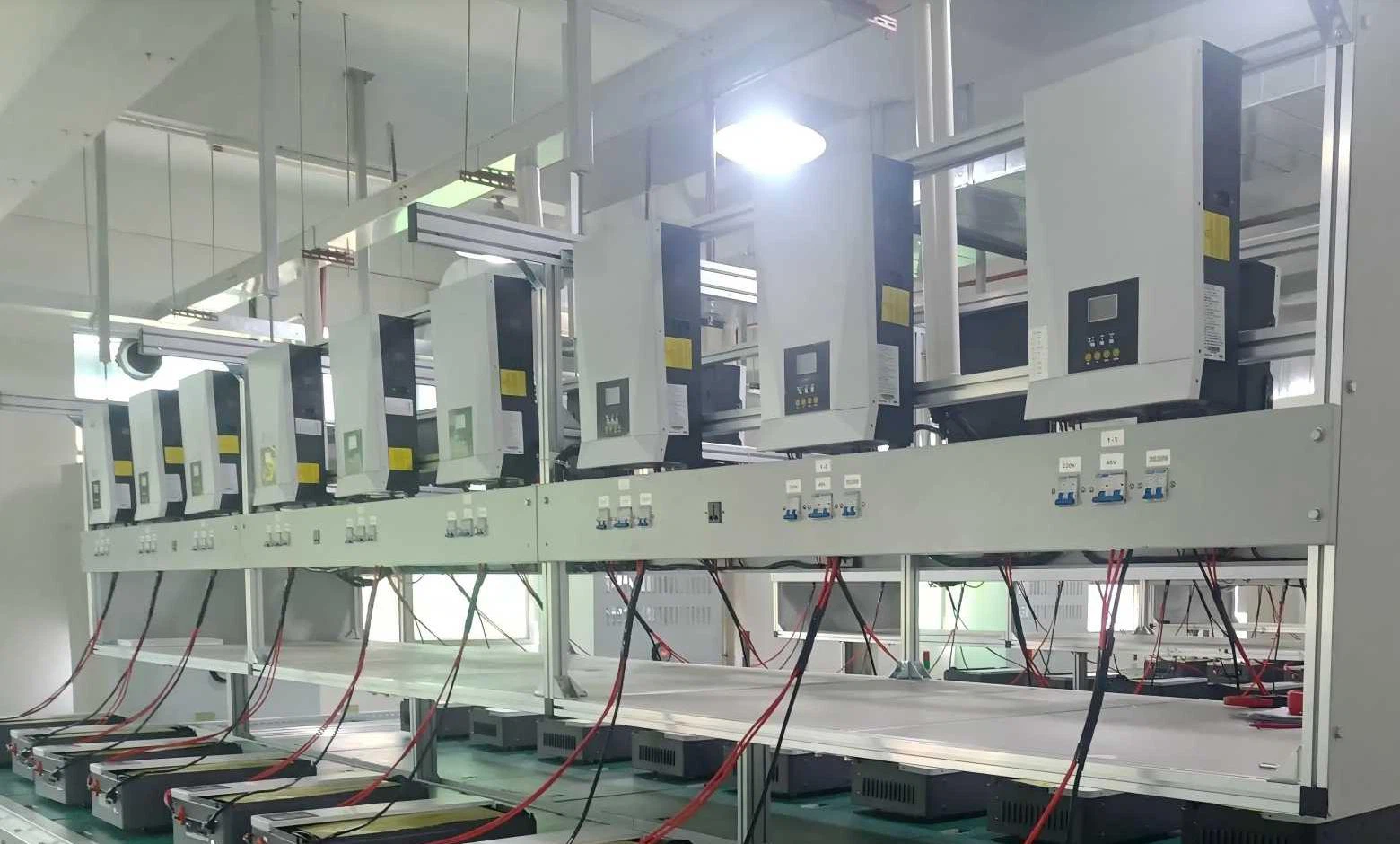
A hybrid grid tie inverter is a power electronic device that converts direct current generated by renewable energy generation systems such as solar panels, as well as direct current from other power sources (such as battery packs), into alternating current that matches parameters such as grid voltage, frequency, and phase, and connects to the grid. It combines the function of traditional grid connected inverters to convert direct current into alternating current and connect to the grid, and also integrates the ability to flexibly manage and process multiple direct current power inputs. It can intelligently coordinate power distribution and conversion between different power sources according to different application scenarios and energy needs, with higher flexibility, reliability, and energy utilization efficiency. It has a wide range of applications in distributed power generation, microgrids, and other fields.
Working principle
DC to AC conversion: It converts the direct current (DC) generated by solar panels into alternating current (AC) suitable for powering household appliances and connecting to the grid, similar to traditional grid connected inverters.
Bidirectional power conversion: It can not only convert the DC power of solar panels into AC power for household use and grid connection, but also convert the AC power of the grid into DC power to charge the battery, achieving bidirectional energy flow.
Power regulation and monitoring: It monitors and adjusts the power generated by solar panels in real time. When the solar energy output power fluctuates due to changes in light intensity, the hybrid grid connected inverter adjusts the output power to ensure stable system operation and maintain it within the required parameter range.
Enhance energy independence: It can store excess solar energy in batteries for future use, providing electricity during power outages or nighttime, reducing dependence on the grid.
Cost savings: By optimizing the use of solar energy, reducing power consumption in the grid, especially during peak periods, can help lower electricity bills.
Backup power supply guarantee: In areas with unstable power supply, it can serve as a backup power source to ensure the continuous operation of important electrical equipment.
Grid interaction capability: It can flexibly interact with the grid. Excess energy can be transmitted to the grid, and in some areas, users can also receive points or compensation for it. When needed, stored energy can also be imported from the grid.
High cost: Due to the need for additional components for integrated battery functionality, hybrid grid connected inverters are typically more expensive than standard grid connected inverters.
Complex system: Hybrid systems are more complex than traditional solar power generation systems, requiring professional installation and reasonable selection, integration, and maintenance of batteries.
Efficiency loss: The energy conversion process of hybrid inverters involves more steps and may result in slight efficiency loss compared to grid connected systems.
Space requirements: Energy storage systems such as batteries require additional space and may not be suitable for all installation locations.
Residential solar energy system: suitable for households with installed solar panels and energy storage needs, enabling them to fully utilize solar energy, improve energy self-sufficiency, and ensure power supply in case of power outages.
Commercial and industrial buildings: Some commercial and industrial buildings with large-scale solar power projects can use hybrid grid connected inverters to store excess energy, reduce electricity consumption during peak hours, and thus lower electricity costs.
Remote areas and islands: In remote areas and islands where grid connection is inconvenient or grid power supply is unreliable, hybrid grid connected inverters can be used to build independent solar power generation systems to meet local electricity demand.

How to choose a hybrid grid tie inverter suitable for home use?
Choosing a hybrid grid connected inverter suitable for household use requires comprehensive consideration of multiple factors. The following are some key points:
Compatibility with solar panels: Different inverters are designed for specific types and configurations of solar panels, ensuring that the selected inverter matches the existing or planned installation of solar panels in the home, including parameters such as voltage, current, power, etc. For example, if the maximum output voltage of a solar panel is 400V, the MPP voltage range of the inverter should be able to cover around 400V to ensure that the solar panel can operate at its optimal state.
Compatibility with batteries: If batteries are used in the home energy storage system, an inverter that is compatible with the battery type, voltage, capacity, etc. should be selected. For example, common lead-acid batteries, lithium batteries, etc. have different charging and discharging characteristics, requiring inverters to have corresponding charging management functions and appropriate voltage matching.
Power output: Select the power of the inverter based on the daily household electricity load and possible future electricity growth demand. Generally, the rated power of the inverter should be slightly greater than the total maximum power of household appliances operating simultaneously to ensure that it can meet demand during peak electricity consumption periods. If the total power of all household appliances is 5000W, then choosing an inverter with a rated power of around 6000W would be more suitable.
Conversion efficiency: Higher conversion efficiency can reduce energy loss during the conversion process, improve the utilization efficiency of solar energy, and reduce electricity costs. Usually, the better hybrid grid connected inverters on the market have a conversion efficiency of over 95%, so it is advisable to choose products with higher efficiency.
Grid interaction function: Confirm that the inverter has good grid interaction capability, can easily switch between grid connected and off grid modes, and meets the local grid connection requirements during grid connection, such as matching voltage, frequency, phase, etc., to ensure stable power transmission and use.
Backup power function: If there are frequent power outages in the area, the inverter needs to have a powerful backup power function to provide power support for key household appliances such as refrigerators, routers, lighting, etc. in the event of a power grid failure. The backup power size and continuous power supply time should be considered.
Intelligent monitoring function: Inverters with intelligent monitoring function can view the real-time operation status, power generation, electricity consumption and other data of the home solar power generation system through mobile apps or computer software, and can also be remotely controlled, making it convenient for users to timely understand the system situation and manage it.
Protection function: It should have complete protection functions, such as overvoltage protection, overcurrent protection, short circuit protection, overheating protection, reverse connection protection, etc., to ensure the safe operation of inverters, solar panels, batteries, and household electrical equipment, and avoid equipment damage or safety accidents caused by abnormal situations.
Quality and after-sales service
Brand and reputation: Choose inverters from well-known brands, which usually have stricter control over product quality, technology research and development, production processes, etc. The reliability and stability of the products are higher, and the after-sales service is also more guaranteed. You can understand the brand's reputation through online reviews, user feedback, industry recommendations, etc.
Certification qualifications: Ensure that the inverter has passed relevant international or domestic certifications, such as CQC Gold Sun Certification, CE Certification, UL Certification, etc. These certifications are important manifestations of product quality and safety, and products that meet standards can be better circulated and used in the market.
Warranty period: A longer warranty period can provide users with more protection. Generally speaking, the warranty period for high-quality hybrid grid connected inverters should be around 10 years. When choosing, attention should be paid to the specific terms and scope of the warranty, as well as the response speed and quality of after-sales service.
Scalability: Considering the changes in future household energy demand, if there is a possibility of increasing the number of solar panels or batteries, it is necessary to choose inverters with good scalability that can facilitate system upgrades and expansion.
Cost and cost-effectiveness: Based on meeting household needs and budget considerations, choose inverters. Do not simply pursue low prices while neglecting product performance and quality. Consider the price, functionality, efficiency, lifespan, and other factors of the inverter comprehensively to calculate its long-term cost-effectiveness.
The hybrid grid tie inverter integrates multiple power inputs and efficiently converts DC power into AC power for integration into the grid. It intelligently manages different power sources, optimizes power allocation, and effectively improves energy utilization efficiency. With its flexible adaptability to various power generation scenarios and stable and reliable characteristics, it plays a key role in distributed power generation, microgrids and other fields, promoting the widespread application and efficient utilization of renewable energy, and is an important equipment for achieving energy diversification and sustainable development.

1.Q: What should I do if the grid tie inverter shows an error code?
A: First, refer to the inverter's user manual to identify the meaning of the error code. Common reasons for error codes include communication problems, over temperature, and voltage issues. Check the connections, ventilation, and power supply. If the problem persists, contact the manufacturer's technical support.
2.Q: How often should I clean the grid tie inverter?
A: It is recommended to clean the inverter at least once every six months, especially in areas with high dust or pollution. Use a soft, dry cloth to wipe the exterior. Avoid using water or harsh chemicals that could damage the device. Regular cleaning helps maintain good heat dissipation and prevent the accumulation of dirt that may affect performance.
3.Q: Can I install a grid tie inverter by myself?
A: While some technically-inclined individuals may attempt a DIY installation, it is highly recommended to hire a professional solar installer. Installing a grid-tied inverter involves electrical work, knowledge of local electrical codes, and grid connection procedures. A professional can ensure proper installation, safety, and compliance, reducing the risk of malfunctions and potential hazards.
4.Q: What is the lifespan of a grid tie inverter?
A: On average, a well-maintained grid tie inverter can last between 10-15 years. However, factors such as the quality of the inverter, operating conditions (temperature, humidity, etc.), and frequency of use can affect its lifespan. Regular maintenance and timely replacement of worn-out components can help extend its service life.
5.Q: How does the grid tie inverter handle power outages?
A: Most grid tie inverters are designed to automatically shut down during a power outage for safety reasons. This is to prevent the inverter from energizing the grid when it is down, which could pose a danger to utility workers. In some cases, if you want power during outages, you may need to install a battery backup system along with a special hybrid inverter.