For US solar installers, EPC contractors, off-grid designers and commercial energy storage buyers, one of the most frequent technical questions is: Do I need a special battery bank for American Standard inverters? Many system owners mistakenly believe American standard split phase inverters require proprietary, brand-locked battery packs, which creates unnecessary extra costs and delays project deployment. American standard inverters are built for the North American 120/240V split-phase 60Hz grid, relying on DC battery input for backup power, peak shaving and solar self-consumption. This article clarifies battery compatibility rules, outlines mandatory battery bank requirements for American standard split phase inverter, and guides practitioners to select suitable LiFePO4 battery bank for US standard inverter without overpaying for exclusive branded units.
Core Technical Characteristics of American Standard Split Phase Inverters
Before choosing battery storage, it is critical to understand the electrical design of US split-phase hybrid inverters. Unlike European 230V single-phase equipment, American models deliver dual 120V legs (L1 and L2) to form a 240V high-power circuit. Every hybrid inverter comes with a fixed DC operating window, which defines the acceptable voltage range of connected battery packs. Poor DC matching will break split phase inverter battery bank setup, triggering uneven power output between two live wires and long-term equipment degradation. Additionally, the inverter's internal BMS communication module only supports specific signal protocols to read battery state of charge (SoC) and temperature data.
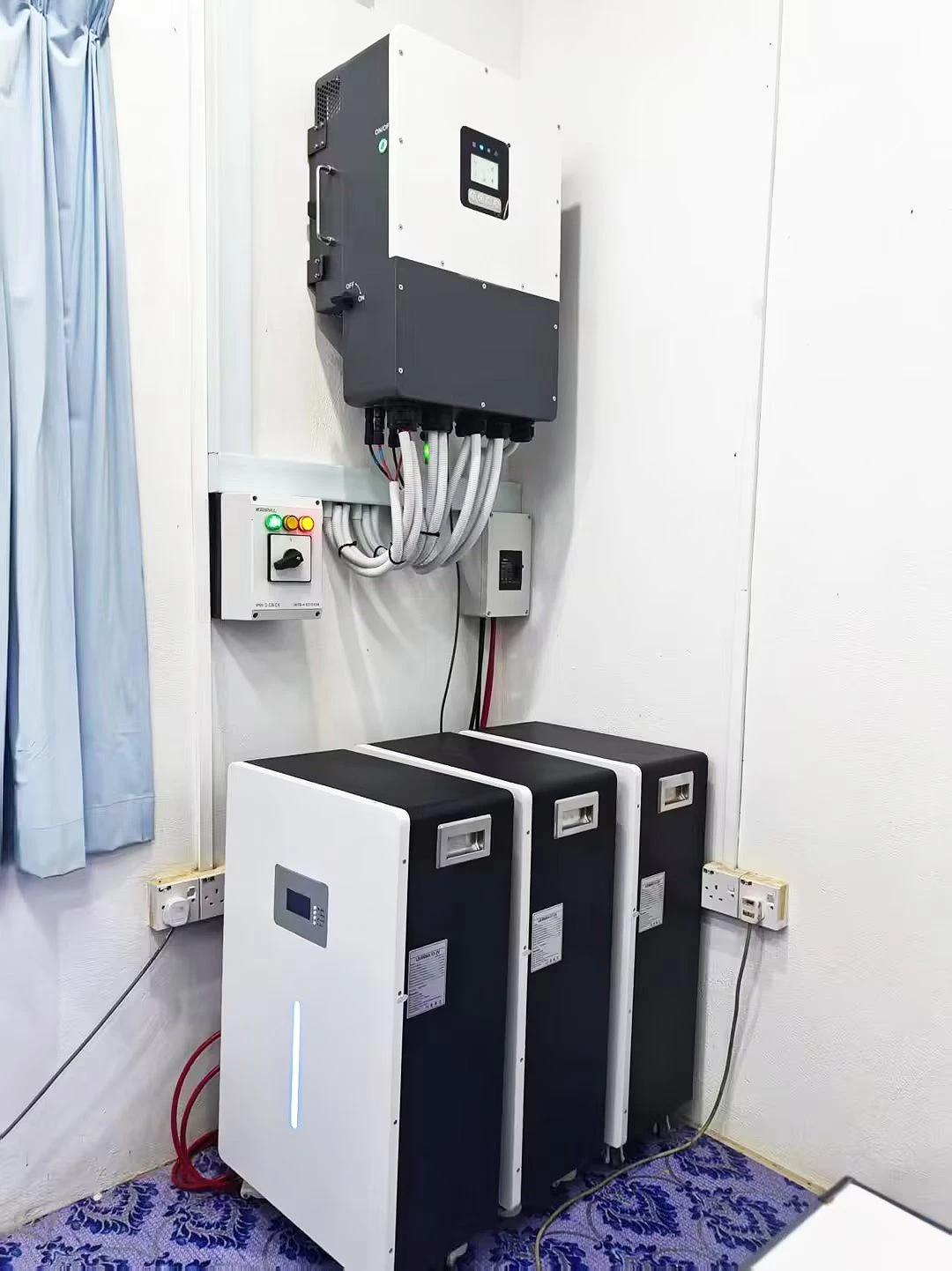
Straight Answer: No Proprietary Special Battery Bank Is Mandatory
The key takeaway for all project planners is clear: there is no requirement to purchase a brand-exclusive special battery bank for American Standard inverters. Most US hybrid inverters adopt open DC interfaces, compatible with third-party storage products as long as core technical parameters align. However, generic batteries cannot be connected randomly. The so-called "special" rules refer to non-negotiable matching standards for safe and stable operation.
If users skip these standards and install mismatched battery banks, multiple risks emerge: DC voltage drift causes L1/L2 split-phase imbalance, incompatible BMS communication leads to unregulated charging, and inconsistent discharge current accelerates aging of both the inverter and battery cells. This makes DC battery voltage matching for American hybrid inverters a critical design step in every PV-storage project.
Non-Negotiable Battery Bank Matching Criteria
Four core standards determine whether a battery bank works with American standard inverters.
DC Voltage Range Consistency: The battery nominal voltage must fall fully within the inverter's designated DC window.
Chemistry Compatibility: Most US inverters support LiFePO4 and sealed lead-acid; lithium-ion ternary cells are rarely recommended for residential split-phase systems.
Current Rating Matching: The battery's continuous and peak discharge current must cover the inverter's maximum power demand.
Communication Protocol Compatibility: CAN or RS485 signals are required for real-time data exchange between battery BMS and inverter control board.
All battery units deployed for US grid projects should also carry UL and UN38.3 safety certifications to meet local electrical codes.
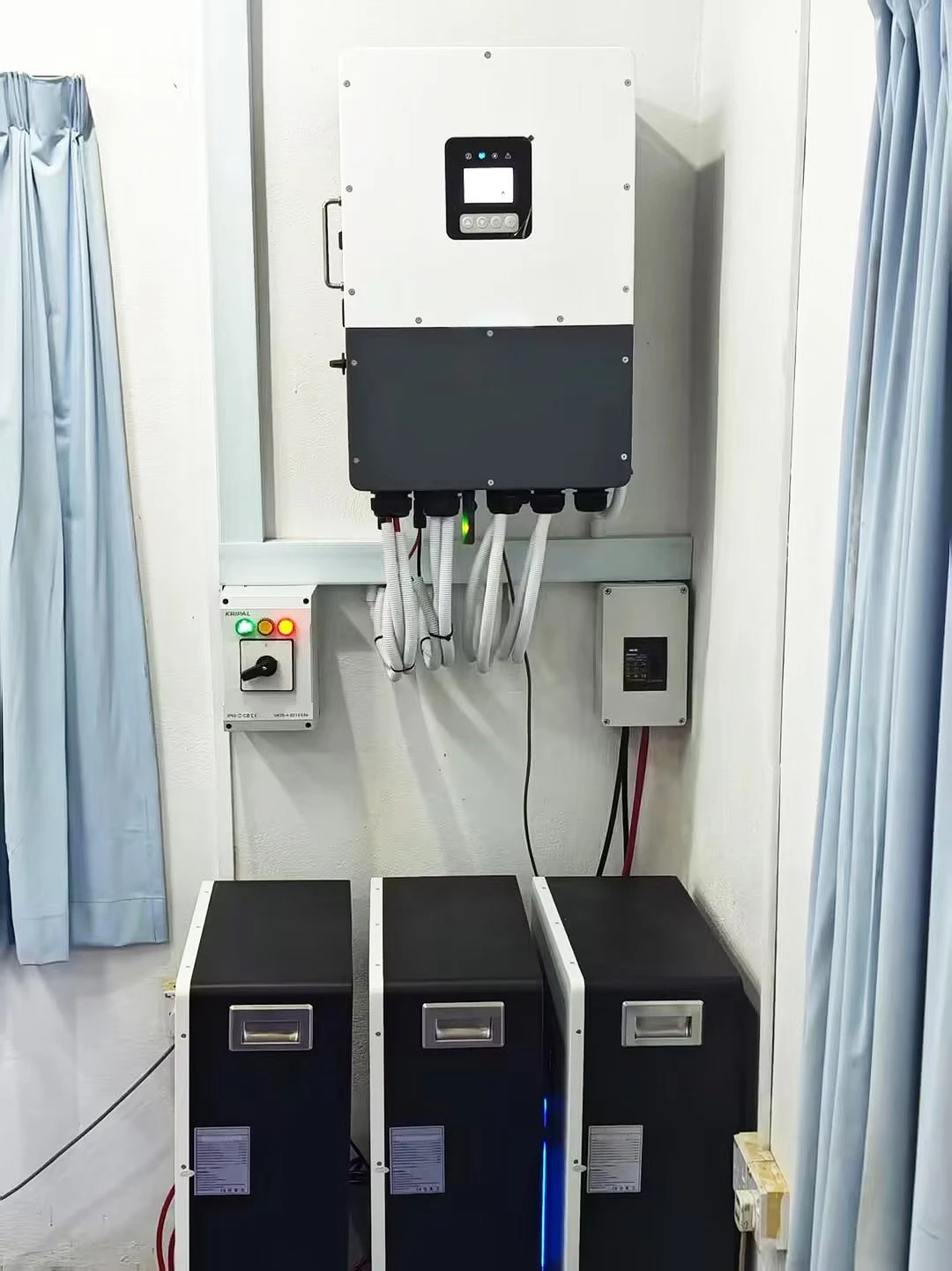
Recommended Battery Bank Types for 120/240V Split Phase Inverters
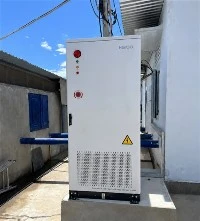
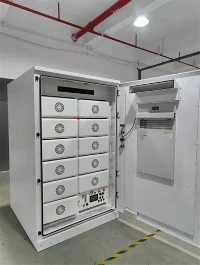
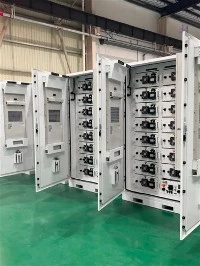
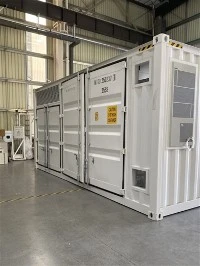
LiFePO4 battery banks remain the top choice for residential and commercial ESS paired with American standard inverters. They feature low attenuation, wide temperature adaptability and high cycle life, ideal for daily peak-valley arbitrage. Sealed lead-acid battery banks fit small budget off-grid systems with low daily load cycles. For large-scale multi-inverter parallel projects, pre-assembled cabinet battery banks simplify split phase inverter battery bank setup and reduce on-site wiring labor.
Common Battery Bank Sizing Mistakes to Avoid
Many installers make costly errors during system design. Mixing different battery chemistries or aged battery modules in one bank creates uneven current distribution. Ignoring peak discharge demand for heavy split-phase loads like air conditioners triggers frequent overload protection. Using batteries without matching communication protocols disables intelligent charge control, while undersized capacity forces frequent deep discharge and shortens battery lifespan.
FAQ
Do I need a special battery bank for American Standard inverters?
No proprietary branded battery packs are required. Any battery bank meeting voltage, current and
communication standards can operate normally.
Can generic LiFePO4 batteries work with US split phase inverters?
Yes, as long as they match the inverter's DC voltage window and support compatible BMS communication.
How do I size a battery bank for my American standard inverter?
Calculate total split-phase daily load, confirm inverter DC range, and reserve 20% capacity margin for hot outdoor US climates.
Conclusion
To resolve the core query Do I need a special battery bank for American Standard inverters?, the definitive answer is no-locked proprietary battery packs are not compulsory. The only essential preparation is designing a battery bank that complies with all electrical and communication criteria listed above. Following battery bank requirements for American standard split phase inverter eliminates imbalance faults, extends equipment service life and maximizes long-term project ROI for all North American PV and energy storage deployments.