






For North American solar installers, EPC contractors and energy storage system designers, the parallel function of American standard split phase inverter is a core technical feature that determines system scalability and reliability on 120/240V residential and commercial grids. Most US hybrid PV and battery storage systems adopt split-phase power architecture with dual live wires, and American standard split phase inverter parallel operation solves the pain point of limited single-unit power output. Without stable parallel capability, project owners cannot expand capacity in stages or build redundant backup power systems. This guide breaks down the working logic, key benefits, technical standards and troubleshooting tips of split-phase inverter parallel technology to help industry practitioners select and deploy qualified 120/240V energy storage equipment.
Basic Overview of American Standard Split Phase Inverters and Parallel Function
An American standard split phase inverter is engineered exclusively for the North American 120/240V grid, delivering balanced L1 and L2 alternating current for household appliances, small shops and rural off-grid facilities. Its built-in parallel function refers to the coordinated control system that enables multiple identical inverters to run synchronously as a unified power station.
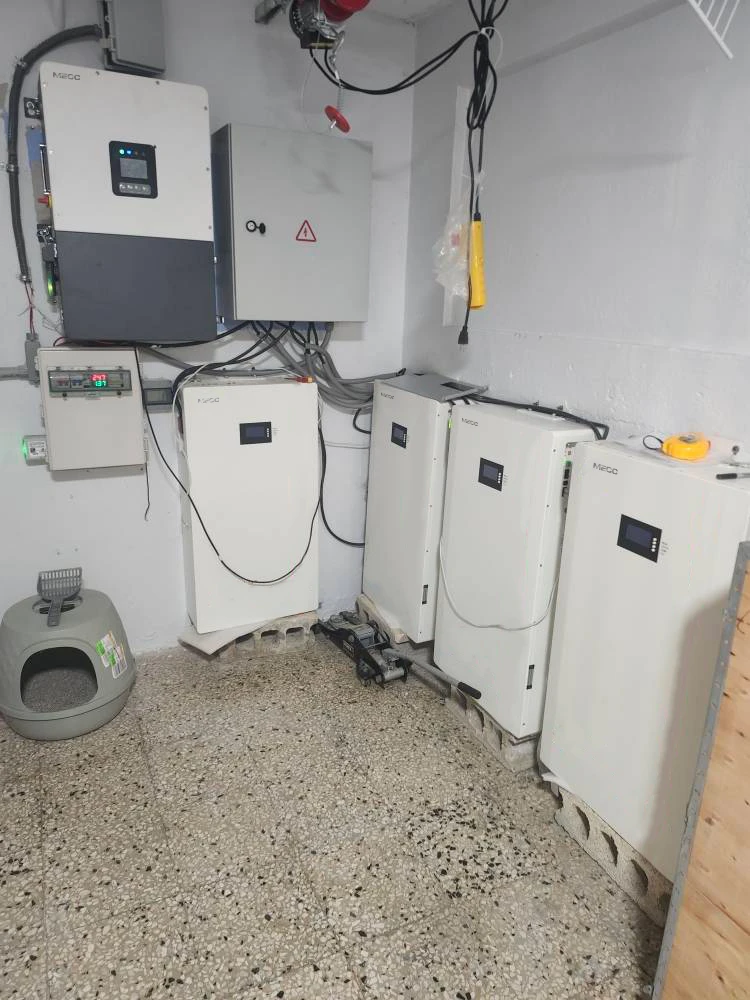
For US split-phase ESS projects, split phase 120/240V inverter parallel capability is non-negotiable. Many property owners start with low-power PV systems and require later capacity expansion, while off-grid sites rely on multi-unit parallel connections to avoid full power shutdown if one device malfunctions. Whether for grid-tied or standalone use, parallel design greatly improves the overall flexibility of containerized and rooftop storage solutions.
Working Principle of Split Phase Inverter Parallel Function
Three core mechanisms support stable parallel connection for US split phase energy storage inverter. First, real-time synchronization control automatically unifies voltage, frequency and phase angle across all parallel units to match US electrical code requirements. Second, the active current sharing module evenly distributes load power, preventing single inverter overload and uneven L1/L2 output. Third, CAN or RS485 communication buses link every inverter to a central monitoring platform, realizing coordinated load adjustment and unified fault alarms.
This closed-loop communication architecture distinguishes reliable industrial parallel systems from low-cost basic inverters lacking cross-unit data interaction.
Core Advantages of Parallel Split Phase Inverters
Flexible phased capacity expansion
Users can add extra inverters without replacing the entire split-phase power setup, cutting upfront capital expenditure for staged PV and battery upgrades.
System redundancy for higher safety
If one parallel unit fails, remaining inverters maintain continuous 120/240V power supply, eliminating complete blackout risks for critical loads.
Balanced split-phase load distribution
Unbalanced L1-L2 voltage is a common flaw in single-inverter US residential systems; parallel control stabilizes two-phase output and extends battery cycle life.
Lower long-term project costs
Staged investment and reduced equipment replacement frequency optimize ROI for small commercial and rural energy storage projects.
Mandatory Technical Specifications for Parallel Deployment
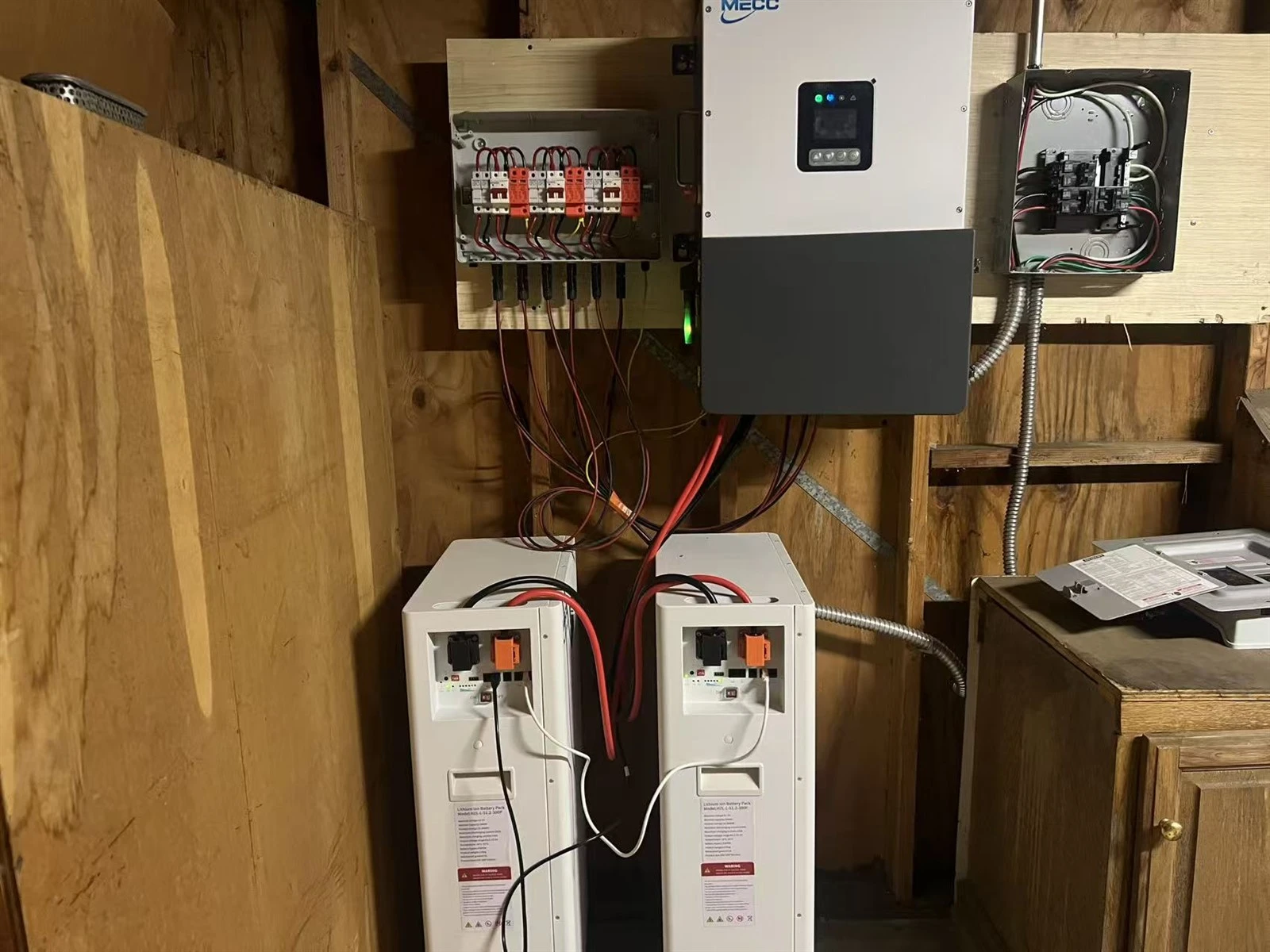
To guarantee stable grid-tied split phase inverter parallel function, installers must follow strict rules. All parallel inverters must share the exact same model and firmware version. Internal L1-L2 unbalance protection triggers power limitation once phase deviation exceeds safe thresholds. Unified anti-islanding, overvoltage and overcurrent protection complies with UL and NEC standards for US grid interconnection. In addition, standardized wire gauges, communication cable routing and full system grounding are required to avoid interference.
Typical Application Scenarios
The parallel function fits three mainstream US energy storage scenarios: off-grid residential split-phase battery backup, grid-connected small commercial PV-storage hybrid systems, and rural high-load multi-inverter backup power stations. For remote farms and large family estates, off-grid split phase inverter parallel setup provides consistent power for heavy machinery and household loads.
Common Parallel Faults & Simple Troubleshooting
Field technicians frequently encounter four issues: phase synchronization failure between parallel units, uneven current output, split-phase voltage imbalance, and communication bus disconnection. Most faults stem from mismatched firmware, improper wiring or damaged communication cables. Regular inspection of signal lines and phase balance calibration can eliminate over 80% of parallel operation failures.
FAQ
What is the parallel function of American standard split phase inverter?
It allows multiple 120/240V split-phase inverters to operate synchronously to expand power capacity, boost redundancy and balance dual-phase loads.
Can different models of split phase inverters run in parallel?
No. Mismatched hardware and firmware will cause phase offset and unstable power output.
Conclusion
The parallel function of American standard split phase inverter is a decisive feature for successful US energy storage deployments. Its scalability, safety and load-balancing performance address the unique demands of North America's 120/240V split-phase grid. EPCs and installers should prioritize inverters with mature parallel control systems to reduce on-site failure rates and deliver long-term stable value for residential and commercial clients. When designing large-capacity or expandable PV-battery projects, reliable parallel capability remains a non-negotiable selection standard.