


Content Menu
● Stability of grid connection
● Power control and regulation capability
● Fault response and protection mechanism
● Communication and data interaction capability
● Compliance and Certification
● In terms of power supply stability
● In terms of energy storage system management
● Restricted aspects of intelligent power usage function
● FAQ
>> 1. Can I connect multiple grid tie inverters together?
>> 2. What is the impact of extreme weather on a grid tie inverter?
>> 3. How do I monitor the performance of my grid tie inverter?
>> 4. Are there any government incentives for using grid tie inverters?
>> 5. What is the difference between a single phase and a three phase grid tie inverter?
To determine whether the grid interaction function of a hybrid grid tie inverter is good, it can be approached from multiple aspects: checking whether it can quickly and accurately achieve synchronization with the grid, so that the frequency, phase, and voltage of the output AC power perfectly match the grid, and remain stable under different operating conditions; Observe whether timely and effective responses can be made in case of abnormal situations such as voltage fluctuations and frequency offsets in the power grid; Assess its power regulation capability to see if it can flexibly and accurately control the output and absorption of active and reactive power based on grid demand and power changes on the generation side; Monitor whether the communication function is normal, whether it can exchange stable and accurate data with the power grid monitoring system, upload operational status and fault information, and receive and execute power grid dispatch instructions at the same time; Professional equipment and software can also be used to detect its power quality indicators, in order to comprehensively judge the quality of its grid interaction function.
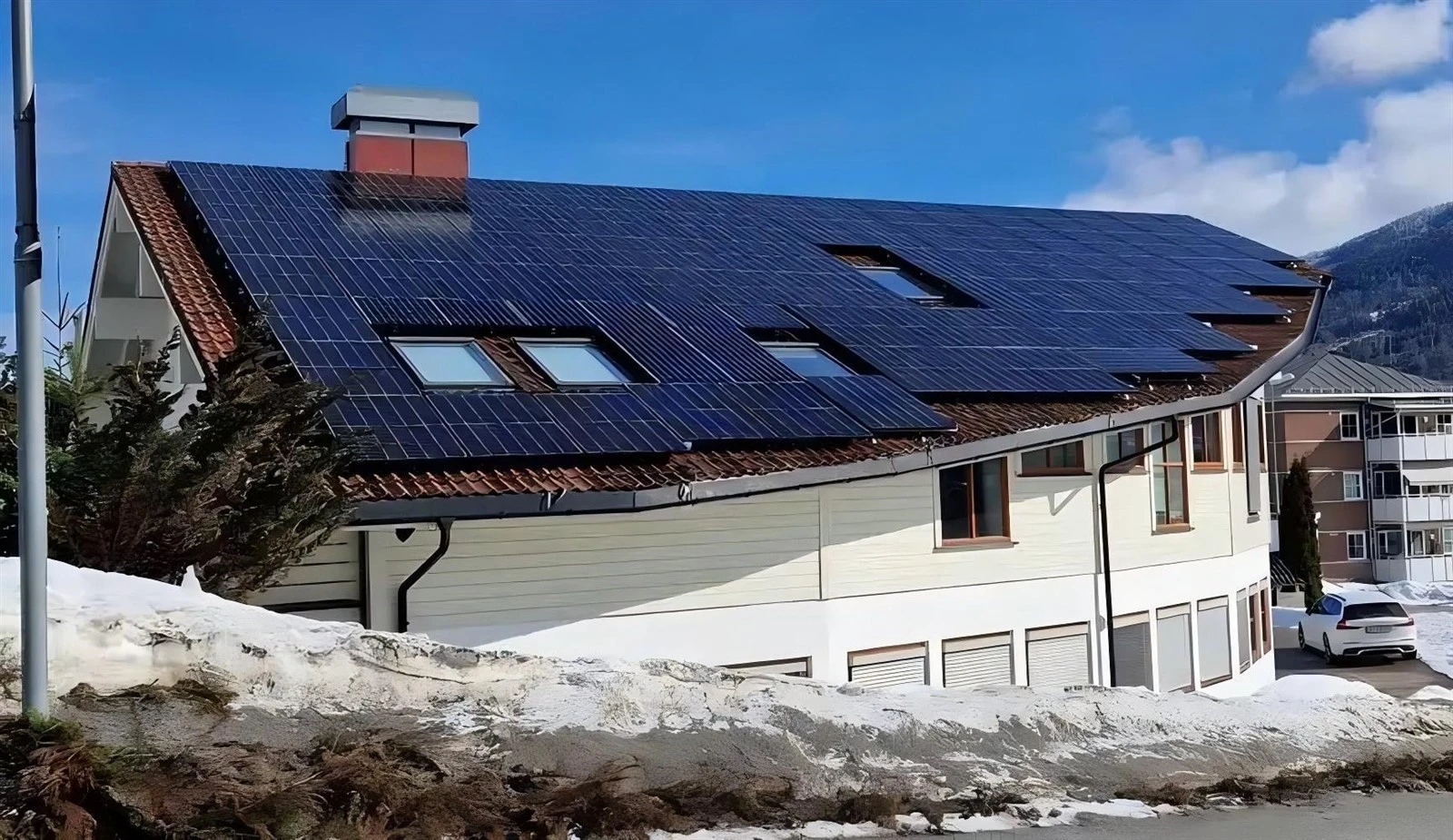
Stability of grid connection
Voltage and frequency stability
Good grid interaction function requires the inverter to closely track the voltage and frequency of the grid during grid connected operation. Professional power monitoring equipment can be used to monitor the fluctuation of the output voltage and frequency of the inverter in real-time during a period of grid connected operation. Generally speaking, the fluctuation range of output voltage should be controlled within ± 5% of the rated voltage of the power grid, and the frequency fluctuation should be within ± 0.5Hz. For example, for common 220V, 50Hz power grids, the output voltage of the inverter should be stable between 209V and 231V, and the frequency should be stable between 49.5Hz and 50.5Hz.
Phase synchronization
The phase of the inverter output current must be synchronized with the phase of the grid voltage to ensure efficient delivery of electrical energy to the grid. You can use devices such as oscilloscopes to observe the waveform of the inverter output current and grid voltage, and determine their phase difference. In an ideal situation, the phase difference should be close to zero. If the phase difference is too large, it can lead to a decrease in energy transmission efficiency and may even have adverse effects on the power grid.
Power control and regulation capability
Active Power Control
The inverter should be able to flexibly adjust the active power delivered to the grid according to the demand of the grid and the situation of solar power generation. When the solar power generation is sufficient and the grid requires more electricity, the inverter should be able to stably deliver the excess electricity to the grid; When the grid load is low or the solar power generation is insufficient, the inverter should be able to reduce the power transmitted to the grid, and even absorb a small amount of electricity from the grid (such as when the energy storage system needs to be charged). By monitoring the power output data of the inverter, it is possible to observe whether its active power regulation under different operating conditions meets expectations.
Reactive power compensation
Good grid interaction function requires inverters to be able to compensate for reactive power in the grid and improve the power factor of the grid. The reactive power compensation capability of inverters can be evaluated by measuring changes in the power factor of the power grid. Generally speaking, inverters should be able to increase the power factor of the grid to above 0.95. Before and after the inverter is put into operation, the power factor of the power grid can be measured separately to observe its improvement.
Fault response and protection mechanism
Power grid fault response
When there is a fault in the power grid, such as short circuit, overvoltage, undervoltage, abnormal frequency, etc., the inverter should be able to quickly detect the fault and make the correct response. For example, in the event of a short circuit fault in the power grid, the inverter should be able to stop delivering electrical energy to the grid in a very short time (such as within 20 milliseconds) to avoid further damage to the grid and the inverter itself.
Self protection function
Inverters should have comprehensive self-protection functions to prevent damage caused by various abnormal situations during grid interaction. For example, overcurrent protection, overvoltage protection, overheating protection, etc. By simulating abnormal situations such as overcurrent and overvoltage, it is possible to check whether the inverter can trigger the protection mechanism in a timely manner, stop running, and issue corresponding alarm signals.
Communication and data interaction capability
Remote monitoring and control
The inverter shall support remote monitoring and control functions. Through the Internet or other communication methods, users can obtain the operating status, power output, power quality and other data of the inverter in real time, and set and control the inverter's remote parameters. The real-time and accuracy of data, as well as the effectiveness of remote control functions, can be checked through actual operation of the remote monitoring platform.
Communication with the power grid dispatch system
In some smart grid application scenarios, inverters need to communicate with the grid dispatch system, receive grid dispatch instructions, and upload their own operational data. The inverter should have communication interfaces and protocols that comply with relevant standards to ensure reliable communication with the power grid dispatch system. It is possible to check whether the inverter supports common communication protocols such as Modbus, IEC 61850, etc., and verify its communication stability with the power grid dispatch system through actual testing.
Compliant with grid access standards
Inverters should comply with the local grid access standards and relevant regulatory requirements, such as national or regional power grid connection technical specifications, safety standards, etc. You can check the product manual and certification documents of the inverter to confirm whether it has passed relevant certifications, such as CQC certification, CE certification, etc.
Compatibility and interoperability
Inverters should have good compatibility and interoperability with other devices in the power grid, such as electricity meters, protective devices, etc. During the actual installation and operation process, observe whether there are communication failures, interference, and other issues between the inverter and other devices to ensure the stable operation of the entire power system.

What impact will the failure of the hybrid grid tie inverter's grid interaction function have on household electricity consumption?
The grid interaction function failure of hybrid grid tie inverters may have the following impacts on household electricity consumption:
In terms of power supply stability
Voltage fluctuation and flicker: If the inverter cannot stably output a voltage that matches the power grid, it will cause the voltage that household electrical equipment can withstand to fluctuate. Excessive voltage may accelerate the aging of electrical appliances and even directly damage them, such as shortening the lifespan of light bulbs or overloading and damaging internal components of electronic devices such as televisions; If the voltage is too low, it may cause some electrical appliances that require high voltage to fail to start or operate normally, such as air conditioning compressors that are difficult to start, computer crashes or restarts, etc.
Frequency instability: Abnormal grid frequency can affect some household appliances that rely on motor operation, such as refrigerators, washing machines, fans, etc. Unstable frequency may lead to uneven motor speed, abnormal noise and vibration, which not only affects the normal use of the equipment, but also shortens the service life of the motor.
Intermittent power outage: When the grid interaction function of the inverter malfunctions severely, it may cause intermittent interruption of household power supply. This can cause damage to the electrical appliances being used, such as a running computer that may lose unsaved data due to sudden power outages, causing more serious impacts on medical equipment that requires continuous operation, and even endangering the user's life safety.
Harmonic pollution: Under normal circumstances, inverters should convert DC electrical energy into pure sine wave AC electrical energy and integrate it into the power grid. But if the power grid interaction function fails, a large number of harmonics may be generated, which will be injected into the home power grid, leading to a decline in power quality. Harmonics can increase electrical losses, reduce efficiency, cause severe heat generation, and may also interfere with the normal operation of other electronic devices, such as causing noise or image interference in radios, televisions.
Power factor reduction: Power factor is an important indicator for measuring the efficiency of electricity utilization. Inverter failure may lead to a decrease in power factor, resulting in an increase in reactive power absorbed by household electrical equipment from the grid and a relative decrease in active power. This will not only increase the burden on the power grid, but also lead to an increase in household electricity bills, as in some areas, the calculation of electricity bills may take into account the impact of power factor.
Leakage risk: Failure of the power grid interaction function may damage the grounding system or insulation performance of the inverter, causing the casing of household electrical equipment to become electrified and posing a risk of leakage and injury. If the human body comes into contact with the casing of a charged device, an electric shock accident may occur, causing personal injury.
Fire hazard: When the inverter malfunctions, such as internal short circuit, component overheating, etc., it may cause a fire. Especially if the malfunction is not detected and dealt with in a timely manner, the accumulation of heat may ignite the surrounding flammable materials, thereby causing a fire and posing a serious threat to household property and personal safety.
In terms of energy storage system management
Battery overcharging or overdischarging: If there is a malfunction in the interaction between the inverter and the energy storage battery, it may not be possible to accurately control the charging and discharging process of the battery. Overcharging of batteries can cause them to overheat, swell, and even explode, shortening their lifespan; Overdischarging the battery can cause a decrease in its capacity, making it unable to store enough electrical energy and affecting the household's electricity demand during power outages or insufficient solar power generation.
Reduced efficiency of energy storage system: Malfunctions may prevent effective power exchange between the energy storage system and the grid, resulting in a decrease in the overall efficiency of the energy storage system. For example, when there is an excess of solar power generation, the excess electricity cannot be stored in the battery in a timely manner; When battery power is needed, it cannot be quickly and efficiently transmitted to the household power grid, which affects the efficiency of household utilization of renewable energy such as solar energy.
Restricted aspects of intelligent power usage function
Unable to achieve intelligent control: Many electrical appliances in modern households have intelligent control functions, such as remote control of home appliance switches and temperature adjustment through mobile apps. If the grid interaction function of the inverter fails, it may cause these intelligent control functions to be unable to be implemented normally, affecting the convenience and intelligent experience of household electricity consumption.
Failure of interactive function with the power grid: Some regions encourage household users to participate in interactive projects such as demand response of the power grid, and obtain certain economic compensation or other preferential policies by adjusting household electricity load. When the inverter fails, households will be unable to effectively interact with the power grid, participate in these projects, and therefore cannot enjoy corresponding policy benefits and economic benefits.

1.Q: Can I connect multiple grid tie inverters together?
A: Yes, in some larger solar power systems, multiple grid tie inverters can be connected together. However, this requires careful planning and consideration of factors such as the total power capacity, voltage matching, and communication between the inverters. The inverters should be compatible with each other, and the system design should follow local electrical codes and regulations.
2.Q: What is the impact of extreme weather on a grid tie inverter?
A: Extreme heat can cause the inverter to overheat, reducing its efficiency and potentially shortening its lifespan. In cold weather, condensation may occur inside the inverter, which could lead to electrical problems. Strong winds and heavy rain can also pose risks if the inverter is not properly installed or protected. Installing the inverter in a sheltered and well ventilated location can help mitigate these effects.
3.Q: How do I monitor the performance of my grid tie inverter?
A: Many modern grid tie inverters come with built-in monitoring systems. You can access the monitoring data through a local display on the inverter, or remotely via a mobile app or web portal. The data includes information such as power generation, operating temperature, and fault alerts. Regularly monitoring these metrics can help you identify any issues early and ensure optimal performance.
4.Q: Are there any government incentives for using grid tie inverters?
A: In many regions, there are government incentives for installing grid tie solar power systems, which include the use of grid tie inverters. These incentives can come in the form of tax credits, rebates, or feed in tariffs. The specific incentives vary by location, so it's important to research and check with your local government or energy department for the latest information.
5.Q: What is the difference between a single phase and a three phase grid tie inverter?
A: A single phase grid tie inverter is used for smaller residential or low power applications and is connected to a single phase electrical supply. It is suitable for homes with normal household loads. A three phase grid-tied inverter is used for larger commercial or industrial applications and is connected to a three phase electrical supply. It can handle higher power loads and is more efficient for distributing power in larger facilities.