






Content Menu
● Physical Damage and Connection Problems
● Battery Management System (BMS) Failures
● How to test the capacity of rack-mounted lithium batteries?
● Charge-Discharge Integral Method
● Using Professional Testing Equipment
● FAQ
>> 1. Is the rack lithium battery suitable for electric bikes?
>> 2. What certifications does the rack lithium battery have?
>> 3. How should I store the rack lithium battery when not in use?
>> 4. Can the rack lithium battery be customized?
>> 5. What is the lifespan of the rack lithium battery in terms of charge and discharge cycles?
When maintaining rack mounted lithium batteries, several common issues may arise. The battery unit may experience a decrease in capacity, resulting in overall battery performance degradation and shortened backup time. The battery management system (BMS) may have issues such as inaccurate data monitoring, communication failures, or inability to control charging and discharging correctly, which may affect the safety and lifespan of the battery. The connection may become loose, leading to poor electrical contact, increased resistance, and potential overheating. Poor heat dissipation or high ambient temperature can also lead to overheating issues, which can accelerate battery aging and pose safety risks. In addition, there may be issues such as battery casing leakage or expansion, indicating the possibility of internal damage or chemical reactions that require immediate attention.
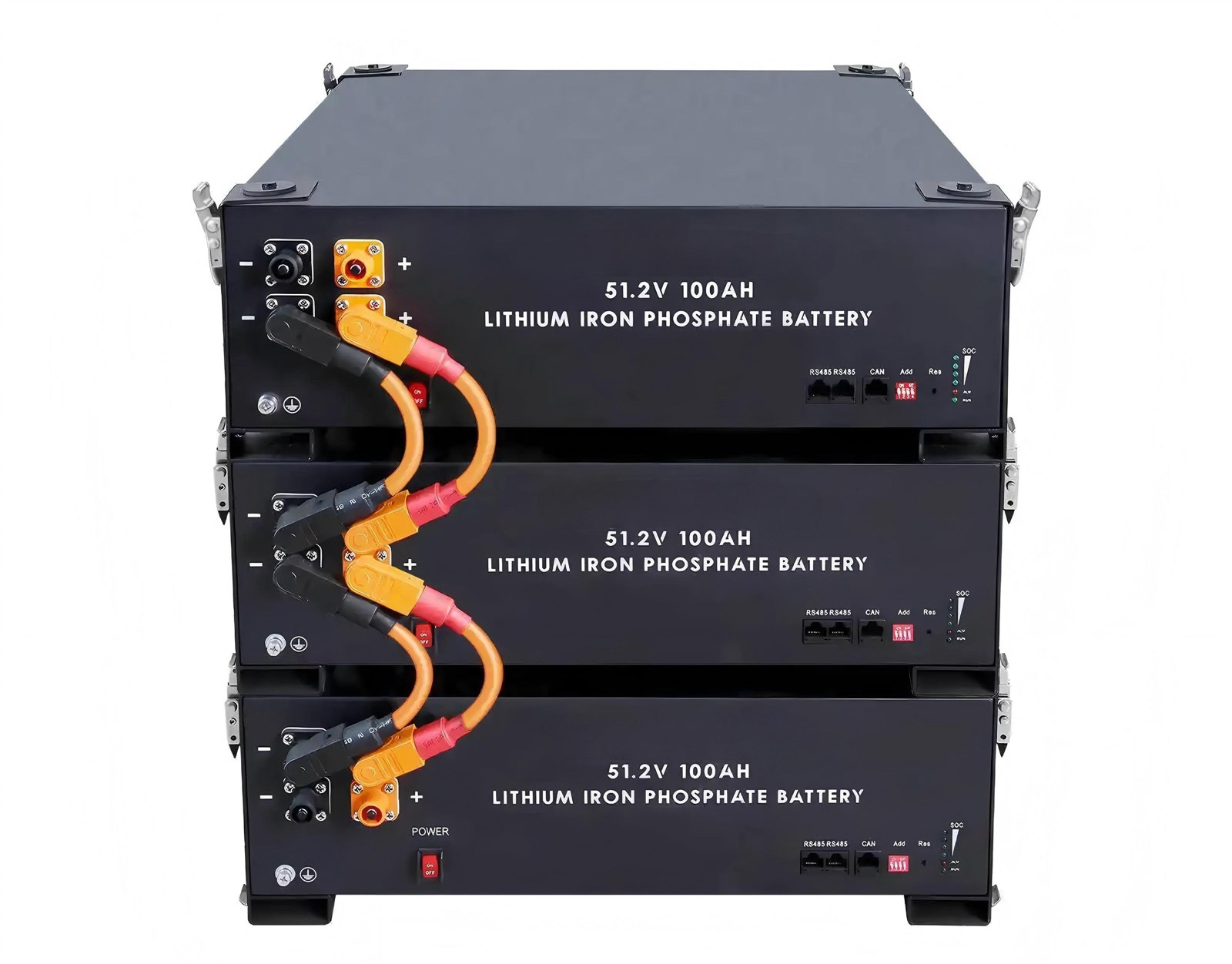
Battery Performance Issues
Capacity Degradation: Over time and with frequent charging and discharging, the capacity of lithium batteries may gradually decline, resulting in a reduction in the amount of electricity that can be stored and a shortened usage time. This is a normal phenomenon, but factors such as high temperatures, overcharging, and over-discharging can accelerate the rate of capacity degradation.
Voltage Imbalance: Differences in the internal resistance and capacity of each battery cell in the battery pack can lead to voltage imbalance. If not detected and corrected in a timely manner, it will affect the overall performance of the battery pack, and in severe cases, it may lead to overcharging or over-discharging of individual cells, shortening the battery life.
Increased Internal Resistance: Internal resistance increase is a common problem, which may be caused by factors such as electrode material aging, electrolyte drying up, and poor contact of internal components. The increase in internal resistance will lead to more power loss during the charging and discharging process of the battery, resulting in a decrease in battery efficiency and an increase in heat generation.
Physical Damage and Connection Problems
Battery Swelling or Leakage: Swelling or leakage may occur due to reasons such as internal short circuits, overcharging, and thermal runaway of the battery. Swelling indicates that there is a problem with the internal structure of the battery, and leakage means that the electrolyte leaks out, which will not only affect the performance of the battery but also may cause corrosion and other problems to the surrounding components.
Connection Loose or Oxidized: The connections of the battery rack, including terminals, connectors, and busbars, are prone to looseness and oxidation problems. Loose connections will cause poor contact, resulting in heat generation and arcing, which may damage the battery and pose a safety hazard; oxidized connections will increase contact resistance, affect the normal charging and discharging of the battery, and reduce the efficiency of the entire system.
Battery Management System (BMS) Failures
Inaccurate Monitoring Data: The sensors in the BMS may be faulty, resulting in inaccurate monitoring data of the battery voltage, current, and temperature. If the monitoring data is incorrect, the BMS cannot make correct judgments and control actions, which will affect the normal operation and safety of the battery.
Malfunction of Protection Functions: The overvoltage protection, undervoltage protection, overcurrent protection, and overtemperature protection functions of the BMS may malfunction. For example, the protection function does not work when the battery voltage is too high or too low, or the circuit is not cut off in time when the current is too large, which will pose a threat to the safety of the battery and the entire system.
Overheating: If the ventilation of the battery room is poor or the cooling system malfunctions, the temperature of the batteries will be too high. High temperatures will accelerate the chemical reaction in the battery, aggravate the aging of the battery, and increase the risk of thermal runaway.
Excessive Humidity: Excessive humidity in the environment can cause condensation on the surface of the battery and corrosion of the metal parts, which will affect the electrical performance and service life of the battery. In severe cases, it may also cause a short circuit.
Dust Accumulation: Dust accumulation on the battery surface and in the ventilation ducts will affect heat dissipation and may also cause short circuits if it enters the internal components of the battery.
Incomplete Inspection: If the maintenance personnel do not perform a comprehensive and detailed inspection, some potential problems, such as small cracks in the battery, slight looseness of the connections, and incipient failures of the BMS, may be missed, which will gradually develop into more serious problems over time.
Improper Cleaning: Using inappropriate cleaning agents or cleaning methods during cleaning may damage the surface of the battery or cause liquid to enter the internal components of the battery, resulting in performance degradation or failure.
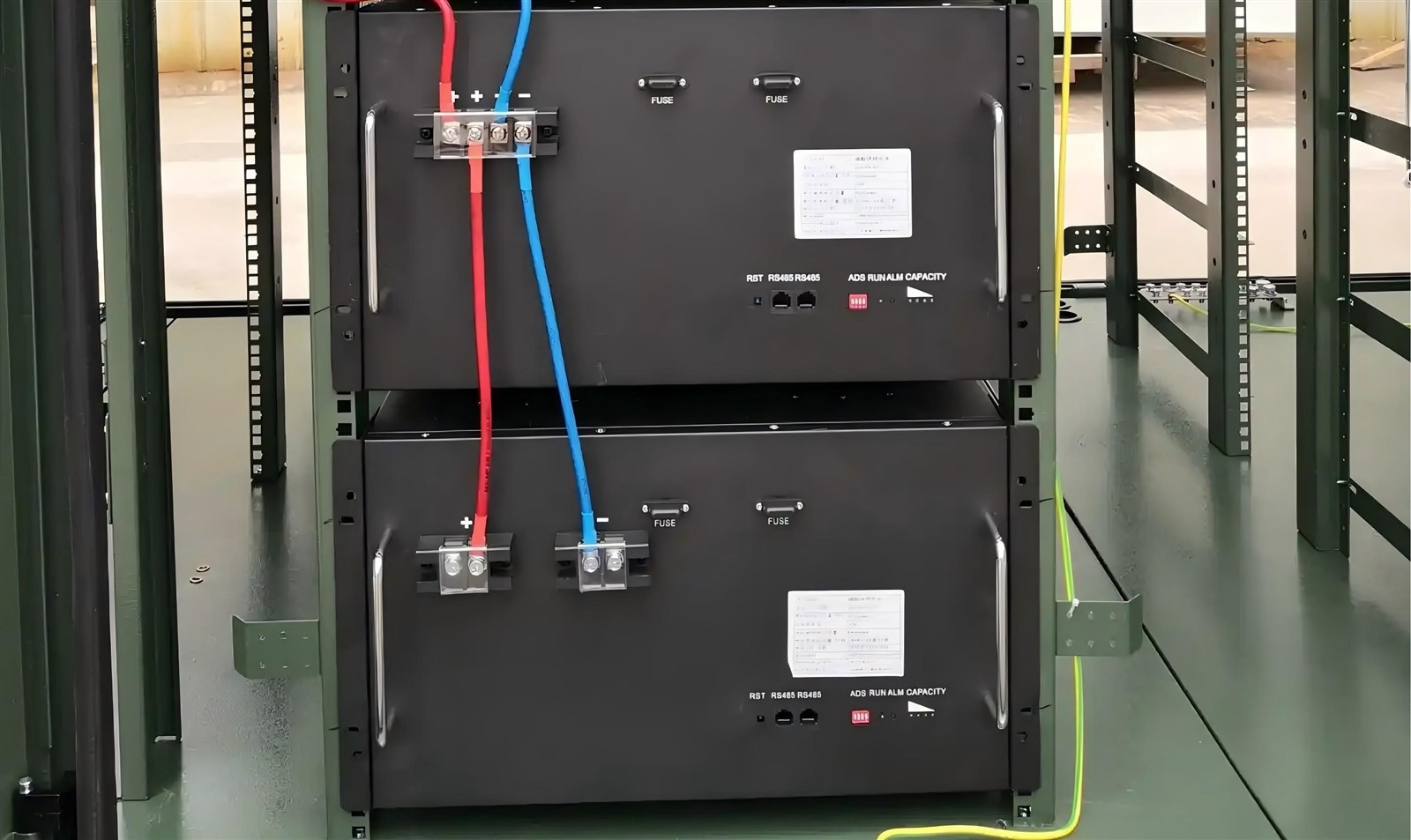
How to test the capacity of rack-mounted lithium batteries?
Testing the capacity of rack-mounted lithium batteries usually involves the following methods and steps:
Prepare the Equipment: You need to prepare a discharge tester with appropriate specifications that can be adjusted according to the voltage and capacity of the lithium battery pack. The tester should have functions such as constant current discharge and voltage monitoring.
Connect the Equipment: Disconnect the lithium battery pack from the power supply system and other loads it is connected to. Then, connect the discharge tester to the battery pack correctly, ensuring that the positive and negative poles are connected accurately to avoid reverse connection.
Set Discharge Parameters: Set the discharge current value on the discharge tester. The discharge current is usually selected according to the rated capacity and C-rate of the battery. For example, for a lithium iron phosphate battery with a rated capacity of 100Ah, if you want to test at a 0.5C rate, the discharge current should be set to 50A. Set the cut-off voltage. The cut-off voltage is determined according to the type and specification of the battery. For example, the cut-off voltage of a single lithium iron phosphate battery is generally 2.5V to 2.75V, and for a battery pack, it is calculated according to the number of series cells.
Charge-Discharge Integral Method
Charge the Battery: Use a charger with a precise charge control function to charge the lithium battery pack. The charger should be able to accurately control the charging current and voltage and record the amount of charge input.
Monitor the Charge Process: During the charging process, monitor parameters such as the charging current, voltage, and temperature of the battery pack in real time. Record the charging time and the change in the amount of charge input.
Discharge the Battery: After the charging is completed, perform a discharge test on the battery pack using the method described in the discharge test method. Record the discharge time, discharge current, and cut-off voltage.
Integrate and Calculate: Calculate the capacity of the battery pack by integrating the charge and discharge data. The capacity of the battery pack can be obtained more accurately by comparing the amount of charge input during charging and the amount of charge output during discharging.
Using Professional Testing Equipment
Battery Analyzer: Professional battery analyzers can perform comprehensive tests on lithium batteries, including capacity testing. Connect the battery pack to the battery analyzer and follow the operation instructions of the analyzer to set the test parameters, such as the number of charge-discharge cycles, charge and discharge current, and cut-off voltage. The analyzer will automatically complete the test and display the capacity and other test results.
Electrochemical Workstation: In a laboratory environment, an electrochemical workstation can be used to test the capacity of lithium batteries. The electrochemical workstation can accurately control the potential and current of the battery and measure the electrochemical performance of the battery. By performing cyclic voltammetry, galvanostatic charge-discharge and other tests, detailed information about the battery capacity and internal reaction mechanism can be obtained.

1.Is the rack lithium battery suitable for electric bikes?
Some rack lithium batteries can be used for electric bikes. There are 36v 10ah rear rack lithium batteries designed for electric bikes
2.What certifications does the rack lithium battery have?
Common certifications include CE, IEC, UN38.3. These certifications ensure the safety and quality of the battery products
3.How should I store the rack lithium battery when not in use?
It is recommended to store the battery in a cool, dry place. Keep it at a moderate state of charge, typically around 50% charge, and avoid extreme temperatures
4.Can the rack lithium battery be customized?
In many cases, suppliers offer customization options. You can usually request customized capacity, voltage, or other specifications by contacting the supplier directly
5.What is the lifespan of the rack lithium battery in terms of charge and discharge cycles?
The lifespan in terms of charge and discharge cycles depends on various factors such as usage conditions and battery quality. Generally, high quality lithium based rack batteries can endure several thousand charge and discharge cycles, often ranging from 2000 - 5000 cycles under normal usage