


Content Menu
● How to perform regular maintenance on rack-mounted lithium batteries?
● Cleaning and Environment Maintenance
● Function Testing of the Battery Management System (BMS)
● FAQ
>> 1. What is the voltage range of the rack lithium battery?
>> 2. What is the capacity range of the rack lithium battery?
>> 3. How long is the warranty period for the rack lithium battery?
>> 4. Can the rack lithium battery be used for off grid applications?
>> 5. What is the weight of the rack lithium battery?
Ensuring the safety of rack mounted lithium batteries involves multiple aspects. Firstly, in the product design phase, select high-quality battery cells with excellent safety performance and a reasonable battery management system (BMS) that can monitor and control parameters such as voltage, current, and temperature in real time to prevent overcharging, overdischarging, and overheating. During installation, ensure correct installation according to specifications, with good heat dissipation conditions and reliable electrical connections to avoid short circuits. In the operating environment, maintain a clean and dry environment, avoid exposure to high temperatures, high humidity, and corrosive gases, and set up reasonable ventilation and cooling systems. Regularly conduct safety checks and maintenance, inspect the appearance of the battery for damage, check the tightness of the connections, and test the performance of the BMS. In addition, corresponding emergency plans should be developed and fire-fighting equipment should be equipped to respond promptly in emergency situations.

Installation
Select the Right Location
Choose a well-ventilated, dry, and cool location. Avoid areas prone to water leakage, high temperatures, and direct sunlight to prevent thermal runaway and other issues.
Ensure the installation site is away from flammable, explosive, and corrosive materials to reduce potential safety risks.
Solid and Stable Mounting
Use appropriate brackets and fasteners to secure the battery rack to the ground or wall to prevent it from tipping over or shaking during use.
Ensure that the load-bearing capacity of the installation surface can meet the weight requirements of the battery rack and batteries to avoid structural damage.
Proper Wiring
Follow electrical installation standards and use wires and cables of the correct specifications to ensure good conductivity and insulation performance.
Connect the batteries in the correct order and polarity to avoid short circuits and reverse connections. Use professional connectors and ensure they are tightly connected to prevent loose connections from generating sparks.
Reasonable Charging and Discharging
Use dedicated chargers that match the battery specifications and follow the recommended charging methods and parameters. Avoid overcharging and over-discharging, which can affect battery life and safety.
Set reasonable charging and discharging cut-off voltages and currents to protect the battery from damage.
Monitoring and Alarm
Install a battery management system (BMS) to monitor parameters such as the voltage, current, and temperature of each battery cell in real time. The BMS should have functions such as overvoltage protection, undervoltage protection, overcurrent protection, and overtemperature protection.
Set up an alarm system to send out audible and visual alarms when abnormal conditions are detected so that operators can take timely measures.
Avoid Overloading
Do not connect too many electrical devices to the battery system to avoid exceeding its load capacity. Determine the maximum load that the battery can bear according to the battery's capacity and rated power and use it within a reasonable range.
Regular Inspection
Regularly check the appearance of the batteries for signs of swelling, leakage, cracking, or corrosion. If any abnormalities are found, replace the batteries in a timely manner.
Inspect the connections of the battery rack, wires, and cables for looseness, oxidation, and other issues. Tighten loose connections and clean oxidized parts to ensure good electrical contact.
Temperature and Humidity Control
Install air conditioning, ventilation, and dehumidification equipment in the battery room as needed to maintain suitable temperature and humidity conditions. The optimal temperature for lithium batteries is generally between 20°C and 30°C, and the relative humidity is preferably between 40% and 60%.
Cleaning and Dust Removal
Keep the battery surface and the surrounding environment clean and free of dust, dirt, and metal debris to prevent short circuits and other failures caused by impurities.
Staff Training
Provide training to operators and maintenance personnel to familiarize them with the performance, operation methods, and safety precautions of rack-mounted lithium batteries.
Regularly organize safety education and emergency drills to improve employees' awareness of safety and their ability to respond to emergencies.
Safety System and Records
Establish a sound safety management system, formulate detailed operation procedures and safety regulations, and require employees to strictly abide by them.
Keep detailed records of battery installation, operation, maintenance, and inspection to facilitate the tracking and management of the battery's condition.

How to perform regular maintenance on rack-mounted lithium batteries?
Regular maintenance of rack-mounted lithium batteries is crucial for ensuring their performance and service life. The following are the key points and methods for regular maintenance:
Battery Appearance: Regularly check the appearance of each battery in the battery rack. Look for signs of swelling, leakage, cracks, or discoloration. Swelling or leakage may indicate internal problems with the battery, while cracks can lead to electrolyte leakage and reduced performance. If any of these issues are found, the battery should be replaced immediately.
Connection Parts: Examine the connection points of the battery rack, including connectors, terminals, and busbars. Check for looseness, oxidation, or corrosion. Loose connections can cause poor contact, resulting in heat generation and potential damage to the battery. Oxidation and corrosion can affect the conductivity and increase the internal resistance of the circuit. Tighten loose connections and clean oxidized or corroded parts with sandpaper or a special cleaning agent.
Voltage Detection: Use a multimeter to measure the voltage of each battery cell and the entire battery pack. Compare the measured values with the rated voltage and the values in the previous records. If there is a significant deviation, it may indicate a problem with the battery. For example, if the voltage of a single cell is much lower than the others, it could be due to internal short circuits or sulfation.
Internal Resistance Testing: Measure the internal resistance of the battery regularly. An increase in internal resistance may suggest that the battery's performance is deteriorating. Specialized internal resistance testers can be used for this purpose. Generally, if the internal resistance of a battery exceeds the specified range, it needs to be further inspected or replaced.
Temperature Monitoring: Install temperature sensors on the battery rack or in the battery compartment to monitor the temperature of the batteries in real time. Lithium batteries are sensitive to temperature, and abnormal temperature changes may affect their performance and safety. The optimal operating temperature range for lithium batteries is usually between 20°C and 30°C. If the temperature is too high or too low, take appropriate cooling or heating measures.
Cleaning and Environment Maintenance
Battery Cleaning: Keep the surface of the batteries clean and free of dust, dirt, and metal debris. Use a dry, soft cloth to wipe the battery surface regularly. Avoid using wet cloths to prevent short circuits. If there is stubborn dirt, a small amount of alcohol can be used for cleaning, but make sure to let it dry completely before using the battery.
Room Environment: Ensure that the battery room is clean, dry, and well-ventilated. Check the ventilation equipment regularly to ensure its normal operation. Control the humidity in the room to prevent condensation on the battery surface, which can cause corrosion and electrical leakage. The relative humidity is preferably maintained between 40% and 60%.
Function Testing of the Battery Management System (BMS)
Monitoring Function: Check whether the BMS can accurately monitor the voltage, current, and temperature of each battery cell. Verify that the data displayed on the BMS interface is consistent with the actual measured values. If there is a large error, the BMS may need to be calibrated or repaired.
Protection Function: Test the overvoltage protection, undervoltage protection, overcurrent protection, and overtemperature protection functions of the BMS. Simulate abnormal conditions to see if the BMS can take effective protection actions in a timely manner, such as cutting off the circuit. This helps to ensure the safety of the battery and the entire system.
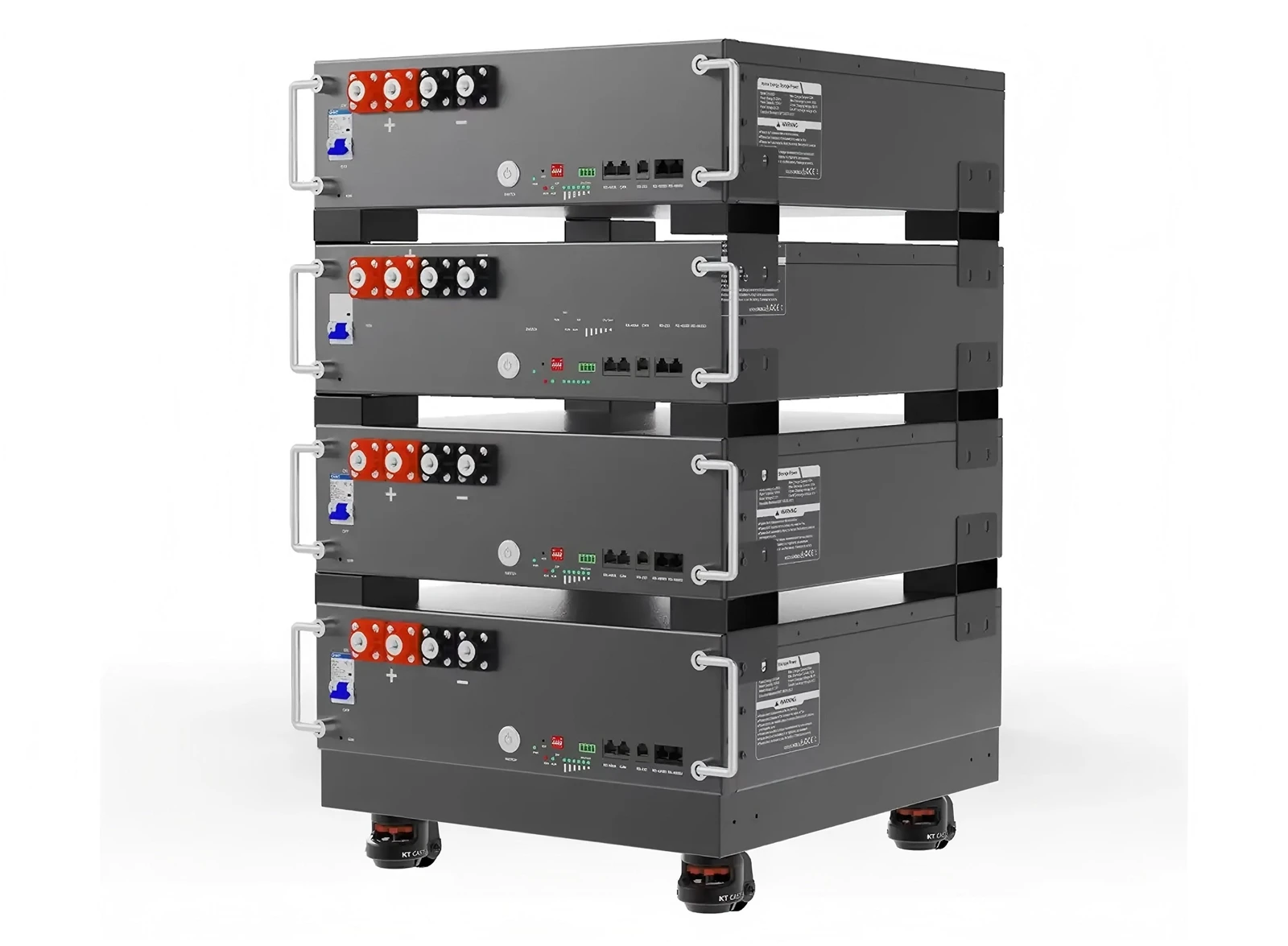
1.What is the voltage range of the rack lithium battery?
The voltage can vary. Common voltages include 48V, 51.2V etc. For example, some products like the Rack lithium ion battery 10kwh is 48V, and the Dawnice 16s Rack Mount Lifepo4 Lithium ion Phosphate Battery is 51.2V
2.What is the capacity range of the rack lithium battery?
Capacities typically range from 50ah to 200ah or more. For instance, there are rack lithium batteries available with capacities of 50ah, 100ah, and 200ah
3.How long is the warranty period for the rack lithium battery?
Most rack lithium batteries come with a relatively long warranty. Some products offer up to 10 years of warranty, like the Rack lithium ion battery 10kwh Lifepo4 Module Battery Pack
4.Can the rack lithium battery be used for off grid applications?
Yes, many rack lithium batteries are suitable for off grid applications. For example, 5 - 10kWh Off grid, Hybrid grid Lithium Ion Rack mounted batteries are designed specifically for such use cases
5.What is the weight of the rack lithium battery?
The weight varies depending on the capacity and type. For example, a 5 - 10kWh Offgrid, Hybrid grid Lithium Ion Rack mounted battery weighs about 95kg