






Galvanizing process is a surface treatment technology that covers the surface of metal, alloy or other materials with a layer of zinc to achieve anti-corrosion and decorative effects. It mainly utilizes that zinc hardly changes in dry air, while in humid air, a dense alkaline zinc carbonate film is formed on the surface of zinc. Due to its excellent corrosion resistance, the galvanizing process is widely used for the protection of various metal products.
Galvanization can be classified into hot-dip galvanizing, electroplating galvanizing, mechanical galvanizing, spray galvanizing, etc., because there are many types of processes currently available, but they are commonly referred to as cold galvanizing and hot-dip galvanizing.
The coating refers to the national standard GBT13192-2002, which determines the thickness of the attached zinc layer. Generally, the thickness of the attached hot-dip galvanized photovoltaic bracket is between 63-86 μ m, while the thickness of the traditional hot-dip galvanized bracket is generally greater than 2mm. For areas with strong winds, the thickness can reach 2.5mm.

1. Hot dip galvanized steel process
Hot dip galvanizing and hot-dip galvanizing have the same definition in the national standard, except that since GB/T13912-2002, "hot-dip galvanizing" has been replaced by the new term "hot-dip galvanizing".
Technological process:
Material preparation: Select high-quality carbon steel materials.
Cutting: Cut the steel into the required size according to the design requirements.
Welding: Welding the cut steel components together to form the basic framework of the bracket.
Acid washing: Immerse the welded bracket in acid solution to remove surface oxides and impurities.
Hot dip galvanizing: Immerse the pickled bracket into a molten zinc pool to form a uniform zinc layer on the surface, increasing its corrosion resistance.
Cooling and testing: Conduct quality testing after cooling to ensure the thickness and uniformity of the galvanized layer.

Characteristic:
Strong corrosion resistance, able to resist corrosion in harsh environments for a long time.
Low cost, suitable for large-scale applications.
High strength, able to withstand large wind and snow loads.
Application scenarios:
Suitable for large ground-based photovoltaic power stations, especially in highly corrosive environments such as coastal areas and industrial zones.

2. Aluminum alloy process photovoltaic bracket
Technological process:
Material preparation: Select high-quality aluminum alloy materials.
Extrusion molding: Aluminum is extruded into the desired profile using an extruder.
Cutting: Cut the profile into the desired length.
Drilling and punching: Drill and punch according to design requirements.
Anodizing: Performing anodizing treatment on aluminum alloys to enhance surface hardness and corrosion resistance.
Assembly and testing: Assemble the various components together and conduct quality inspection.

Characteristic:
Lightweight, easy to transport and install.
Strong corrosion resistance, especially suitable for outdoor environments.
Beautiful and has a good surface treatment effect.
Application scenarios:
Suitable for rooftop photovoltaic systems and small to medium-sized ground mounted photovoltaic power stations, especially in building integrated photovoltaic (BIPV) applications.
3. Stainless steel process photovoltaic bracket
Technological process:
Material preparation: Select high-quality stainless steel materials.
Cutting: Cut stainless steel material into the required size.
Welding: Welding various components together.
Polishing: Polish the welding area to ensure a smooth surface.
Assembly and testing: Assemble the various components together and conduct quality inspection.

Characteristic:
Highly corrosion-resistant, especially suitable for harsh environments.
High strength, capable of withstanding large loads.
Long service life and low maintenance cost.
Application scenarios:
Suitable for highly corrosive environments such as coastal areas and photovoltaic power stations near chemical plants.

4. Aluminum zinc coated steel plate process photovoltaic bracket
Technological process:
Material preparation: Select aluminum zinc coated steel plate material.
Cutting: Cut the aluminum zinc coated steel plate into the required size.
Forming: Use a pressing or bending machine to shape steel plates.
Punching and drilling: Punching and drilling are carried out according to design requirements.
Assembly and testing: Assemble the various components together and conduct quality inspection.
Characteristic:
Has excellent corrosion resistance and heat resistance.
Low cost and good economy.
Moderate intensity, suitable for most application scenarios.
Application scenarios:
Suitable for various ground-based photovoltaic power stations and rooftop photovoltaic systems, especially for medium-sized projects.

5. Composite material process photovoltaic bracket
Technological process:
Material preparation: Select composite materials such as glass fiber and resin.
Mixed molding: Mix glass fiber and resin and mold them together.
Curing: Curing at a specific temperature to enhance the strength and stability of the material.
Cutting and processing: Cutting and other processing as needed.
Assembly and testing: Assemble the various components together and conduct quality inspection.
Characteristic:
Lightweight, easy to transport and install.
Good corrosion resistance, especially suitable for corrosive environments.
Has good electrical insulation properties.
Application scenarios:
Suitable for special environments and application scenarios, such as highly corrosive or places that require electrical insulation.
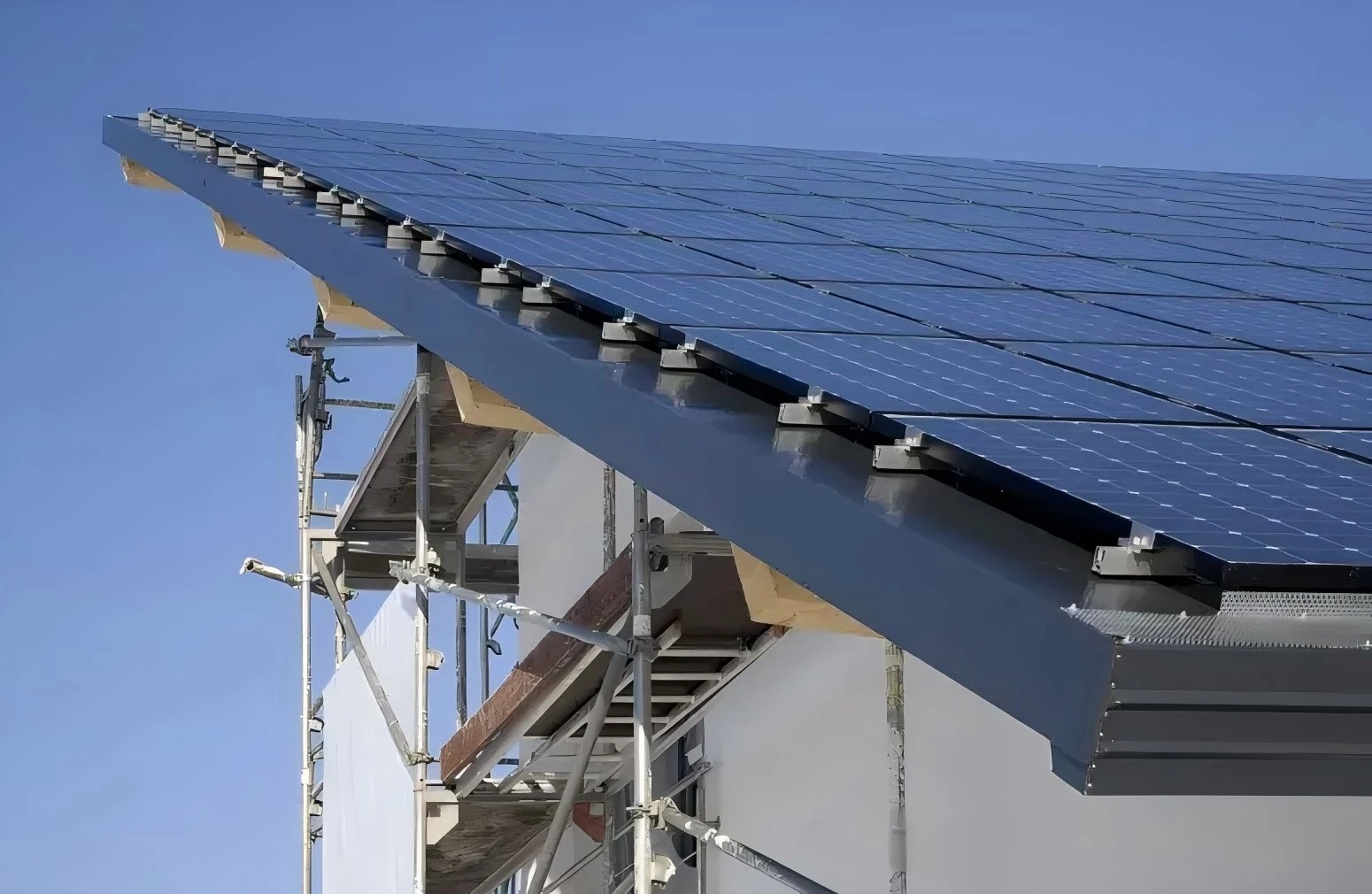
Different manufacturing processes and materials have their own advantages and disadvantages. Choosing the appropriate photovoltaic bracket materials and processes requires comprehensive consideration of specific project requirements, environmental conditions, cost budgets, and other factors. Reasonable selection and application of these materials and processes can effectively improve the efficiency and reliability of photovoltaic systems.