


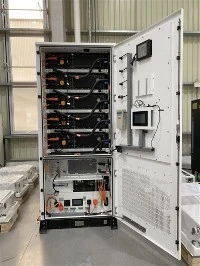
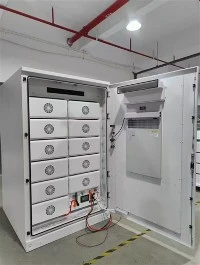
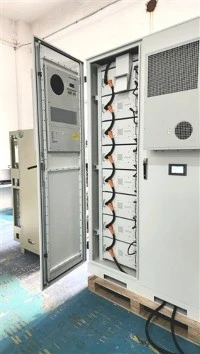
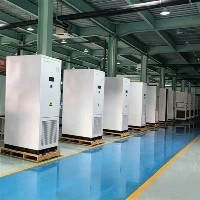
For commercial and industrial energy storage investors, EPC contractors, and facility managers, energy storage container lifespan is a core metric that determines project payback, long-term operational costs, and overall ROI. Many B2B buyers confuse battery cycle life with overall system durability, leading to inaccurate budget and return forecasts. A clear understanding of energy storage container design life and professionalESS container maintenance tips helps maximize the service value of containerized BESS systems and avoid premature equipment replacement losses.
Standard Energy Storage Container Design Life & Actual Lifespan
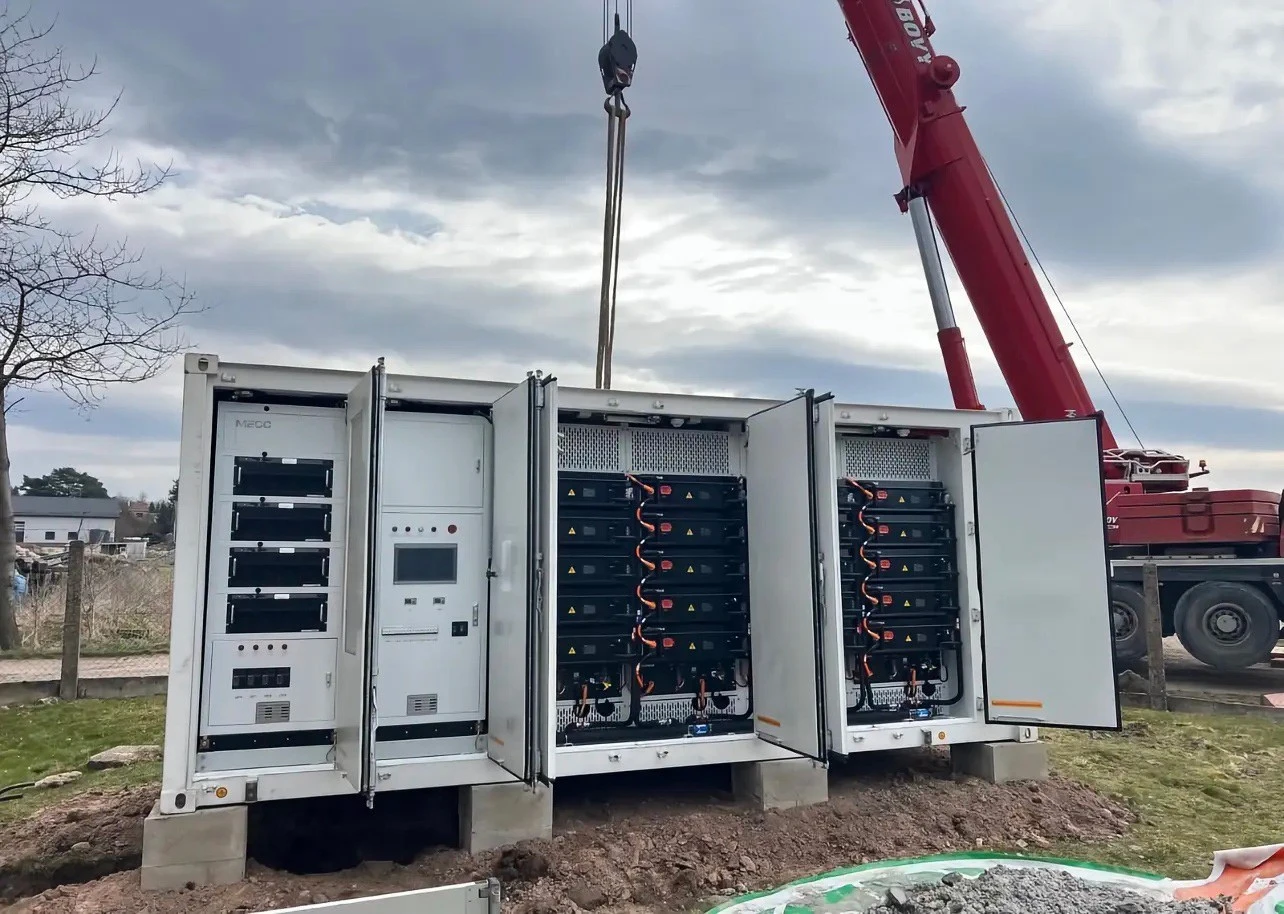
Industry standards define clear lifespan benchmarks for containerized battery storage systems. The overall structural design life of a standard energy storage container, including the steel enclosure, electrical wiring, safety components, and control systems, ranges from 15 to 20 years. These industrial-grade containers are engineered for long-term outdoor operation, with anti-corrosion, waterproof, and shock-resistant structures that maintain structural stability for decades.
In contrast, the battery system features a separate operational lifespan. Mainstream LiFePO4 batteries for ESS containers support over 6,000 deep charge-discharge cycles, delivering a practical working life of 10 to 15 years under daily peak shaving and PV energy storage scenarios. It is critical to distinguish design life from actual service life: while containers support 20-year structural operation, battery aging and improper maintenance often shorten real-world system performance lifespan.
Key Factors Affecting ESS Container Lifespan
Multiple technical and environmental factors determine how long energy storage containers last. First, battery cell quality is foundational. A-grade LiFePO4 cells feature low capacity attenuation and stable cycle performance, while low-grade cells degrade rapidly and reduce overall system lifespan.
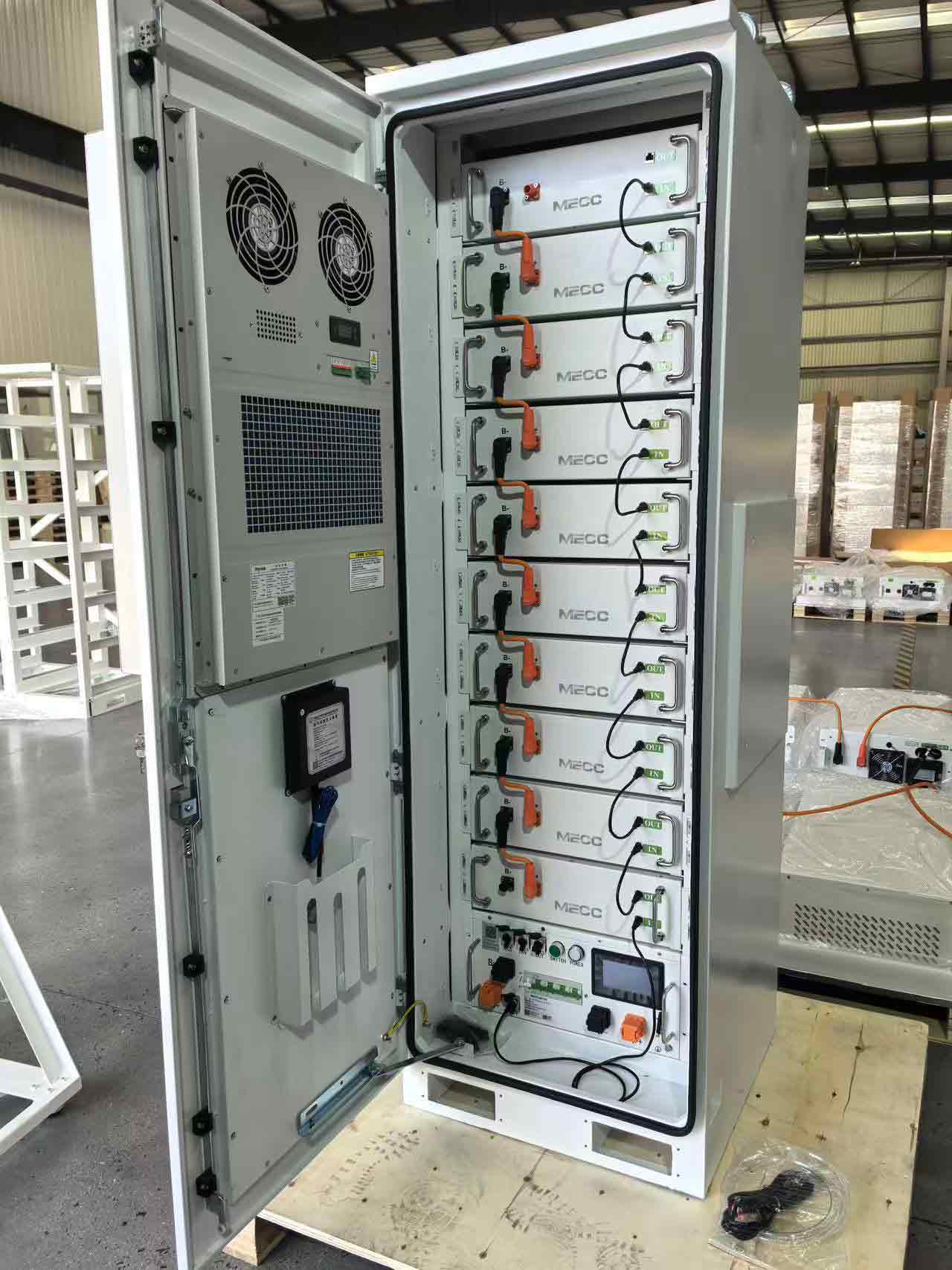
Second, thermal management performance plays a decisive role. Liquid cooling and high-efficiency air cooling systems maintain uniform internal temperatures, preventing heat accumulation and battery thermal aging. Poor heat dissipation is the leading cause of shortened ESS container service life. Third, scientific BMS and EMS scheduling avoids overcharging, deep discharging, and cell imbalance, effectively slowing battery degradation.
Additionally, harsh outdoor conditions including extreme temperatures, high humidity, dust, and chemical corrosion accelerate component aging. Irregular daily maintenance further accumulates minor faults, gradually undermining system stability and durability.
Professional Maintenance Tips to Extend Energy Storage Container Lifespan
Adopting standardized BESS maintenance best practices is the most cost-effective way to extend equipment life. First, conduct regular inspections and cleaning of thermal management systems to ensure unobstructed heat dissipation and eliminate local overheating risks.
Second, optimize charge-discharge strategies by setting a reasonable SOC operating range and avoiding long-term deep-cycle operation, which significantly reduces battery attenuation. Third, perform periodic BMS calibration and manual cell balancing to ensure consistent performance of the entire battery pack.
Fourth, inspect container sealing, waterproof structures, and lightning protection devices regularly to resist environmental corrosion. Finally, analyze operational fault logs timely and replace aging components to prevent cascading system failures and maintain long-term stable operation.
How Proper Maintenance Boosts Project ROI
Scientific maintenance fully leverages the 15–20 year design life of energy storage containers. Extended service life averages out initial capital investment, reduces frequent equipment replacement costs, and ensures continuous stable revenue from peak-valley arbitrage and solar self-consumption improvement. For industrial and commercial ESS projects, standardized maintenance directly optimizes long-term economic returns.
FAQ
1. What is the standard lifespan of an energy storage container?
The container structure has a 15–20 year design life, while LiFePO4 battery systems offer 10–15 years of stable operational lifespan.
2. How can I extend my ESS container service life?
Optimize thermal management, standardize charge-discharge scheduling, and implement regular professional inspection and maintenance.
Conclusion
The energy storage container lifespan depends on both inherent design specifications and daily maintenance quality. With a 15–20 year professional design life and scientific operational management, containerized BESS systems can deliver stable, high-efficiency energy storage services and maximum long-term ROI for modern commercial and industrial energy projects.