


Project Background
This case is implemented on an offshore oil & gas remote operating camp in Southeast Asia, a typical off-grid area without access to public utility power. The entire site previously relied entirely on diesel generator sets to power production equipment, monitoring instruments, pumping units and living facilities.
The load profile is complicated: constant base loads run round-the-clock, while frequent startup and shutdown of heavy machinery cause sharp load surges. Abundant solar irradiation on the island creates favorable conditions for building a photovoltaic + energy storage + diesel hybrid microgrid system. We adopted the AC-coupled topology and our liquid-cooled PCS energy storage cabinet to realize intelligent coordination of PV, battery storage and diesel gensets, cutting fuel costs and upgrading power supply stability.
Core Pain Points of Traditional Diesel-only Power Supply
Excessively High Fuel Cost & Low Generator Efficiency
In remote island and wilderness areas, diesel incurs huge expenses in cross-border transportation, storage and loss. Diesel generators perform poorly under light load and fluctuating load conditions, leading to incomplete fuel combustion and ultra-low energy efficiency. Fluctuating international oil prices further erode overall project profit margins.
Poor Power Quality Caused by Frequent Load Variation
Low Automation & Insufficient Power Reliability
Conventional diesel systems require on-site manual operation for genset startup, shutdown and switching. In harsh weather such as heavy rains or strong winds, power interruption risks rise sharply, failing to meet the 24/7 uninterrupted power demand of field industrial operations.
Single Energy Structure with Weak Risk Resistance
Total dependence on diesel makes the site vulnerable to supply delays, transportation blockages and fuel shortages, which may directly suspend all on-site operations.
Overall Solution & Product Selection Principle
Selection Basis
Liquid cooling design delivers superior heat dissipation, adapting to high temperature, high humidity and salt-spray corrosive offshore environment;
AC coupling is fully compatible with existing diesel generators without large-scale renovation of original power lines, shortening construction period and lowering on-site engineering cost.
Detailed System Configuration & Technical Mechanism
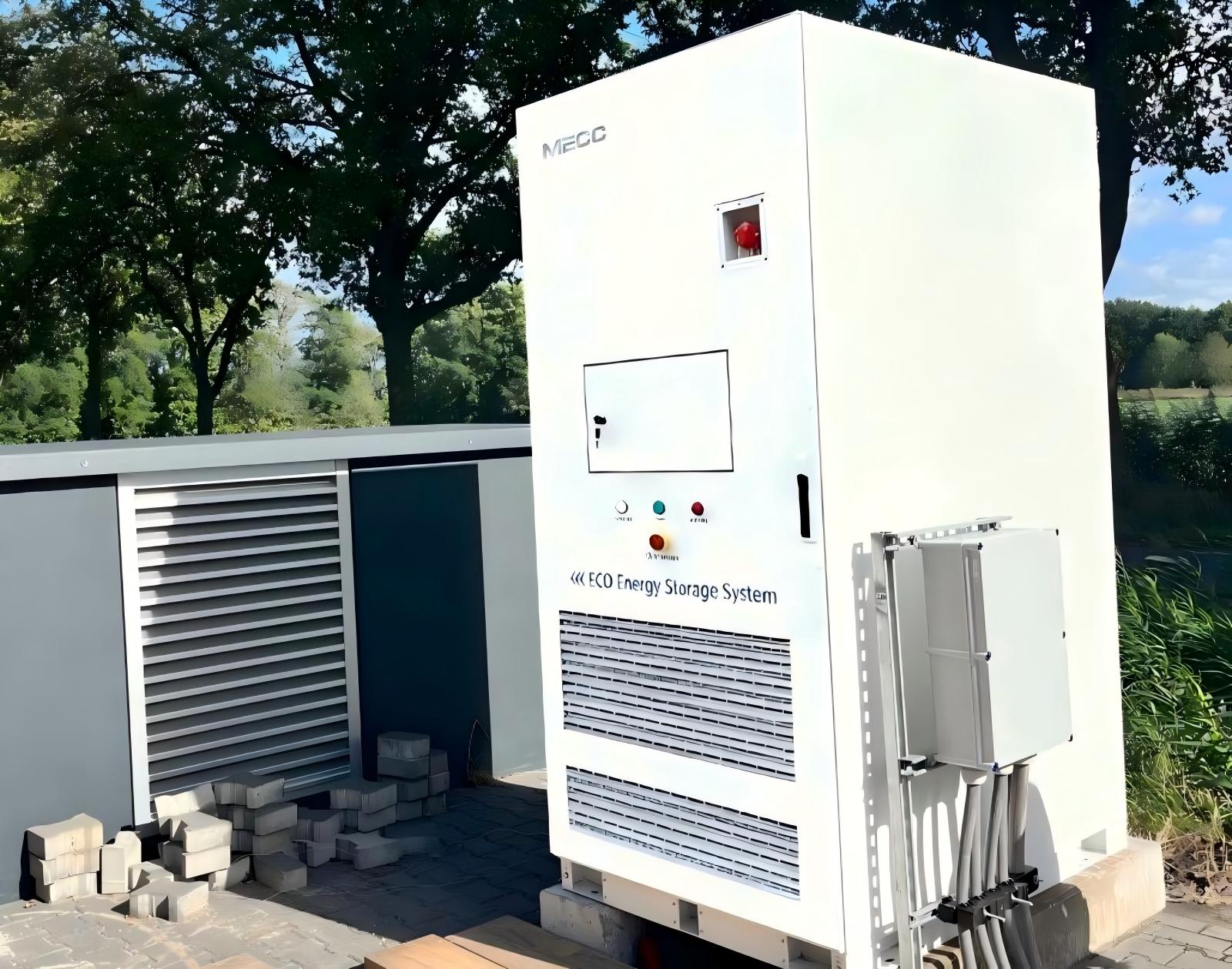
1. Core Energy Storage Device: 1 set of 125kW/261kWh Liquid-Cooled PCS Cabinet
Rated AC power: 125kW bidirectional PCS converter; usable battery capacity: 261kWh lithium iron phosphate battery pack
Full liquid thermal management system, IP55 outdoor protection, wide operating temperature range from -20°C to 55°C
Integrated BMS, aerosol fire suppression system, local controller and circuit protection components
Technical function: The high-speed bidirectional PCS responds within milliseconds to smooth abrupt load fluctuations and intermittent PV output, stabilizes microgrid voltage and frequency, and acts as the grid-forming source under off-grid mode.
2. PV Power Generation System (AC-Coupled Access)
A 200kWp ground-mounted solar array with high-efficiency monocrystalline modules is deployed on open flat land. Solar inverters convert DC power to AC and connect to the common AC busbar of the microgrid.
Operating logic: On sunny days, photovoltaic power supplies onsite loads preferentially, and surplus electricity is charged into the liquid-cooled energy storage cabinet for later use.
3. Backup Power Source: Original Diesel Generator Sets
4. Central Control Unit: EMS Energy Management System
Automated Control Logic of PV-ESS-Diesel Coordination
Energy Storage Priority Power Supply in Normal Conditions
Solar power directly feeds on-site loads during daytime. When PV generation drops or at night, the energy storage cabinet discharges to supply loads independently, keeping diesel generators in standby mode to eliminate fuel consumption.
Fluctuation Smoothing for PV Output & Dynamic Loads
The energy storage system rapidly absorbs excess power or supplements power gaps to offset cloud-caused PV volatility and motor startup impact, eliminating harmonic and voltage disturbance fundamentally.
When battery SOC drops to the lower limit due to prolonged cloudy weather or heavy peak loads, EMS automatically activates diesel generators to co-supply loads and recharge the battery bank;
Once SOC rebounds to the upper threshold, the system shuts down diesel units intelligently and returns to PV & storage standalone operation.
Multi-layer Fault Redundancy Protection
Project Benefits & Influences
1. Dramatically Reduce Fuel Consumption and Operational Expenditure
2. Optimize Power Quality and Extend Service Life of Equipment
3. Upgrade Unattended Intelligent Operation and Power Security
4. Fulfill ESG Compliance and Green Low-Carbon Requirements
5. Highly Replicable Standard Off-Grid Solution
Related Products
Liquid Cooling 125KW 261kWh Lithium Battery Energy Storage Cabinet
The IP55 Protected All-in-One Solar Energy Storage Cabinet is a high-performance, integrated energy solution engineered for outdoor commercial, industrial, and utility-scale solar applications. It integrates a 125kW Power Conversion System (PCS), a 261kWh lithium iron phosphate (LiFePO4) battery bank, an advanced liquid cooling system, and a intelligent Battery Management System (BMS) into a single cabinet with IP55 weatherproof protection. Designed to withstand harsh outdoor environments while delivering efficient energy conversion and storage, it supports solar energy absorption, peak shaving, load shifting, grid auxiliary services, and emergency backup power. Ideal for utility-scale solar farms, industrial parks, large commercial complexes, and remote microgrids, it provides a reliable, space-saving, and low-maintenance solution for large-scale renewable energy integration.
