


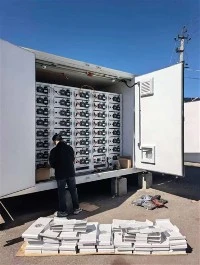
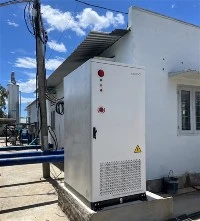
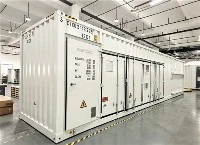
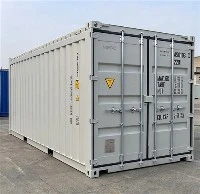
Amid the global wave of energy transition, commercial and industrial (C&I) energy storage has become a highly focused sector worldwide. With the gradual depletion of traditional energy resources and increasingly severe environmental challenges, developing efficient, clean and sustainable energy solutions has become an urgent priority. As a core segment in the modern energy industry, C&I energy storage delivers unique advantages and unprecedented opportunities for enterprises in energy management, cost control and sustainable development. This article comprehensively explains the fundamentals of C&I energy storage and how it empowers modern enterprises with tangible operational and economic benefits.

1. Definition of Core C&I Energy Storage Terms
1. Peak Shaving: Alleviates the grid load gap between peak and off‑peak periods through large‑scale energy storage technologies such as pumped hydro storage and compressed air energy storage.
2. Frequency Regulation: Maintains grid frequency stability via millisecond‑level rapid response technologies such as flywheel energy storage.
3. Backup Power Supply: Provides emergency power support during grid failures and supports black start scenarios.
4. Dynamic Capacity Expansion: Replaces traditional transformer capacity expansion with energy storage systems to save infrastructure renovation costs.
5. PV‑Storage‑Charging Integrated System: Integrates distributed photovoltaic generation and EV charging piles to realize self‑consumption of on‑site green power.
6. Peak Load Shifting: Charges batteries during low‑tariff off‑peak hours and discharges during high‑tariff peak hours to reduce corporate electricity expenses.
7. Demand Management: Flattens enterprise power consumption curves and reduces maximum demand charges for transformers.
8. EMC (Energy Management Contract): A customized energy service model differing from conventional power sales contracts. It issues 6% energy service VAT invoices instead of electricity sales invoices.
9. Demand Response: A revenue model where enterprises actively feed stored power back to the public grid when the utility grid suffers power shortage, obtaining government or grid subsidy rewards.
2. Core Electrical Knowledge for C&I Energy Storage Design
2.1 System Structure & Key Equipment
Battery System (Cell Core): The core component of energy storage systems, with capacity measured in kWh/MWh. Key indicators include cycle life (typically ≥6,000 cycles) and Depth of Discharge (DoD), generally controlled between 80%–90% to extend battery service life.
PCS (Power Conversion System): Measures system power in kW/MW, responsible for AC/DC power conversion. It must match the grid voltage level, including 380V low‑voltage and 10kV medium‑voltage scenarios.
BMS (Battery Management System): Real‑time monitors battery voltage, temperature, SOC (State of Charge) and SOH (State of Health), preventing overcharging and over‑discharging risks.
EMS (Energy Management System): Formulates intelligent charge‑discharge strategies (e.g., two‑charge & two‑discharge daily mode), coordinates the interaction of PV generation, grid power and on‑site loads, and supports peak‑valley arbitrage and dynamic capacity expansion.
2.2 Grid Connection & Safety Design
Voltage Level Selection
• Low Voltage (380V): Applicable for systems ≤1MW, no scheduling communication required.
• Medium & High Voltage (6kV–35kV): Applicable for systems ≥500kW, equipped with relay protection and anti‑reverse current devices.
Lightning Protection & Grounding: Grounding resistance ≤4Ω; energy storage containers share a unified grounding network with the power distribution room.
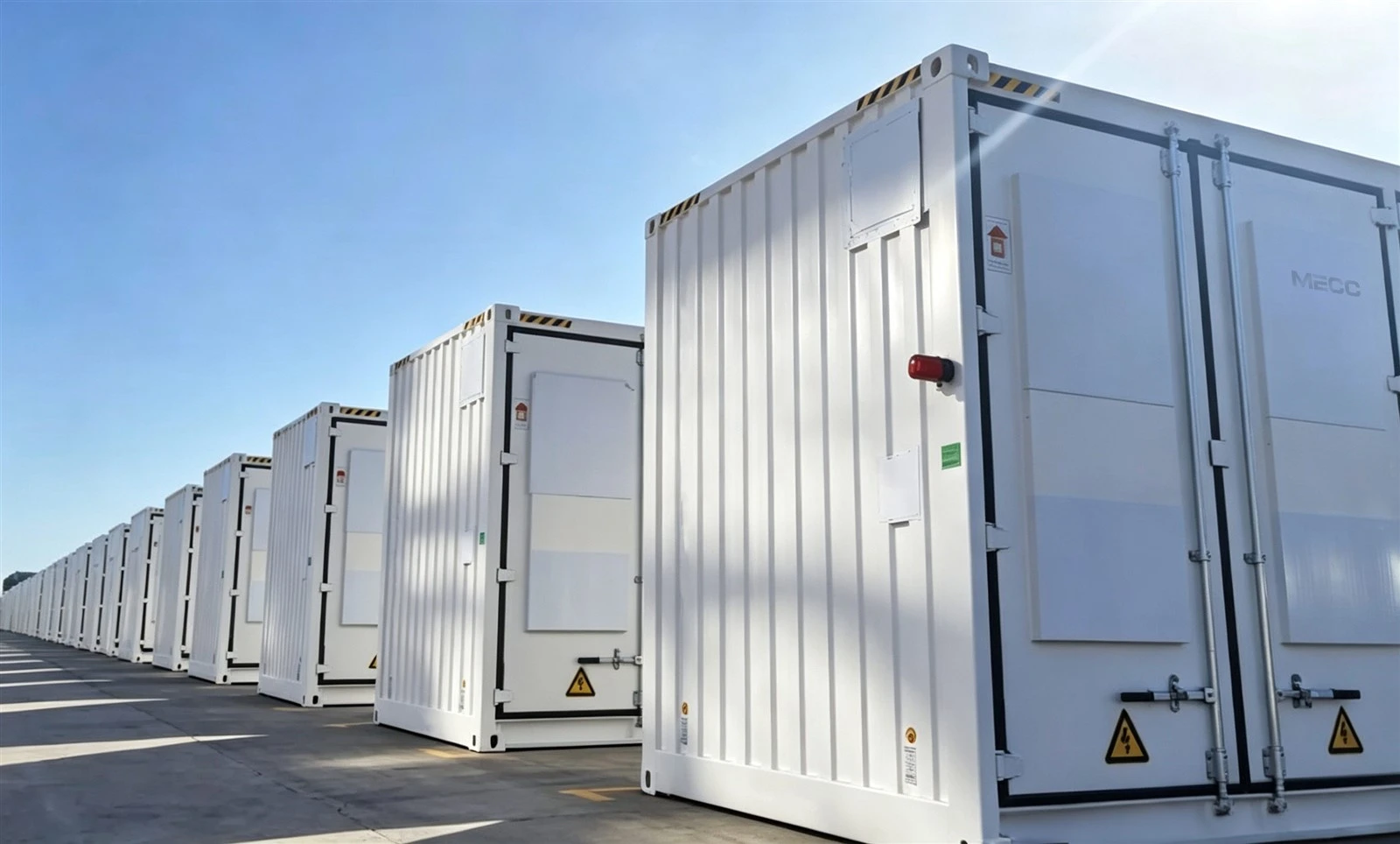
Fire Safety Design: Perfluoroketone fire suppression system is standard configuration; the spacing between energy storage containers must be ≥10 meters.
2.3 Control Strategies & Profit Models
Peak‑Valley Arbitrage: Optimizes charge‑discharge schedules based on time‑of‑use tariff gaps. For example, Zhejiang Province features a tariff gap of 0.7–1 CNY/kWh, with a typical system configuration of 250kW/1MWh.
Demand Charge Management: Reduces maximum transformer demand charges. A 300kW energy storage system can save approximately 12,000 CNY in electricity fees per month.
Dynamic Capacity Expansion: Supplements peak power demand via energy storage discharge, avoiding costly transformer upgrading and expansion investment.
3. Common Units & Conversion Standards
3.1 Power Units (Instant Energy Flow)
Units: Watt (W), Kilowatt (kW), Megawatt (MW), Gigawatt (GW)
Conversion: 1MW = 1000kW = 1,000,000W 1GW = 1000MW
3.2 Capacity Units (Total Energy Storage)
Units: Watt‑hour (Wh), Kilowatt‑hour (kWh), Megawatt‑hour (MWh), Gigawatt‑hour (GWh)
Conversion: 1MWh = 1000kWh = 1,000,000Wh 1GWh = 1000MWh
3.3 Key Technical Parameters
Depth of Discharge (DoD): Ratio of discharged energy to total battery capacity. Example: 4kWh discharged from a 5kWh battery equals 80% DoD.
Round‑trip Efficiency: Overall charge‑discharge efficiency, with a typical industry standard ≥88%.
Voltage Classification: Low voltage (220V/380V), medium voltage (6kV–35kV), high voltage (≥110kV).
4. Practical Unit Matching & Economic Analysis
4.1 Typical System Configuration Cases
• 250kW/1MWh System: Full charging duration of 4 hours at rated power (Discharge Duration = Capacity / Power).
• 1000kW/2MWh System: Suitable for two‑charge & two‑discharge daily operation, fully charged within 2 hours.
4.2 Economic Benefit Calculation
IRR Calculation: A Zhejiang C&I energy storage project achieves an annual discharge volume of 466,700 kWh, with an annual peak‑valley arbitrage revenue of 213,700 CNY and a static payback period of approximately 5.27 years.
Demand Charge Optimization: Monthly electricity cost savings of a 300kW storage system = 300kVA × 33.8 CNY/(kW·month) = 10,140 CNY/month.
Conclusion
The rapid rise of C&I energy storage marks not only technological progress but also the arrival of a new energy era. It brings multi‑dimensional value for enterprises including cost reduction, efficiency improvement and sustainable development, while strongly driving the green energy transformation of the whole society. With maturing technologies and improving market mechanisms, C&I energy storage will embrace broader development prospects. Moving forward, widespread adoption of energy storage will promote efficient energy utilization and contribute to global carbon neutrality goals.