


The development of lithium‑ion batteries has revolutionized modern technology, powering a wide range of devices from smartphones to electric vehicles and renewable energy storage systems. In recognition of their profound impact, the 2019 Nobel Prize in Chemistry was awarded to John B. Goodenough, M. Stanley Whittingham, and Akira Yoshino for their pioneering contributions to lithium‑ion battery technology. These lightweight, rechargeable batteries have not only transformed people's daily lives but also play a vital role in building a sustainable energy future. Driven by the continuously growing demand for high‑performance batteries, the industry is evolving rapidly and reshaping the future of energy storage and mobility.
The basic working mechanism of lithium‑ion batteries relies on the reversible migration of lithium ions between the anode and cathode. During charging, lithium ions detach from the cathode, travel through the electrolyte, and intercalate into the anode material. Conversely, during discharging, lithium ions migrate back to the cathode, releasing electric energy to power external devices.
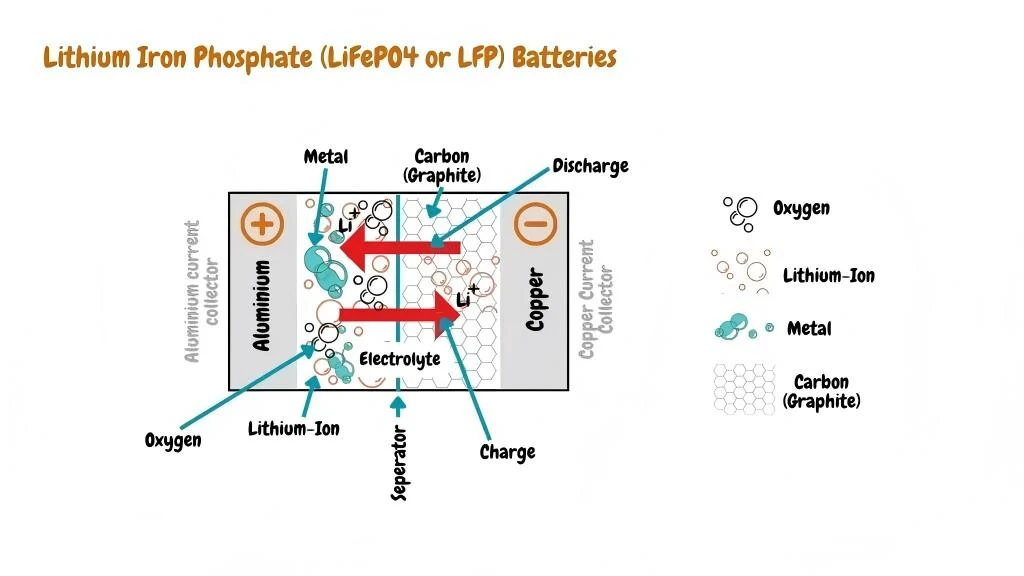
The core electrochemical reactions are shown below:
Charging Reaction: LiCoO₂ → Li₁₋ₓCoO₂ + xLi⁺ + xe⁻
Discharging Reaction: Li₁₋ₓCoO₂ + xLi⁺ + xe⁻ → LiCoO₂
The reversible shuttling of lithium ions enables continuous charge and discharge cycles. Nevertheless, challenges including electrode stability degradation, electrolyte aging, and high‑rate fast‑charging performance remain key focuses of ongoing research and optimization.
01 Core Components and Technical Challenges
The overall performance of lithium‑ion batteries is determined by five core components:
① Cathode Material: Determines the battery's energy density and operating voltage. Typical commercial materials include lithium cobalt oxide (LiCoO₂), lithium iron phosphate (LiFePO₄), and high‑nickel NMC ternary materials.
② Anode Material: Graphite remains the mainstream anode material. Meanwhile, silicon‑based anodes have attracted extensive research attention due to their ultra‑high theoretical specific capacity.
③ Electrolyte: Traditionally composed of lithium salts (e.g., LiPF₆) dissolved in organic solvents. Solid‑state electrolytes have emerged as a cutting‑edge alternative to greatly enhance battery safety and comprehensive performance.
④ Separator: Prevents internal short circuits between the positive and negative electrodes while allowing free passage of lithium ions. Its excellent thermal resistance and mechanical strength are critical guarantees for battery safety.
⑤ Battery Management System (BMS): Realizes intelligent monitoring, protection and strategic control, improving charging efficiency and ensuring overall operational safety of the battery pack.
Current major technical bottlenecks in the industry:
① Trade‑off between energy density and safety: Higher energy density design tends to bring higher safety risks, especially thermal runaway failures.
② Balanced fast charging and cycle life: High‑speed charging technology must avoid damaging battery structural stability and shortening service life.
③ Stable supply chain guarantee: High reliance on lithium and cobalt resources brings geopolitical and economic supply risks.
④ Improved recyclability and sustainability: Efficient battery recycling technologies are essential to reduce environmental impact and recover valuable metal resources.
02 Industry Applications and Market Trends
Lithium‑ion batteries have been widely applied across diverse industries, with expanding application boundaries driven by continuous technological iteration.
① Consumer Electronics: Lightweight and high‑capacity lithium‑ion batteries support the stable operation of smartphones, wireless earbuds, tablets and various portable smart devices.
② Electric Mobility: Declining battery costs and rising energy density have made electric vehicles a viable alternative to traditional internal combustion engine vehicles. Solid‑state batteries are expected to define the next generation of vehicle power battery technology.
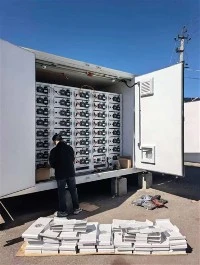
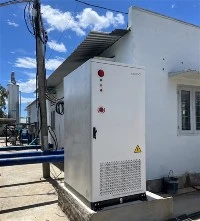
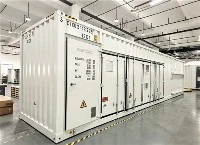
③ Energy Storage Systems: Grid peak shaving, frequency regulation and residential energy storage solutions rely heavily on lithium‑ion batteries to achieve efficient integration and stable utilization of renewable energy.
④ Industrial and Medical Equipment: Drones, power tools, and portable medical devices require high‑reliability and high‑performance lithium‑ion batteries to ensure operational efficiency and safety.
03 Future Development Outlook
Driven by global energy transition and dual‑carbon goals, lithium‑ion battery technology is evolving rapidly. The key future development trends are summarized as follows:
① Solid‑State Batteries: Eliminate safety hazards caused by liquid electrolytes while significantly boosting energy density and cycle stability.
② Advanced Electrode Materials: High‑nickel cobalt‑free cathode materials and high‑capacity silicon‑based anodes are bringing breakthroughs in battery performance limits.
③ AI‑empowered Smart BMS: Intelligent monitoring and algorithm optimization based on artificial intelligence further extend battery lifespan and improve energy utilization efficiency.
④ Large‑scale Battery Recycling: A circular economy system will reshape the battery industry, improving sustainability and reducing dependence on virgin mineral resources.
⑤ Next‑Generation Manufacturing Technology: Innovative processes such as 3D printing and advanced high‑precision electrode coating optimize battery structure, upgrade overall performance and lower production costs.
⑥ Ultra‑Fast Charging Technology: New electrolyte formulas and electrode materials greatly shorten charging duration and significantly improve user experience.
Lithium‑ion batteries continue to drive technological innovation across industries, with continuous iterations shaping a greener and more sustainable energy future. In the coming years, balancing performance upgrading, operational safety and environmental sustainability will remain the core challenge and development focus of the global battery industry.