


Lithium-ion storage is safe when it's engineered and certified to be. The difference between a battery energy storage system (BESS) that insurers, fire marshals, and utilities will approve - and one they won't - often comes down to two standards: UL 9540 and UL 9540A. For anyone specifying commercial battery storage, understanding what these certifications actually mean is not optional fine print. It's the foundation of a project that's insurable, code-compliant, and bankable.
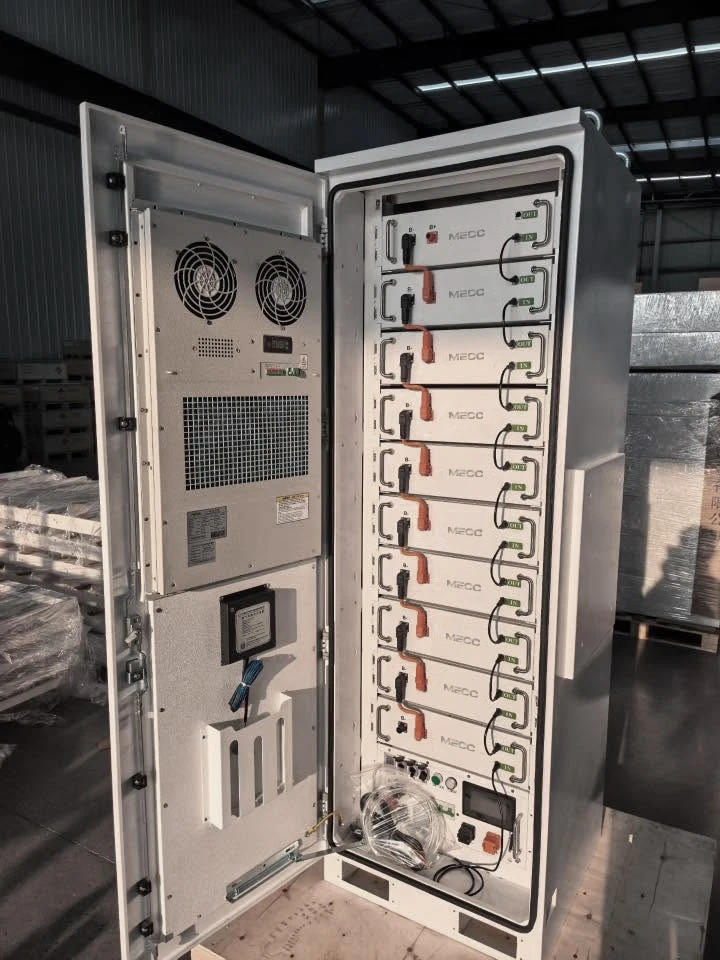
Why fire safety is the defining issue
Lithium cells can enter thermal runaway - a self-sustaining, heat-generating failure that can propagate from one cell to its neighbors. The job of modern standards is to prove that a C&I battery storage system either prevents propagation or contains it. Every certification below exists to answer one question: if something goes wrong inside, does it stay contained?
UL 9540: the system-level certification
UL 9540 certifies the complete energy storage system - battery, PCS (power conversion system), BMS (battery management system), and controls - as a coordinated product. It evaluates electrical safety, mechanical integrity, and thermal behavior of the whole assembly, not just the cells. Think of it as the product stamp: it says the integrated commercial energy storage unit was built and tested to recognized safety requirements. A system without UL 9540 will struggle to pass review by an authority having jurisdiction (AHJ).
UL 9540A: the fire test method
UL 9540A is the test standard, not a product certification. It defines a large-scale fire test that evaluates thermal runaway behavior at four levels: cell, module, unit, and installation. The test measures whether a failure propagates, how much heat and gas is released, and how the enclosure and suppression respond. The resulting data is what tells engineers how far apart systems must sit and what protection is required - it's the evidence base behind today's installation rules.
How the two work together
The relationship is simple: UL 9540 certifies that a system is safely built; UL 9540A produces the performance data that determines how it must be installed. One is the product; the other is the proof that informs placement, spacing, and suppression. Buyers should ask for both - a certified unit and its 9540A test results.
NFPA 855: turning data into installation rules
NFPA 855, the installation standard, takes the 9540A data and prescribes real-world requirements: separation distances from property lines and occupied buildings, maximum unit spacing, fire detection, ventilation, and suppression. It's why a liquid-cooled battery storage cabinet might qualify for tighter spacing than an uncertified enclosure, and why setbacks aren't negotiable. Compliance here is what the fire marshal actually inspects.
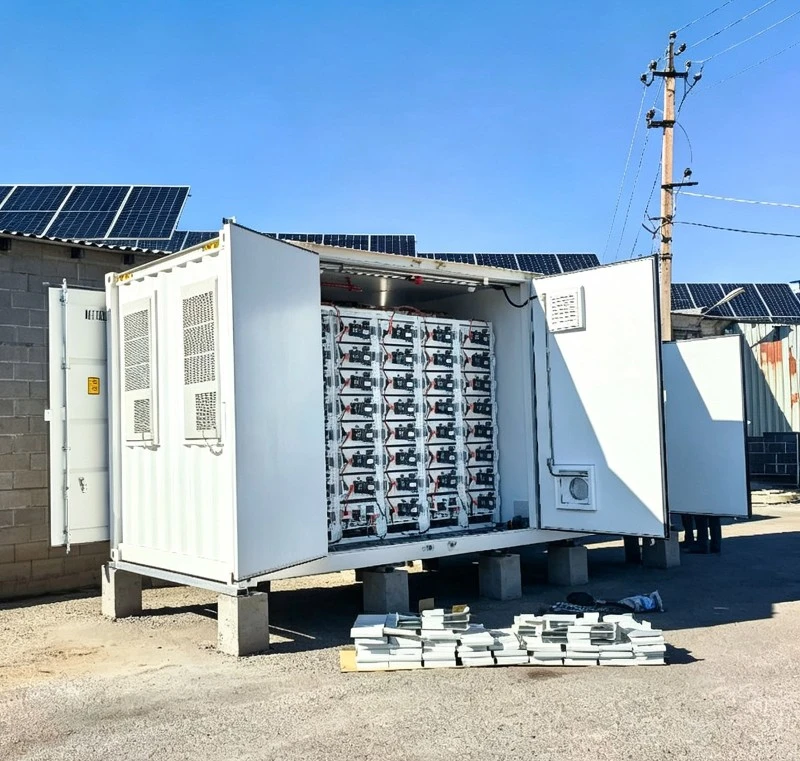
IEC 62619 and the wider standards landscape
For international projects, IEC 62619 covers safety requirements for industrial lithium cells and batteries, complementing the UL framework. Add the National Electrical Code (NEC) for wiring and protection, plus local amendments, and you have a full compliance stack. A commercial energy storage manufacturer targeting global markets should hold certification to all applicable standards, not just one.
Design choices that pass certification
Some engineering decisions make certification smoother:
LFP (lithium iron phosphate) chemistry is inherently more thermally stable than NMC, easing propagation concerns.
Liquid-cooled designs manage heat more precisely than air-cooled enclosures.
Robust enclosure design, gas detection, and integrated suppression all draw on 9540A findings.
Choosing chemistry and cooling with safety standards in mind is cheaper than retrofitting compliance later.
What this means for buyers
Certification isn't bureaucratic overhead - it drives real outcomes:
Insurance: underwriters increasingly require UL 9540/9540A evidence.
Permitting: AHJs approve faster when documentation is complete.
Resale and financing: certified assets hold value and qualify for financing.
Safety: the whole point - contained failures, protected people and property.
Cheaper uncertified systems can cost far more in rejected permits, denied claims, or worse.
Impact on cost and economics
Certified systems may carry a modest premium, but they protect the whole investment. When modeling commercial energy storage cost per kWh, LCOS (levelized cost of storage), battery storage ROI, and commercial battery storage payback, treat certification as a baseline requirement - not an upgrade. The savings from peak shaving, TOU arbitrage, or demand response only materialize if the system is legal to operate.
Questions to ask your supplier
Ask directly: Is the system UL 9540 listed? Can you share the UL 9540A test report? How does the design comply with NFPA 855, and what setbacks apply? Is it IEC 62619 certified for international deployment? Do you provide documentation for the AHJ and insurer? A credible commercial energy storage supplier answers these without hesitation - and supports commercial energy storage installation and battery storage maintenance to keep compliance intact over the asset's life.
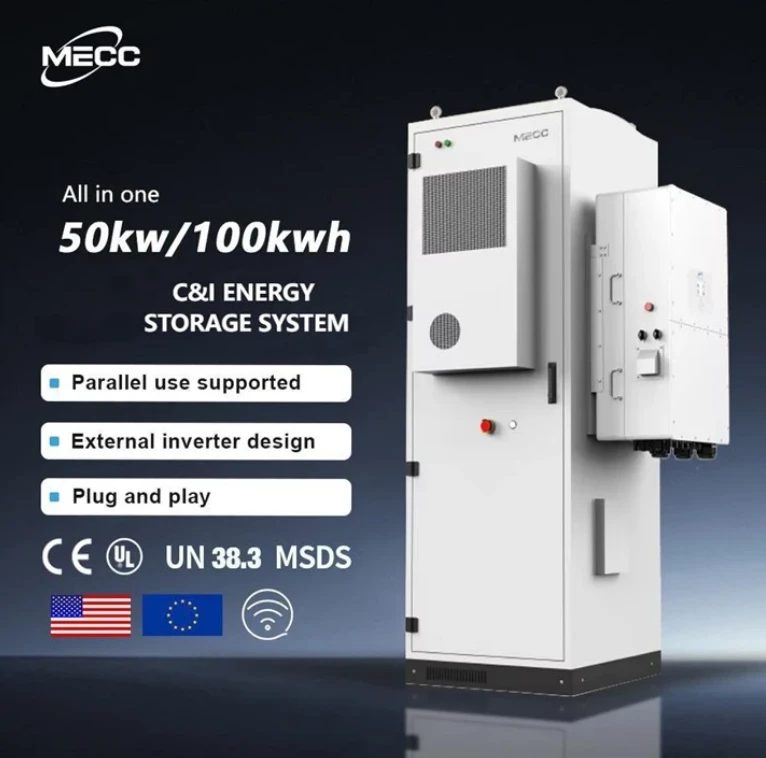
MECC 50KW 112KWH BESS Battery Energy Storage System
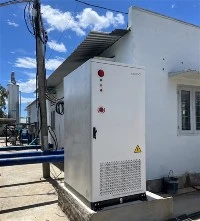
The MECC 50kw 112kWh Battery Energy Storage Cabinet is a high-capacity energy storage solution designed for industrial and commercial applications. Featuring 358V, 314Ah lithium iron phosphate (LiFePO4) battery, it ensures long-lasting, safe, and efficient energy storage.
High-efficiency 50kW/112kWh Industrial and Commercial Energy Storage System (C&I ESS). Features LiFePO4 battery, peak shaving, and smart EMS. Reduce operational costs and ensure power backup. Inquire for custom BESS solutions.
Designed with a compact footprint of less than 1.2 square meters, this 112kWh cabinet features a pre-integrated all-in-one design, reducing on-site installation time by 40% compared to modular rack systems.