


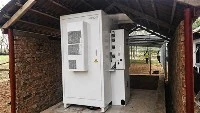
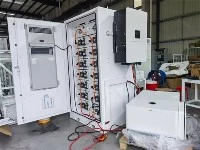
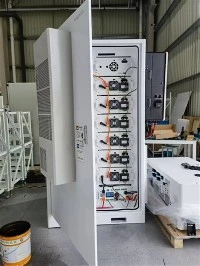
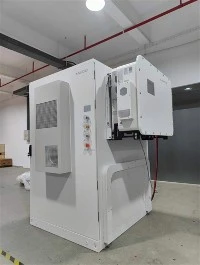
Against the backdrop of accelerating global energy structure transformation, the demand for flexible and efficient energy storage in the industrial and commercial sectors is becoming increasingly urgent. As a highly integrated modular energy solution, commercial container energy storage is becoming a key driving force for the innovation of commercial energy management due to its rapid deployment, flexible and adjustable capacity, and adaptability to various scenarios. From technological innovation to application mode upgrading, container energy storage is reshaping the energy usage pattern of industry and commerce.
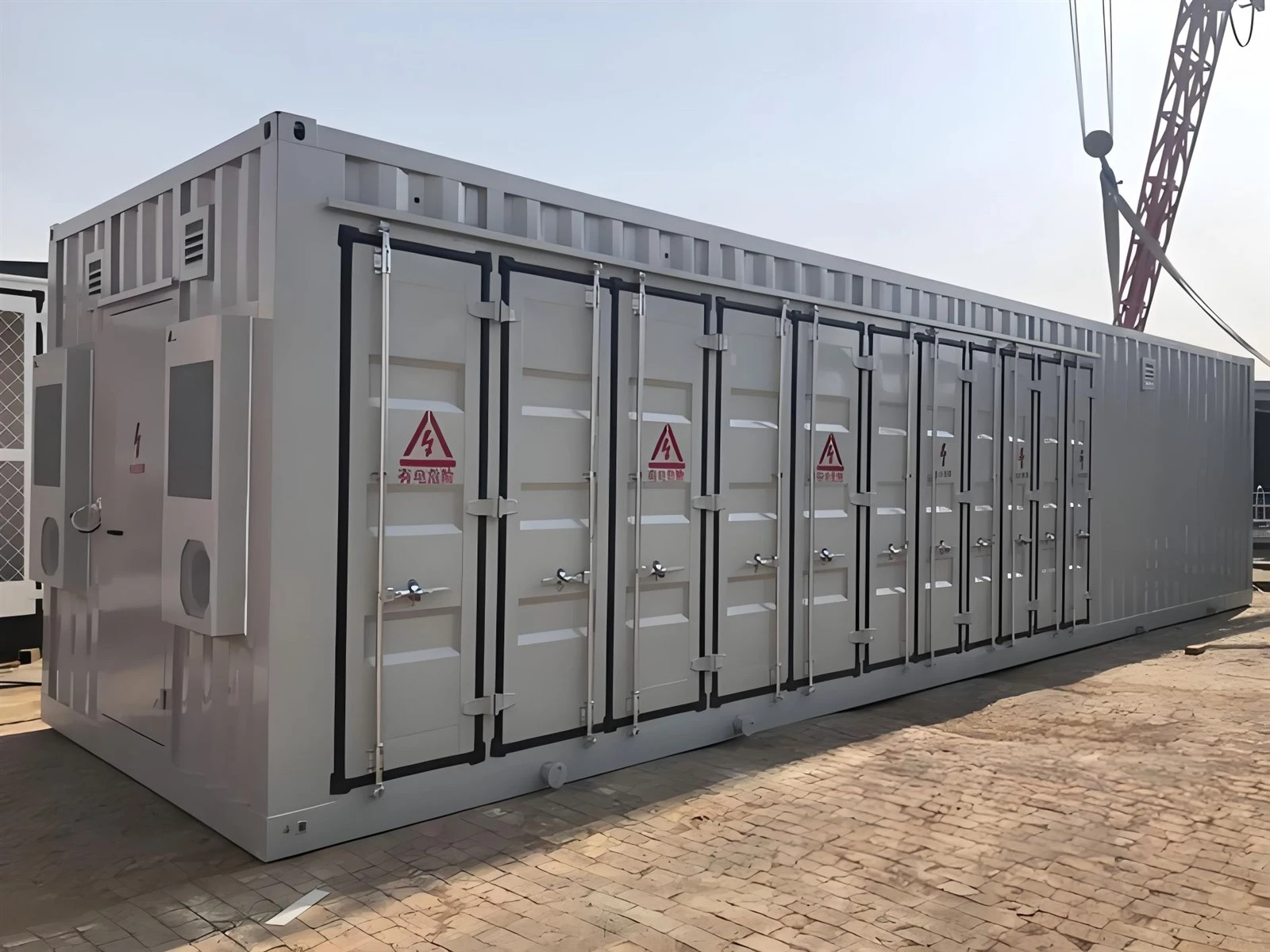
Highly integrated modular design: breaking traditional energy storage boundaries
The biggest advantage of commercial container energy storage lies in its modular design concept. Integrate core components such as battery system, energy conversion system (PCS), battery management system (BMS), temperature control system, and fire protection system into a standard container to form an independent and complete energy storage unit. This design breaks the limitations of traditional energy storage systems with dispersed installation and long construction periods, significantly reducing project construction time. Taking a 1MWh container energy storage project as an example, it only takes 2-3 weeks from factory production to on-site installation and commissioning, which shortens the construction period by more than 60% compared to traditional civil engineering energy storage projects.
Modular design also endows energy storage systems with a high degree of flexibility. Users can quickly expand their energy storage capacity by connecting multiple containers in parallel according to their actual electricity needs. In a large industrial park, three 500kWh container energy storage units were initially deployed. With the expansion of the enterprise's production scale, the energy storage capacity was easily increased to 2.5MWh within six months by adding two containers of the same specification, meeting the growing demand for electricity load. In addition, the standardized size design of containers makes them easy to transport and move, whether in urban industrial parks or remote industrial bases, enabling rapid energy deployment and providing stable power supply for enterprises.

Intelligent management system: achieving precise energy regulation
Industrial and commercial container energy storage is equipped with advanced intelligent management systems, which achieve full lifecycle management of the energy storage system through IoT, big data, and artificial intelligence technologies. The Battery Management System (BMS) monitors key parameters such as voltage, current, temperature, and State of Charge (SOC) of the battery in real-time, and controls the charging and discharging process of the battery through precise algorithms to ensure safe and efficient operation of the battery. For example, when the temperature of a certain group of batteries is detected to be too high, the BMS will automatically adjust the charging and discharging strategy and link with the temperature control system to start cooling, avoiding performance degradation or safety hazards caused by overheating of the batteries.
The Energy Management System (EMS) automatically optimizes the operation strategy of the energy storage system based on fluctuations in grid electricity prices, enterprise electricity load curves, and renewable energy generation. In areas with significant differences in peak and valley electricity prices, EMS can control container energy storage to charge during low electricity price periods and discharge during peak electricity price periods, saving enterprises a lot of electricity expenses. After installing a container energy storage system in a commercial complex, the monthly electricity cost was reduced by 35% through the intelligent control of EMS, significantly improving the economic benefits of the enterprise. At the same time, the intelligent management system also supports remote monitoring and fault diagnosis. Operation and maintenance personnel can view the real-time operation status of the energy storage system through a mobile app or computer. Once an abnormality occurs, the system will automatically alarm and provide a fault solution, greatly reducing operation and maintenance costs and manpower investment.

Diversified application scenarios: meeting the differentiated needs of industry and commerce
In the field of industry and commerce, the application scenarios of container energy storage are showing a diversified trend. In industrial parks, container energy storage can serve as a "power buffer" to alleviate the pressure on the power grid and ensure the stable operation of enterprise production lines. When there is a fault or insufficient power supply in the power grid, the energy storage system can switch to discharge mode within milliseconds to continuously supply power to critical equipment, avoiding production interruptions and economic losses caused by power outages. After installing a container energy storage system in a certain automobile manufacturing factory, during a regional power grid maintenance and power outage, the production line was not affected with the support of the energy storage system, successfully avoiding order delay losses worth millions of yuan.
For industrial and commercial enterprises with a high proportion of distributed photovoltaic power generation, container energy storage can achieve "spontaneous self use, surplus electricity storage". During the day, when the photovoltaic power generation of the enterprise exceeds the electricity consumption, the excess electricity is stored in the container energy storage system; At night or on cloudy days, the energy storage system releases electricity to improve the utilization rate of renewable energy by enterprises. In a certain food processing enterprise, the rooftop photovoltaic system combined with container energy storage system has increased the self-sufficiency rate of renewable energy from 30% to 70%, not only reducing dependence on traditional power grids, but also reducing carbon emissions and enhancing the green image of the enterprise.