


A battery storage container is a lot of energy in a small space - which is exactly why fire suppression is a design discipline, not a checkbox. Lithium thermal runaway behaves differently from a conventional fire: it generates its own oxygen, spreads cell to cell, and can reignite hours after being knocked down. Protecting a battery energy storage system (BESS) means layering prevention, detection, suppression, and containment so a single cell failure never becomes a catastrophe. Here's how the technologies behind modern commercial energy storage protection actually work.
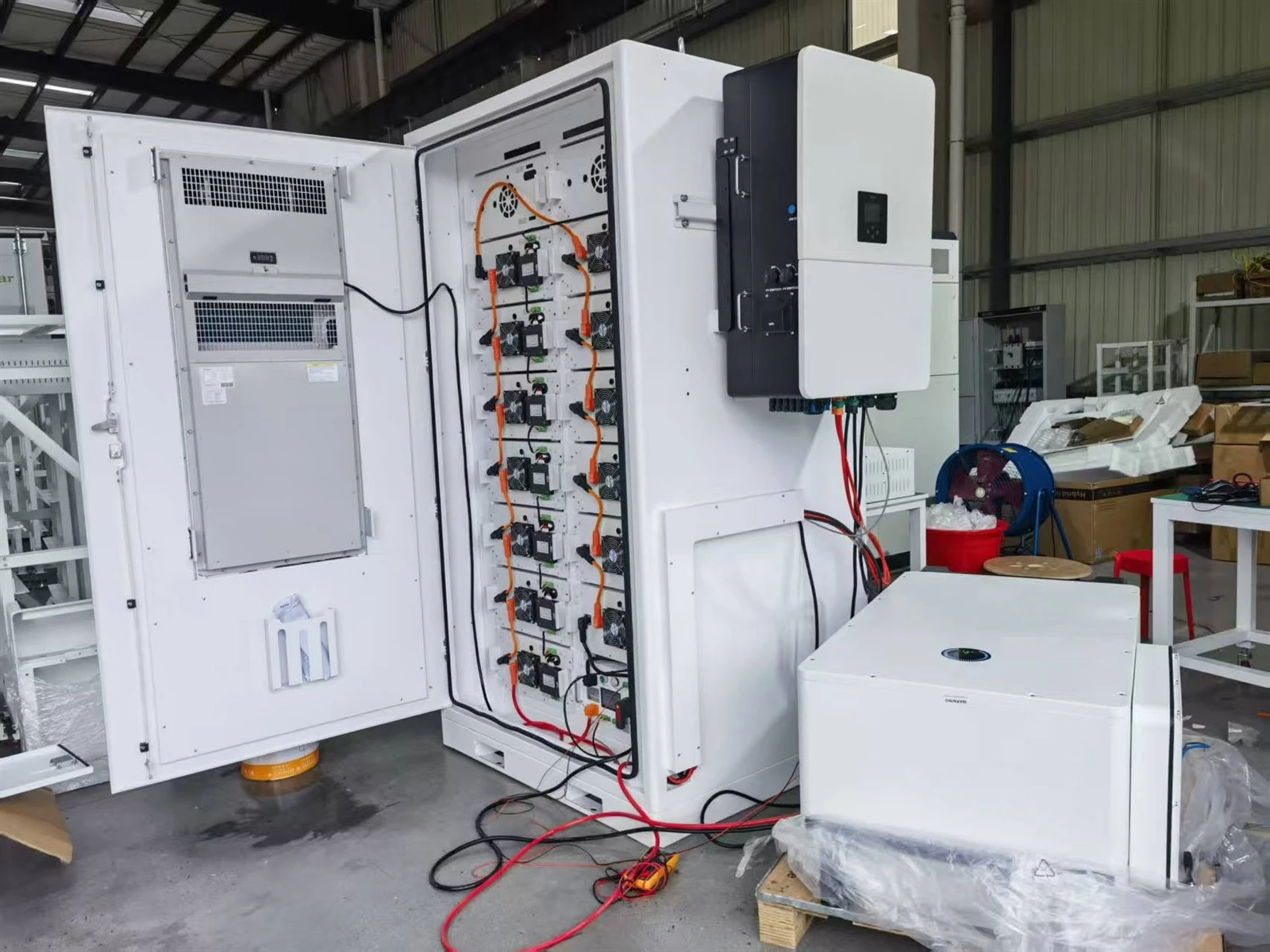
Why suppression is different for lithium storage
Conventional fire suppression assumes fuel, oxygen, and heat can be separated. In a lithium thermal runaway, the cell supplies its own heat and oxygen, so simply "removing oxygen" may not stop the reaction. Suppression must instead cool the cells, halt propagation to neighboring modules, and prevent gas accumulation that could ignite. Re-ignition risk means suppression and monitoring must persist long after flames disappear.
The layered defense concept
Effective protection is a stack, not a single device:
Prevention: the BMS (battery management system) and liquid-cooled thermal management keep cells within safe limits.
Detection: early-warning sensors catch off-gassing before visible fire.
Suppression: agents knock down and cool the fault.
Containment: enclosure design limits spread to adjacent units.
Response: ventilation, shutdown, and emergency access for responders.
Remove any layer, and the others are less effective.
Detection technologies
Detection must be early to matter. Modern systems combine:
Smoke and heat detectors for conventional cues.
Gas detection for volatile organic compounds (VOCs) and hydrogen released during early off-gassing - often the earliest indicator.
Off-gas sensors integrated with the EMS (energy management system) to trigger shutdown and suppression before a visible fire.
Early detection is what lets suppression act while the fault is still contained to a few cells.
Suppression technologies
No single agent fits every site; the main options differ in mechanism and suitability:
Clean agents such as Novec 1230 or FM-200: electronics-safe, leave no residue, effective in enclosed spaces - common for cabinets and containers, though they cool less than water.
Water mist: fine droplets cool aggressively and are effective against thermal runaway, with less water damage than deluge.
Deluge / water spray: powerful cooling for large containers, but electrical isolation and drainage must be engineered; increasingly combined with mist.
Aerosol / condensed: compact and low-maintenance, useful where space and piping are constrained.
Inert gas: displaces oxygen in enclosed volumes, best paired with cooling for lithium faults.
Many designs pair a clean agent for fast knock-down with water mist for sustained cooling - addressing both the initial event and re-ignition.
Explosion prevention and deflagration
Gas accumulation is a serious hazard. Standards like NFPA 68 and NFPA 69 guide explosion prevention and deflagration venting for enclosures. Practical measures include ventilation, gas detection, and pressure-relief or deflagration venting so that if off-gases ignite, the energy vents safely rather than rupturing the container.
Container design and integration
Suppression works only if the enclosure supports it. Key design elements:
Compartmentalization to limit propagation between modules.
Thermal management - liquid-cooled designs hold tighter temperature control than air-cooled enclosures, reducing runaway likelihood.
Integrated controls so the BMS, PCS (power conversion system), and EMS coordinate shutdown and suppression activation.
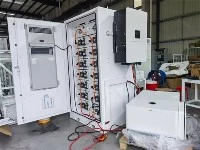
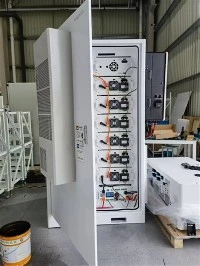
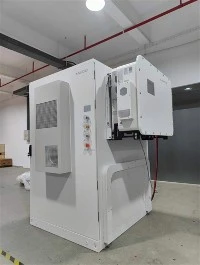
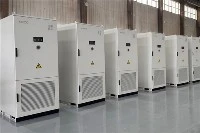
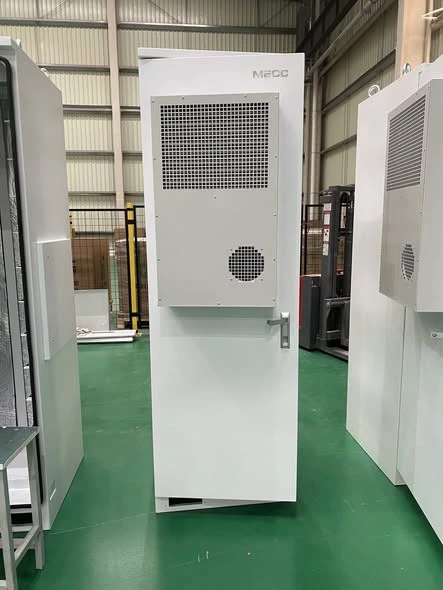
Modular construction using standardized 215 kWh battery storage modules or all-in-one energy storage cabinets that embed protection by design.
Standards that govern protection
Suppression choices must align with the certification and installation stack: UL 9540 (system certification), UL 9540A (large-scale fire testing that reveals propagation behavior), NFPA 855 (installation requirements), and IEC 62619 for international markets. The UL 9540A results often determine the suppression and spacing strategy required.
Chemistry and suppression choice
Cell chemistry affects the approach. LFP (lithium iron phosphate) chemistry is more thermally stable and less prone to propagation than NMC, which can ease suppression requirements. Still, no chemistry is immune - the protection strategy should match the tested behavior of the specific product, not a generic assumption.
Maintenance and testing
Suppression systems are only as reliable as their upkeep. Plan for sensor calibration, agent recharge or replacement, nozzle and piping inspection, and periodic functional tests - all part of a proper battery storage maintenance program. A suppression system that hasn't been serviced in years is a false sense of security.
Impact on cost and economics
Fire protection adds cost, but it protects the entire investment and is required for insurability and permitting. When evaluating commercial energy storage cost per kWh, LCOS (levelized cost of storage), battery storage ROI, and commercial battery storage payback, treat protection as built-in, not optional. The value from peak shaving, TOU arbitrage, or demand response only exists if the system is safely insurable and code-compliant.
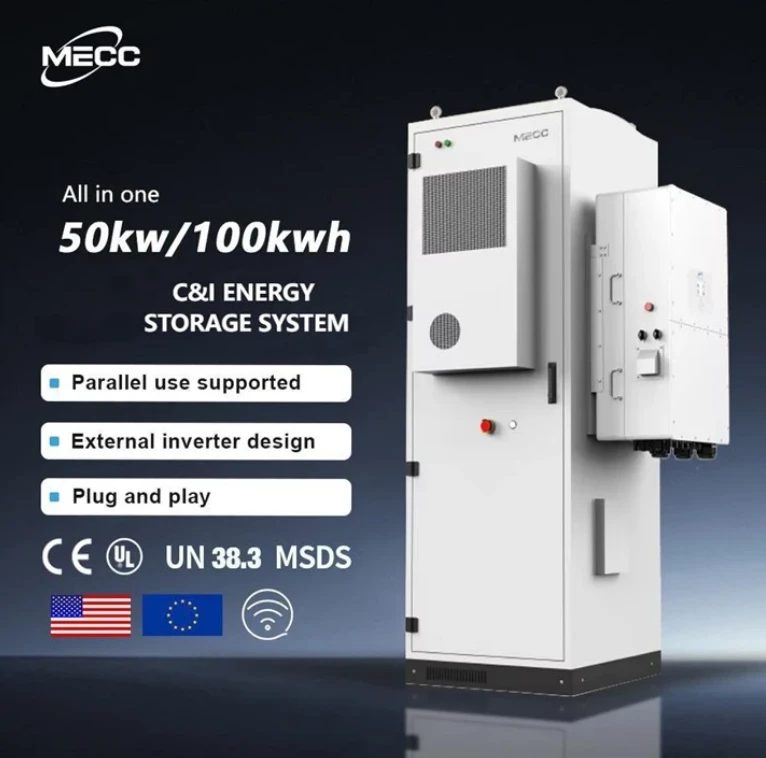
MECC 50KW 112KWH BESS Battery Energy Storage System
The MECC 50kw 112kWh Battery Energy Storage Cabinet is a high-capacity energy storage solution designed for industrial and commercial applications. Featuring 358V, 314Ah lithium iron phosphate (LiFePO4) battery, it ensures long-lasting, safe, and efficient energy storage.
High-efficiency 50kW/112kWh Industrial and Commercial Energy Storage System (C&I ESS). Features LiFePO4 battery, peak shaving, and smart EMS. Reduce operational costs and ensure power backup. Inquire for custom BESS solutions.
Designed with a compact footprint of less than 1.2 square meters, this 112kWh cabinet features a pre-integrated all-in-one design, reducing on-site installation time by 40% compared to modular rack systems.