With the official roll‑out of the Guidelines for Distribution Power System Hosting‑Capacity Assessment, the dynamic management mechanism for red‑yellow‑green distribution transformers (three‑zone management) has been fully implemented across domestic power grids. The new regulation explicitly stipulates that distributed photovoltaic projects located in yellow‑zone and red‑zone areas with limited grid hosting capacity must be equipped with energy storage to obtain grid‑connection approval.
Meanwhile, the 15th‑Five‑Year Plan for the Development of the New‑Type Energy System is vigorously promoting user‑side integrated development of source‑grid‑load‑storage. Driven by both regulatory requirements and national energy strategies, commercial and industrial (C&I) energy storage has evolved from an optional upgrade into a mandatory grid‑connection requirement. It has become a core standard facility for enterprises to cut operational costs, boost efficiency and participate in electricity‑market transactions.
Residential vs. C&I vs. Utility‑Scale Energy Storage
The energy‑storage market is divided into three major segments by application scenario: residential energy storage, commercial‑industrial energy storage and large‑scale standalone energy storage. Fundamental differences exist among them in system capacity, target users, profit‑generation logic and technical standards.
Residential Energy Storage
Ranging from 5 kWh to 50 kWh, residential energy storage serves household end‑users. Its primary functions include self‑consumption of surplus rooftop PV power and backup power supply during outages. It features low charge‑discharge cycling frequency, with design priorities placed on compact form, low‑noise operation and household‑grade safety. The main market for residential storage lies in Europe, while domestic market volume remains relatively limited.
Commercial and Industrial (C&I) Energy Storage
Covering capacities from 100 kWh to 10 MWh, C&I energy storage is deployed in factories, logistics parks, commercial complexes and heavy‑duty truck charging‑swap stations. It optimizes on‑site power consumption for enterprises and delivers multiple revenue streams including PV power matching, peak‑shaving & demand reduction, as well as grid demand‑response services. Subject to frequent daily charge‑discharge cycles, it sets higher requirements for cycle life and intelligent dispatching performance.
Large‑Scale Standalone Energy Storage
Individual stations range from tens to hundreds of MWh, deployed on the grid side and at large‑scale renewable‑energy bases. It delivers grid‑support services such as peak‑shaving, frequency regulation and capacity compensation. Investors are mostly power‑generation groups and grid‑owned enterprises. Large‑scale standalone storage dominates China's energy‑storage installation base, consistently accounting for over 90 % of newly commissioned new‑energy‑storage capacity.
Breakdown of Four Core Hardware Components
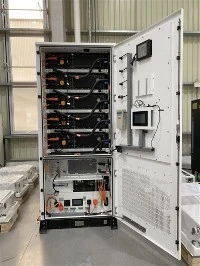
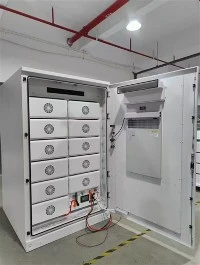
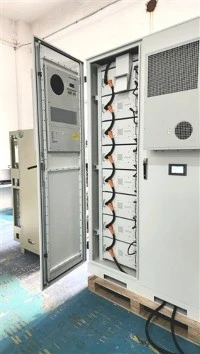
A complete C&I energy‑storage system operates via coordination among four key units: battery system, BMS, PCS and EMS. BMS, PCS and EMS are collectively known as the "3S system", performing distinct yet mutually‑coordinated functions.
1. Energy‑storage Battery: Energy Carrier of the System
Lithium‑iron‑phosphate (LFP) batteries are widely adopted for C&I storage thanks to long cycle life, high safety performance and controllable material costs. Battery cells are assembled into modules (PACK), connected in series to form battery clusters, and constitute the DC‑side of the whole energy‑storage system.
Energy‑storage batteries store low‑cost off‑peak grid electricity and surplus photovoltaic power. As the core energy carrier, they also represent the largest cost component, generally accounting for 60 %‑70 % of total project investment.
2. BMS: Battery Safety Steward
The Battery Management System (BMS) monitors voltage, current and temperature of every single cell in real time. It maintains cell‑state consistency through balance control to prevent over‑charging and over‑discharging. It estimates State of Charge (SOC) and State of Health (SOH), sends early warnings and triggers protective actions upon early signs of thermal runaway.
Algorithm precision and balancing capability of BMS directly govern battery‑capacity utilisation and system safety, acting as a critical metric for evaluating overall technical competence of energy‑storage products.
3. PCS: Bidirectional Power Conversion Hub
The Power Conversion System (PCS) realises bidirectional AC‑DC power conversion. During charging, it converts grid‑supplied alternating current into direct current for battery storage. During discharging, it inverts DC power from batteries into AC power for on‑site enterprise loads.
PCS units for C&I applications commonly range from 100 kW to 1 MW, with conversion efficiency generally above 95 %. Beyond power conversion, PCS undertakes grid‑connected protection, anti‑islanding detection and reactive‑power support, serving as a prerequisite for compliant grid interconnection.
4. EMS: Intelligent System Commander
The Energy Management System (EMS) orchestrates coordinated operation of batteries, PCS, BMS and peripheral devices such as PV arrays and charging piles. Drawing on load profiles, tariff structures and PV generation forecasts, EMS computes and executes optimal charge‑discharge strategies.
For C&I energy‑storage projects, the optimisation capability of EMS largely determines project return‑on‑investment (ROI), representing the core competitive strength of system integrators.
Three Main Development Models for C&I Energy‑storage Deployment
Currently, C&I energy‑storage projects are implemented under three mainstream business models: enterprise self‑investment, EMC energy‑management contracting and financial leasing. Each suits factories with different capital conditions and risk tolerance.
Enterprise Self‑investment Model
The factory fully funds the complete energy‑storage system and retains full ownership of equipment. All revenues generated by peak‑valley arbitrage, demand‑response incentives and demand‑reduction benefits accrue to the enterprise. This model fits large‑scale manufacturing and logistics enterprises with sufficient cash flow and long‑term renewable‑energy strategies. The enterprise bears O&M expenses and equipment depreciation.
EMC (Energy Management Contracting) Model
Renewable‑energy service providers make full investment in construction. Enterprises incur zero upfront capital expenditure. Parties sign an energy‑saving revenue‑sharing agreement, under which saved electricity costs are divided according to pre‑defined ratios. Investment‑side partners take full responsibility for equipment operation‑and‑maintenance and failure risks. This model is suitable for small‑and‑medium‑sized factories with limited capital and low risk appetite.
Financial Leasing Model
Enterprises lease energy‑storage hardware from leasing companies and pay regular rental fees. Ownership may be transferred to the lessee at a discounted price upon lease expiry. Up‑front capital outlay is far lower than self‑investment, while all energy‑saving benefits belong to the enterprise. Overall costs are higher than under EMC contracts. It is recommended for medium‑sized industrial parks with stable revenue yet short‑term cash‑flow pressure.
Conclusion
Driven by new industrial policies, C&I energy storage has shifted from an optional energy‑saving upgrade to a mandatory grid‑connection requirement and cost‑reduction standard. Understanding distinctions across storage segments, core hardware principles and commercial implementation models lays the foundation for enterprises to achieve compliant grid‑access, maximise energy‑saving returns and advance source‑grid‑load‑storage integration. It also marks a key breakthrough for refined industrial energy management.
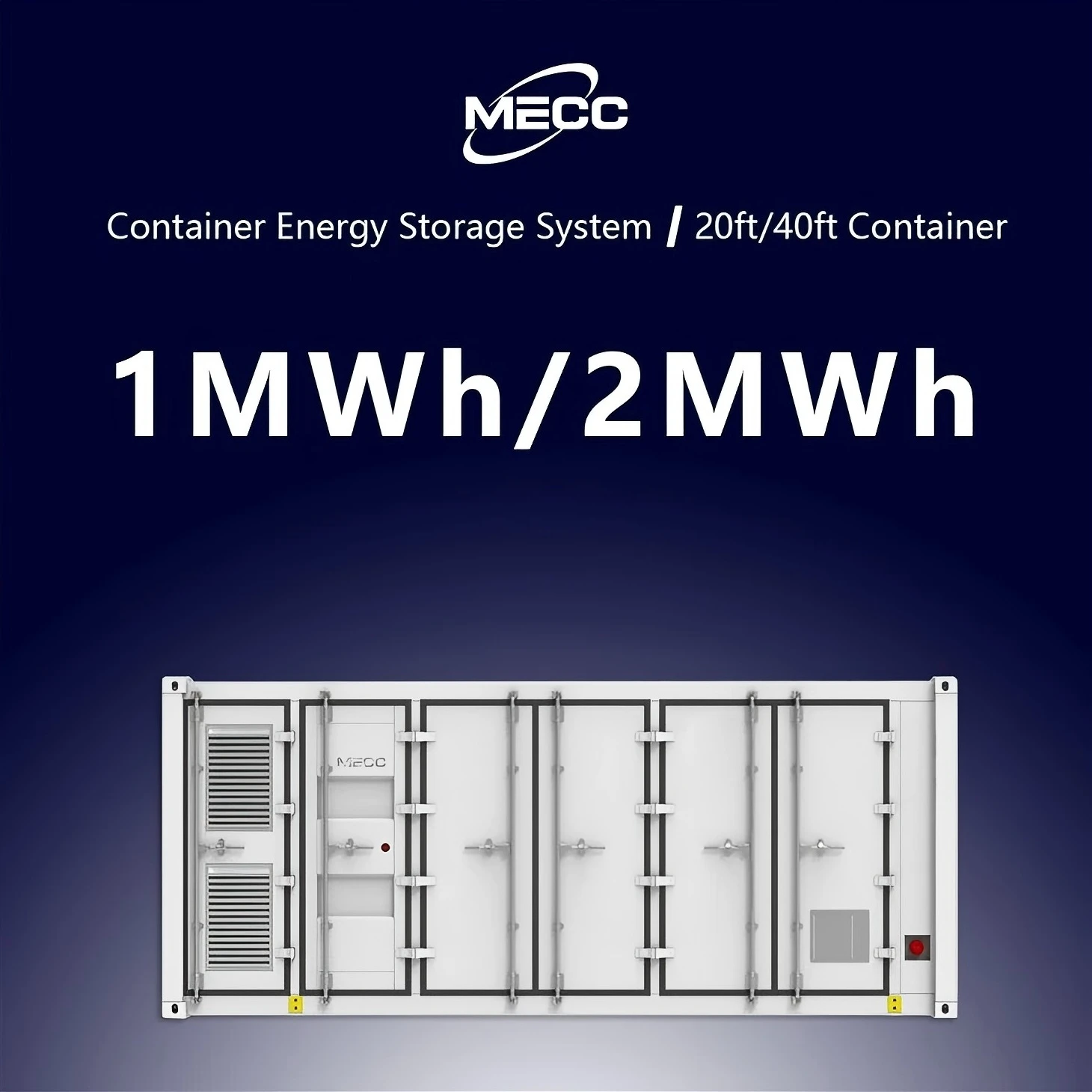
500KW/1MW 1MWh/2MWh Battery Energy Storage System Container
The 500kW/1MW 1MWh/2MWh Battery Energy Storage System Container is a turn‑key utility‑grade energy storage solution housed in standard 20ft or 40ft shipping containers, integrating bidirectional PCS, A‑grade LiFePO4 battery clusters, master BMS, liquid‑cooled thermal management, gas fire suppression, high‑voltage distribution and EMS energy management system with full factory pre‑assembly and pre‑commissioning. Requiring only foundation construction and high‑voltage cable connection for on‑site commissioning, it supports flexible power‑capacity configuration and multi‑container parallel expansion, delivering core capabilities of peak‑shaving and load shifting, renewable energy smoothing, frequency‑voltage grid support, islanded micro‑grid operation and large‑scale emergency backup. Featuring IP54 enclosure protection and comprehensive multi‑layer safety mechanisms, it adapts to diverse harsh outdoor environments, and is widely deployed for ground‑mounted PV power stations, industrial parks, mining operations, island microgrids and grid‑side auxiliary service projects to stabilize grid fluctuations, boost renewable energy utilization and reduce comprehensive energy costs.