


For a modern factory, data center, cold-storage warehouse, or pharma plant, a power outage isn't an inconvenience - it's a direct hit to production, inventory, and contracts. As grid reliability wobbles and extreme-weather events rise, more operators are taking energy into their own hands with a behind-the-meter microgrid. By combining on-site generation, commercial battery storage, and intelligent controls, a C&I facility can keep running through a blackout - and quietly cut its energy bill the rest of the time.
What a behind-the-meter microgrid actually is
A behind-the-meter microgrid is a localized energy system serving a single site. It bundles distributed generation (typically commercial solar plus storage, sometimes a genset), a battery energy storage system (BESS), the facility's loads, and a control layer. The defining feature: it can run connected to the grid and seamlessly island - disconnect and operate independently - the moment the utility feed fails. Unlike utility-scale community microgrids, this one is owned and optimized by the facility itself.
Why C&I facilities are building them now
Three forces converge:
Resilience: the cost of one interrupted production run or spoiled cold-storage load often exceeds the entire storage investment.
Economics: the same commercial energy storage that provides backup also performs peak shaving, time-of-use (TOU) arbitrage, and demand response.
Energy independence: on-site solar plus storage reduces exposure to volatile tariffs and critical peak pricing events.
For commercial & industrial battery energy storage buyers, the microgrid is where resilience stops being a pure cost and starts paying its way.
Core components
A typical C&I microgrid includes:
Commercial solar plus storage as the primary clean generation-and-storage pair.
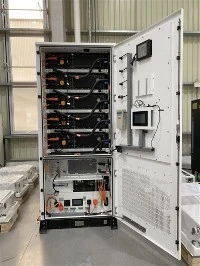
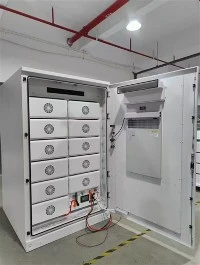
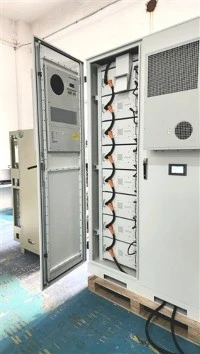
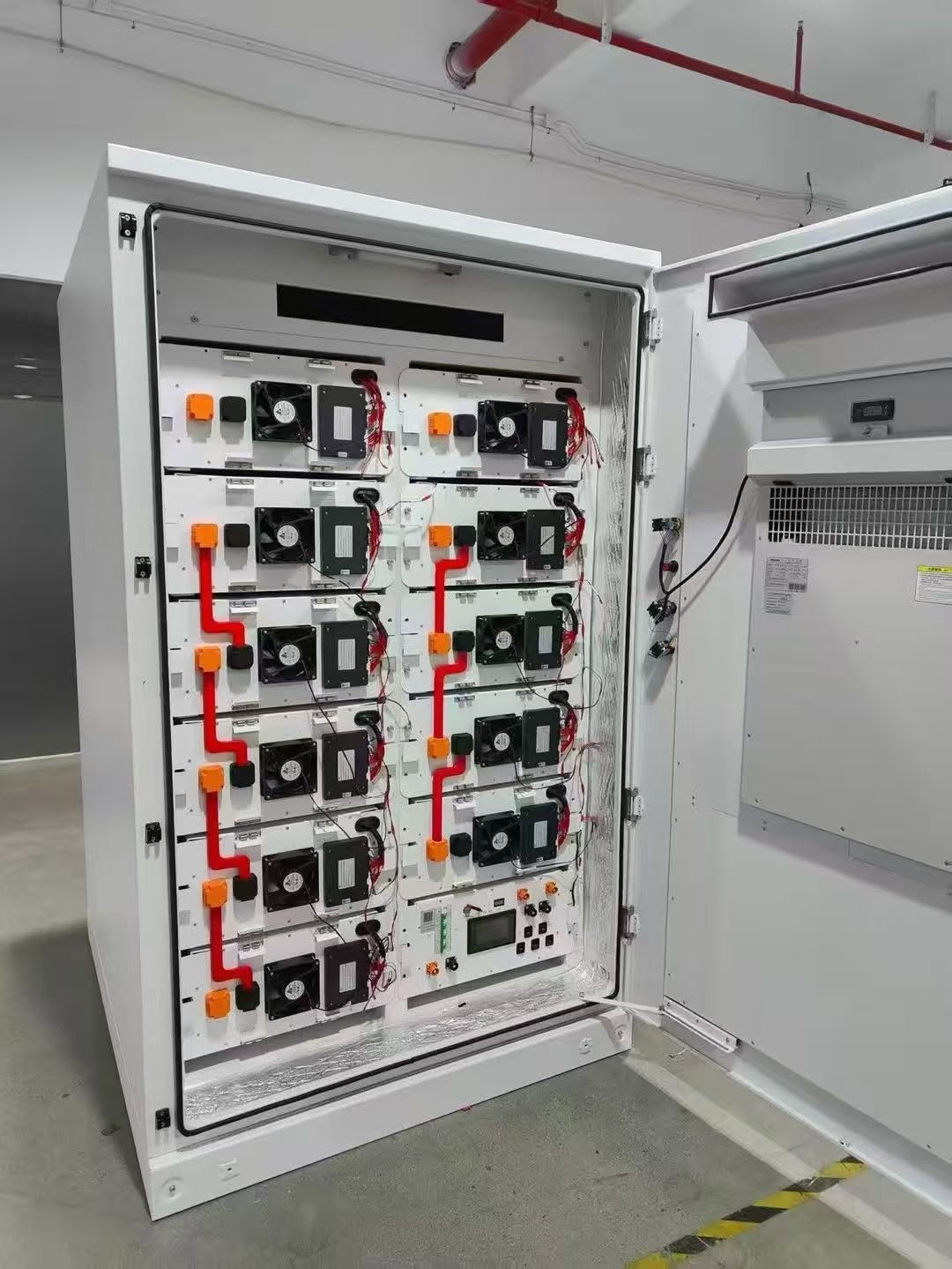
A C&I battery storage array built from 215 kWh battery storage modules - LFP (lithium iron phosphate) chemistry for safety and cycle life, often liquid-cooled for harsh industrial duty (vs air-cooled).
PCS (power conversion system), BMS (battery management system), and EMS (energy management system) that orchestrate flow, protection, and islanding.
Automatic transfer and islanding controls, plus optional backup genset and EV charging stations.
AC coupled vs DC coupled design
Two architectures apply:
AC coupled: generation and storage each connect to the AC bus through their own inverters - flexible and easy to retrofit.
DC coupled: PV charges the battery at DC before inverting, lifting round-trip efficiency and suiting new builds.
The choice shapes cost, efficiency, and how gracefully the system islands.
Sizing and control
Good commercial energy storage sizing starts with the critical-load list - what must stay on during an outage - then layers in the economic dispatches. Bursty or short-duration needs call for a higher C-rate; sustained backup needs longer duration. The EMS forecasts solar, load, and tariff, then decides minute-by-minute whether to charge, discharge, or island, keeping the peak demand - and therefore demand charges - in check.
Stacking the value streams
A microgrid is rarely just backup. The same asset typically delivers:
Peak shaving to clip monthly demand spikes.
TOU arbitrage across cheap and expensive periods.
Demand response payments for grid support.
Critical peak pricing protection on declared event days.
Self-consumption of on-site solar.
Each layer shortens battery storage ROI and improves the LCOS (levelized cost of storage) story.
Hardware built for industrial duty
Microgrid batteries run hard and often outdoors. Prioritize:
LFP chemistry for thermal stability and long life.
Liquid-cooled battery storage cabinets for tight temperature control.
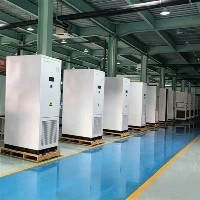
All-in-one energy storage cabinets and modular energy storage to scale with the site.
High round-trip efficiency so stored solar isn't wasted.
The economics
Buyers lead with commercial energy storage cost per kWh, but the microgrid case rests on avoided downtime plus stacked energy savings. When you quantify one prevented outage alongside demand charge and arbitrage gains, commercial battery storage payback usually lands in a competitive window - and LCOS confirms the lifetime value.
Compliance and interconnection
Large behind-the-meter systems must satisfy UL 9540 and UL 9540A (system and fire testing), NFPA 855 (installation spacing and protection), and IEC 62619 for international sites. Microgrids add interconnection and anti-islanding rules, so design and commissioning must satisfy both battery codes and utility requirements.
Choosing the right partner
The value lives in the engineering. A credible commercial energy storage manufacturer or commercial energy storage supplier should model your critical loads, simulate islanding behavior, and project the stacked savings - not just size a battery. Plan for battery storage maintenance so the system is ready the day the grid goes down.

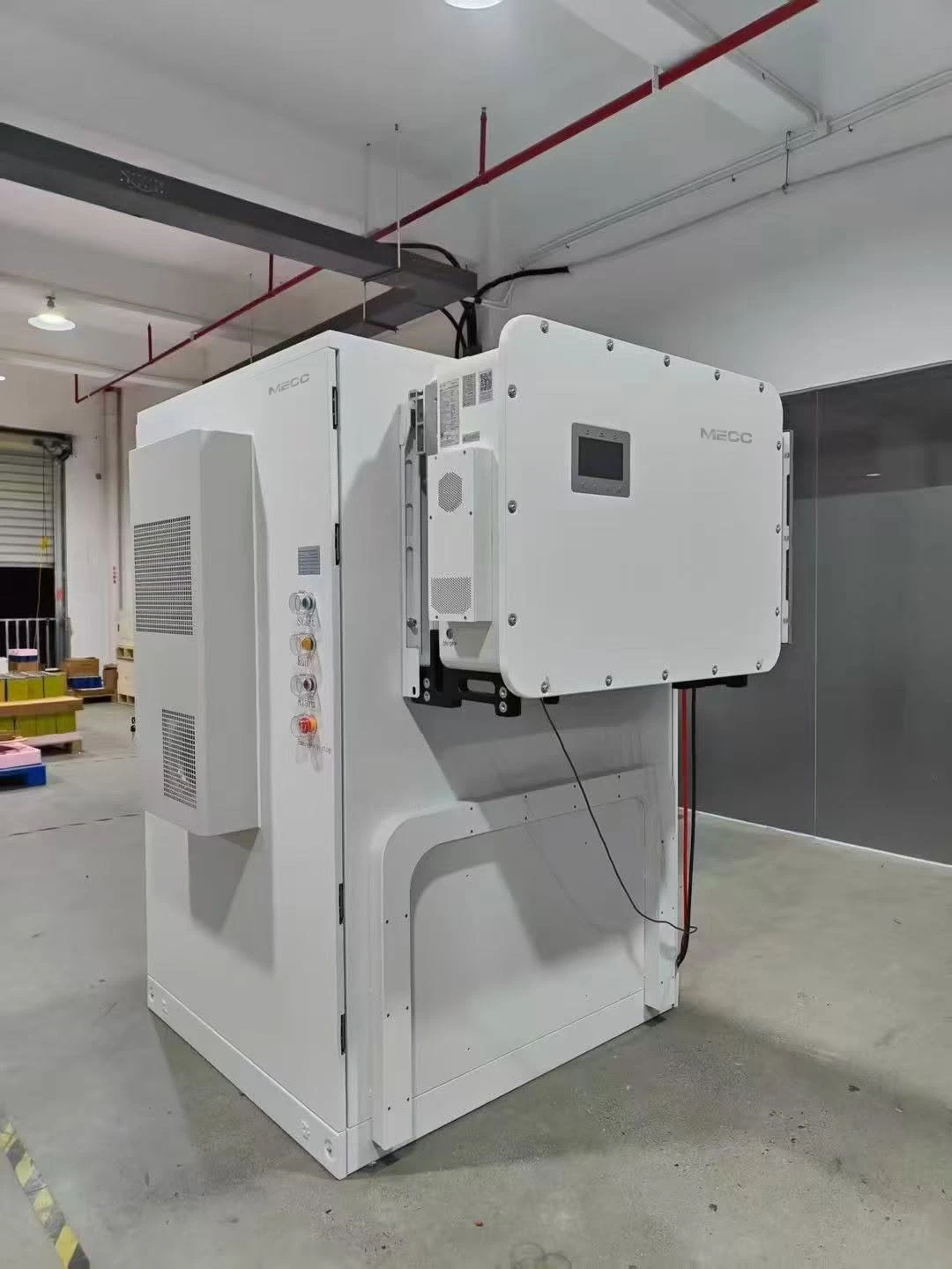
125KW 241kWh Battery Energy Storage System Cabinet
The BESS 125KW 241kWh Lithium Battery Energy Storage Cabinet is a high-power, large-capacity integrated energy storage solution engineered for medium-to-large commercial, industrial, and utility-scale applications. It integrates a 125kW high-performance bidirectional inverter, a 241kWh lithium iron phosphate (LiFePO4) battery bank, and a full-featured intelligent energy management system (EMS) into a modular cabinet design. This system enables efficient renewable energy storage, peak shaving, load shifting, grid frequency regulation, and emergency backup power supply. Ideal for large factories, shopping malls, industrial parks, utility-scale solar/wind farms, and microgrids, it enhances energy independence, reduces high grid demand charges, and supports the stable integration of high-penetration renewable energy into the grid.