


Electric vehicles have gone from pilot project to business infrastructure. Fleets, logistics depots, retail parks, and workplace sites are installing EV charging stations by the dozen - and discovering a nasty surprise on the utility bill. A single DC fast charger can pull 150 kW, 250 kW, or more the moment a vehicle plugs in. Stack a few concurrent sessions and the site's instantaneous draw explodes, driving a demand spike that inflates the monthly demand charge and can even force a costly grid service upgrade. The fix isn't a bigger transformer - it's behind-the-meter commercial battery storage that absorbs the spike before the utility ever sees it.
Why EV charging creates brutal demand spikes
Utilities set demand charges from the highest 15-minute peak demand in a billing cycle. An EV charging event is exactly the kind of short, intense load that maxes that window - even if the rest of the day is quiet. Worse, adding chargers often triggers a service upgrade: a new transformer, switchgear, or grid connection priced in the tens or hundreds of thousands. For a site adding EV charging stations, the electrical upgrade can cost more than the chargers themselves.
How battery storage tames the spike
A battery energy storage system (BESS) sits between the grid connection and the chargers. During a charging session, the battery discharges to supply part of the load, capping how much the site draws from the grid. This is peak shaving applied directly to EV load: the peak demand recorded by the meter stays flat, the demand charge stays controlled, and the need for a service upgrade often disappears entirely.
The battery is then replenished later - overnight on cheap off-peak power, or from on-site solar - so it's ready for the next wave of vehicles.
Sizing the buffer: C-rate and duration
EV loads are short and sharp, which changes the sizing math versus typical commercial energy storage. You want a high C-rate to deliver big bursts for a shorter duration. A 215 kWh battery storage module rated for 1C can push 215 kW for an hour, or be combined in a modular energy storage rack to match total charger power and concurrency. Good commercial energy storage sizing balances the number of simultaneous charging sessions against the grid cap you're trying to hold - not against daily kWh.
Pair with solar and microgrid capability
Charging sites are perfect candidates for commercial solar plus storage. A solar canopy over the parking lot charges both vehicles and the battery, while microgrid controls let the site keep charging through a grid outage. Whether AC coupled or DC coupled, the architecture lets the same commercial energy storage asset serve EVs, self-consumption, and resilience at once.
Stacking the savings
A storage-backed charging site earns on several fronts:
Demand charge reduction: the headline win - avoiding both the monthly charge and the service upgrade.
Time-of-use (TOU) arbitrage: charge the battery off-peak, discharge during expensive time-of-use periods.
Demand response: curtail or discharge during utility events for separate payment.
Each layer improves battery storage ROI on the same C&I battery storage investment.
Hardware built for charging sites
Charging hubs run hot and busy, so component choice matters:
LFP (lithium iron phosphate) chemistry for safety and cycle life under daily deep cycling.
Liquid-cooled battery storage for tighter thermal control in outdoor or high-duty installations (vs air-cooled).
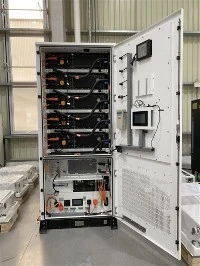
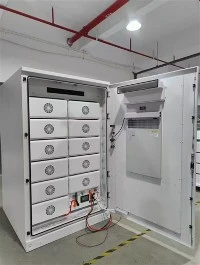
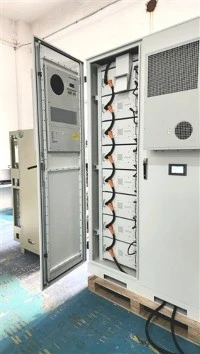
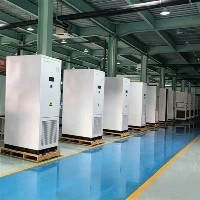
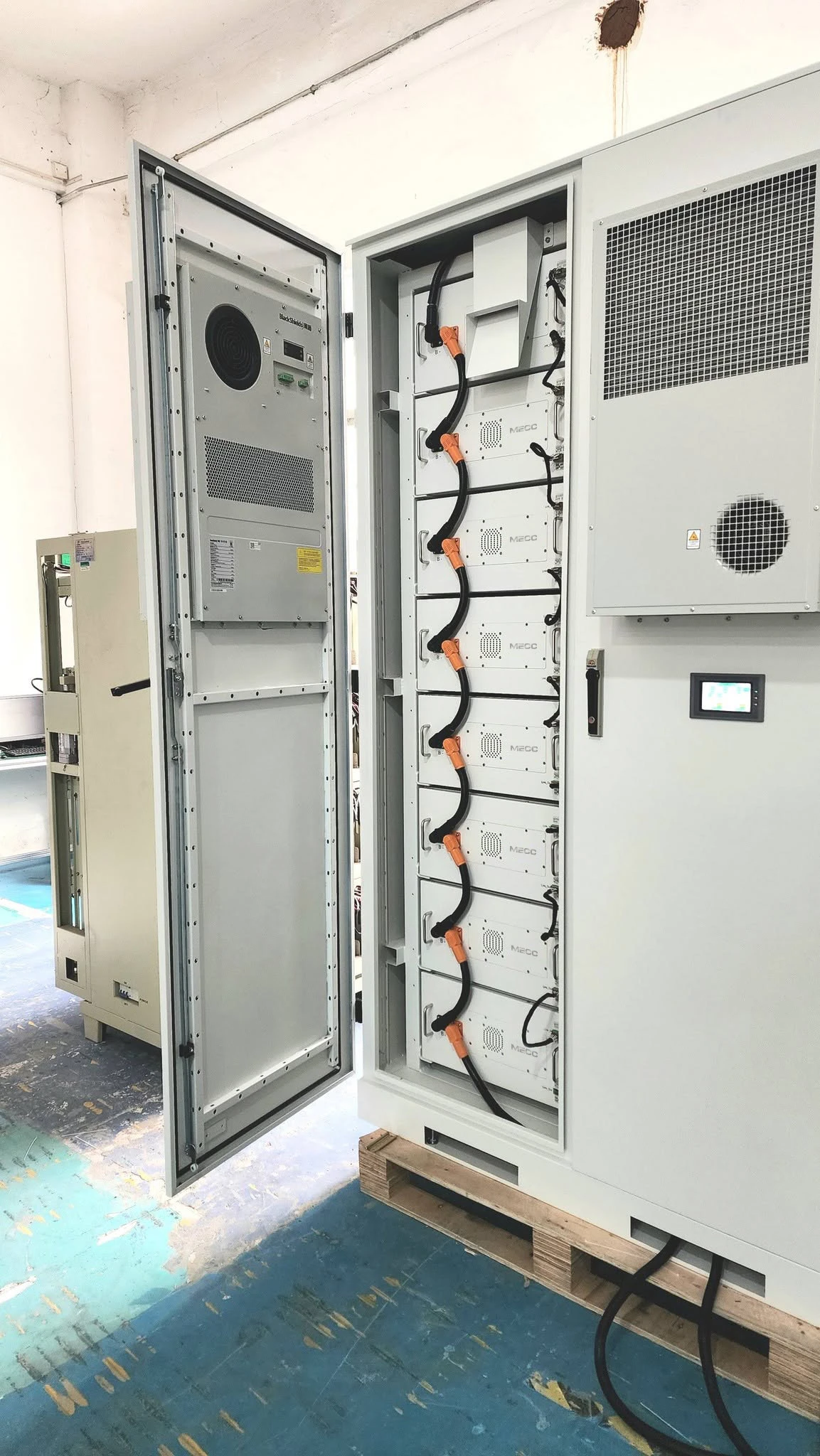
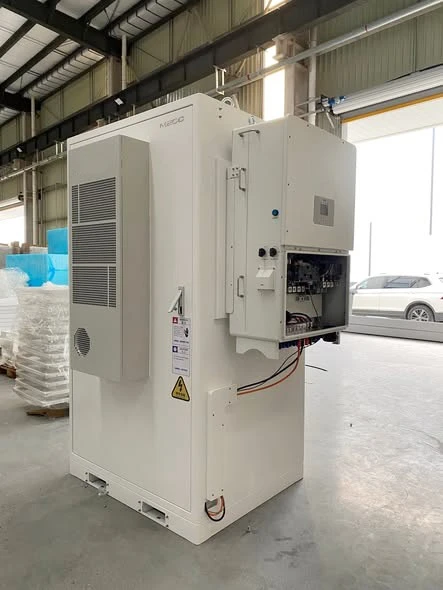
All-in-one energy storage cabinets that simplify commercial energy storage installation and scale with the charger count.
PCS, BMS, and EMS working together so the battery responds instantly to a plug-in event.
High round-trip efficiency so stored energy isn't wasted before it reaches the vehicle.
The economics
Buyers always ask commercial energy storage cost per kWh, but for EV sites the real story is LCOS (levelized cost of storage) versus the avoided service upgrade cost. In many projects, canceling or deferring the grid upgrade pays for the battery outright - and commercial battery storage payback then comes from ongoing demand-charge and arbitrage savings. The math is usually compelling the moment you price the alternative upgrade.
Compliance you can't skip
Large behind-the-meter batteries must meet UL 9540 and UL 9540A for system and fire safety, NFPA 855 for installation spacing and protection, and IEC 62619 for international sites. EVSE equipment has its own standards, so specify a system designed and commissioned to both battery and charging codes.
Choosing the right partner
The savings model hinges on accurate engineering. A credible commercial energy storage manufacturer or commercial energy storage supplier should model your charger concurrency, simulate the peak demand cap, and show the deferred service upgrade saving - not just quote a battery size. Ongoing battery storage maintenance keeps the system ready for every charging session.

125KW 241kWh Battery Energy Storage System Cabinet
The BESS 125KW 241kWh Lithium Battery Energy Storage Cabinet is a high-power, large-capacity integrated energy storage solution engineered for medium-to-large commercial, industrial, and utility-scale applications. It integrates a 125kW high-performance bidirectional inverter, a 241kWh lithium iron phosphate (LiFePO4) battery bank, and a full-featured intelligent energy management system (EMS) into a modular cabinet design. This system enables efficient renewable energy storage, peak shaving, load shifting, grid frequency regulation, and emergency backup power supply. Ideal for large factories, shopping malls, industrial parks, utility-scale solar/wind farms, and microgrids, it enhances energy independence, reduces high grid demand charges, and supports the stable integration of high-penetration renewable energy into the grid.