







1 What is a double-sided photovoltaic module?
Bifacial Photovoltaic Modules are a type of photovoltaic module that can simultaneously utilize both front and back incident light. Unlike traditional single-sided photovoltaic modules that can only utilize sunlight incident from the front, double-sided photovoltaic modules can not only utilize direct solar radiation from the front, but also reflect and scatter light from the back, thereby improving the overall photoelectric conversion efficiency.

The structural characteristics and working principle of double-sided photovoltaics:
Design structural features: Both the front and back of the double-sided photovoltaic module are equipped with photovoltaic cells, which usually use high-efficiency single crystal or polycrystalline silicon cells. The back panel is usually transparent (such as glass or transparent polymer) to allow light to pass through and be absorbed by the battery on the back. The back electrode design of double-sided batteries enables effective collection of photocurrent on the back, typically using Back Contact (IBC) technology or semi transparent electrode materials.
Working principle: Positive photovoltaic cells absorb direct sunlight and convert it into electrical energy, which is the basic function of all photovoltaic modules.
The back photovoltaic cell absorbs light reflected from the ground, surrounding environment, and buildings, as well as scattered light from the sky. These rays of light are absorbed by the battery on the back and converted into electrical energy.

Advantages of double-sided photovoltaics: increasing power generation and efficiency
Double sided photovoltaic modules can utilize more light resources, especially in high reflectivity ground conditions such as snow, sand, and white roofs, which can significantly increase power generation.
The overall photoelectric conversion efficiency of double-sided photovoltaic modules is higher than that of single-sided modules because they can absorb and utilize more light. The photoelectric conversion efficiency on the back is 60% -90% of that on the front, and the power generation gain after system integration is about 4% -30% compared to single-sided component power plants.
Installation and application of double-sided photovoltaics
① Ground installation:
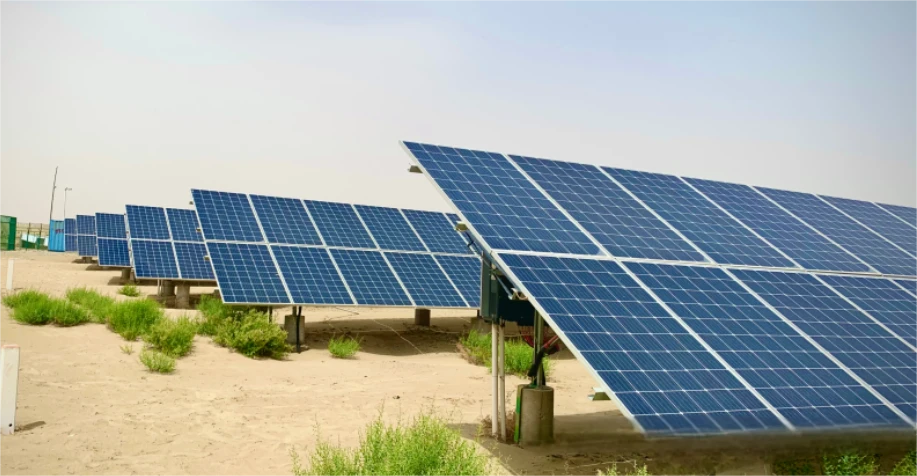
In ground mounted systems, double-sided photovoltaic modules can utilize the reflected light from the ground, and usually work best on high reflectivity surfaces such as white sand, grass, etc.
② Roof installation:
In roof installation, especially for white or light colored roofs, the reflection of light from the back is strong, and double-sided photovoltaic modules can achieve higher power generation.

③ Vertical installation:
In some special applications, such as fences, guardrails, or building integrated photovoltaics (BIPV), double-sided photovoltaic modules can be installed vertically, utilizing reflected light from both sides.

④ Tracking system:
The double-sided photovoltaic modules installed on the solar tracking system can maximize the reception of light throughout the day and increase the total power generation.
2 How to design, install, and maintain double-sided photovoltaic modules in photovoltaic power plants
Albedo: Choose high reflectivity ground materials such as white gravel, sand, grass, or surfaces coated with reflective coatings to improve the utilization of backlighting.
Component spacing: Design a reasonable component spacing to avoid obstruction between components and ensure that the back can receive sufficient reflected light.
Installation angle: Choose the appropriate tilt angle and installation method to maximize the reception of light from both the front and back of the double-sided photovoltaic module.
Backboard selection: Use transparent or semi transparent backplate materials, such as double glass structures, to ensure that the back light can pass through and be absorbed by the battery.
Inverter selection: Choose an inverter that matches the double-sided photovoltaic module to ensure that the system can efficiently handle current from both the front and back sides.
Reasonably arrange cables to avoid blocking the back light, while ensuring that cables do not produce additional shadows. When double-sided photovoltaic modules absorb light from the back, they may generate additional heat, and a well-designed ventilation and heat dissipation system is needed to avoid overheating of the modules.

Double sided photovoltaic installation and maintenance
Double sided photovoltaic modules have the characteristic of double-sided power generation, and the photovoltaic power generation system using double-sided photovoltaic modules. Firstly, it is necessary to arrange the double-sided photovoltaic modules at the optimal tilt angle. The higher the installation height of the component, the more additional power will be generated, but the installation height should not exceed 2 meters; And as the inclination angle increases, the reflected radiation received by the back of the double-sided component weakens. Ensure installation and construction quality, avoid scratches or contamination on the surface of components, especially on the back, to avoid affecting light transmittance and component efficiency.
Regular cleaning: Regularly clean the front and back of double-sided photovoltaic modules to avoid dust, bird droppings, or other pollutants affecting light transmission and module efficiency.
Monitoring and detection: Use a monitoring system to monitor the real-time operation status of the double-sided photovoltaic system, promptly detect and solve any faults, and ensure the long-term efficient operation of the system.
Environmental Impact Assessment: Regularly evaluate the impact of environmental changes on double-sided photovoltaic systems, such as plant growth, snow accumulation, dust accumulation, etc., and adjust maintenance strategies in a timely manner.
Market prospect
With the continuous advancement of photovoltaic technology and the increasing demand for efficient photovoltaic solutions in the market, the application of double-sided photovoltaic modules is becoming more and more widespread. Its significant performance advantages and diverse application scenarios make it have enormous development potential in the future photovoltaic market.
Double sided photovoltaic modules achieve higher power generation efficiency and wider application scenarios by utilizing the light resources from both the front and back sides, promoting further development of the photovoltaic industry.