


Facing rising grid electricity prices, expensive peak demand charges, and unstable power supply, more commercial facilities and industrial plants are seeking flexible energy optimization solutions. A commercial and industrial energy storage cabinet, commonly referred to as a C&I energy storage cabinet, has become a mainstream distributed energy asset for small and medium-scale business energy projects. Unlike bulky containerized energy storage systems designed for grid-scale stations, compact industrial battery storage cabinets deliver cost-effective, plug-and-play energy storage to help enterprises cut operational costs and improve power reliability.
Definition of Commercial and Industrial Energy Storage Cabinet
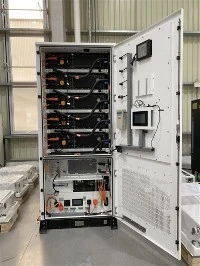
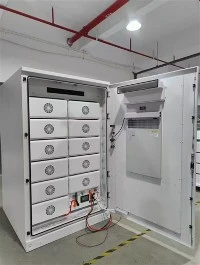
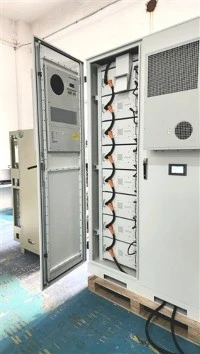
A commercial and industrial energy storage cabinet is an all-in-one, cabinet-based battery energy storage system tailored for C&I scenarios. It integrates LiFePO4 battery modules, Battery Management System (BMS), Power Conversion System (PCS), Energy Management System (EMS), thermal cooling devices, and full safety mechanisms within a single compact unit.
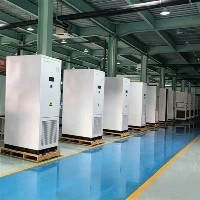
This type of all-in-one C&I ESS cabinet works by storing low-cost off-peak grid power or surplus solar PV energy during the daytime, then discharging stored electricity during high-tariff peak hours or unexpected grid outages. Balancing power supply and demand effectively solves common industrial pain points, including energy waste, high electricity bills, and grid fluctuation instability. Compared with traditional scattered battery rooms and large BESS containers, C&I storage cabinets require no complex civil construction, featuring faster deployment and lower investment thresholds.

Key Features of C&I Energy Storage Cabinets
Professional commercial energy storage cabinet products are equipped with industry-grade features to adapt to long-term commercial and industrial operation. First, the integrated plug-and-play design supports rapid on-site installation and modular capacity expansion, greatly shortening project cycle time for business users.
Second, adopting high-safety LiFePO4 batteries, these cabinets offer long cycle life, excellent thermal stability, and low attenuation, ensuring reliable long-duration operation. Built-in intelligent BMS and EMS systems realize real-time battery monitoring, cell balance management, and automatic charge-discharge scheduling, supporting remote intelligent operation and unmanned maintenance.
In terms of safety and environmental adaptability, standard C&I storage cabinets are fitted with professional thermal management systems and multi-level fire suppression devices. With IP54 waterproof and dustproof ratings, they adapt to complex indoor and outdoor installation environments. Additionally, the low-maintenance modular structure effectively reduces long-term operational and maintenance costs, delivering stable economic returns for enterprises.

Common Uses of Commercial and Industrial Energy Storage Cabinets
C&I energy storage cabinet solutions cover a wide range of practical business scenarios. The most typical application is peak shaving and demand charge reduction. Factories and commercial buildings use stored energy during peak grid tariff periods to significantly reduce peak electricity expenses and excessive demand charges.
For facilities with rooftop solar PV systems, industrial battery storage cabinets maximize solar self-consumption rates by storing unused photovoltaic power, reducing reliance on municipal grid electricity and improving renewable energy utilization. Moreover, the system acts as a reliable emergency backup power source, preventing production shutdowns and economic losses caused by sudden grid failures.
Beyond cost saving, these cabinets stabilize grid voltage and frequency fluctuations, optimizing power quality for industrial equipment. They also support microgrid operation for remote industrial parks and provide power buffering for commercial EV charging stations, solving local grid overload issues during peak charging periods.

FAQ
1. What is a commercial and industrial energy storage cabinet used for?
It is mainly used for peak shaving, demand charge reduction, solar energy storage, emergency backup power, and grid stabilization for commercial and industrial facilities.
2. What are the core advantages of C&I energy storage cabinets?
They feature compact integration, easy deployment, low maintenance, high safety, and outstanding economic benefits for business energy management.
Conclusion
As a flexible and high-performance distributed energy solution, the commercial and industrial energy storage cabinet meets the diverse energy needs of modern enterprises. With reliable safety features, intelligent control, and multi-scenario applicability, it helps businesses reduce energy costs, enhance power security, and achieve efficient green energy utilization.