


There are three important indicators for the electrical performance of photovoltaic modules:
The first one is peak power Pm: Peak power refers to the power of the solar module tested under the conditions of a solar radiation intensity of 1000W/㎡ and an ambient temperature of 25 ℃. It is equal to the peak power voltage multiplied by the peak power current.

The second one is the open circuit voltage Voc: it refers to the terminal voltage of the battery in an open circuit state, which is called the open circuit voltage. The open circuit voltage of solar panels measured directly with a multimeter without any load is the voltage at both ends. The influencing factors of open circuit voltage are light intensity, temperature, and material properties.
The third one refers to the short-circuit current lsc: the short-circuit current refers to the current value after the positive and negative poles are short circuited. The current range can be directly tested using a multimeter to determine the positive and negative terminals of the solar panel. The influencing factors of short-circuit current are area, light intensity, and temperature.
What is STC standard testing for photovoltaic cells?
Photovoltaic cells are devices that convert light energy into electrical energy and are widely used in photovoltaic panels and photovoltaic power stations. The standard testing conditions for photovoltaic cells are a set of standard conditions set to ensure comparability of performance indicators of photovoltaic cells. Understanding the standard testing conditions for photovoltaic cells is of great significance for evaluating their performance.
The International Electrotechnical Commission (IEC) has established standard test conditions for photovoltaic cells, while the STC (Standard Test Conditions) standard test conditions include: solar irradiance of 1000W/㎡, spectrum of AM (atmospheric mass) 1.5, and temperature of the solar panel of 25 ℃.
Air quality (AM) refers to the ratio of the actual distance traveled by sunlight through the atmosphere to the shortest distance it takes to reach the ground.

This testing condition can provide a fair and impartial testing environment for different types of photovoltaic cells, ensuring the comparability of their performance indicators.

In practical applications, STC standard test conditions are commonly used to evaluate performance indicators such as peak power, maximum current, maximum voltage, and short-circuit current of photovoltaic cells.
What is NOCT testing for photovoltaic modules?
The NOCT standard test for photovoltaic cells refers to the rated operating temperature of the cell, which is used to evaluate the performance of the photovoltaic cell under standard conditions.
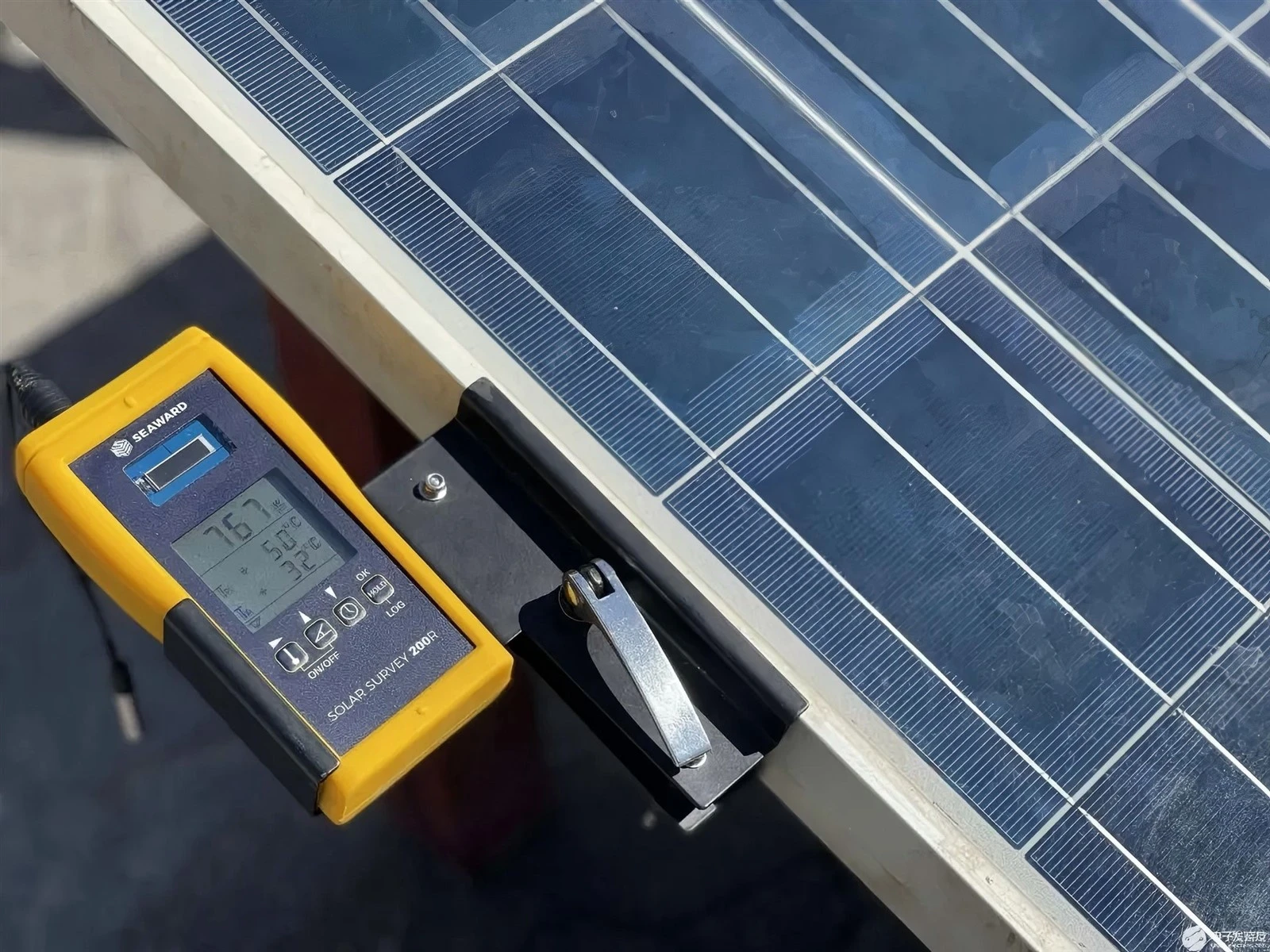
The standard testing conditions for NOCT include: solar irradiance of 800W/㎡, spectrum of AM1.5, ambient temperature of 20 ℃, and wind speed of 1m/s.
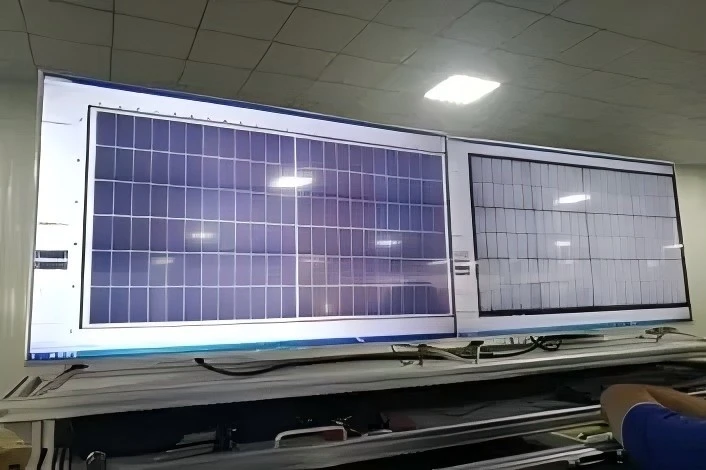
The NOCT testing conditions can enable people to more accurately understand the operating conditions of photovoltaic cells in actual use environments. Compared with STC standard testing conditions, it is closer to actual working conditions and can provide important references for the selection, design, and use of photovoltaic cells.
MECC Mono Solar Panels:

MECC410W-B

MECC550W-BI

MECC550W-MO

MECC580W-B

MECC590W
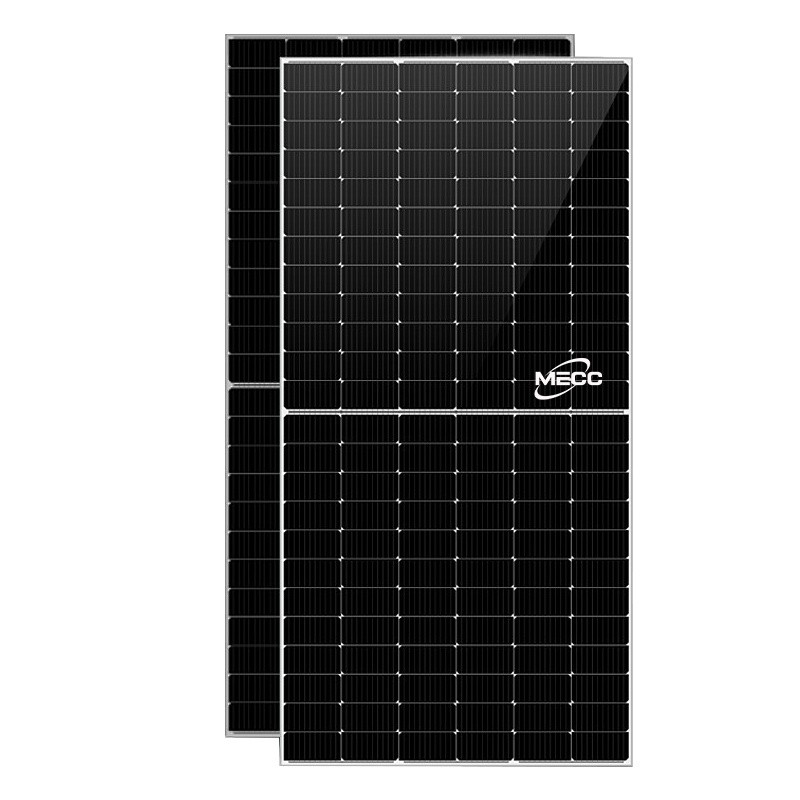
MECC600W-BI
Recommended Reason
Rich Experience: With more than ten years of experience in the solar photovoltaic panel industry, MECC has accumulated in - depth knowledge and practical skills. This long - term dedication allows the company to better understand market needs and technological trends, and continuously optimize its products and services.
Product Quality: The use of advanced production techniques and high - quality raw materials ensures that MECC's solar photovoltaic panels have excellent performance. The 580W half - cell panels, in particular, offer high conversion efficiency and stable operation, which can significantly increase power generation and reduce the cost of electricity for users.
Innovation - driven: MECC's continuous investment in research and development reflects its innovation - driven spirit. By constantly introducing new technologies and improving product performance, the company can stay ahead of the competition and provide customers with more advanced and practical solar energy solutions.
Production and Delivery Capability: The complete industrial chain and large - scale production capacity enable MECC to ensure the stable supply of products. Whether it is for small - scale residential projects or large - scale commercial power plants, the company can meet customers' demands in a timely manner and guarantee product quality at the same time.