



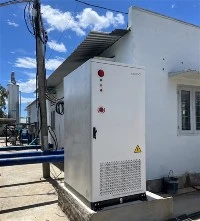
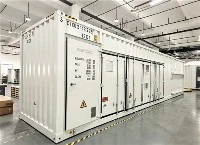
The selection and design of inverters in distributed photovoltaic power generation systems is a key step in ensuring efficient and stable operation of the system. Inverters convert the direct current generated by photovoltaic modules into alternating current for use in power grids or loads.

A detailed inverter selection and design guide, including examples.
1. Overview of inverter selection and design
1.1 Inverter type
String inverter: suitable for small and medium-sized photovoltaic systems, with flexible installation and easy maintenance.
Centralized inverter: suitable for large-scale photovoltaic systems, with low cost but a large range of fault impact.
Micro inverter: suitable for small photovoltaic systems, each component is equipped with an inverter to maximize the power generation efficiency of a single component.
2. Inverter selection and design steps
2.1 Determine System Scale
Project scale: Determine the total required inverter capacity based on the installed capacity of the project.
Example: The project scale is 500 kWp
2.2 Select inverter type
String inverter: suitable for 500 kWp projects, with flexible installation and easy maintenance.
Centralized inverter: suitable for larger scale projects with lower cost.
Micro inverter: suitable for smaller scale projects, improving the power generation efficiency of individual components.
2.3 Determine inverter capacity
Inverter capacity: Select the appropriate inverter capacity based on the maximum output power of the photovoltaic module.
Example: Choose a 500 kW string inverter
2.4 Consider maximum input voltage and current
Maximum input voltage: The maximum input voltage of the inverter should be greater than the maximum open circuit voltage of the photovoltaic module.
Example: The maximum open circuit voltage of a photovoltaic module is 500 V. Choose an inverter with a maximum input voltage of 600 V
Maximum input current: The maximum input current of the inverter should be greater than the maximum short-circuit current of the photovoltaic module.
Example: The maximum short-circuit current of a photovoltaic module is 10 A, and an inverter with a maximum input current of 12 A is selected
2.5 Consider maximum output power
Maximum output power: The maximum output power of the inverter should meet the maximum load demand of the system.
Example: The maximum load of the system is 500 kW, and an inverter with a maximum output power of 500 kW is selected
2.6 Consider Conversion Efficiency
Conversion efficiency: Choose inverters with high conversion efficiency to improve the overall efficiency of the system.
Example: Choose an inverter with a conversion efficiency of 98%
2.7 Consideration of Protection Level
Protection level: Choose the appropriate protection level based on the installation environment.
Example: Choose IP20 for indoor installation and IP65 for outdoor installation
2.8 Consider communication functionality
Communication function: Select inverters that support communication protocols such as Modbus and CAN for system monitoring and management.
Example: Select an inverter that supports Modbus RTU

3. Example
3.1 Project Overview
Project scale: 500 kWp
Component type: monocrystalline silicon
Component power: 375 Wp
Number of components: 1333 pieces
Installation method: Roof installation
3.2 Inverter selection
Inverter type: string inverter
Inverter model: SG500UT
Inverter capacity: 500 kW
Maximum input voltage: 600 V
Maximum input current: 12 A
Maximum output power: 500 kW
Conversion efficiency: 98%
Protection level: IP65
Communication protocol: Modbus RTU
3.3 Inverter Parameters
Rated input voltage: 400 V DC
Maximum input voltage: 600 V DC
Maximum input current: 12 A
Rated output voltage: 380 V AC
Maximum output power: 500 kW
Conversion efficiency: 98%
Working temperature range:- 25°C to 60°C
Protection level: IP65
Communication interface: RS485, Supports Modbus RTU
Weight: 150 kg
Size: 1000 mm × 800 mm × 600 mm
4. Design considerations
4.1 System Matching
Component and inverter matching: Ensure that the maximum output power of the photovoltaic module does not exceed the maximum input power of the inverter.
Example: The maximum output power of the photovoltaic module is 500 kW, and the maximum input power of the inverter is 500 kW
4.2 Cooling System
Cooling method: Choose a suitable cooling method, such as natural cooling, fan cooling, etc., to ensure that the inverter works normally at high temperatures.
Example: Choose natural cooling method
4.3 Installation Environment
Installation location: Choose a location with good ventilation and avoid direct sunlight to ensure the cooling effect of the inverter.
Example: Installed under a well ventilated indoor or outdoor sunshade
4.4 Maintenance and upkeep
Regular inspection: Regularly check the working status of the inverter, promptly identify and solve problems.
Example: Check the working status of the inverter once a month
