


With the acceleration of global energy transition, a new type of power system dominated by new energy is gradually being constructed. In this system, photovoltaic power stations, as an important component of intermittent renewable energy, play a core role in optimizing energy structure, ensuring power security, and promoting sustainable energy development through coordinated development with energy storage technology and smart grids.
1 Optimizing energy structure: reducing dependence on fossil fuels
The traditional power system mainly relies on fossil fuels such as coal-fired and gas-fired power generation, which not only consumes a large amount of non renewable resources, but also generates a large amount of greenhouse gases such as carbon dioxide, exacerbating global climate change. Photovoltaic power plants use solar energy to generate electricity without emitting pollutants, making them a clean and low-carbon form of energy. The large-scale development of photovoltaic power stations can effectively replace fossil energy generation and reduce the proportion of fossil energy in the energy structure.
The installed capacity of photovoltaic power stations in China has increased from 0.8GW in 2012 to over 400GW in 2023, accounting for less than 1% of the country's total installed power generation capacity and about 20%. With the continuous development of photovoltaic power plants, it is expected that by 2030, the proportion of photovoltaic power generation in China's total electricity consumption will reach over 15%, significantly reducing dependence on fossil fuels such as coal and natural gas, laying a solid foundation for achieving the "dual carbon" goal.
The rapid development of photovoltaic power plants globally has also driven the green transformation of energy structure. The proportion of photovoltaic power generation in countries such as Germany and Japan has exceeded 10%. In some areas, during periods of sufficient sunlight, photovoltaic power generation can even meet all local electricity demand, demonstrating the enormous potential of photovoltaic power plants in optimizing the energy structure.

2 Collaborative energy storage and smart grid: solving intermittent problems
Photovoltaic power generation is affected by natural factors such as light intensity and weather, and has obvious intermittency and volatility, which poses challenges to the stable operation of the power system. To solve this problem, the coordinated development of photovoltaic power stations, energy storage technology, and smart grids has become crucial.
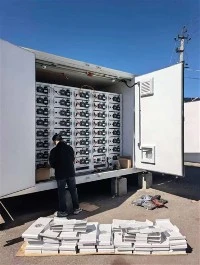
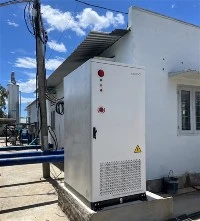
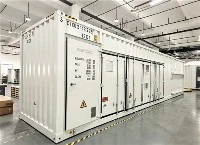
The combination of photovoltaic power stations and energy storage systems can store the excess electricity generated during the day when there is sufficient sunlight, and release it at night or when there is insufficient sunlight, achieving stable power output. A large photovoltaic power station in Qinghai has built a 1.2GWh energy storage system. Through energy storage regulation, the output fluctuation of the photovoltaic power station has been reduced from ± 30% to within ± 5%, greatly improving the controllability and stability of photovoltaic power.
Smart grid technology enables flexible interaction between photovoltaic power plants and other power sources and users. Through advanced scheduling algorithms and communication technology, smart grids can predict the power generation of photovoltaic power plants, arrange the output of other power sources reasonably, optimize the distribution of power flow, and ensure the supply-demand balance of the power system. In a smart grid demonstration zone in Jiangsu, real-time interaction between photovoltaic power stations, wind power, energy storage systems, and users has been achieved through the smart grid. The consumption rate of photovoltaic power has increased to over 95%, reducing the occurrence of solar power curtailment.

3 Ensuring energy security: enhancing energy self-sufficiency capability
Energy security is an important guarantee for the economic and social development of a country. Excessive reliance on imported fossil fuels will increase the uncertainty and risk of energy supply. Developing photovoltaic power stations and utilizing the abundant solar energy resources in the country to generate electricity can improve energy self-sufficiency and ensure energy security.
China has abundant solar energy resources, with most regions having an annual sunshine duration of over 2000 hours, providing the resources for large-scale development of photovoltaic power stations. By developing photovoltaic power stations, we can reduce our dependence on imported coal and natural gas, and mitigate the impact of international energy price fluctuations on China's energy security. In remote areas and islands where power grid coverage is difficult, building off grid photovoltaic power stations can provide stable power supply for the local area, eliminate dependence on traditional power generation methods such as diesel generators, and ensure local energy security and residential electricity consumption.