


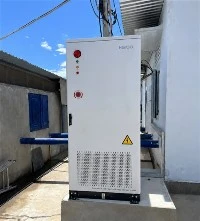
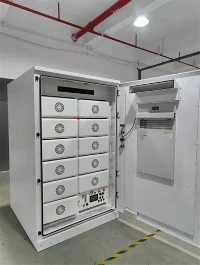
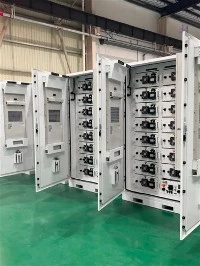
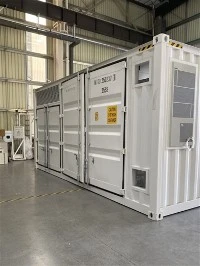
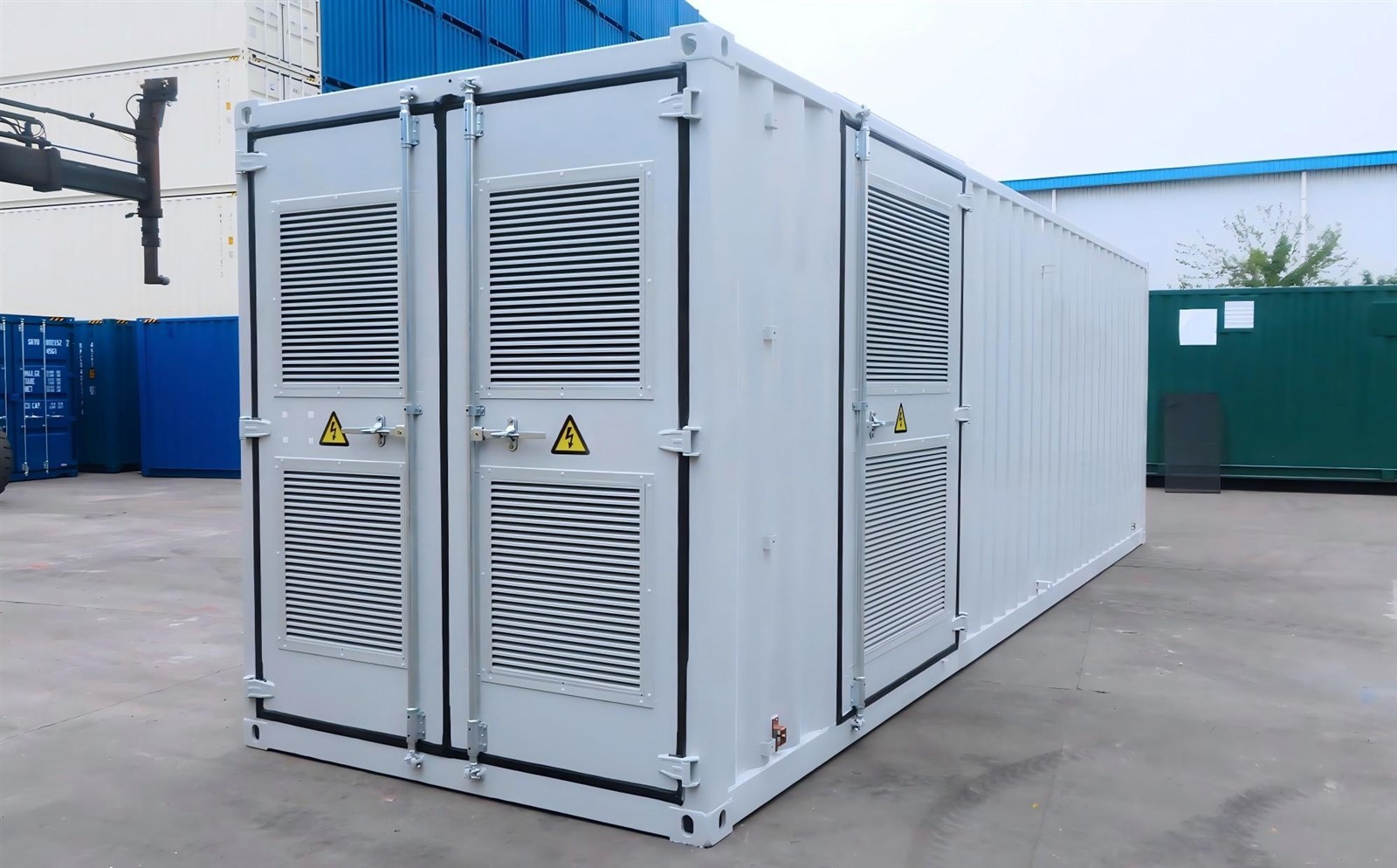
Container Energy Storage System (CESS) is a complex integrated power unit that integrates battery cabinets, Battery Management Systems (BMS), Power Exchange Devices (PCS), Energy Management Systems (EMS), Container Dynamic Environment Monitoring Systems, and other related equipment according to certain application requirements. Energy storage containers are containers used as carriers, which have the characteristics of simplifying infrastructure construction costs, occupying a relatively small area, having a short construction period, high modularity, and being easy to transport and install. They can be applied to power plants such as thermal, wind, and solar power stations, islands, communities, schools, research institutions, factories, large load centers, and other applications.
1 Main ideas for reliability design of energy storage container structure
In general, the approach used in reliability design is logical thinking. At present, the reliability design of electrical equipment in China mostly conforms to the logical direction, continuously strengthening the safe operation of electrical facilities to meet the needs of national life and various industrial fields. The reliability design of energy storage container structure can only become a relatively excellent design if the above conditions are met. However, there are also cases where the electrical equipment manufacturing level cannot meet the standards despite good design. In this case, technicians need to develop a new process design based on the structure of the energy storage container.

2 Overall configuration of reliability design for energy storage container structure
The overall configuration of the energy storage container structure design must follow the electrical working principle and also meet the relevant standards of China's power industry. Firstly, divide the structure into several key constituent units; Secondly, divide each unit again according to the actual complexity of the energy storage container structure. The overall configuration of energy storage container structure design is mostly reflected in the form of graphics to illustrate the relationship between the general assembly drawing and the connecting lines. The routing, maintenance channels, and heat dissipation design of the internal power distribution system of the container are integrated and optimized as a whole, effectively coordinating various parts and promoting the normal operation of the structure. Mainly following the following principles:
1) Energy storage containers with high structural and functional similarity should be combined.
2) When connecting corresponding components, the number of connections should be minimized to the greatest extent possible, and components with closer connections should be combined.
3) Reduce the impact on the structure of electrical equipment.
4) During the partitioning process, it is necessary to ensure the cleanliness of the energy storage container structure by combining components of similar size.
5) To further enhance the maintenance efficiency of electrical equipment, easily damaged components are combined to facilitate the application and maintenance of technical personnel. Therefore, the energy storage container structure is divided into two parts: battery compartment and equipment compartment. The battery compartment mainly includes batteries, battery racks, BMS control cabinets, fire cabinets, heat dissipation air conditioning, smoke sensing lighting, monitoring cameras, etc; The equipment compartment mainly includes PCS and EMS control cabinets.

3 Reliability Design of Energy Storage Container Structure
1. Good thermal management design is a key factor in ensuring the smooth operation of energy storage systems, and temperature consistency inside the container is a key focus of container structural design. Heat dissipation design includes cooling capacity calculation, air duct design, and thermal simulation, and two thermal management indicators should be ensured during design:
(1) To ensure that the surface temperature of the battery is between 25-35 ℃, it can be achieved by enhancing the heat exchange between the battery surface and the air, such as increasing the convective heat transfer coefficient on the surface, increasing the heat conduction system with the battery contact bracket, etc;
(2) To maintain the consistency of temperature between batteries, with a temperature difference not exceeding 5 ℃, it is necessary to ensure the consistency of the manufacturing process of the batteries themselves, as well as the consistency of heat exchange with the surrounding environment and the consistency of air flow characteristics with the surrounding environment.
2. Container containers have good anti-corrosion, fireproof, waterproof, dustproof (windproof and sand resistant), shock resistant, UV resistant, anti-theft and other functions, ensuring that they will not malfunction due to corrosion, fireproof, waterproof, dustproof and UV resistant factors within 25 years. The container shell structure, thermal insulation materials, and interior and exterior decorative materials are all made of flame-retardant materials. Standard ventilation filters that can be easily replaced are installed at the inlet and outlet of the container and the inlet of the equipment, which can effectively prevent dust from entering the interior of the container during strong winds and sandstorms. The seismic resistance function must ensure that the mechanical strength of the container and its internal equipment meets the requirements under transportation and earthquake conditions, without deformation, functional abnormalities, and failure to operate after vibration. The anti UV function must ensure that the properties of the materials inside and outside the container will not deteriorate due to UV exposure, and will not absorb the heat of UV radiation.
