


Remote industrial operations - mines, telecom towers, oil and gas fields, island facilities, construction camps - run on diesel. It's reliable enough, but brutally expensive: fuel must be trucked in, generators burn it around the clock, and the logistics alone can dwarf the cost of the energy itself. A hybrid microgrid that combines solar, diesel, and battery storage changes that equation. By letting a battery energy storage system (BESS) carry load and a PV array displace fuel, remote sites can cut diesel consumption dramatically while keeping the uptime they depend on.
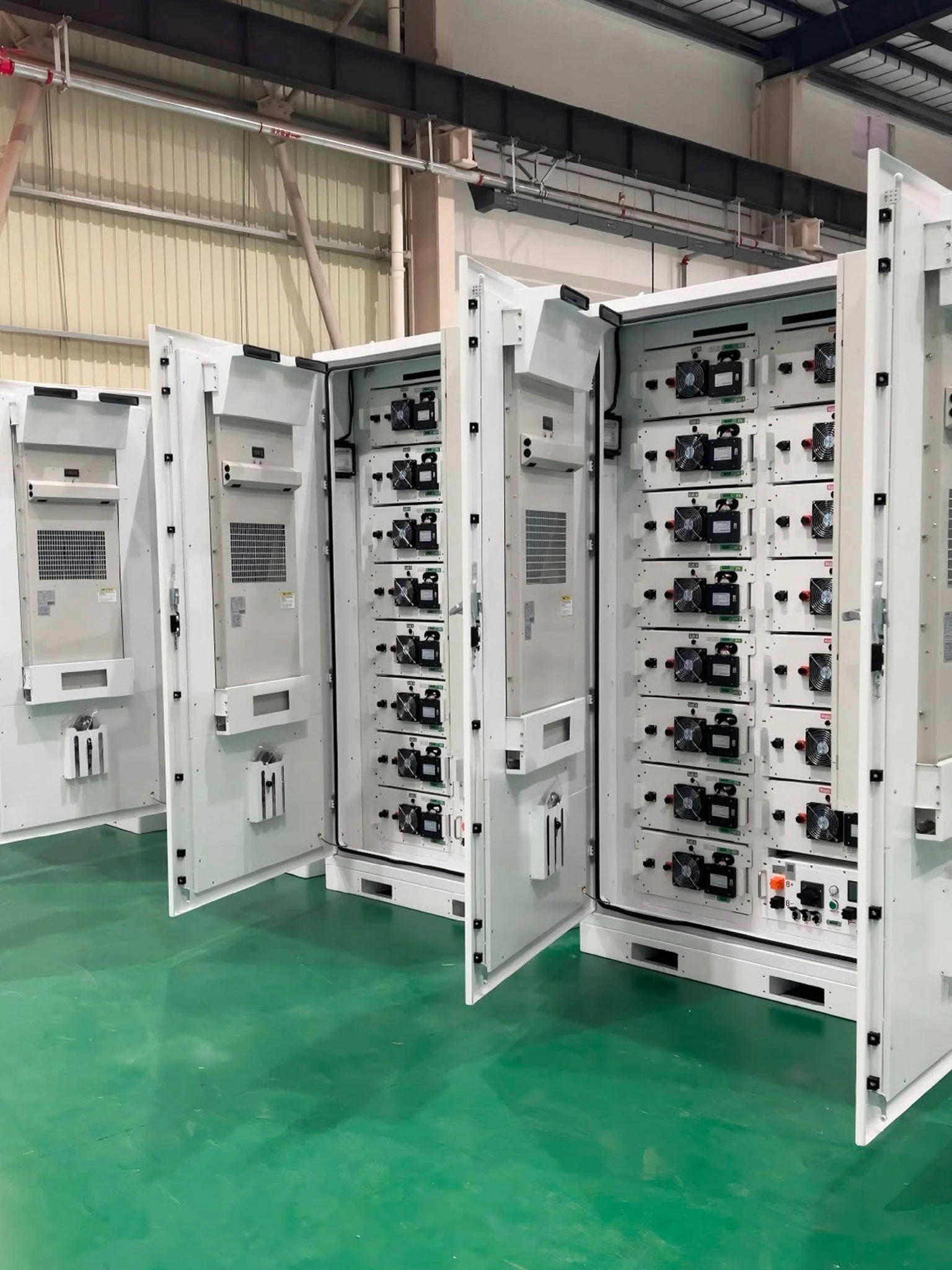
Why diesel-only is a dead end
A diesel-only site pays for fuel, transport, storage, spoilage, and generator maintenance - and still suffers from inefficiency, because generators run best at high, steady load, not the low, fluctuating profiles most remote sites actually have. Running a large diesel generator at 20% load wastes fuel and accelerates wear. Emissions and fuel-security risks add pressure. For remote industrial sites, hybridizing with solar and commercial battery storage is now the default path to lower cost and cleaner operation.
What a hybrid microgrid includes
A solar-diesel-battery microgrid bundles:
A commercial solar plus storage-style PV array as daytime generation.
A diesel genset as backup and long-duration fill.
A C&I battery storage system - the fast, flexible core that smooths load, absorbs solar, and reduces generator runtime.
An EMS (energy management system) that dispatches all three in real time, plus PCS and BMS for conversion and protection.
Unlike a grid-tied site, a remote microgrid operates islanded by default, so it must be self-sufficient from day one - including black start capability.
How the battery does the heavy lifting
The BESS is what makes the hybrid work, doing several jobs at once:
Spinning reserve replacement: the battery handles sudden load steps so the generator can run at steady, efficient output.
Generator-off operation: during high-solar hours, the battery plus PV can shut the diesel off entirely.
Peak shaving: clip load spikes, letting a smaller, cheaper generator serve the site.
Fuel displacement via time-shifting: store midday solar and use it through the evening peak.
The net effect is fewer generator starts, longer engine life, and far less fuel burned.
Sizing for remote reality
Commercial energy storage sizing here is driven by worst-case conditions, not averages. That means covering multi-day cloudy spells (longer duration) and picking a C-rate high enough to ride through large motor starts. A rack of 215 kWh battery storage modules, or a modular energy storage build, lets you scale to the load while keeping redundancy. Remote sizing always leans conservative - you can't call the utility when something is undersized.
Hardware for harsh, unmanned sites
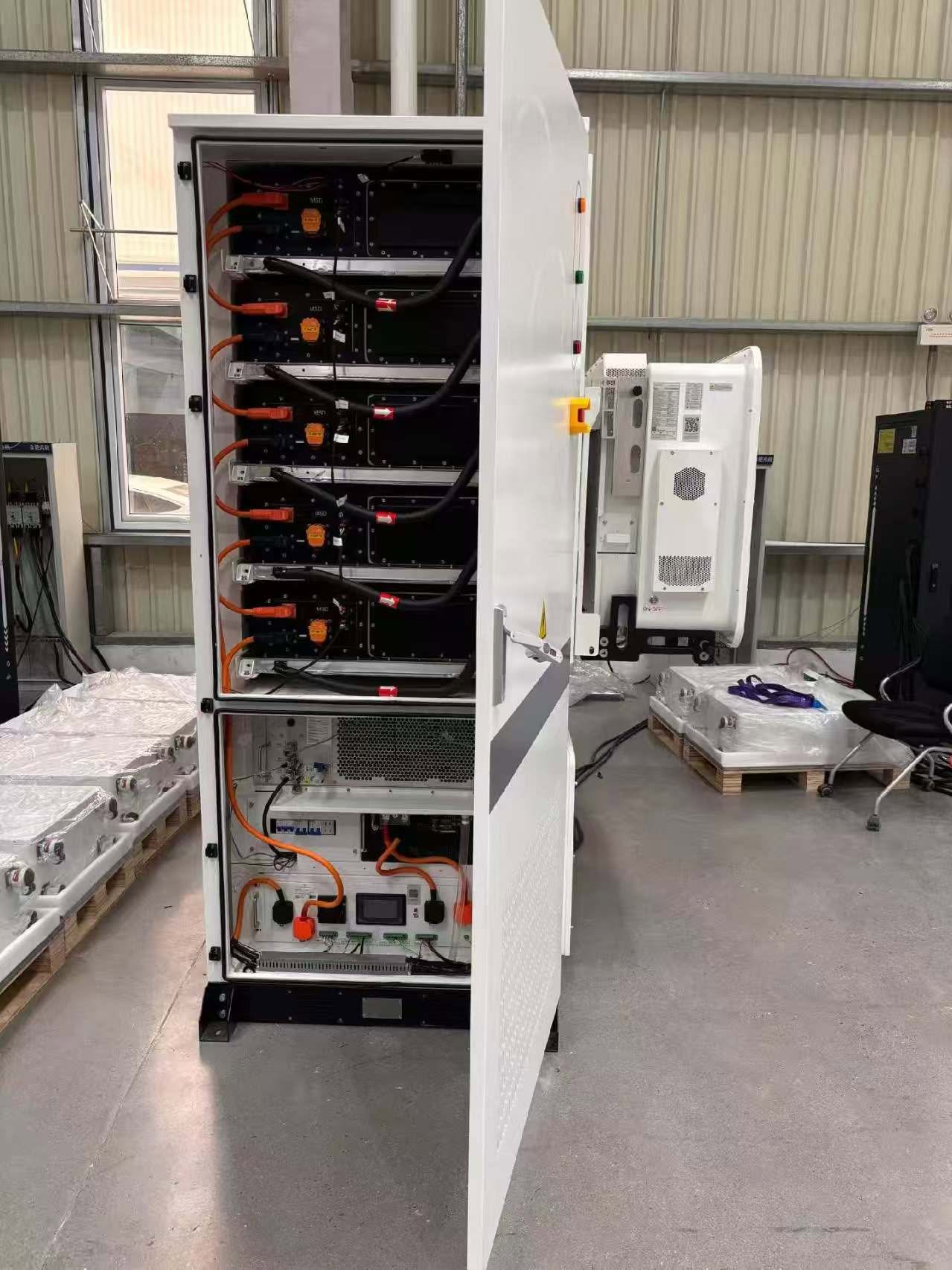
Remote sites are unforgiving - extreme temperatures, dust, vibration, limited access. Prioritize:
LFP (lithium iron phosphate) chemistry for thermal stability and long cycle life at high daily throughput.
Liquid-cooled battery storage (vs air-cooled) for consistent performance across temperature extremes.
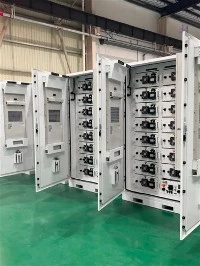
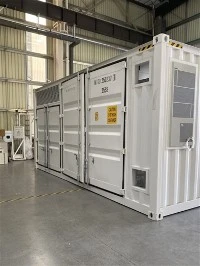
All-in-one energy storage cabinets and modular energy storage to simplify commercial energy storage installation and reduce on-site labor.
High round-trip efficiency so every harvested kWh counts.
AC coupled or DC coupled design chosen for the generation mix.
Control, islanding, and resilience
Because the site is always islanded, the EMS must balance PV, battery, and diesel with zero tolerance for downtime - including critical peak pricing-style logic in reverse: it prioritizes the cheapest source (solar, then battery, then diesel). Robust islanding and anti-islanding behavior, plus black start, keep the site running through any single failure.
The economics
For remote sites, the headline is fuel. Every kWh a battery delivers is a kWh of diesel not burned, not trucked, and not spilled. Add avoided generator maintenance and longer engine life, and battery storage ROI often beats comparable grid-tied projects outright. Buyers still evaluate commercial energy storage cost per kWh and LCOS (levelized cost of storage), but the comparison that wins approval is cost per kWh versus delivered diesel - frequently 2–4x more expensive. That gap drives fast commercial battery storage payback.
Compliance and safety
Even off-grid, standards apply. Specify systems certified to UL 9540 and UL 9540A, designed against NFPA 855, and built to IEC 62619 for international deployments. Remote sites also demand battery storage maintenance planning - remote diagnostics, spare parts, and service access - so the system stays available without a technician on standby.
Choosing the right partner
Remote projects live or die on engineering and support. A credible commercial energy storage manufacturer or commercial energy storage supplier should model your load profile, simulate fuel savings across seasons, and provide remote monitoring and service. Ask for a fuel-consumption projection, not just a battery datasheet.

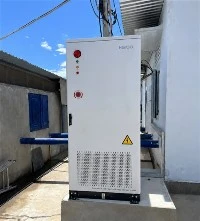
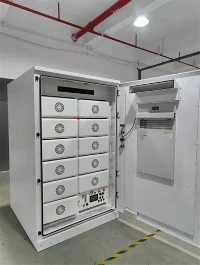
125KW 241kWh Battery Energy Storage System Cabinet
The BESS 125KW 241kWh Lithium Battery Energy Storage Cabinet is a high-power, large-capacity integrated energy storage solution engineered for medium-to-large commercial, industrial, and utility-scale applications. It integrates a 125kW high-performance bidirectional inverter, a 241kWh lithium iron phosphate (LiFePO4) battery bank, and a full-featured intelligent energy management system (EMS) into a modular cabinet design. This system enables efficient renewable energy storage, peak shaving, load shifting, grid frequency regulation, and emergency backup power supply. Ideal for large factories, shopping malls, industrial parks, utility-scale solar/wind farms, and microgrids, it enhances energy independence, reduces high grid demand charges, and supports the stable integration of high-penetration renewable energy into the grid.