


Fleet electrification has mostly been framed as a cost: new vehicles, new chargers, new grid upgrades. Vehicle-to-grid (V2G) flips that narrative. Because a fleet's electric vehicles sit parked for hours at a time - often with large batteries idle - they can act as a distributed energy resource, sending power back to the grid when it's most valuable. For operators of commercial fleets, V2G is the first realistic path to turning parked vehicles from a liability into a revenue stream.
What V2G actually is
V2G describes bidirectional charging, where energy flows both into and out of a vehicle's battery. Related terms are narrower: V2H (vehicle-to-home) and V2B (vehicle-to-building) serve a single site, while V2G exports to the wider grid. The common thread is a bidirectional charger plus a control layer that decides when to charge or discharge - turning each vehicle into a small, mobile battery storage unit.
Why fleets are the ideal V2G asset
Passenger cars are unpredictable; fleets are not. Depot-based commercial fleets offer:
Predictable duty cycles - vehicles return and park on a known schedule.
Large aggregate capacity - dozens or hundreds of vehicles dwarf a single stationary BESS.
Long dwell times - enough hours parked to charge off-peak and discharge on demand.
Centralized infrastructure - one depot, one control system.
That combination makes fleets far more grid-friendly than scattered private EVs.
The revenue streams
V2G monetizes in several ways, often stacked:
Demand response: curtail or export during utility events for payment.
Ancillary services / frequency regulation: fast, precise response commands premium prices.
Peak shaving: shave peak demand and cut demand charges at the depot.
Time-of-use (TOU) arbitrage: charge when power is cheap, discharge when it's expensive.
Critical peak pricing: export on declared event days to neutralize high tariffs.
Together these lift the battery storage ROI of the fleet well beyond fuel savings alone.
Pairing V2G with stationary storage
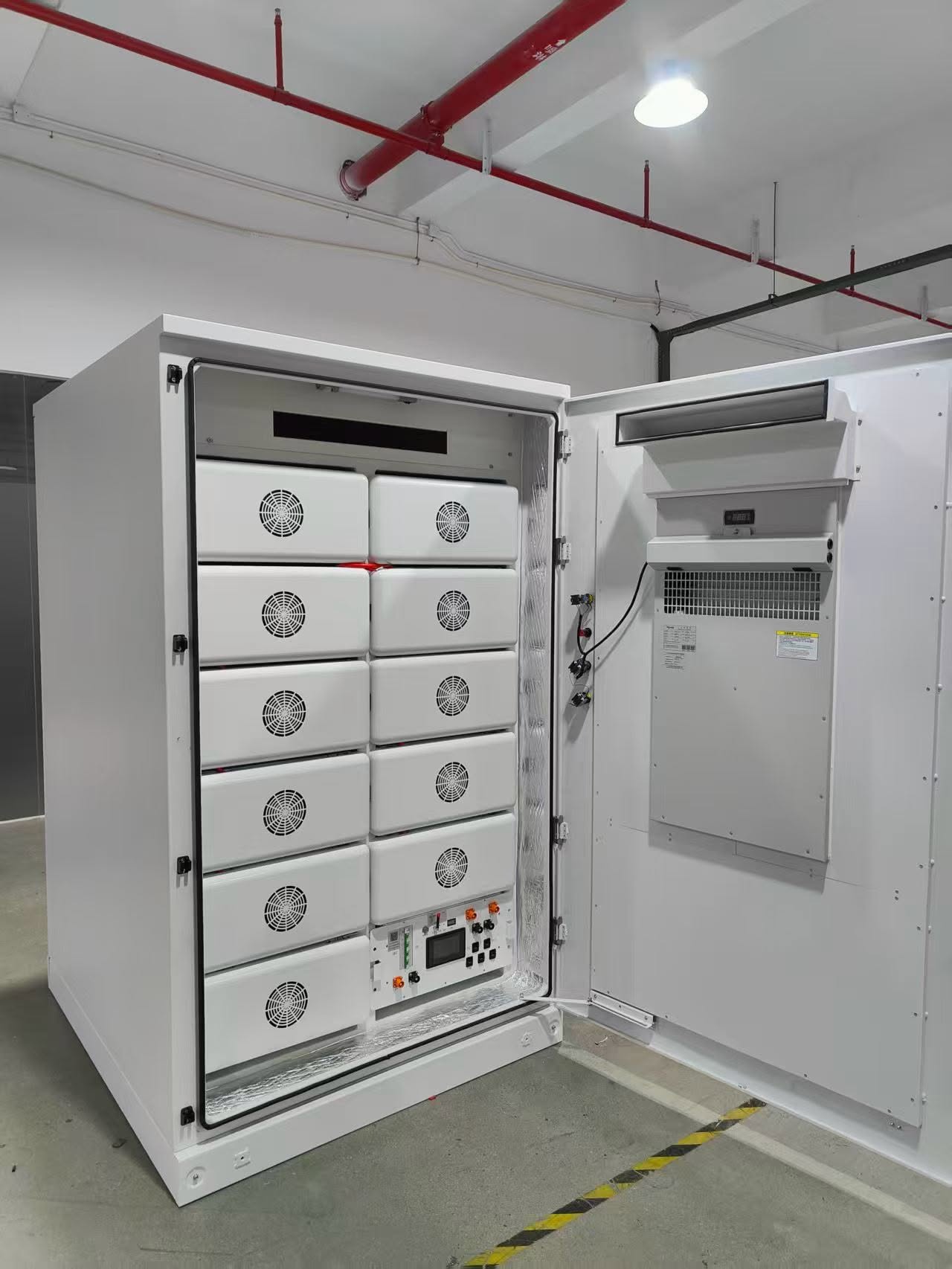
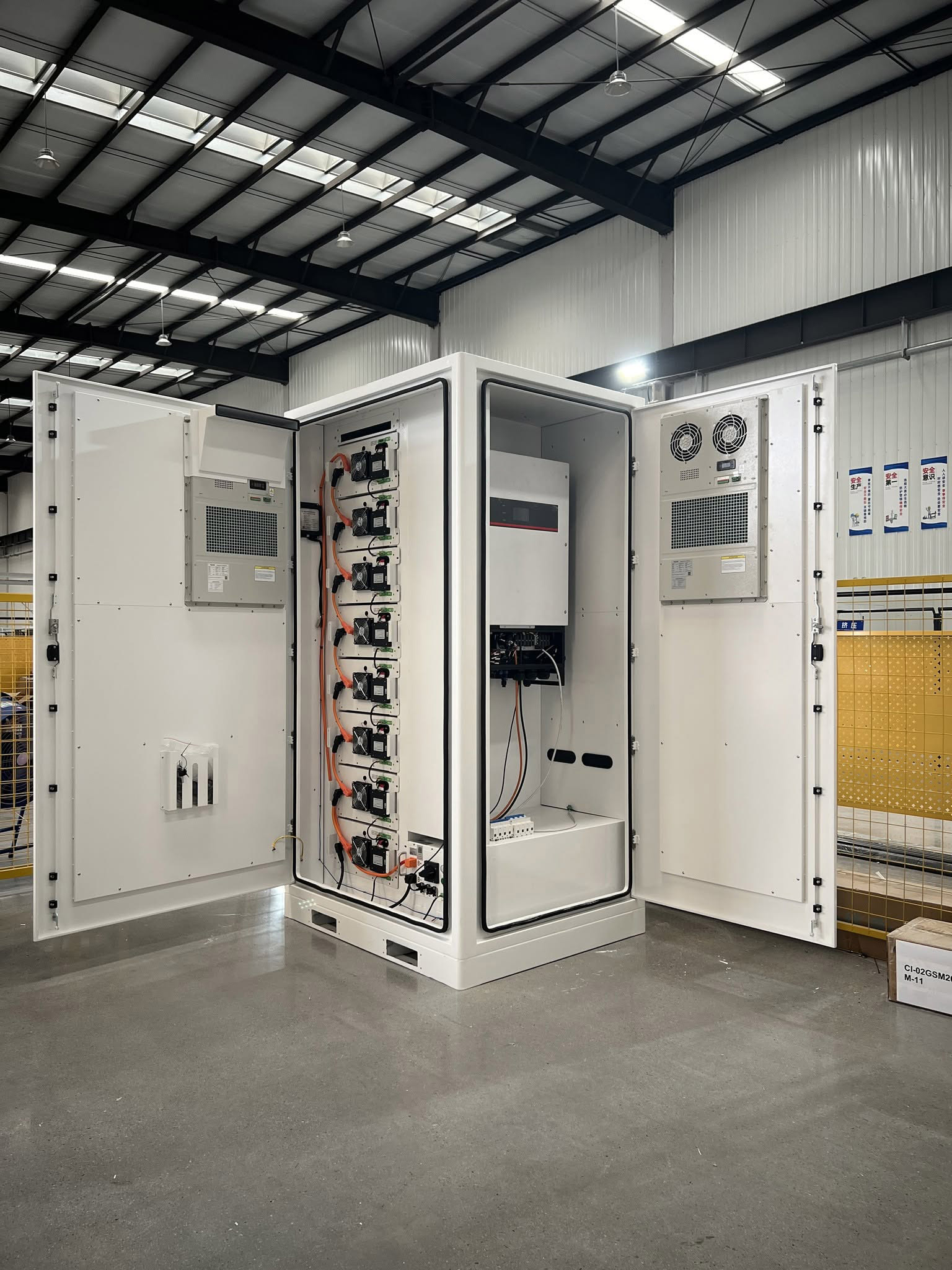
The strongest architecture combines vehicles with on-site commercial battery storage. A stationary C&I battery storage system acts as a buffer and shock absorber: it handles high-C-rate bursts, protects vehicle battery warranties from excessive cycling, and keeps the depot's peak demand flat even when many vehicles charge at once. Add commercial solar plus storage and a microgrid, and the depot can charge cleanly, stabilize its bill, and still export through V2G - all from the same site.
Protecting battery health
The biggest fleet concern is degradation. V2G adds cycles, so dispatch quality matters more than raw hardware. A good EMS (energy management system) coordinates with each vehicle's BMS (battery management system) to limit depth of discharge and avoid unnecessary cycling, targeting only high-value events. Chemistry reinforces the choice: LFP (lithium iron phosphate) packs, with strong cycle life, tolerate V2G duty better than high-nickel alternatives, and their characteristics differ meaningfully from NMC in longevity and safety.
Hardware and architecture
A V2G-ready depot needs:
Bidirectional chargers capable of export, alongside conventional EV charging stations and DC fast chargers.
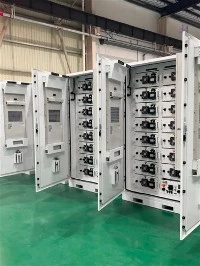
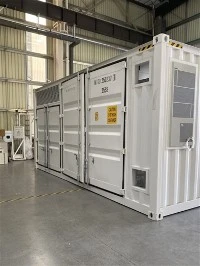
A stationary store built from 215 kWh battery storage modules or modular energy storage - often liquid-cooled for high-duty depots (vs air-cooled).
Coordinated PCS, BMS, and EMS, whether AC coupled or DC coupled.
High round-trip efficiency so every export earns more than it costs.
The economics
Buyers still ask commercial energy storage cost per kWh, but V2G reframes the math. The stationary buffer is sized with commercial energy storage sizing tools against charger concurrency and export value; the fleet's energy savings come from fuel displacement plus stacked grid revenues. LCOS (levelized cost of storage) captures the combined value, and commercial battery storage payback shortens once V2G markets are included.
Compliance and standards
Safety and grid rules apply throughout. Stationary storage should meet UL 9540 and UL 9540A, installations NFPA 855, and international sites IEC 62619. Interconnection and anti-islanding (per IEEE 1547) keep exports safe for utility crews, and bidirectional chargers must be certified for two-way power flow. Ongoing battery storage maintenance keeps the depot compliant and ready.
Choosing the right partner
V2G is an engineering and market-integration problem, not just a hardware purchase. A credible commercial energy storage manufacturer or commercial energy storage supplier should model your depot's duty cycle, size the stationary buffer, and map realistic grid-service revenues - not promise speculative returns.

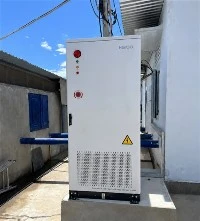
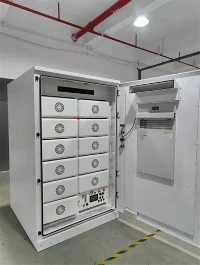
125KW 241kWh Battery Energy Storage System Cabinet
The BESS 125KW 241kWh Lithium Battery Energy Storage Cabinet is a high-power, large-capacity integrated energy storage solution engineered for medium-to-large commercial, industrial, and utility-scale applications. It integrates a 125kW high-performance bidirectional inverter, a 241kWh lithium iron phosphate (LiFePO4) battery bank, and a full-featured intelligent energy management system (EMS) into a modular cabinet design. This system enables efficient renewable energy storage, peak shaving, load shifting, grid frequency regulation, and emergency backup power supply. Ideal for large factories, shopping malls, industrial parks, utility-scale solar/wind farms, and microgrids, it enhances energy independence, reduces high grid demand charges, and supports the stable integration of high-penetration renewable energy into the grid.