


In the wave of global energy transition, photovoltaic power plants, as a key carrier for large-scale utilization of solar energy, are expanding at an unprecedented speed. According to data from the International Energy Agency (IEA), the global installed capacity of solar photovoltaics will reach 375 gigawatts in 2023, with a year-on-year increase of 31.8% in total installed capacity, showing a rapid momentum. From the development trends of various countries and regions, China's newly installed capacity in 2023 is equivalent to the global new increment of the previous year, demonstrating its dominant position in the global photovoltaic field; And other countries and regions are not willing to fall behind, actively layout and accelerate the construction of photovoltaic power stations, and promote the global energy structure to move towards cleanliness and sustainability.
1 Analysis of the Current Development Status of Global Photovoltaic Power Plants
(1) China: Leading the construction of global photovoltaic power plants
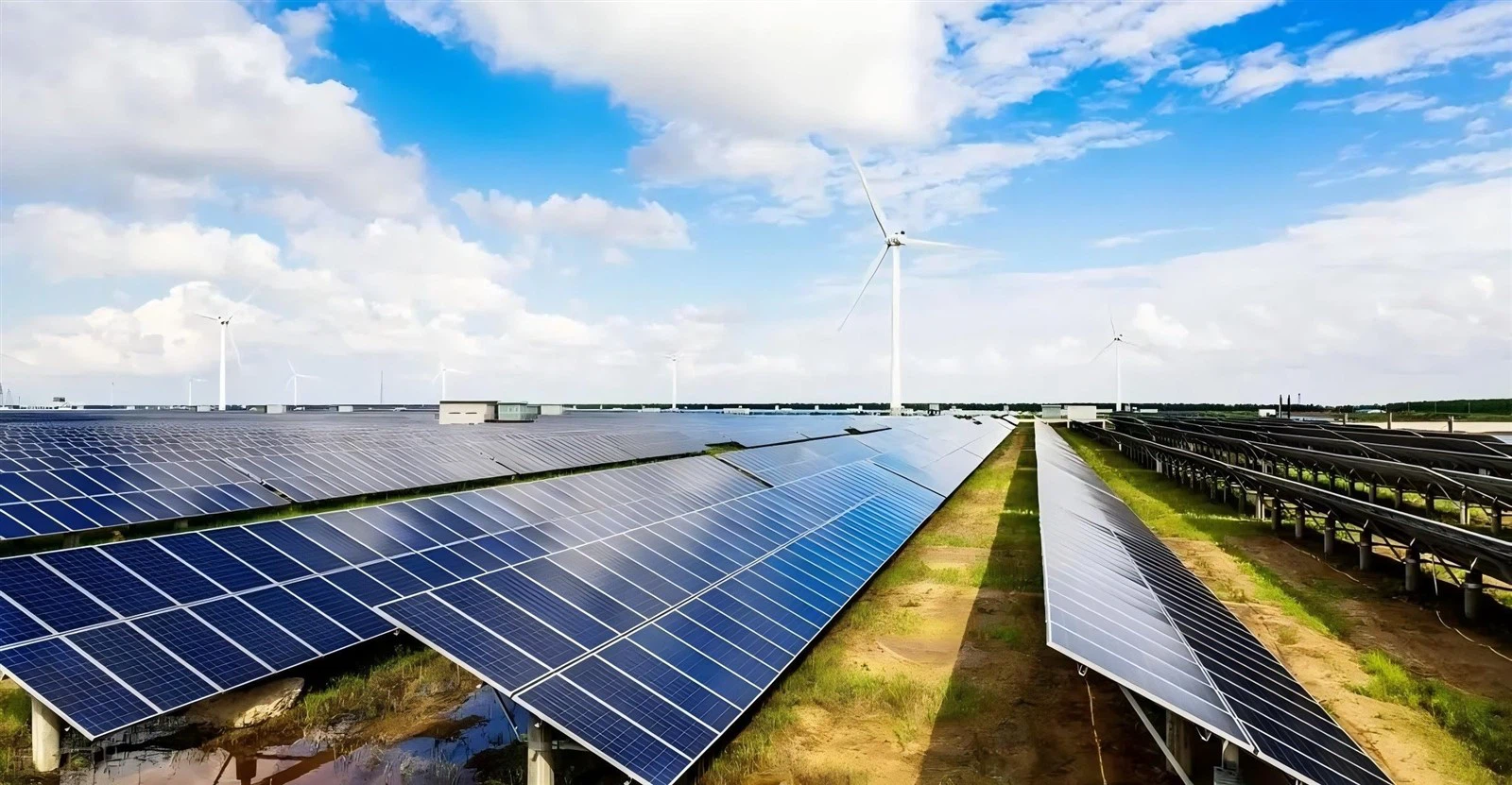
China has achieved remarkable results in the field of photovoltaic power plants, ranking among the top in the world. In 2023, China's newly installed photovoltaic capacity will reach 200GW, far exceeding other countries. Taking the Talatan Photovoltaic Power Station in Qinghai Province as an example, it covers an area of 609 square kilometers and has an installed capacity of 8.5 million kilowatts, making it one of the largest photovoltaic power stations in the world. The power station not only performs outstandingly in power generation, with an annual output of up to 14 billion kilowatt hours, but also achieves significant results in improving the local ecological environment through the "photovoltaic+ecological restoration" model. The large-scale planting of drought resistant plants such as seabuckthorn effectively reduces the risk of land desertification, increases vegetation coverage, and forms a virtuous cycle of "on-board power generation, off board restoration, and inter board planting", providing a model for the coordinated development of large-scale photovoltaic power plant construction and ecological protection.
(2) Europe and America: Steadily promoting the layout of photovoltaic power stations
In Europe, Germany is at the forefront of the development of photovoltaic power plants with sound policy support and mature technology. By the end of 2023, the installed capacity of photovoltaics in Germany will reach 80GW, with distributed photovoltaics accounting for over 70%. The community photovoltaic projects in Germany are quite distinctive, with widespread public participation in investment and construction. This not only lowers the investment threshold, but also enhances residents' sense of identification with clean energy. In the United States, California is a hotbed for photovoltaic development, with numerous large-scale centralized photovoltaic power plants built in its desert areas. The Ivanpah solar power generation system located in the Mojave Desert has an installed capacity of 392 megawatts and adopts advanced concentrated solar power (CSP) technology. It focuses sunlight onto a tower top receiver through a large number of heliostats, generating high-temperature steam to drive a steam turbine for power generation. It is a representative of innovative applications of photovoltaic technology in the United States.
(3) Emerging markets: huge potential for photovoltaic power plants
In the Middle East, Saudi Arabia actively implements the "2030 Vision" and vigorously develops the photovoltaic industry. The Alshubach photovoltaic power station under construction has a planned installed capacity of 4GW and will become the world's largest single photovoltaic power station after completion. The combination of Saudi Arabia's abundant solar energy resources and strong financial strength is expected to become an important global exporter of photovoltaic energy in the future. Egypt, located in the African region, has proposed in its "2035 Comprehensive Sustainable Energy Strategy" that the installed capacity of photovoltaic power generation will reach 43GW by 2035. Currently, Egypt has built multiple large-scale photovoltaic projects, such as the Benban Solar Park, with an installed capacity of 1.8GW, effectively alleviating the local electricity shortage and injecting new impetus into economic development.
2 Challenges faced by global photovoltaic power plants
(1) Intermittent and Consumption Difficulties
Photovoltaic power plants rely on light to generate electricity, which has obvious intermittency and volatility, posing challenges to the stable operation of the power system. In some regions with a high proportion of photovoltaic installed capacity, such as some western provinces in China, when there is sufficient sunlight, the amount of photovoltaic power generation increases significantly, which may exceed the local power grid's consumption capacity and lead to the phenomenon of solar power abandonment. According to statistics, the curtailment rate in some regions of China will still reach 5% -10% in 2023, resulting in energy waste. Some countries in Europe and America also face similar problems, such as Germany needing to balance electricity supply and demand by adjusting the output of other power sources or transmitting electricity to neighboring countries during periods of high photovoltaic power generation.
(2) Cost benefit dilemma
Although the prices of photovoltaic modules have significantly decreased in recent years, the construction and operation costs of photovoltaic power plants are still relatively high. In terms of construction, land leasing, preliminary survey and design, equipment procurement and installation costs account for a relatively large proportion; During the operation phase, costs such as equipment maintenance, manual management, and equipment updates continue to exist. For some small-scale photovoltaic power plants, especially distributed photovoltaics, due to limited power generation, the investment payback period is long under the current electricity pricing mechanism, and the income is difficult to guarantee, which affects the enthusiasm of investors. In emerging markets such as some African countries, due to weak infrastructure, the supporting costs of building photovoltaic power plants are higher, further compressing profit margins.
(3) Policy and Market Risks
There are significant differences in photovoltaic policies among countries around the world, and the stability and continuity of policies affect the long-term development of photovoltaic power plants. Some countries' policy subsidies have retreated too quickly, such as some European countries cutting subsidies for photovoltaic power plants in 2023, resulting in a slowdown in the growth rate of new installed capacity. In addition, international trade frictions also bring market risks to the construction of photovoltaic power plants. The United States, the European Union, and other countries have set trade barriers against Chinese photovoltaic products, which have affected the global supply chain stability of photovoltaic modules, increased the construction costs of photovoltaic power plants, and increased project uncertainty.
3 Outlook on the Development Trends of Global Photovoltaic Power Plants
(1) Technological innovation drives efficiency improvement
In the future, photovoltaic technology will continue to innovate and promote the improvement of power generation efficiency. As an emerging technology, perovskite solar cells have achieved a laboratory conversion efficiency of over 30%, far exceeding traditional crystalline silicon cells. It is expected that in the next 5-10 years, perovskite cells will achieve large-scale commercial applications, significantly reducing the cost per kilowatt hour of photovoltaic power plants. Intelligent operation and maintenance technology will be widely applied in the integration of photovoltaic power plant systems. By installing a large number of sensors to monitor the real-time operation status of photovoltaic modules, using artificial intelligence algorithms to predict faults in advance, precise maintenance can be achieved, operation and maintenance costs can be reduced, and the reliability and power generation of the power station can be improved.
(2) Integrated development of energy storage and photovoltaics
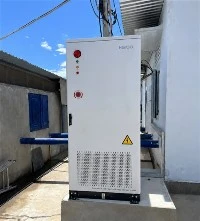
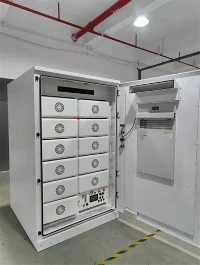
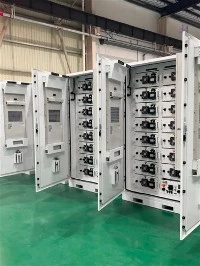
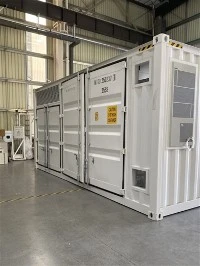
To solve the intermittent problem of photovoltaics, the integration of energy storage and photovoltaics has become an inevitable trend. More and more photovoltaic power plants are building energy storage facilities globally. In Australia, some photovoltaic power plants are equipped with lithium battery energy storage systems, which store electricity when there is excess photovoltaic power generation and release it during peak electricity consumption or insufficient sunlight. This not only improves the stability of power supply, but also participates in peak shaving of the electricity market, increasing revenue. As the cost of energy storage technology decreases, the "photovoltaic+energy storage" model will be widely promoted worldwide. It is expected that by 2030, more than 50% of newly added photovoltaic power plants worldwide will be equipped with energy storage systems.
(3) Industrial synergy and global cooperation
The upstream and downstream coordinated development of the photovoltaic power plant industry will become even closer. Photovoltaic module manufacturers, inverter manufacturers, power station developers, and operation and maintenance service providers will strengthen cooperation, integrate resources, optimize the industrial chain, reduce costs, and improve overall competitiveness. In the context of globalization, countries will strengthen cooperation in photovoltaic technology, funding, talent, and other aspects. With advanced technology and mature industrial chain, China will play a greater role in the construction of global photovoltaic power stations, carry out extensive cooperation with countries along the "the Belt and Road", jointly build photovoltaic power station projects, and help the global energy transformation.