


In the renewable energy and industrial power management sector, the energy storage cabinet is a core component for businesses pursuing reliable, efficient energy solutions. For system integrators, project managers, and procurement specialists, understanding its definition, core components, and working principle is key to informed decision-making. This guide addresses common industry questions, providing concise, actionable insights tailored to professional users.
What Is an Energy Storage Cabinet?
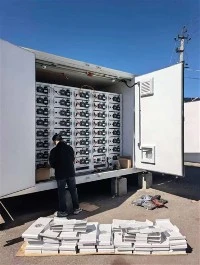
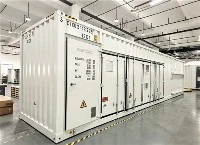
An energy storage cabinet is an integrated modular system that stores electrical energy (from solar, wind, or the grid) and delivers it on demand for residential, commercial, or industrial use. Unlike a basic battery cabinet- which only houses batteries-an energy storage cabinet combines multiple functional components into one compact enclosure, offering a turnkey solution for energy storage, management, and distribution.
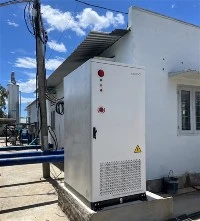
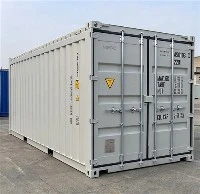
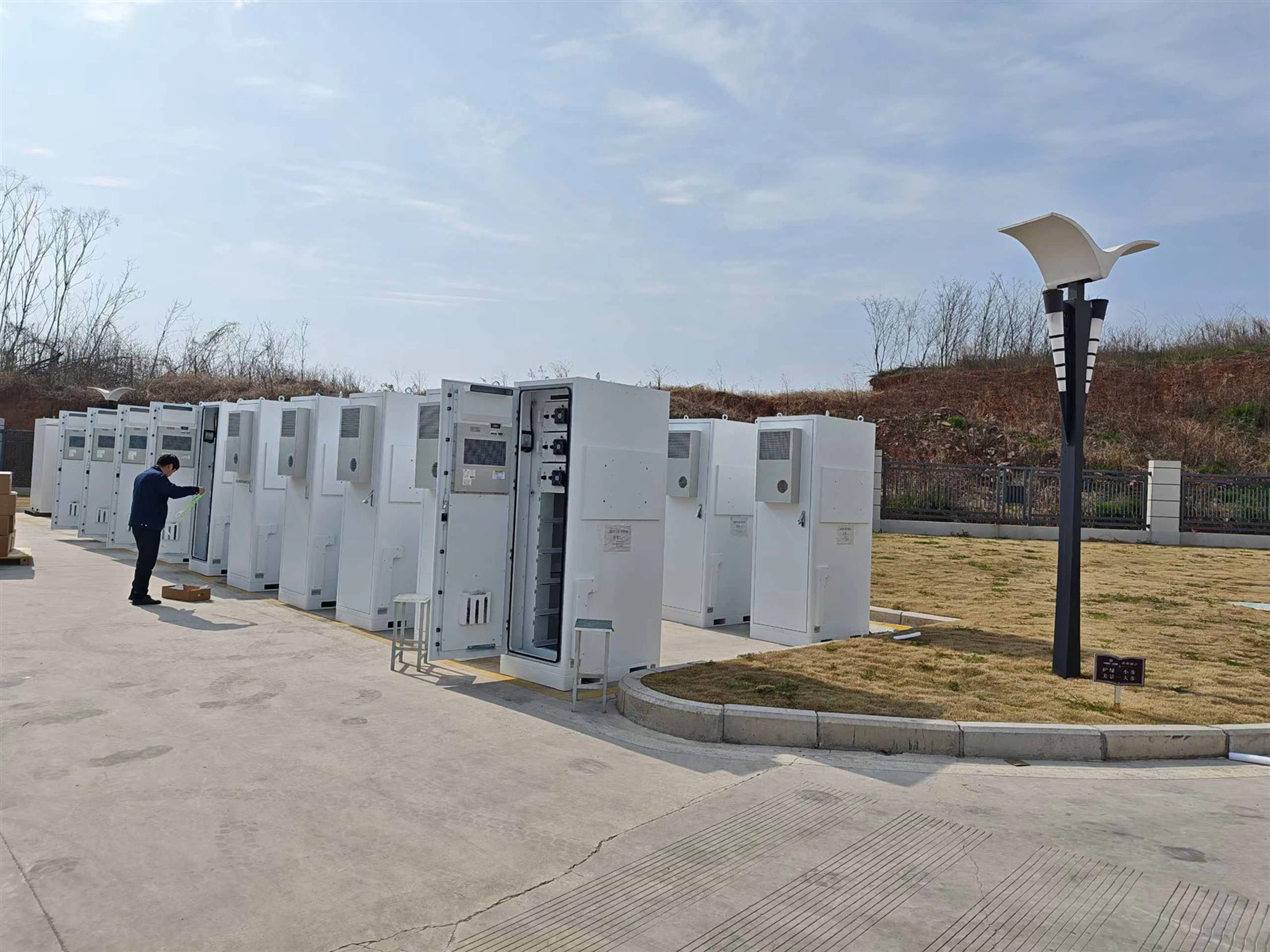
Classified by application, common types include residential (compact, solar-paired units), commercial (peak shaving/backup for offices/retail), industrial (heavy-duty for manufacturing/data centers), and outdoor (weather-resistant, IP54+ rated for solar farms/remote sites).
Core Components of an Energy Storage Cabinet
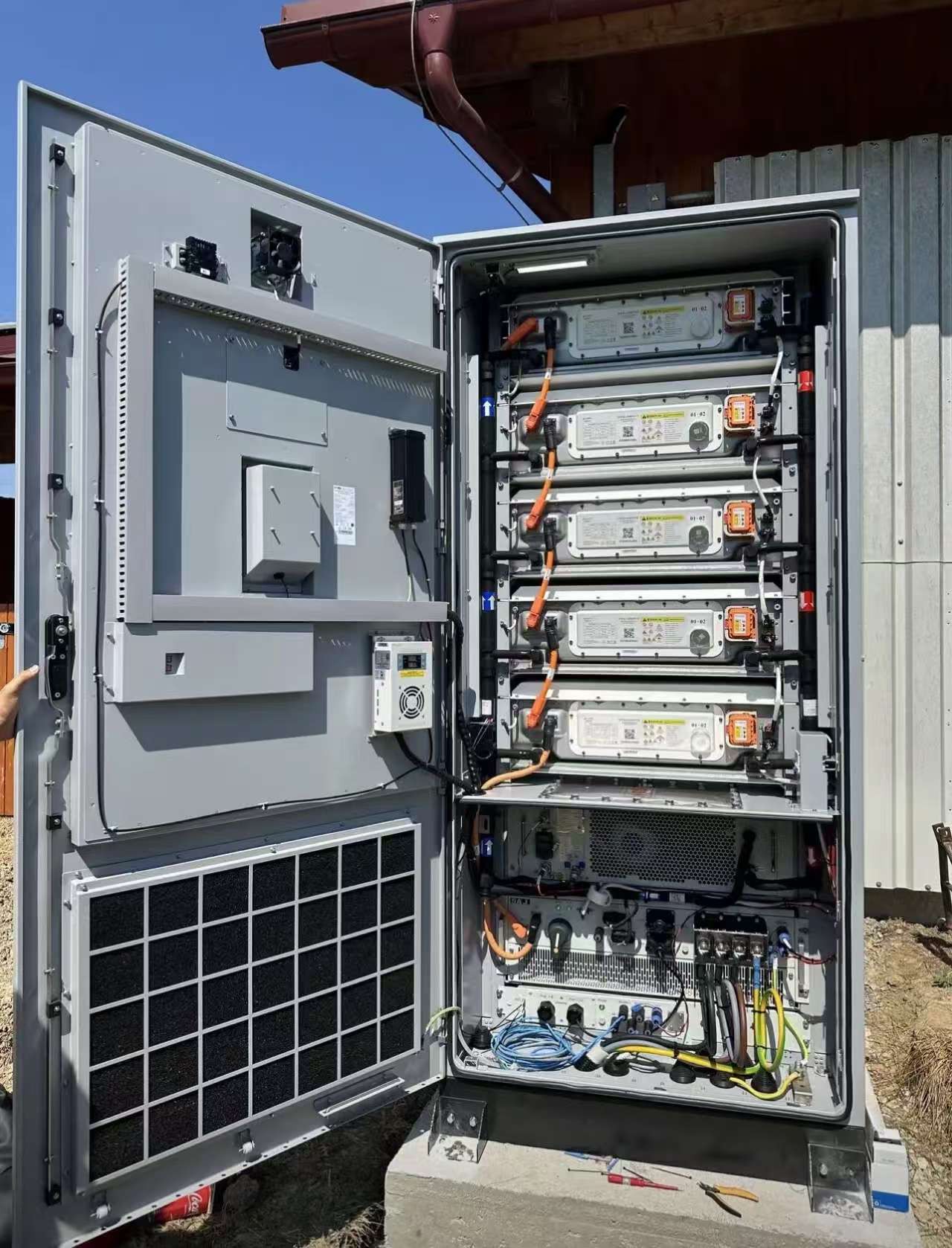
The performance and safety of an energy storage cabinet depend on its integrated components, critical for professionals evaluating quality and reliability:
Lithium Battery Pack: Usually LiFePO4 modules, offering high safety, long lifespan (8,000+ cycles), and high energy density-ideal for industrial use.
BMS (Battery Management System): Monitors battery parameters (voltage, temperature, SOC), preventing overcharging/overdischarging and optimizing performance.
PCS (Power Conversion System): Converts AC/DC power for charging/discharging, with ≥90% efficiency to minimize energy loss.
Thermal Management: Maintains 15–35°C for batteries, using air/liquid cooling to extend lifespan.
Safety Systems: Fire suppression, circuit breakers, and compliance with international standards (GB/T 36276) to mitigate hazards.
Communication Module: Enables remote monitoring (RS485/CAN/WiFi) for real-time system tracking and control.
How Does an Energy Storage Cabinet Work?
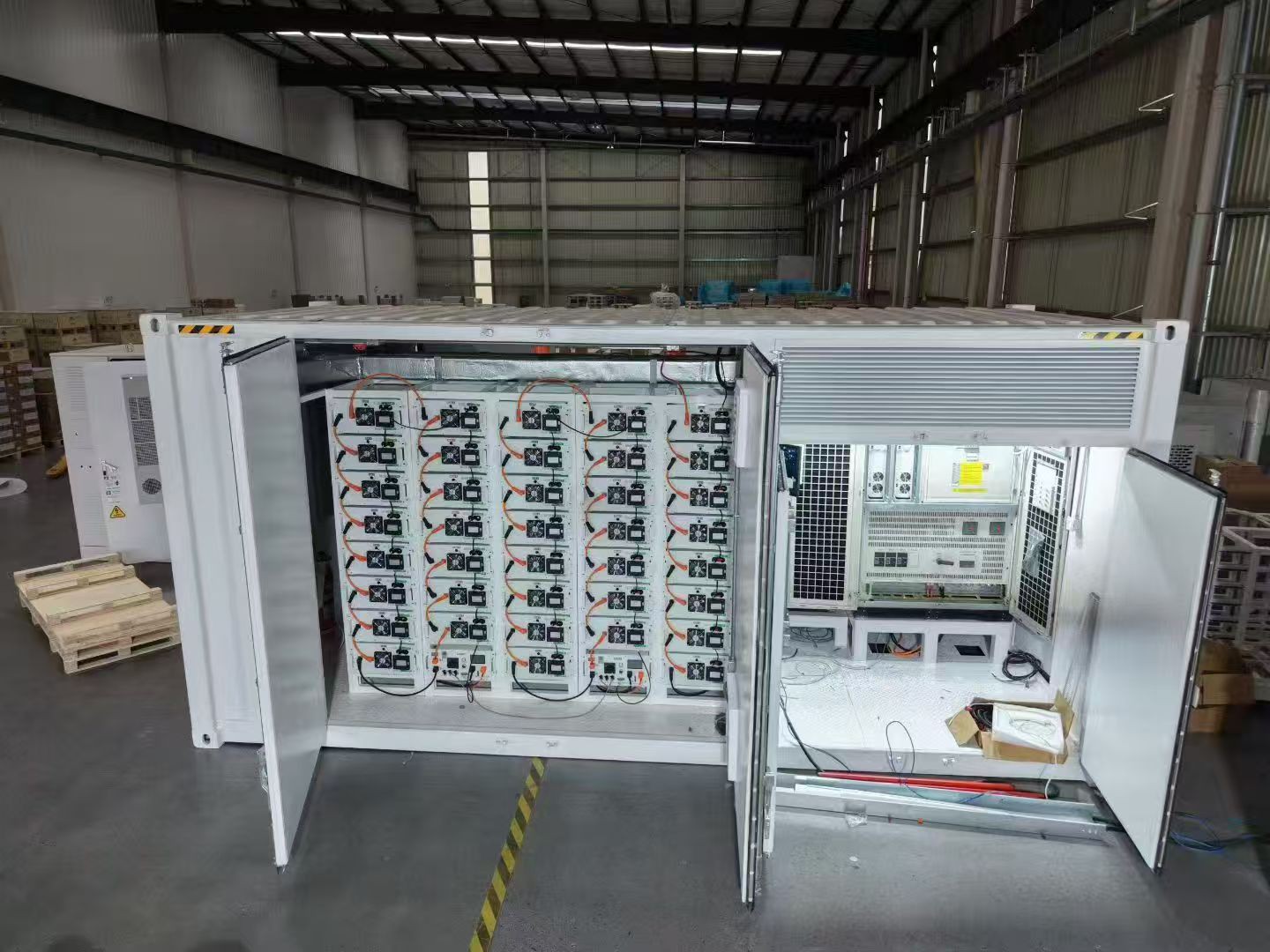
Its operation revolves around three key processes, coordinated by the BMS and PCS:
Charging: AC power (grid/solar) is converted to DC by the PCS to charge the battery pack, with the BMS ensuring safe, efficient charging.
Storage/Management: The BMS monitors and balances battery cells, maintaining performance and preventing failures.
Discharging: DC power from batteries is converted to AC for loads/grid, supporting peak shaving (reducing costs) and backup power (avoiding downtime).


Key Business Benefits
For businesses, energy storage cabinets deliver tangible value: reduced electricity costs via peak shaving, reliable backup power to prevent downtime, seamless renewable energy integration, grid stability support, scalability, and low maintenance with a 10–15 year lifespan (LiFePO4).
FAQ
1. What is an energy storage cabinet used for?
Peak shaving, backup power, renewable integration, and grid stability for commercial/industrial use.
2. How long does it last?
10–15 years (LiFePO4) or 3–5 years (lead-acid), depending on battery type.
3. Can it be used outdoors?
Yes-outdoor models have IP54+ ratings to withstand harsh weather.
Conclusion
The energy storage cabinet is essential for businesses optimizing energy costs, reliability, and sustainability. By understanding its components and operation, industry professionals can select the right solution for their needs, leveraging its benefits to drive efficiency and long-term return on investment.