


In the rapidly expanding solar energy and energy storage industry, the hybrid inverter has emerged as a versatile and essential component for both residential and commercial energy systems. But what is a hybrid inverter, and how does it differ from other inverter types? For system integrators, procurement specialists, and facility managers, understanding the definition, working principle, and key features of a hybrid inverter is critical to designing efficient, reliable energy systems-especially when paired with energy storage cabinets and solar PV setups.
What Is a Hybrid Inverter?
A hybrid inverter is a multi-functional power conversion device that combines the capabilities of a grid-tie inverter and an off-grid inverter, while also integrating battery storage compatibility. Unlike a standard grid-tie inverter (which only converts DC power from solar panels to AC power for grid use) or an off-grid inverter (which relies solely on battery storage), a hybrid inverter can seamlessly switch between grid-connected, off-grid, and battery storage modes. This versatility makes it a cornerstone of modern energy systems, enabling users to maximize solar energy utilization, ensure backup power, and reduce reliance on the grid.
Key to its functionality, a hybrid inverter connects three main components: solar PV panels, an energy storage cabinet (or battery bank), and the electrical grid. It regulates the flow of energy between these components, optimizing power distribution to meet demand while minimizing energy waste. For commercial and industrial applications, this means greater flexibility in energy management-whether for peak shaving, load shifting, or emergency backup.
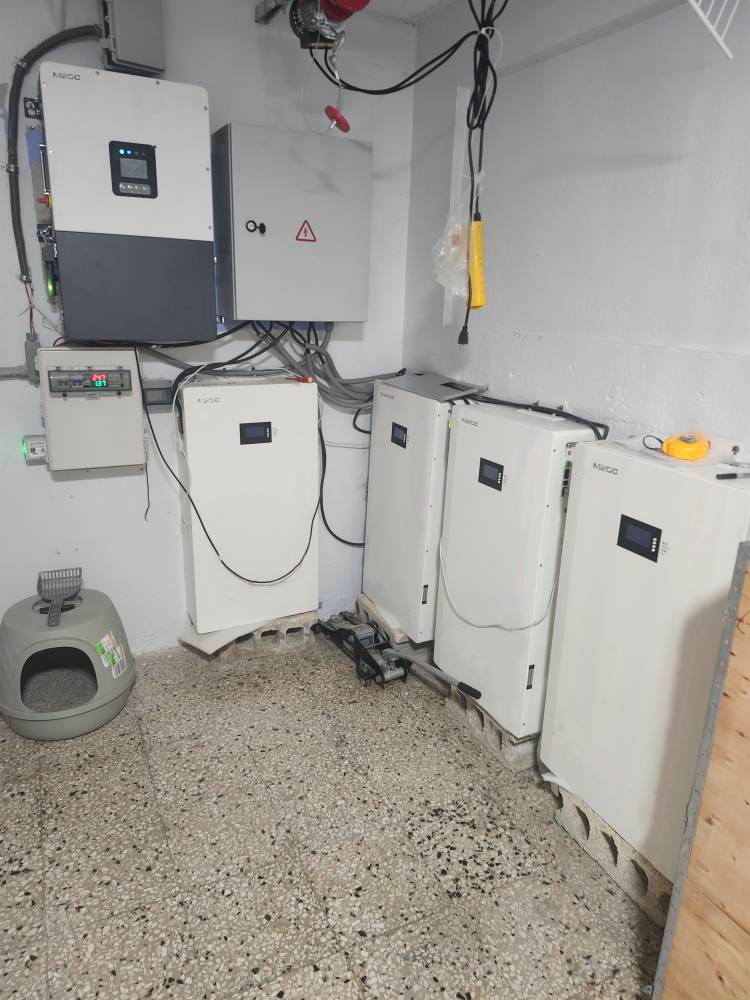
How Does a Hybrid Inverter Work?
The working principle of a hybrid inverter revolves around three core operating modes, all coordinated to ensure efficient energy conversion and distribution:
Grid-Connected Mode (Solar Priority): When solar PV panels generate more energy than the system's immediate demand, the hybrid inverter converts the excess DC solar power to AC power. This power is first used to power on-site loads; any remaining energy is either fed back into the grid (for net metering) or sent to the energy storage cabinet for later use. This mode maximizes solar energy utilization and reduces grid dependency.
Battery Charging & Storage Mode: The hybrid inverter charges the connected energy storage cabinet (typically paired with LiFePO4 batteries for long lifespan) using either excess solar power or grid power during off-peak hours (when electricity prices are lower). It uses a built-in charge controller to regulate charging current and voltage, preventing overcharging and extending battery life. This ensures a reliable reserve of energy for later use.
Off-Grid Mode (Backup Power): During grid outages, the hybrid inverter automatically switches to off-grid mode within milliseconds, drawing power from the energy storage cabinet to power critical loads. This seamless transition prevents downtime for commercial operations and ensures uninterrupted power for residential users. Some advanced hybrid inverters can also operate in off-grid mode indefinitely, relying solely on solar power and battery storage.
A key feature of hybrid inverter operation is its ability to balance energy flow in real time. It uses intelligent monitoring to prioritize solar energy first, then battery storage, and finally grid power-optimizing cost savings and energy efficiency.

Key Features of a High-Quality Hybrid Inverter
When evaluating hybrid inverters for commercial or residential use, several key features distinguish high-performance models from basic ones:
Dual Conversion Efficiency: Top hybrid inverters offer AC-DC and DC-AC conversion efficiency of 95% or higher, minimizing energy loss during conversion. This is critical for maximizing the value of solar energy and battery storage.
Battery Compatibility: Most modern hybrid inverters are compatible with LiFePO4 batteries (the industry standard for energy storage cabinets) and support multiple battery types, offering flexibility in system design.
Grid-Tie & Off-Grid Switching: Seamless mode switching (≤50ms) ensures uninterrupted power during grid outages, a must for commercial facilities where downtime is costly.
Intelligent Monitoring: Built-in monitoring systems (or compatibility with cloud platforms) allow users to track energy production, battery status, and inverter performance in real time-enabling proactive maintenance and optimization.
Phase Options: Single phase hybrid inverters are ideal for residential and small commercial use, while 3 phase hybrid inverters are designed for large industrial systems with high power demands.
Weather Resistance: Outdoor hybrid inverters feature an IP54+ rating, protecting against dust, rain, and extreme temperatures-making them suitable for solar farms and outdoor energy storage setups.

FAQ
1. What is a hybrid inverter?
A hybrid inverter is a multi-functional device that combines grid-tie and off-grid capabilities, integrating solar PV, battery storage (energy storage cabinet), and grid power to optimize energy distribution.
2. How does a hybrid solar inverter work?
It converts DC solar power to AC power, charges battery storage with excess energy, and switches seamlessly between grid-connected and off-grid modes to ensure reliable power.
3. Can a hybrid inverter work without a battery?
Yes, most hybrid inverters can operate in grid-tie mode without a battery, converting solar power directly to grid-use AC power. However, battery storage unlocks backup power and off-grid capabilities.
4. Is a hybrid inverter compatible with energy storage cabinets?
Yes-hybrid inverters are specifically designed to connect with energy storage cabinets, typically supporting LiFePO4 batteries for optimal performance and lifespan.
Conclusion
The hybrid inverter is a versatile, high-performance component that bridges the gap between solar energy, battery storage, and the grid. Its ability to switch between operating modes, integrate with energy storage cabinets, and optimize energy flow makes it essential for modern residential and commercial energy systems. By understanding its definition, working principle, and key features, you can select a hybrid inverter that aligns with your energy goals-whether reducing grid dependency, ensuring backup power, or maximizing solar energy utilization.
When paired with a high-quality LiFePO4 energy storage cabinet, a hybrid inverter creates a complete, efficient energy system that delivers long-term cost savings and reliability for businesses and homeowners alike.