


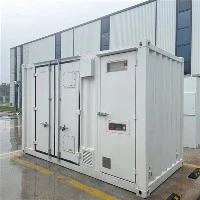

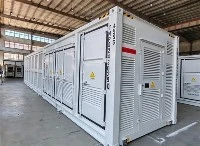
Understanding energy storage battery lifespan is critical to maximizing return on investment (ROI) and ensuring long-term reliability of residential, commercial, and industrial energy storage systems. A well-maintained energy storage battery not only extends cycle life but also reduces operational costs and minimizes downtime.
What Is Energy Storage Battery Cycle Life & How It Relates to Lifespan
Cycle life is a core metric defining energy storage battery lifespan-it refers to the number of complete charge-discharge cycles a battery can undergo before its capacity degrades to 80% of its original rating, the industry-standard threshold for end-of-useful life. This directly correlates to the total service life of the battery, as each cycle contributes to gradual chemical degradation.
Different battery chemistries yield vastly different cycle life and overall lifespan. LiFePO4 energy storage batteries, the most popular choice for solar storage and industrial applications, offer 3,000–8,000 cycles, translating to a lifespan of 10–15 years with proper maintenance. In contrast, lithium-ion storage batteries typically provide 1,000–2,000 cycles, while lead-acid options offer only 300–500 cycles. Emerging sodium-ion energy storage batteries show promise but currently have shorter cycle lives, making them less ideal for long-term projects.
It's important to note that rated cycle life (tested in lab conditions) often differs from real-world performance. Factors like temperature, charging habits, and system compatibility can reduce actual cycle life by 20–30% if not properly managed.

Key Factors That Reduce Energy Storage Battery Lifespan
Users must address common lifespan-reducing factors to protect their energy storage investments. Temperature extremes are the top culprit: sustained high temperatures (above 35°C) accelerate electrolyte decomposition, while low temperatures (below 0°C) cause capacity loss and potential lithium plating. Improper charging and discharging-including overcharging, deep discharge beyond recommended limits, and irregular cycles-also degrade battery cells over time.
Poor BMS (Battery Management System) performance and mismatched system components further shorten lifespan. A reliable BMS regulates voltage, current, and temperature, preventing cell damage, while incompatible inverters or solar panels can cause uneven charging and excessive wear. Environmental factors like humidity, vibration, and physical damage from improper installation also contribute to premature failure.
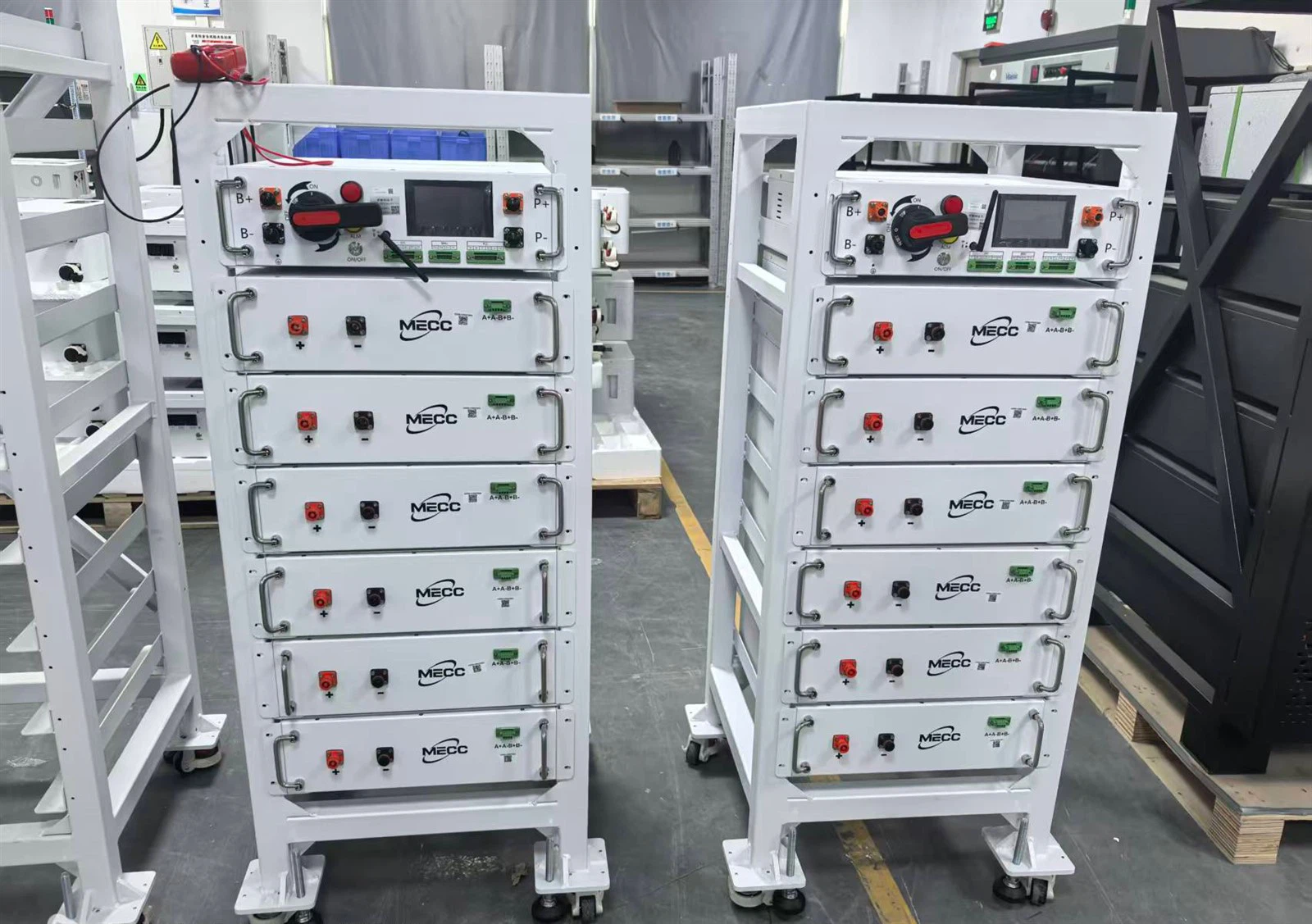
Professional Maintenance & Service Tips to Extend Lifespan
Proactive maintenance is the most effective way to extend energy storage battery lifespan. For daily and weekly checks, monitor voltage levels, inspect connections for corrosion, and ensure operating temperatures stay within the 15–25°C ideal range. Monthly and quarterly routines should include cleaning terminals, testing BMS functionality, and verifying wiring tightness to prevent energy loss and cell damage.
Seasonal maintenance is critical for solar storage batteries: implement heat protection measures in summer and cold-weather care in winter to mitigate temperature-related degradation. For off-grid and backup power systems, maintain standby mode with regular partial charge-discharge cycles to prevent cell stagnation.
Professional service should be scheduled annually, or sooner if capacity fade exceeds 2% per year. This includes module testing, BMS calibration, and replacement of faulty components. When batteries reach end-of-life, follow global recycling standards-such as EU Regulation 2023/1542-and work with certified recyclers to ensure compliance and sustainability.

Maximizing Lifespan for Solar Energy Storage Systems
For solar storage projects, optimizing Depth of Discharge (DOD) is key-limiting DOD to 80% or lower can extend LiFePO4 energy storage battery cycle life by up to 50%. Pairing batteries with compatible hybrid inverters and a high-performance BMS ensures balanced charging and reduces unnecessary wear. Additionally, load management to avoid overloading during peak demand further protects battery health.

FAQ
1. How many years does an energy storage battery last?
Most LiFePO4 energy storage batteries last 10–15 years with proper maintenance, while lithium-ion and lead-acid options last 5–8 years and 2–5 years, respectively.
2. What is the cycle life of a 51.2V LiFePO4 energy storage battery?
Typical cycle life ranges from 4,000–6,000 cycles at 80% DOD, making it ideal for commercial and industrial solar projects.
3. Can regular maintenance extend solar energy storage battery lifespan?
Yes-proactive maintenance can extend lifespan by 30–50% and reduce unplanned downtime by up to 70%.
Conclusion
By prioritizing cycle life management, implementing regular maintenance, and following professional service guidelines, users can maximize the value of their energy storage battery investments. For high-cycle-life LiFePO4 energy storage batteries or custom maintenance solutions, reach out to trusted providers for support.