


1 Energy Storage EMS System

In today's era of energy transformation, energy storage technology has become a key force driving energy transition. Among the many components of energy storage systems, the Energy Management System (EMS) is like a "super butler" silently controlling the operation of the entire energy storage system, ensuring its safe, efficient, and stable operation.
Perhaps you may be curious, how does this energy storage EMS system exert its "magic"? Simply put, it mainly achieves efficient energy utilization and intelligent management through real-time monitoring, precise control, and optimized scheduling of energy storage devices. From collecting voltage, current, temperature and other data of energy storage batteries, to arranging the charging and discharging time and power of energy storage equipment reasonably according to the demand of the power grid and fluctuations in electricity prices, to ensuring the safe and stable operation of the energy storage system, every link cannot be separated from the careful planning and precise execution of the energy storage EMS system.
2 How does the EMS system operate?

(1) System composition
The architecture of the energy storage EMS system is like a sophisticated building, with each floor playing an indispensable role in supporting the efficient operation of the entire system.
Equipment layer: This is the fundamental support part of the entire system, mainly relying on energy harvesting and transformation equipment such as PCS (energy storage converter) and BMS (battery management system). PCS is responsible for the conversion and control of electrical energy, ensuring that the energy storage battery pack can be charged and discharged safely and efficiently; BMS is like a loyal guardian, always guarding the health of the battery, accurately measuring and monitoring key parameters such as voltage, current, temperature, etc., to prevent overcharging, overdischarging, and extend the battery's service life.
Communication layer: undertakes the important mission of information transmission, including key elements such as links, protocols, and transmission. It is like the "nervous system" of the system, ensuring that the data collected by the device layer can be accurately and quickly transmitted to the information layer, while also timely issuing control instructions from the information layer to the device layer, ensuring smooth and unobstructed information flow throughout the entire system.
Information layer: mainly composed of caching middleware, database, server, etc. Among them, the database system is like a huge "data warehouse", responsible for processing and storing massive amounts of data, not only recording real-time data, but also storing important historical data, providing a solid foundation for subsequent data analysis and queries.
Application layer: This is the interface for direct interaction between the system and management personnel, usually in the form of apps, web, etc. It provides a visual monitoring and operation platform for management personnel, allowing them to intuitively understand the operating status of the energy storage system and remotely control and manage the system through this platform. Specific functions include energy conversion decision-making, energy data transmission and collection, real-time monitoring and control, operation and maintenance management analysis, visual analysis of electricity/quantity, remote real-time control, etc.
(2) Core functions
The energy storage EMS system has many powerful core functions, which work together to accurately control the pulse of energy and ensure the stable and efficient operation of the energy storage system.
Monitoring and collection: Through sensors distributed in various key parts of the energy storage system, such as voltage sensors, current sensors, temperature sensors, etc., the operating status of the energy storage equipment is comprehensively and in real time monitored, and rich data information such as battery voltage, current, SOC (state of charge), temperature, PCS power, frequency, as well as environmental temperature and humidity is collected. These data are like the "eyes" and "ears" of the system, providing first-hand information for subsequent analysis and decision-making.
Data analysis and optimization: Utilizing advanced data analysis techniques and algorithms to conduct in-depth mining and analysis of the massive data collected. For example, by analyzing parameters such as battery charging and discharging curves, internal resistance changes, etc., the health status of the battery can be evaluated; Establish an accurate battery model based on historical and real-time data to predict the remaining life and performance degradation of the battery. At the same time, based on the analysis results, the operation strategy of the energy storage system is optimized and adjusted, such as adjusting the charging and discharging strategy, optimizing energy utilization efficiency, etc., to improve the overall performance and economic benefits of the energy storage system.
Energy dispatch and control: Intelligent energy dispatch and control based on real-time energy demand, grid load conditions, and cost factors. It can reasonably arrange the charging and discharging operations of energy storage facilities based on factors such as demand forecasting, electricity price situation, and grid load, achieving efficient utilization and conservation of energy. For example, during peak load periods in the power grid, automatic scheduling of energy storage equipment discharge can alleviate the pressure on the power grid; During periods of low load, control the charging of energy storage devices to reduce electricity costs. In addition, precise control can be applied to devices such as energy storage inverters to ensure they operate according to predetermined strategies, achieving precise allocation and scheduling of energy.
Fault detection and safety protection: With sharp fault detection capabilities, it can monitor the operation status of the energy storage system in real time, timely detect and diagnose various potential fault hazards, such as battery overcharging, overdischarging, overheating, short circuit, PCS faults, and abnormal conditions of other equipment. Once a fault is detected, the system will immediately activate the security protection mechanism and take corresponding measures to handle it, such as issuing various forms of warning signals such as sound and light alarms, SMS notifications, APP push notifications, etc., to remind operation and maintenance personnel to handle the fault in a timely manner; At the same time, it will automatically execute safety protection strategies, such as controlling PCS to stop charging or discharging, cutting off the circuit connections of faulty equipment, etc., to prevent the expansion of faults, ensure the safe and stable operation of the energy storage system, and avoid safety accidents.
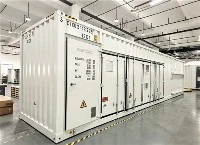
MECC Commercial And Industrial BESS Products
We offer different kinds of battery energy storage system solutions for customer's requirements on commercial/industrial/farming


3 Energy storage EMS system function

(1) Power system
On the vast and complex stage of the power system, energy storage EMS systems play a crucial role and are the heroes behind ensuring the stable operation of the power grid.
Peak shaving and valley filling: With the rapid development of the social economy, the gap between peak and valley electricity loads is increasing, which poses a huge challenge to the supply-demand balance of the power grid. The energy storage EMS system uses precise control strategies to command energy storage devices to charge in large quantities during low electricity consumption periods, storing excess electrical energy; During peak electricity consumption periods, energy storage devices are quickly dispatched to discharge and provide additional power support to the grid. This is like building an "electric energy reservoir" in the power grid, effectively relieving the power supply pressure during peak hours, flattening the peak load of electricity, filling the electricity gap during low periods, greatly improving the reliability and stability of power supply in the power grid, reducing the risk of power outages caused by load fluctuations, and ensuring that residents and businesses can continue to use electricity stably.
Frequency regulation: The frequency stability of the power grid is one of the key indicators for the normal operation of the power system. When the power system is subjected to sudden load changes, power generation equipment failures, or intermittent impacts from new energy generation, the grid frequency is prone to fluctuations. The energy storage EMS system, with its fast response capability and precise control technology, can monitor changes in grid frequency in real time and quickly instruct energy storage equipment to adjust charging and discharging power, injecting or absorbing active power into the grid in a timely manner to maintain the stability of grid frequency. This fast and precise frequency regulation function is like installing a "stabilizer" on the power grid, effectively ensuring the safe and stable operation of the power system, avoiding equipment damage and large-scale power outages caused by frequency anomalies, and providing a solid guarantee for the reliable power supply of the power system.
Backup power supply: In the event of sudden faults or power outages in the power grid, the energy storage EMS system can quickly switch working modes, using energy storage equipment as a backup power source to provide continuous and stable power supply for critical loads. This is undoubtedly a "reassurance pill" for places such as hospitals, data centers, and transportation hubs that require extremely high power reliability. For example, during the surgical process in the hospital, if there is a sudden power outage, the energy storage EMS system can be activated instantly to ensure the normal operation of key equipment such as surgical equipment and life support systems, avoiding threats to the patient's life safety caused by power outages; In data centers, energy storage EMS systems can ensure the continuous operation of servers, prevent data loss, and maintain the normal operation of enterprises. The energy storage EMS system, as a backup power source with fast response and reliable power supply capabilities, plays an irreplaceable role in critical moments, effectively ensuring the normal operation of society and the safety of people's lives and property.
(2) Renewable energy
In the wave of booming development of renewable energy, energy storage EMS systems have become a key bridge connecting renewable energy and the power grid, effectively solving the intermittent and unstable problems of renewable energy generation, and providing strong support for the large-scale integration and efficient utilization of clean energy.
Smooth output power: The power generation of renewable energy sources such as solar and wind energy is greatly affected by natural conditions and has obvious intermittency and volatility. This unstable power generation characteristic poses many challenges to the safe and stable operation of the power grid, such as voltage fluctuations, frequency instability, etc. The energy storage EMS system can quickly and accurately adjust the charging and discharging process of energy storage equipment by monitoring the output power of renewable energy generation equipment in real time, and combining advanced prediction algorithms and intelligent control strategies to "peak shaving and valley filling" and smooth the power generation of renewable energy. When there is an excess of renewable energy generation power, the energy storage EMS system stores the excess electricity in energy storage devices; When the power generation is insufficient, timely scheduling of energy storage equipment discharge can supplement the power gap, effectively reducing the fluctuation amplitude of power generation, making the output power more stable and reliable, improving the power quality of renewable energy generation, reducing the impact on the power grid, and creating favorable conditions for the large-scale grid connection of renewable energy.
Promoting consumption: Due to the instability of renewable energy generation, there may be excess power generation during certain periods that cannot be consumed in a timely manner, leading to phenomena such as "wind power curtailment" and "solar power curtailment", resulting in energy waste. The energy storage EMS system optimizes and schedules the charging and discharging behavior of energy storage equipment, and can reasonably arrange the working mode of energy storage equipment at different time periods based on the load demand of the power grid, electricity price fluctuations, and renewable energy generation forecasts. It stores excess renewable energy electricity and releases it into the power grid at the appropriate time, achieving the "spatiotemporal transfer" and optimized configuration of renewable energy electricity. This not only effectively improves the utilization rate of renewable energy, reduces energy waste, but also provides a more stable and reliable power supply for the power grid, promotes the coordinated and complementary development of renewable energy and traditional energy, promotes the transformation and upgrading of energy structure, accelerates the proportion of clean energy in the energy system, and makes positive contributions to achieving carbon peak and carbon neutrality goals.
(3) Industrial and Commercial
In the industrial and commercial fields, energy storage EMS systems have become a powerful assistant for enterprises to save energy, increase efficiency, and improve energy management levels, bringing significant economic and social benefits to enterprises.
Peak valley arbitrage: Many regions have implemented time of use electricity pricing policies, resulting in significant differences in electricity prices during different time periods. Industrial and commercial users typically have high electricity loads, and their electricity usage is relatively concentrated during peak hours, resulting in higher electricity costs. The energy storage EMS system, through in-depth analysis of electricity pricing policies and accurate prediction of enterprise electricity load, can automatically control the charging of energy storage equipment during low electricity price periods and store low-priced electricity; During peak electricity prices, energy storage devices are dispatched to discharge and meet some of the electricity demand of enterprises, thereby achieving arbitrage of peak valley electricity price differences. This peak valley arbitrage strategy effectively reduces the electricity costs of enterprises and improves their economic benefits. For example, after installing an energy storage EMS system, a certain factory reduced its monthly electricity expenses by 20% through reasonable peak valley arbitrage operations, greatly reducing the operating cost pressure of the enterprise and enhancing its competitiveness in the market.
Demand management: The electricity demand of an enterprise is one of the important factors in calculating electricity bills, and exceeding the contracted demand can lead to high demand electricity bills. The energy storage EMS system can optimize and control the electricity load of enterprises by monitoring their power consumption in real time and combining advanced data analysis and prediction algorithms. During peak electricity consumption periods, when a company's electricity consumption approaches or exceeds the contracted demand, the energy storage EMS system quickly schedules the discharge of energy storage equipment, reduces some of the electricity load, and avoids the company paying high electricity bills due to excessive demand; At the same time, during periods of low electricity consumption, it is necessary to arrange energy storage equipment charging reasonably, replenish energy reserves, and prepare for the next peak demand. Through this precise demand management strategy, enterprises can effectively control electricity demand, reduce electricity costs, improve energy utilization efficiency, and achieve more refined energy management.
Emergency backup power: For industrial and commercial enterprises, sudden power outages may lead to serious consequences such as production interruption, equipment damage, and obstruction of commercial activities, causing huge economic losses to the enterprise. The energy storage EMS system has a complete emergency backup power function. When the power grid fails and loses power, it can automatically switch to the emergency power supply mode in an instant, using energy storage equipment to provide continuous and stable power support for key equipment and production processes of the enterprise, ensuring that the basic production and operation activities of the enterprise can continue, and reducing economic losses and production stagnation caused by power outages. For example, in some electronic manufacturing companies, power outages may lead to the scrapping of electronic products being processed on the production line. However, the emergency backup function of the energy storage EMS system can effectively avoid this situation, ensuring the continuity of production and product quality of the enterprise, and providing reliable power guarantee for the stable development of the enterprise.
4 Development of Energy Storage EMS System
(1) Looking back at the technological progress, the development history of energy storage EMS system was mainly focused on simple data collection and monitoring. Later, it developed into a smart grid EMS with real-time network analysis, optimization, collaborative control and other functions. It has now become a source grid load collaborative smart grid EMS, which can integrate and utilize various distributed resources. At present, its technological breakthroughs are mainly reflected in the integrated application of intelligent algorithms, which can optimize the charging and discharging strategies of energy storage devices based on various factors. At the same time, the system's visualization and user-friendly interface are constantly improving, providing graphical interfaces and visualization tools to facilitate user operation. In the future, the system will continue to deepen its intelligence and integrate more closely with other systems. For example, it will achieve more efficient management and control of energy storage devices through technologies such as the Internet of Things, big data, and cloud computing, as well as deep integration with emerging concepts such as virtual power plants.
(2) The market concentration of energy storage EMS systems is relatively high, with most mainstream manufacturers being traditional secondary equipment manufacturers in the power industry, such as Nanrui Jibao, Sifang, Xuji, etc. Some integrated manufacturers and third-party independent manufacturers also occupy a certain market share. These major enterprises each have advantages in technology research and development, product quality, market share, and other aspects. For example, Changyuan Shenrui has obvious technological strength and market advantages in energy storage system integration, EMS and other fields, and its EMS energy management system single station access volume continues to reach new highs; As a third-party energy storage EMS enterprise, Yantai Delian's software platform can be flexibly configured and applied to multiple large-scale energy storage projects. With the development of the market, competition among enterprises will become more intense, and it will also encourage all parties to strengthen cooperation, jointly promote technological innovation and industry development, such as collaborative research and development between upstream and downstream enterprises, system integration cooperation between different manufacturers, etc., in order to achieve complementary advantages and enhance the competitiveness and market share of the entire industry.
5 Future prospects of energy storage EMS system

The importance of energy storage EMS system as a key technology in the field of energy storage is self-evident. It is like a behind the scenes hero, silently safeguarding the stable and efficient operation of the energy system, with extensive and important applications in the fields of power systems, renewable energy, as well as industrial and commercial sectors. With the continuous advancement of technology, energy storage EMS systems are constantly being upgraded and improved, demonstrating enormous application prospects.
In the future, energy storage EMS systems will develop towards greater intelligence, integration, and standardization. On the one hand, with the help of cutting-edge technologies such as the Internet of Things, big data, and artificial intelligence, the system will have stronger data analysis and decision-making capabilities, enabling refined management and precise control of energy storage devices, further improving energy utilization efficiency and system performance. On the other hand, its deep integration with emerging industries such as virtual power plants will provide stronger support for the flexibility and reliability of energy systems, expanding the application boundaries and market space of energy storage EMS systems.
In terms of market structure, although the current market concentration is relatively high, with the development of the industry, competition will become increasingly fierce, which will also encourage enterprises to strengthen cooperation, form complementary advantages, and jointly promote the innovation of energy storage EMS system technology and the progress of the industry.
Energy storage EMS systems play a crucial role in energy transition and sustainable development, with enormous potential for future growth.