


1 Cost reduction core of battery and system design
The large-scale application of lithium iron phosphate batteries is a key breakthrough in cost reduction. Compared to ternary lithium batteries, the cost of lithium iron phosphate material is reduced by 30%, and the cycle life is increased by 50% (over 6000 times), directly promoting a 25% reduction in the full life cycle electricity cost of energy storage systems. Taking a 100MWh container energy storage project as an example, after adopting lithium iron phosphate batteries, the initial investment is reduced by 12 million yuan, and the replacement cost after 10 years of operation is only 50% of the ternary lithium system, significantly improving the project's economy.
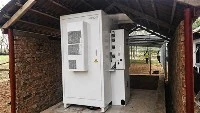
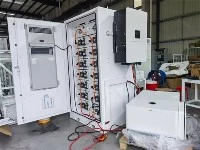
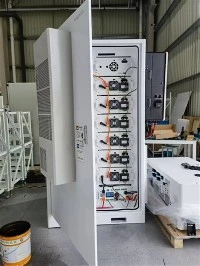
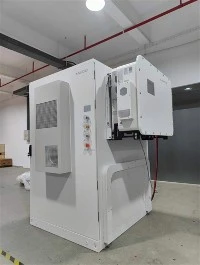
The "de redundancy" design of system integration further reduces costs. Traditional container energy storage often adopts a three-level architecture of "battery cluster+combiner cabinet+PCS". The new generation system integrates PCS (energy storage converter) directly into the battery cluster, eliminating the combiner cabinet and some cables. The cost of a single cabinet is reduced by 15%, and the number of fault points is reduced by 30%. The "All in One" container solution launched by a certain manufacturer utilizes batteries PCS, The temperature control system is integrated into modular units, reducing installation time from 7 days to 2 days, reducing labor costs by 60%, and significantly improving deployment efficiency.

2 Implicit cost control of site selection and layout
The scientific site selection strategy has a profound impact on the full cycle cost of the project. The "on-site consumption" container energy storage located near the new energy power station can significantly reduce transmission line investment. A 100MWh energy storage project supporting a 200MW photovoltaic system, built in a photovoltaic field, directly saves 4 million yuan in cable costs. The "peak shaving" energy storage located in the load center, although relatively high in land cost, can effectively reduce charging and discharging losses. A 50MWh energy storage project in a certain industrial park in Shanghai, with its layout close to the user side, has reduced the line loss rate from 8% to 3% and saved 500000 yuan in annual electricity expenses.
High density layout effectively improves land use efficiency. By optimizing the spacing between battery racks (reduced from 1.2 meters to 0.8 meters) and adopting a side door design, the energy storage capacity of a 20 foot container has been increased from 2.5 MWh to 3.2 MWh, reducing unit land costs by 22%. A certain energy storage power station innovatively adopts double-layer container stacking technology to double its capacity and reduce land rental costs by 50% under the same land area, which is particularly suitable for urban areas with scarce land resources.

3 Cost reduction extension of operations and business models
Intelligent operation and maintenance significantly reduces manual intervention. The AI diagnostic system built into the container can monitor over 300 parameters in real-time, predict battery faults through vibration analysis, and achieve an accuracy rate of 90% in early warning. After the application of this technology in a certain power station, the unplanned downtime has been reduced from 15 days per year to 3 days, reducing the annual operation and maintenance costs by 350000 yuan. Drone inspection replaces manual inspection, increasing the inspection efficiency of a 1GWh energy storage power station by 5 times, reducing the number of single station operation and maintenance personnel from 6 to 2, and significantly reducing labor costs.
Diversified business models effectively dilute fixed costs. The "peak shaving+capacity leasing" model allows energy storage power stations to undertake grid peak shaving tasks while leasing backup capacity to new energy power stations. A 100MWh energy storage project has increased its annual income by 8 million yuan through this model, and the investment payback period has been shortened by 2 years. Participating in the ancillary services market (such as frequency regulation) can generate additional revenue. According to data from PJM's energy storage project in the United States, revenue from fast frequency regulation services accounts for 40% of total revenue, significantly improving project profitability.
The cost optimization of container energy storage is not simply about "reducing allocation and quality", but about achieving "cost-effectiveness leap" through technological innovation and model innovation. With the continuous decrease in battery costs and the improvement of system efficiency, it is expected that by the end of 2025, the cost of container energy storage per kilowatt hour will exceed 0.3 yuan, becoming a more economical and flexible resource than natural gas peak shaving, providing solid and cost controllable support for high proportion renewable energy grids.