




Two batteries can carry the same nameplate capacity and behave completely differently. One can deliver a 500 kW burst for twenty minutes; the other sips 100 kW for five hours. The difference isn't the size - it's the C-rate and duration, the two numbers that define a commercial battery storage system's shape. Getting the power-to-energy ratio wrong is one of the most common and costly mistakes in C&I energy storage design. Here's how to pick the right one.
What C-rate and duration mean
C-rate expresses power relative to energy. A 1C system discharges its full capacity in one hour; 0.5C takes two hours; 2C empties in thirty minutes. Duration is simply the inverse - the hours a battery can sustain its rated power. Power-to-energy ratio (also called the P/E ratio or energy-to-power ratio) is the same idea expressed as a fraction: a 1 MW / 2 MWh system has a 0.5 P/E ratio and a 2-hour duration.
These three terms describe one underlying property: how fast the battery can spend its energy.
Why the ratio matters more than raw size
Capacity tells you how much energy the battery holds. The C-rate tells you how fast it can move. A large tank with a narrow spout can't shave a sharp peak demand spike; a small tank with a wide spout drains before the peak ends. For peak shaving, TOU arbitrage, backup, and EV charging support, the ratio - not the kWh - determines whether the system actually works.
Matching the ratio to the application
Different goals demand different ratios:
Peak shaving / demand charge reduction: spikes are short and sharp, so favor a higher C-rate (roughly 0.5C–1C) with 1–2 hour duration.
Time-of-use (TOU) arbitrage: you're shifting energy across tariff hours, so favor a lower C-rate and longer duration - 0.25C–0.5C over 2–4 hours.
Demand response: needs fast response with moderate duration - a balanced ratio.
Backup / resilience: low C-rate, long duration, sized to critical-load hours.
EV charging buffer: very high C-rate bursts to absorb charger spikes.
V2G / frequency regulation: the highest C-rates, with short, precise discharge events.
Choosing the ratio before the capacity keeps the design honest.
Chemistry and the C-rate ceiling
Not every cell tolerates high C-rates equally. LFP (lithium iron phosphate) offers excellent cycle life and thermal stability, making it ideal for daily high-C-rate duty, while NMC packs behave differently in both power capability and longevity. Pushing any chemistry consistently at the top of its C-rate accelerates degradation, so specify a ratio with headroom rather than running the battery at its limit.
Efficiency, depth of discharge, and SOC
Three corrections shape real-world performance:
Round-trip efficiency: every cycle loses energy, so delivered power and energy are lower than nameplate.
Depth of discharge (DoD): usable capacity is a fraction of total; deeper cycling shortens life.
State of charge (SOC) window: most systems operate within a band, not 0–100%, further trimming usable energy.
The selected ratio must be checked against these - a system rated at 1C may effectively deliver less.
Hardware implications
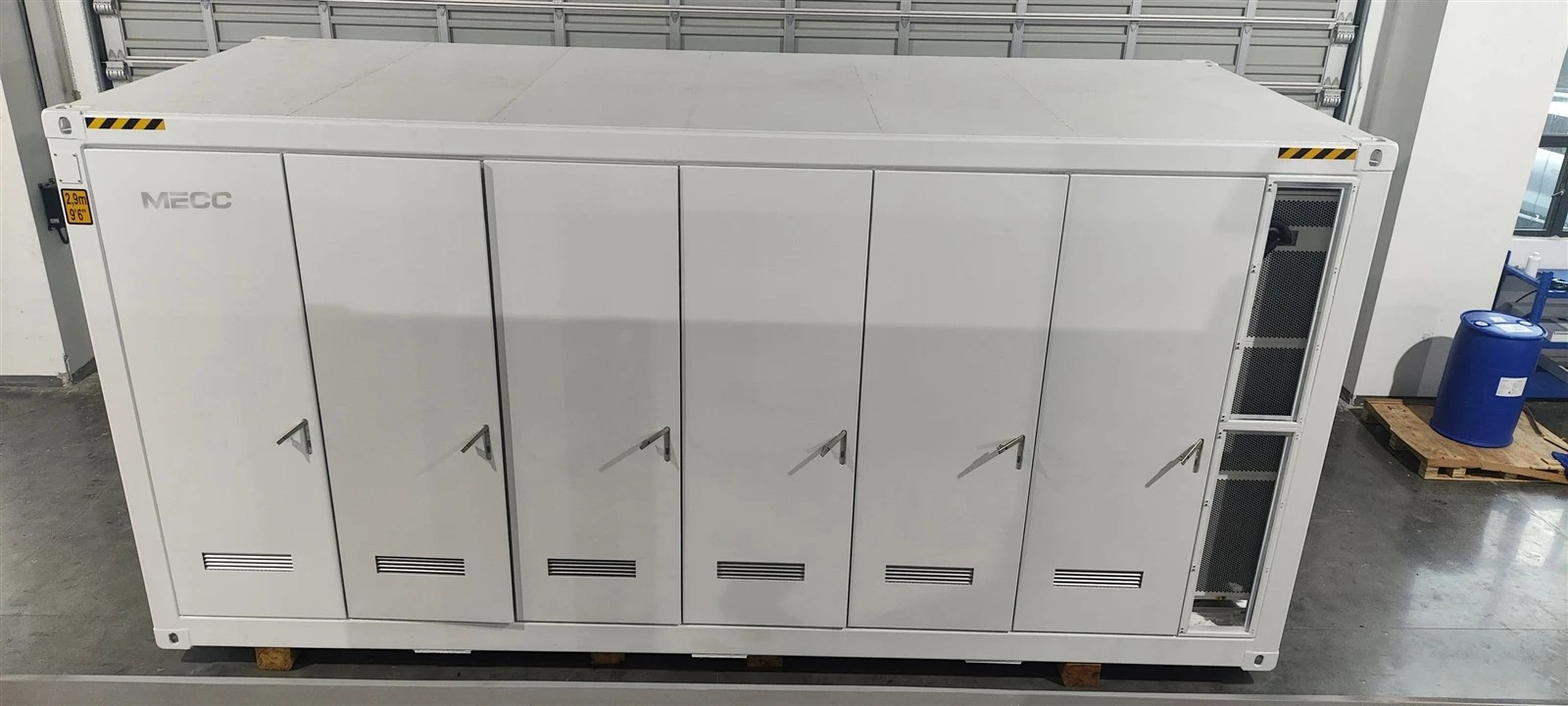
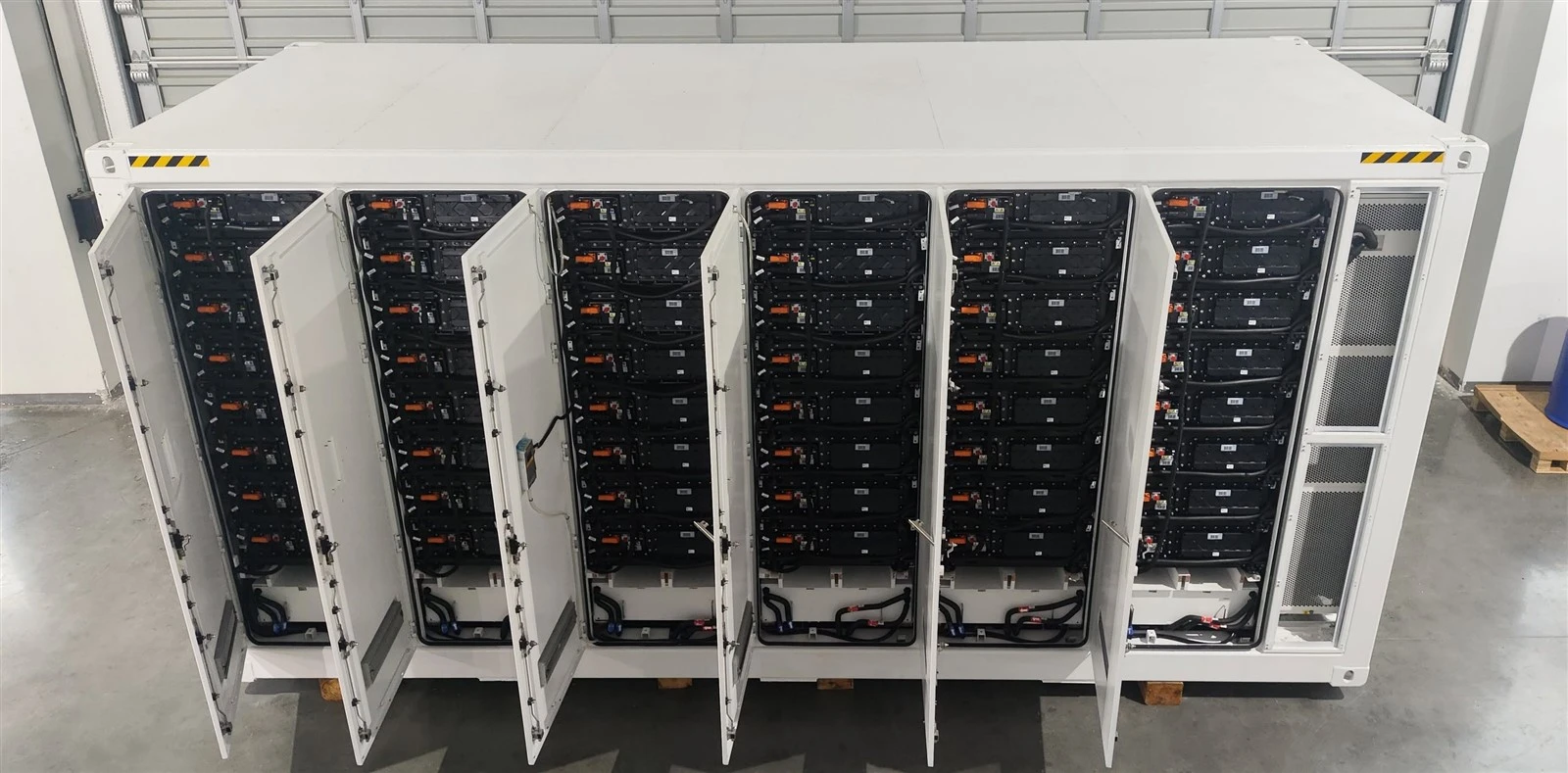
The ratio drives what you buy. Power sets the PCS (power conversion system) rating; energy sets module count. A 215 kWh battery storage module at 0.5C provides roughly 107 kW for two hours, while the same module at 1C doubles the power but halves the duration. A modular energy storage rack or all-in-one energy storage cabinet lets you tune the ratio by combination. High-C-rate duty usually calls for liquid-cooled battery storage over air-cooled to manage heat, with the BMS (battery management system) and EMS (energy management system) enforcing safe limits.
The economics
The ratio trades cost between power and energy. High C-rate means more inverter and thermal cost per kWh; low C-rate means more modules per kW. Model both against your tariff - commercial energy storage cost per kWh, LCOS (levelized cost of storage), battery storage ROI, and commercial battery storage payback all shift with the ratio. The cheapest-looking design is often the worst-fitting one.
Compliance and safety
Whatever ratio you choose, the system must meet UL 9540 and UL 9540A, comply with NFPA 855, and, for international sites, IEC 62619. High-C-rate operation also raises thermal-design scrutiny, so cooling and fire protection must be specified together.
Choosing the right partner
Ratio selection is where engineering judgment beats a spec sheet. A credible commercial energy storage manufacturer or commercial energy storage supplier should model your duty cycle, propose a C-rate and duration with margin, and project the economics - plus plan battery storage maintenance for a system that runs hard.
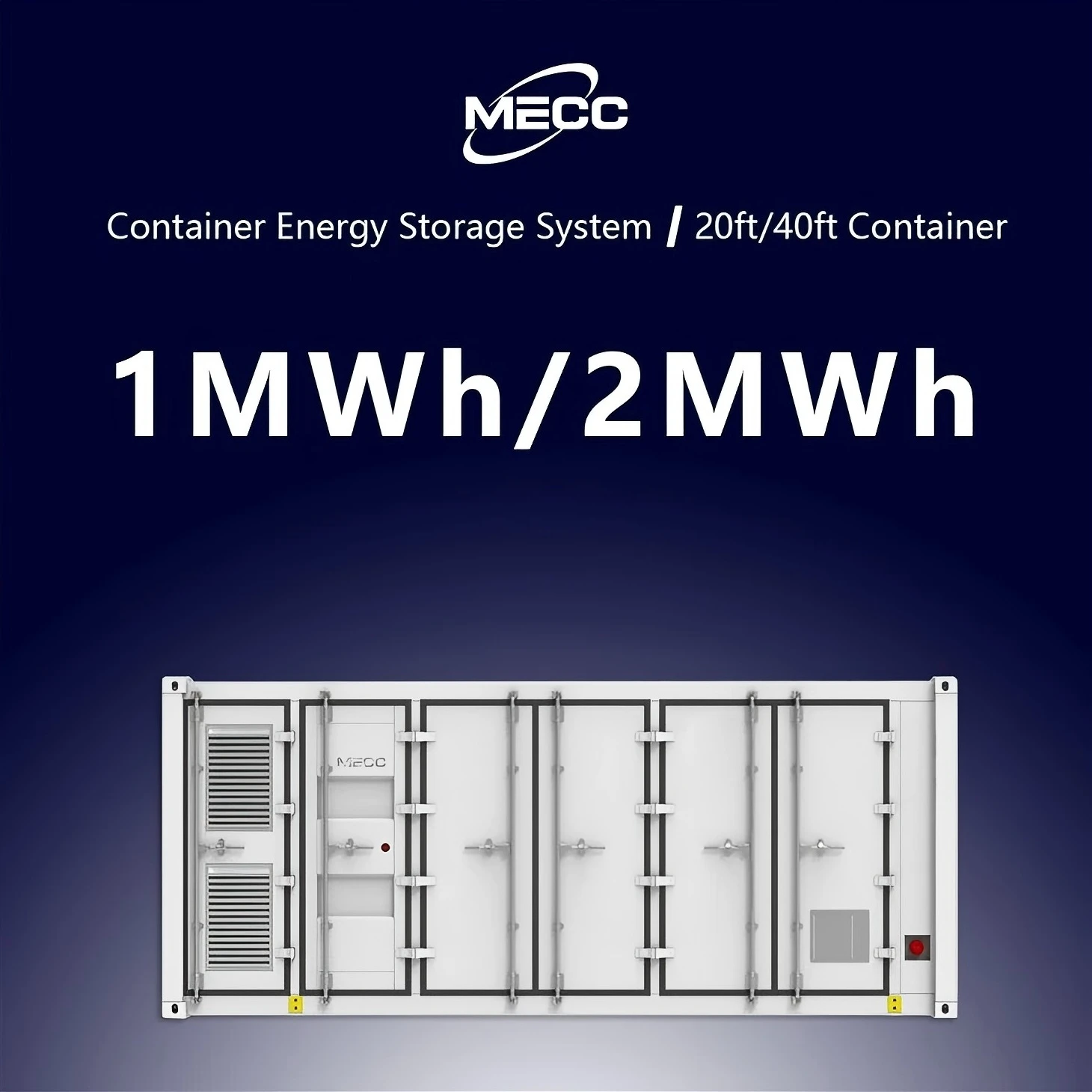
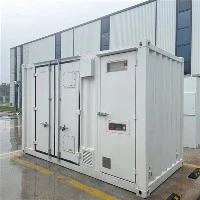
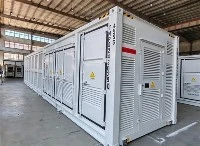
500KW/1MW 1MWh/2MWh Battery Energy Storage System Container
The 500kW/1MW 1MWh/2MWh Battery Energy Storage System Container is a turn‑key utility‑grade energy storage solution housed in standard 20ft or 40ft shipping containers, integrating bidirectional PCS, A‑grade LiFePO4 battery clusters, master BMS, liquid‑cooled thermal management, gas fire suppression, high‑voltage distribution and EMS energy management system with full factory pre‑assembly and pre‑commissioning. Requiring only foundation construction and high‑voltage cable connection for on‑site commissioning, it supports flexible power‑capacity configuration and multi‑container parallel expansion, delivering core capabilities of peak‑shaving and load shifting, renewable energy smoothing, frequency‑voltage grid support, islanded micro‑grid operation and large‑scale emergency backup. Featuring IP54 enclosure protection and comprehensive multi‑layer safety mechanisms, it adapts to diverse harsh outdoor environments, and is widely deployed for ground‑mounted PV power stations, industrial parks, mining operations, island microgrids and grid‑side auxiliary service projects to stabilize grid fluctuations, boost renewable energy utilization and reduce comprehensive energy costs.