



Every C&I energy storage project hinges on one number: the right capacity. A sizing calculator promises to produce it from your interval data - but the result is only as good as what you feed it. Used well, a calculator converts a messy load profile into a defensible commercial battery storage specification and a credible savings estimate. Used carelessly, it produces an expensive guess. Here's what a commercial energy storage sizing tool really does, and how to match capacity to your actual load.
What a sizing calculator actually does
A C&I energy storage sizing calculator is not a black box. It takes a handful of inputs - load profile, tariff structure, savings goal, and any solar generation - and returns two core outputs: the power (kW) the BESS must deliver and the energy (kWh) it must store. From those it estimates savings and battery storage ROI. Understanding each input is what separates a real design from a guess.
Input 1: Your load profile
This is the foundation. Load at least 12 months of 15-minute interval data, not monthly totals. The calculator needs the shape of your demand, because peak shaving works on instantaneous peaks, not averages. Key values: the monthly peak demand that sets your demand charges, when peaks occur, and how long they last. A flat average load tells the calculator nothing useful.
Input 2: Your savings goal
Different goals produce different sizes:
Peak shaving / demand charge reduction → power-heavy, short duration.
Time-of-use (TOU) arbitrage → energy-heavy, longer duration.
Self-consumption of on-site commercial solar plus storage → matched to the daily surplus.
Backup / resilience → matched to critical-load hours.
Pick a lead goal. Stacked goals increase size and complexity, so the calculator should show each layer separately.
Input 3: Your tariff structure
The tariff is where the money hides. Feed the calculator your demand charges, time-of-use windows, and any critical peak pricing events. A demand response program adds another input: the commitment and payout. A calculator that ignores your actual tariff will misprice the project - sometimes badly.
Input 4: Solar generation (if any)
If the site has PV, the calculator needs its generation profile to size self-consumption and decide whether an AC coupled or DC coupled design fits. Solar changes both the optimal capacity and the dispatch logic.
The core math
Two simple relationships drive everything:
Power (kW): from your peak-reduction target - the amount of grid draw you want to hold. This sets the C-rate and the PCS (power conversion system) rating.
Energy (kWh): power multiplied by the duration you need to sustain. This sets the stored capacity, mapped to 215 kWh battery storage modules or modular energy storage racks.
A 215 kWh module at 0.5C delivers about 215 kW for an hour - the building block for most designs.
Efficiency and degradation corrections
Nameplate kWh overstates what you can use. Apply:
Round-trip efficiency: a 90% system returns less than it stores.
Depth of discharge (DoD): usable capacity is a fraction of total; LFP (lithium iron phosphate) chemistry allows deeper, safer cycling.
Degradation: add margin for capacity fade over the asset's life.
Skipping these is the most common cause of undersized systems.
Reading the output
A good calculator returns more than a size. It should show projected demand charge reduction, arbitrage and demand response income, commercial energy storage cost per kWh, LCOS (levelized cost of storage), and commercial battery storage payback. Run it at two or three capacities - the largest system almost never delivers the best return.
Common mistakes
Using average load instead of interval peaks - guarantees under-sizing.
Ignoring coincidence - assuming all loads or EV charging spikes align, which oversizes the battery.
Sizing for one goal while the site has three, leaving value on the table.
Forgetting site constraints - footprint, thermal, and NFPA 855 clearances can cap the practical size.
Mapping the result to hardware
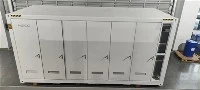
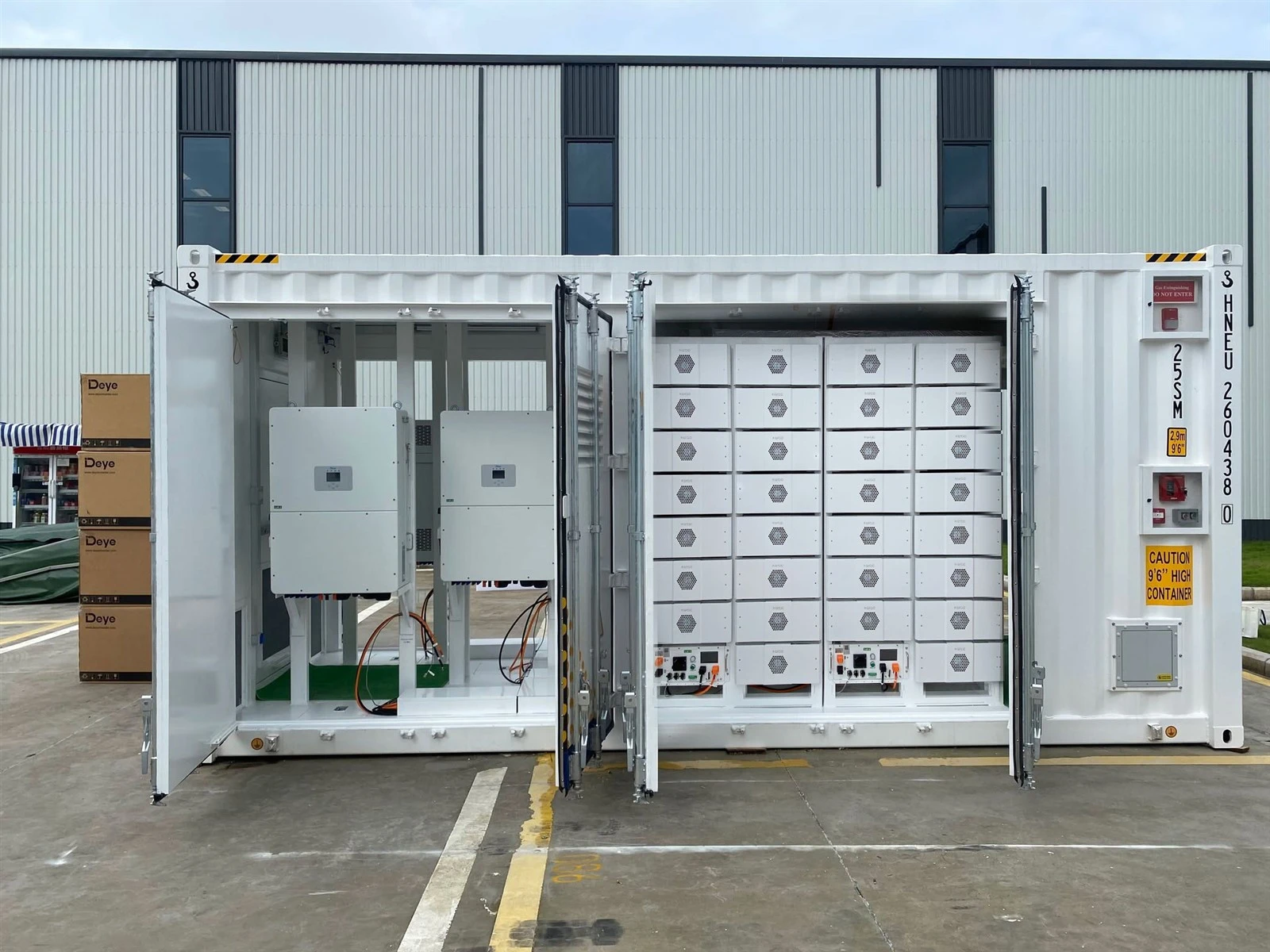
The output size maps to real equipment: PCS, BMS (battery management system), and EMS (energy management system) sized to the power and energy, housed in all-in-one energy storage cabinets or liquid-cooled battery storage (vs air-cooled) depending on climate and duty. Confirm UL 9540 and UL 9540A certification and IEC 62619 for international sites, and plan for clean commercial energy storage installation and battery storage maintenance.
When to bring in a supplier
A calculator gives you a defensible starting point - not a final design. Bring in a commercial energy storage manufacturer or commercial energy storage supplier to re-run the model on your data, simulate dispatch, and validate the numbers before you commit capital.
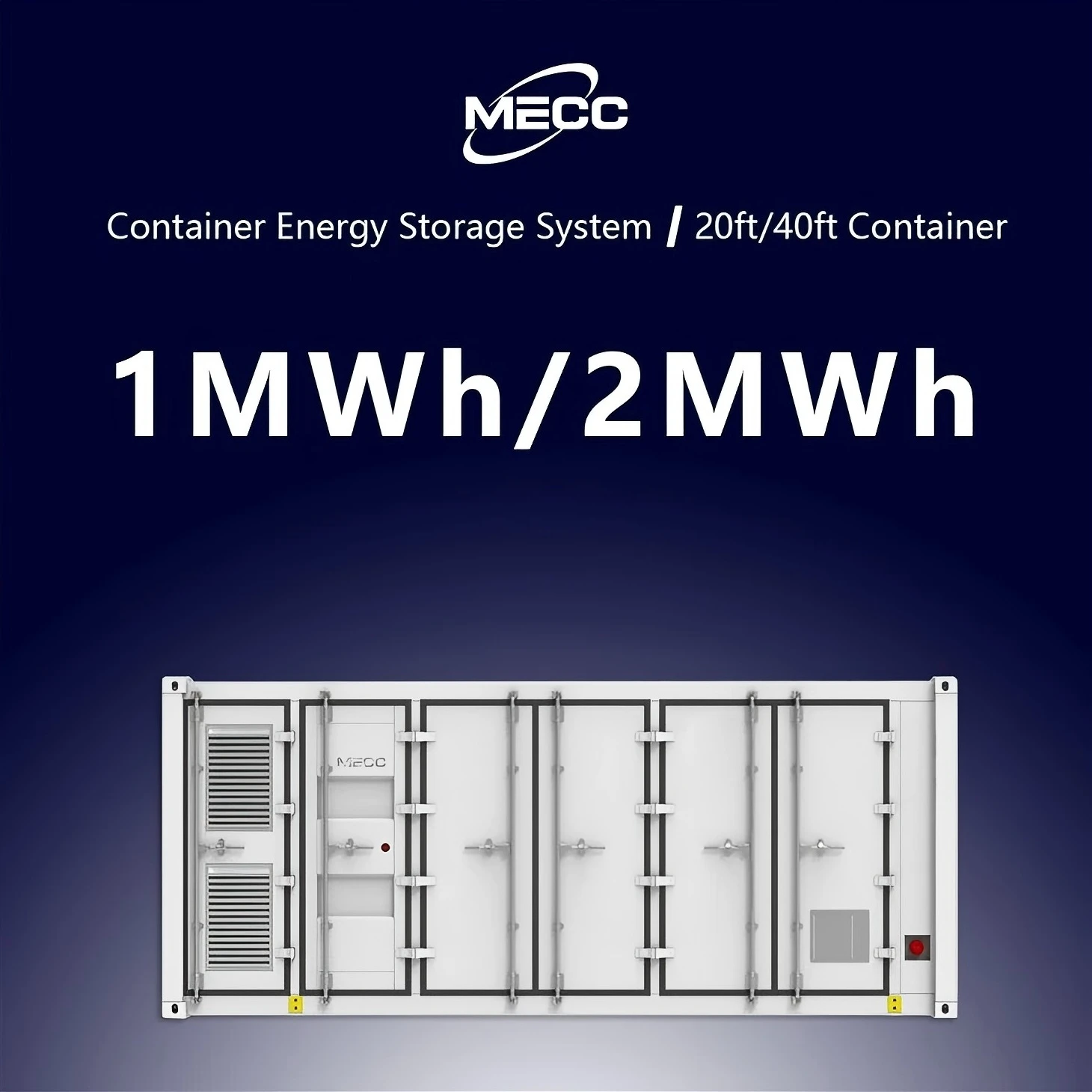
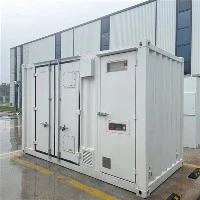
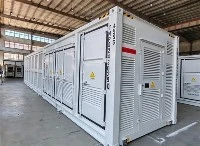
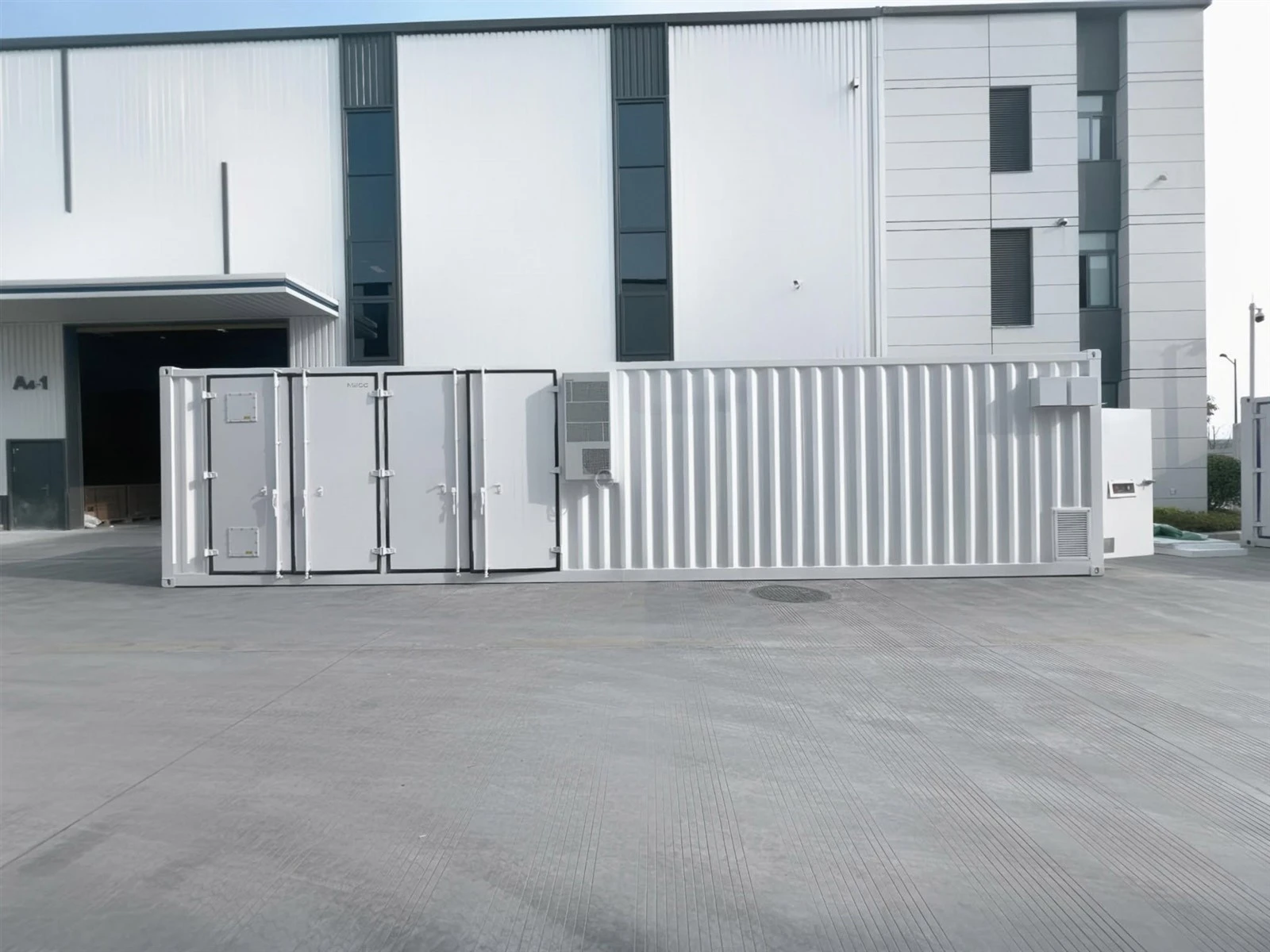
500KW/1MW 1MWh/2MWh Battery Energy Storage System Container
The 500kW/1MW 1MWh/2MWh Battery Energy Storage System Container is a turn‑key utility‑grade energy storage solution housed in standard 20ft or 40ft shipping containers, integrating bidirectional PCS, A‑grade LiFePO4 battery clusters, master BMS, liquid‑cooled thermal management, gas fire suppression, high‑voltage distribution and EMS energy management system with full factory pre‑assembly and pre‑commissioning. Requiring only foundation construction and high‑voltage cable connection for on‑site commissioning, it supports flexible power‑capacity configuration and multi‑container parallel expansion, delivering core capabilities of peak‑shaving and load shifting, renewable energy smoothing, frequency‑voltage grid support, islanded micro‑grid operation and large‑scale emergency backup. Featuring IP54 enclosure protection and comprehensive multi‑layer safety mechanisms, it adapts to diverse harsh outdoor environments, and is widely deployed for ground‑mounted PV power stations, industrial parks, mining operations, island microgrids and grid‑side auxiliary service projects to stabilize grid fluctuations, boost renewable energy utilization and reduce comprehensive energy costs.