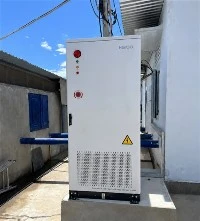
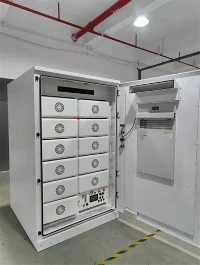
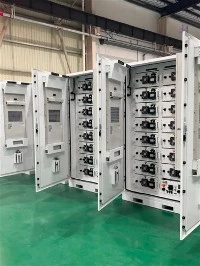
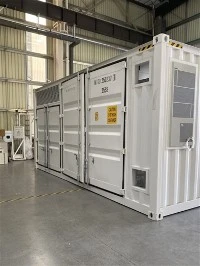
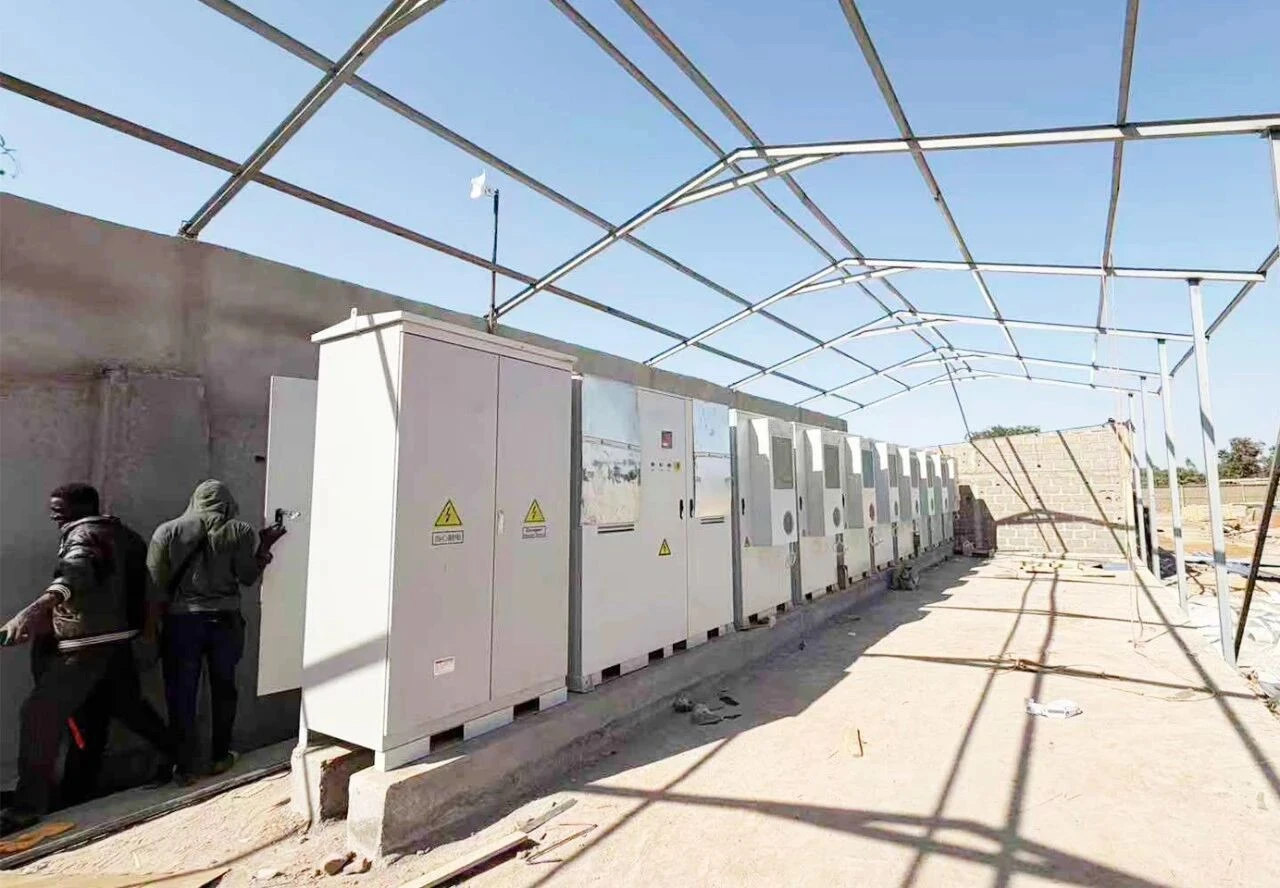
▶ Ensure continuous power supply for livestock breeding: Under unstable or black‑out utility‑grid conditions, the energy‑storage system realizes seamless grid‑tied / off‑grid switching to guarantee stable operation of temperature‑control and ventilation systems in poultry houses.
▶ Smooth out load fluctuation: PCS responds rapidly to load changes and prevents frequent start‑stop cycles of diesel generators.
▶ Cut fuel cost: Photovoltaic power is consumed on‑site with priority. Energy storage performs peak‑valley shifting, which greatly shortens the running hours of diesel engines.
▶ Adapt to remote‑area deployment: Satisfy energy demands under weak‑grid and off‑grid conditions in African regions.
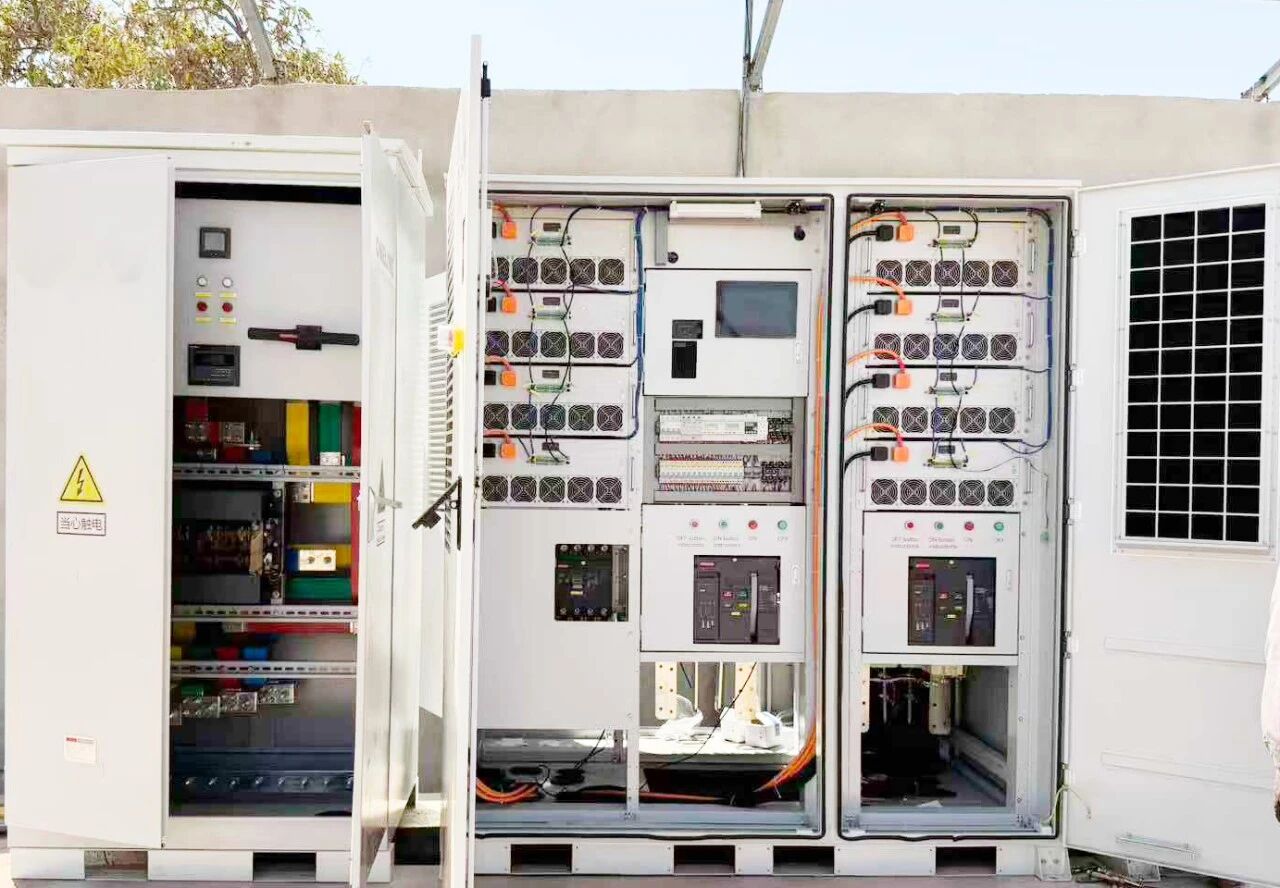
Core Advantages of 125 kW PCS
- Complete grid‑tied / off‑grid switching with STS, total response time ≤ 10 ms
- STS supports parallel operation, with maximum deployment of 4 units in parallel
- PCS supports up to 16‑unit parallel operation under off‑grid mode
- Interleaved parallel topology for enhanced operational stability
Key On‑site Technical Pain Points & MECC Solutions
Pain Point 1: Complex and volatile on‑site working conditions risk system instability under off‑grid hybrid operation
Problem description
The livestock farm features highly variable loads. Ventilation, heating and water‑treatment equipment will bring sharp load surges when poultry houses enter different breeding cycles. Located in remote Mali, the site suffers large photovoltaic output fluctuations caused by frequent cloud cover. Under off‑grid PV‑diesel‑storage hybrid mode, multiple 125 kW PCS units run in parallel as grid‑forming sources. Without precise coordinated control, sudden load jumps or sharp PV output drops may trigger frequency and voltage oscillation on the AC bus. In worst‑case scenarios, it may cause accidental diesel generator frequent startup, system protection tripping, and short‑time power interruption for critical poultry‑house climate control facilities, bringing direct risks to livestock survival.
MECC Solution
MECC deploys a dedicated hybrid energy‑management platform for multi‑PCS parallel grid‑forming scenarios. The platform realizes unified coordination for all eight 125 kW PCS units. Interleaved parallel topology inside each PCS improves single‑unit dynamic response capability. The control logic adds load‑feed‑forward algorithm: real‑time load change is predicted in advance, and PCS adjusts output power with millisecond‑level speed to restrain bus voltage and frequency deviation.
Meanwhile, the EMS optimizes the joint triggering logic between energy‑storage system and diesel generators. It sets reasonable SOC hysteresis thresholds instead of a single trigger point, avoiding repeated diesel‑engine start‑stop induced by short‑term PV fluctuation or transient load spikes. When large disturbance occurs, the system implements smooth power ramp adjustment first rather than direct protection trip. It keeps climate‑control and ventilation equipment continuously running and avoids livestock loss caused by power fluctuation.
Pain Point 2: Harsh tropical environment brings challenges to equipment reliability and long‑term stable operation
Problem description
Mali has typical tropical high‑temperature conditions with intense solar radiation, large day‑night temperature difference and heavy dust in the air. For outdoor‑deployed power electronic equipment such as 125 kW PCS, high ambient temperature easily causes over‑temperature derating and reduces actual available output capacity. Dust accumulation may block heat‑dissipation channels, accelerate component aging and increase equipment failure probability. Once PCS performance degrades, the whole PV‑diesel‑storage hybrid system cannot work as designed, which will raise diesel fuel consumption and threaten power supply reliability of the breeding base.
MECC Solution
The 125 kW PCS applied in this project adopts tropical‑version reinforced hardware design, with widened operating ambient‑temperature range. Optimized air‑duct structure plus dust‑proof filtering design prevents large‑amount dust from entering power‑electronic cavities. Heat‑dissipation fans support intelligent variable‑speed adjustment according to internal temperature, balancing cooling performance and dust accumulation risk.
The local EMS conducts 24‑hour real‑time monitoring for temperature, operating status and fault code of each PCS module. It supports remote early‑warning and remote diagnosis. If certain unit shows over‑temperature tendency, the system will implement moderate derating for this single PCS while other parallel PCS units dynamically compensate power output, ensuring the total power supply capacity of the whole system and non‑interrupted service for the farm. Local maintenance teams can obtain fault hints remotely, lowering on‑site troubleshooting difficulty in remote African areas.
Project Functions & Industry Impact
For the end‑user breeding base, the PV‑diesel‑storage hybrid system delivers stable, high‑reliability power supply for core breeding facilities. It minimizes downtime risks for poultry‑house temperature‑control and ventilation devices. By maximizing local photovoltaic consumption and reducing diesel running hours, the project greatly cuts expensive fuel expenditure and lowers overall operational cost of the farm.
Technically, the project validates the practical performance of multi‑parallel 125 kW grid‑forming PCS under real tropical remote off‑grid hybrid conditions. It verifies key technologies including multi‑unit grid‑forming coordination, load feed‑forward control and harsh‑environment adaptive design, accumulating valuable replicable engineering experience for similar African agricultural hybrid micro‑grid projects.
From the industry perspective, this case proves that the PV + diesel + energy‑storage hybrid solution can effectively resolve power‑supply bottlenecks for agricultural and commercial facilities in remote off‑grid African regions. It demonstrates how Chinese energy‑storage hardware and system‑integration capability combine with local real‑industry demands.
As global energy transition deepens, the intelligent management and flexible dispatching capabilities demonstrated by MECC in this project lay a solid foundation for future participation in global power markets and building new PV‑storage ecosystems. The "PV‑storage + livestock breeding" practice proves the essence of smart energy lies not in simple technology stacking, but in deep integration with industrial ecosystems to practically address end‑users' core demands on cost, safety and stability. Looking ahead, MECC will keep leveraging technology and scenario‑oriented thinking to promote wider global deployment of PV‑diesel‑storage hybrid solutions.