


2.Severe demand‑charge penalty. Simultaneous production creates sharp load surges, frequently exceeding contracted maximum power demand and bringing heavy monthly penalty fees.
3.Transformer bottleneck. Existing 1600 kVA transformer runs at 85%‑92% load rate, nearly full capacity. Grid‑operator‑led transformer upgrade requires 12‑18 months approval cycle with extremely high capital investment. Power curtailment warning appears during high‑load seasons, which may force production shutdown.
4.PV reverse‑power risk. At noon, excess PV generation exceeds on‑site consumption and flows back to utility grid. Local grid operator imposes heavy fines for reverse power export. Simply curtailing PV output causes waste of renewable energy and lowers PV return.
5.Lack of backup power support. Occasional grid faults trigger power outage. Critical loads including workshop control system, air compressors and security system have no uninterrupted power supply, bringing tangible production loss.
Key equipment includes:
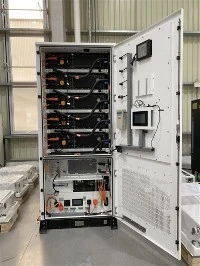
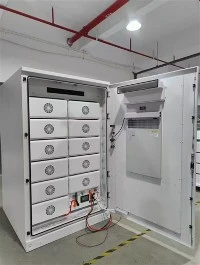
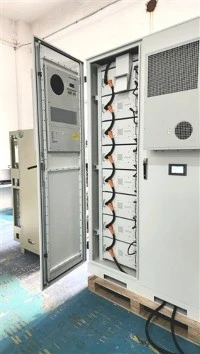
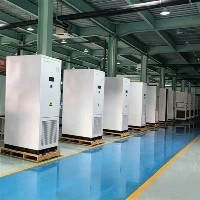
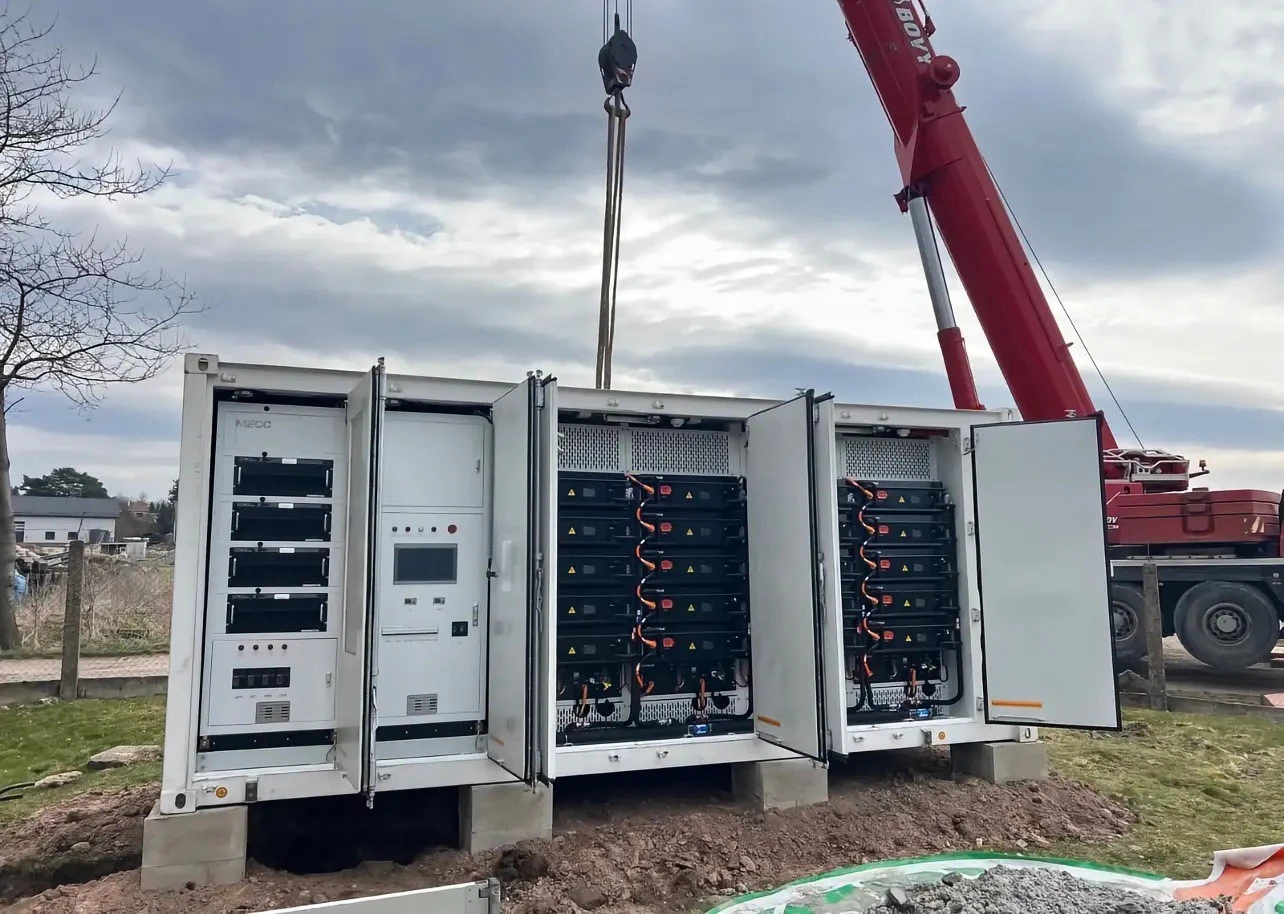
Four units of MECC 125kW/261kWh liquid‑cooled BESS cabinet, integrated with PCS, BMS, liquid cooling system and aerosol fire suppression. Adopting LFP battery cells with IP54 protection grade and CE/IEC certification for outdoor deployment. These cabinets deliver total power of 500 kW and energy of 1044 kWh, undertaking core peak‑valley charge‑discharge and peak‑load mitigation tasks.
One set of MECC containerized energy‑storage system at 125 kW/261 kWh. It serves as capacity supplement for the whole system and reserves expansion interfaces to support future upgrade up to 1‑2 MWh container‑based solution. Inside the container are integrated power distribution units, fire‑protection components, liquid‑cooled thermal management system and complete earthing protection.
One set of MECC‑EMS industrial energy‑management platform composed of local edge unit and cloud backend. As the core dispatching brain, it collects full‑scale operating data from grid, PV, energy storage and on‑site loads. It executes peak‑valley arbitrage strategy and battery SOC management, supports cloud remote monitoring, automatic report generation and time‑of‑use tariff configuration, embedded with AI‑driven load and PV forecasting algorithm.
One unit of MECC ACCU‑200 micro‑grid coordination controller, the millisecond‑level real‑time control hardware. It implements anti‑reverse‑power protection, demand control, flexible transformer expansion as well as seamless on/off‑grid switching within less than 50 ms. It receives dispatching targets from EMS and sends power commands directly to parallel PCS clusters.
Three sets of high‑precision sensing assemblies consisting of CT current transformers and multi‑function smart meters. They are installed respectively at main grid incoming position, PV PCC point and energy‑storage AC combiner side, collecting active power, reactive power, power flow direction, voltage and current at millisecond interval, providing real‑time raw data for anti‑reverse‑power and demand‑control algorithms.
One set of AC grid‑connection combiner cabinet equipped with circuit breaker, secondary surge protection device and hardware reverse‑power protection relay. It realizes AC‑side combination for four liquid‑cooled cabinets and container unit, connecting to 400V low‑voltage busbar of the park. Hardware reverse‑power relay acts as fail‑safe backup against software failure, together with short‑circuit protection and EPO emergency shutdown interface.
One set of communication assembly including industrial Ethernet switch, 4G‑wired dual‑link and super‑capacitor backup power source. It ensures stable communication among EMS, micro‑grid controller, PCS and BMS. Even when cloud connection is lost, local edge controller keeps executing full set of protection and control logics to guarantee on‑site safety.
Core Technical Principles
Peak‑Valley Arbitrage: EMS reads local time‑of‑use tariff. ESS charges from grid during low‑price night hours and discharges to support factory loads in high‑price daytime periods, minimizing grid electricity purchase. Combined with on‑site PV self‑consumption, it optimizes daily charge‑discharge schedule with AI forecasting and constrains SOC range to extend battery cycle life.
Demand Control & Flexible Transformer Expansion: Smart meter monitors real‑time transformer loading. When load approaches transformer safety threshold, coordination controller triggers ESS discharge to share load stress. Transformer loading rate is capped within safe range, realizing virtual capacity expansion without hardware renovation. Maximum monthly demand is kept under contracted limit to eliminate penalty risk.
Anti‑Reverse‑Power Protection (software strategy plus hardware backup): CT sensors monitor power‑flow direction at PCC point. Once reverse‑power trend is detected, controller adjusts ESS charge‑discharge power: surplus PV power is stored into batteries first. When battery reaches high SOC limit, PV output is smoothly derated to avoid power export to grid. Hardware reverse‑power relay provides fail‑safe protection against communication failure.
Automatic Grid‑Tied / Off‑Grid Switching: Coordination controller continuously monitors grid voltage and frequency. Upon grid failure, system switches to island mode within <50 ms, ESS works as grid‑forming source to feed critical loads. When utility grid recovers, auto‑synchronization and re‑connection complete without manual intervention.
Commissioning & Operational Results
After installation, commissioning and grid‑connection, the storage system operates in coordination with existing 1.2 MW rooftop PV.
‑ Peak‑valley arbitrage: Monthly grid power purchase volume decreases by ~27%, cutting regular electricity expenditure effectively.
‑ Demand management & flexible transformer upgrade: Maximum demand stays below contracted threshold, demand‑charge penalty fully eliminated. Transformer peak loading drops from 92% to under 75%. The park supports new production capacity without expensive hardware transformer renovation and long waiting approval process.
‑ PV anti‑reverse‑power performance: Zero reverse‑power export to grid, fines fully avoided. PV on‑site self‑consumption ratio increases by 18%.
‑ Power‑supply reliability: Multiple grid‑fault tests verify seamless on/off‑grid transition. Critical equipment maintains continuous operation and avoids production downtime loss.
Project Significance & Industry Demonstration Value
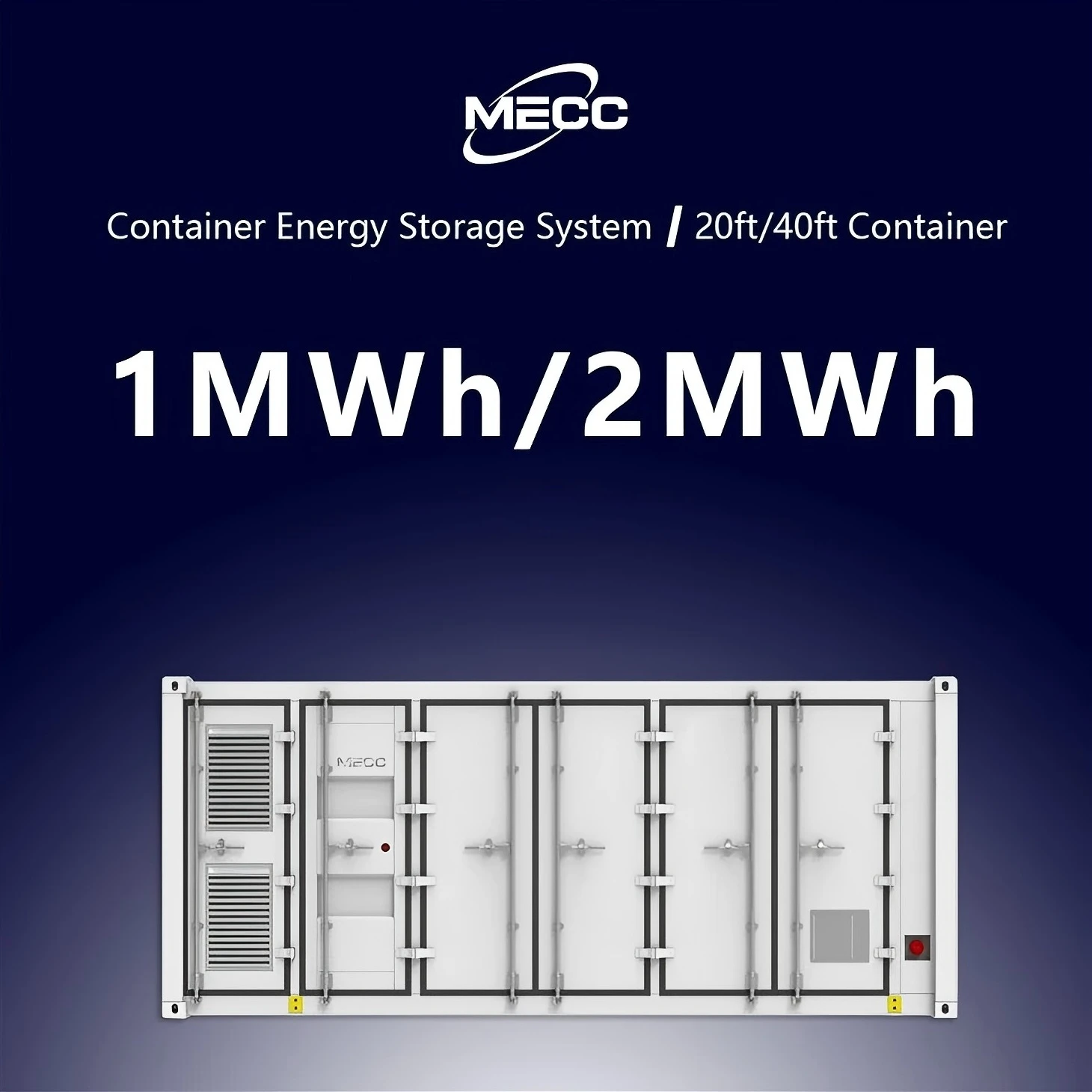
500KW/1MW 1MWh/2MWh Battery Energy Storage System Container
The 500kW/1MW 1MWh/2MWh Battery Energy Storage System Container is a turn‑key utility‑grade energy storage solution housed in standard 20ft or 40ft shipping containers, integrating bidirectional PCS, A‑grade LiFePO4 battery clusters, master BMS, liquid‑cooled thermal management, gas fire suppression, high‑voltage distribution and EMS energy management system with full factory pre‑assembly and pre‑commissioning. Requiring only foundation construction and high‑voltage cable connection for on‑site commissioning, it supports flexible power‑capacity configuration and multi‑container parallel expansion, delivering core capabilities of peak‑shaving and load shifting, renewable energy smoothing, frequency‑voltage grid support, islanded micro‑grid operation and large‑scale emergency backup. Featuring IP54 enclosure protection and comprehensive multi‑layer safety mechanisms, it adapts to diverse harsh outdoor environments, and is widely deployed for ground‑mounted PV power stations, industrial parks, mining operations, island microgrids and grid‑side auxiliary service projects to stabilize grid fluctuations, boost renewable energy utilization and reduce comprehensive energy costs.